Analytical Balances with 0.1 mg Readability for Research
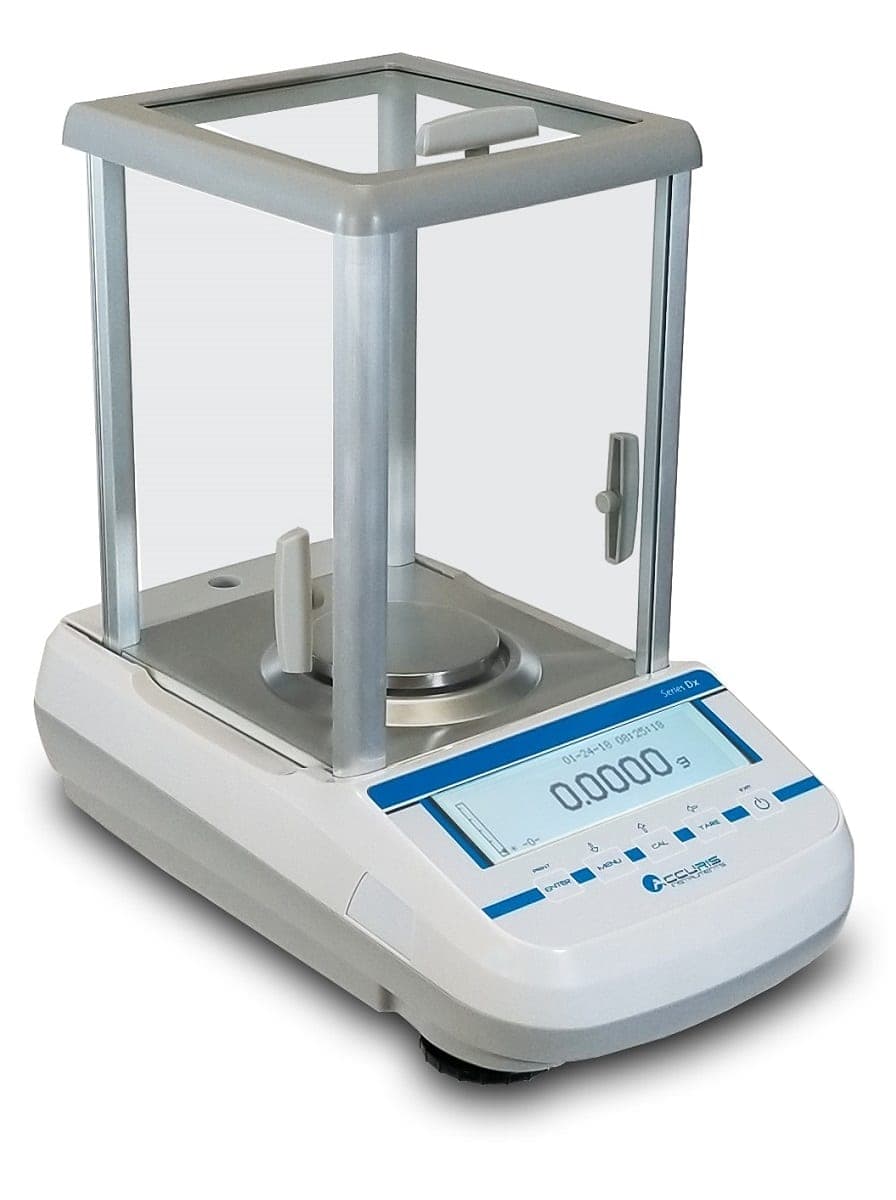
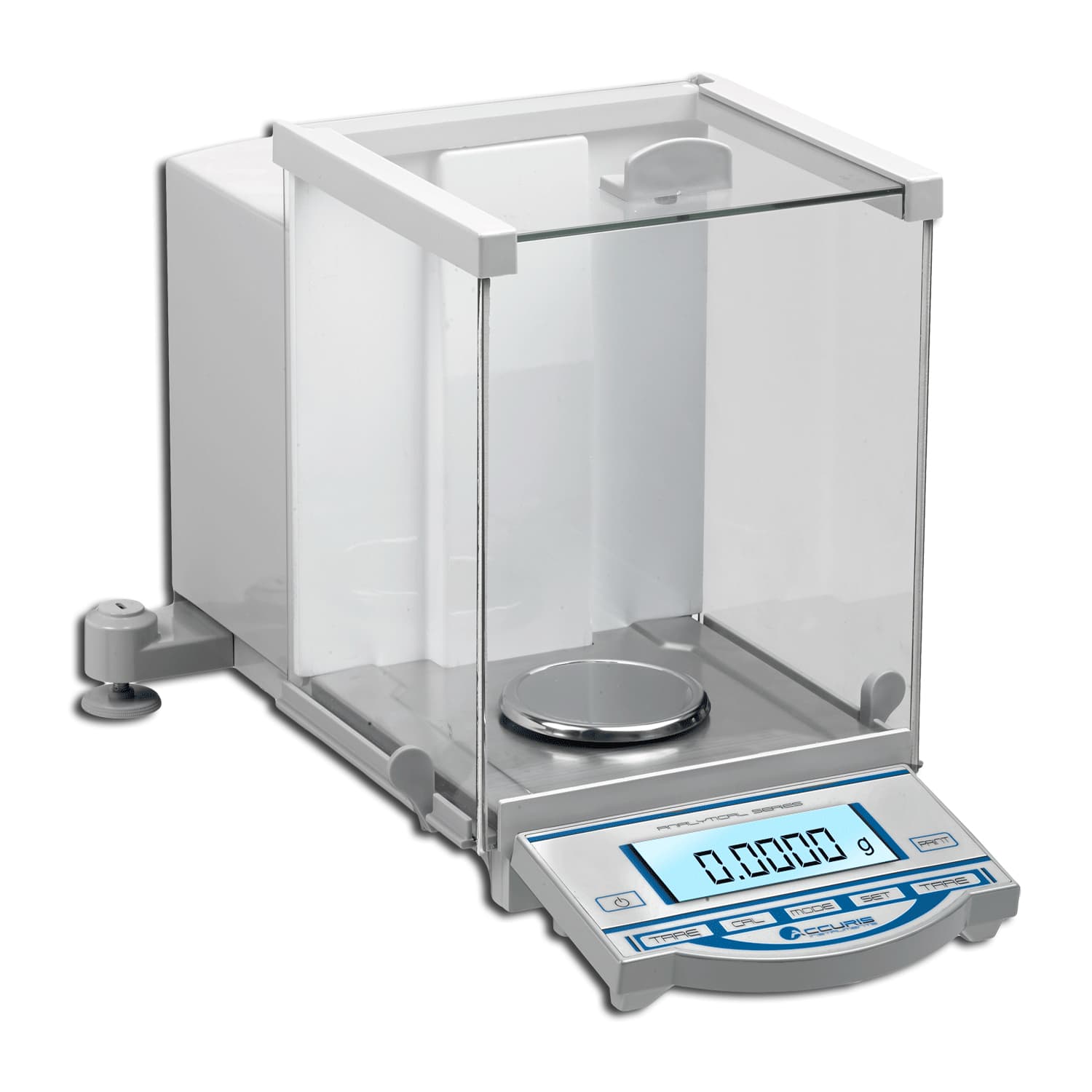
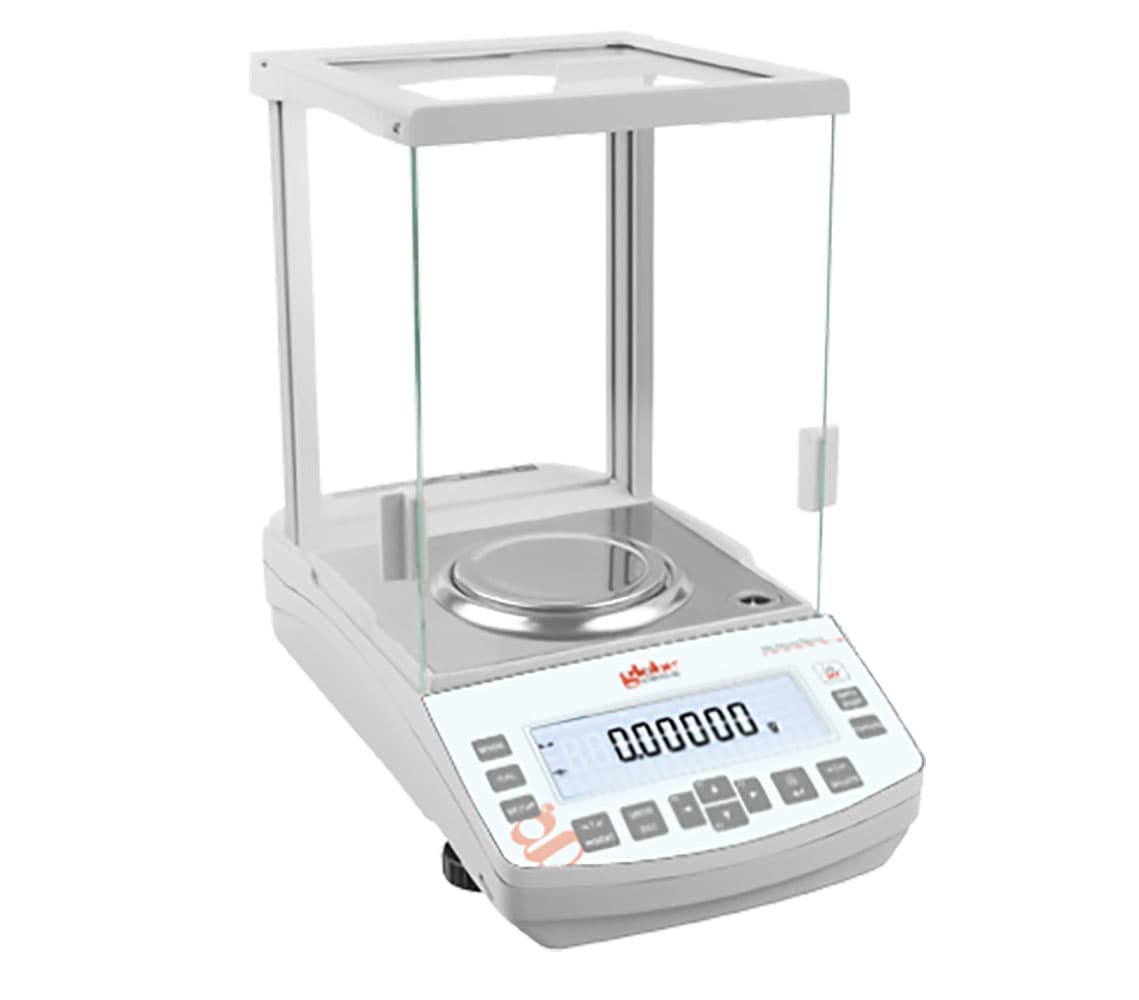
Analytical balances are high-precision laboratory weighing instruments with a readability of 0.1 mg (0.0001 g), enclosed in a glass or polycarbonate draft shield to minimize the effects of air currents during weighing. They are used for stoichiometric reagent preparation, quantitative chemical analysis, pharmaceutical formulation, API weighing, gravimetric sample preparation, and other applications requiring mass measurements to the fourth decimal place in grams.
MBP is a registered vendor for Howard Hughes Medical Institute, Vanderbilt University, and MD Anderson Cancer Center, and provides purchase order procurement for analytical balances for US and Canadian research institutions. Request a quote by contacting customerservice@mbpinc.net.
Analytical Balance

Showing 1 to 9 of 9 results
What Are Analytical Balances?
An analytical balance is a high-precision weighing instrument that measures mass to a resolution of 0.1 mg (0.0001 g), one tenth of a milligram. The weighing mechanism uses electromagnetic force restoration (EMFR): the weighing pan is suspended by an electromagnet that applies just enough force to maintain the pan in a fixed reference position; the current required to restore this position is proportional to the mass placed on the pan, providing extremely high accuracy and repeatability across the full capacity range. A glass or polycarbonate draft shield enclosing the weighing pan prevents air currents from displacing the pan and introducing measurement errors; at 0.1 mg sensitivity, an air movement of less than 0.1 m/s can produce a reading error of 0.1 mg or more. Analytical balances cover capacities from 80 g (semi-micro models, with 0.01 mg readability in some configurations) to 520 g maximum, which accommodates weighing into standard laboratory glassware, plastic weighing boats, and small containers. They are used in quantitative chemistry (stoichiometric reagent weighing for accurate molarity calculations), pharmaceutical development (API and excipient weighing), environmental analysis (gravimetric filter weighing), food science, and materials research. An analytical balance is required whenever mass accuracy at the 0.0001 g (0.1 mg) level is needed; if the protocol reports mass to three or four decimal places or requires a minimum weighing quantity specification, an analytical balance is the correct instrument.
What you will find:
- Analytical balances for high-precision weighing in research, analytical, and quality control laboratories.
- Balance series with internal or external calibration options for maintaining measurement accuracy.
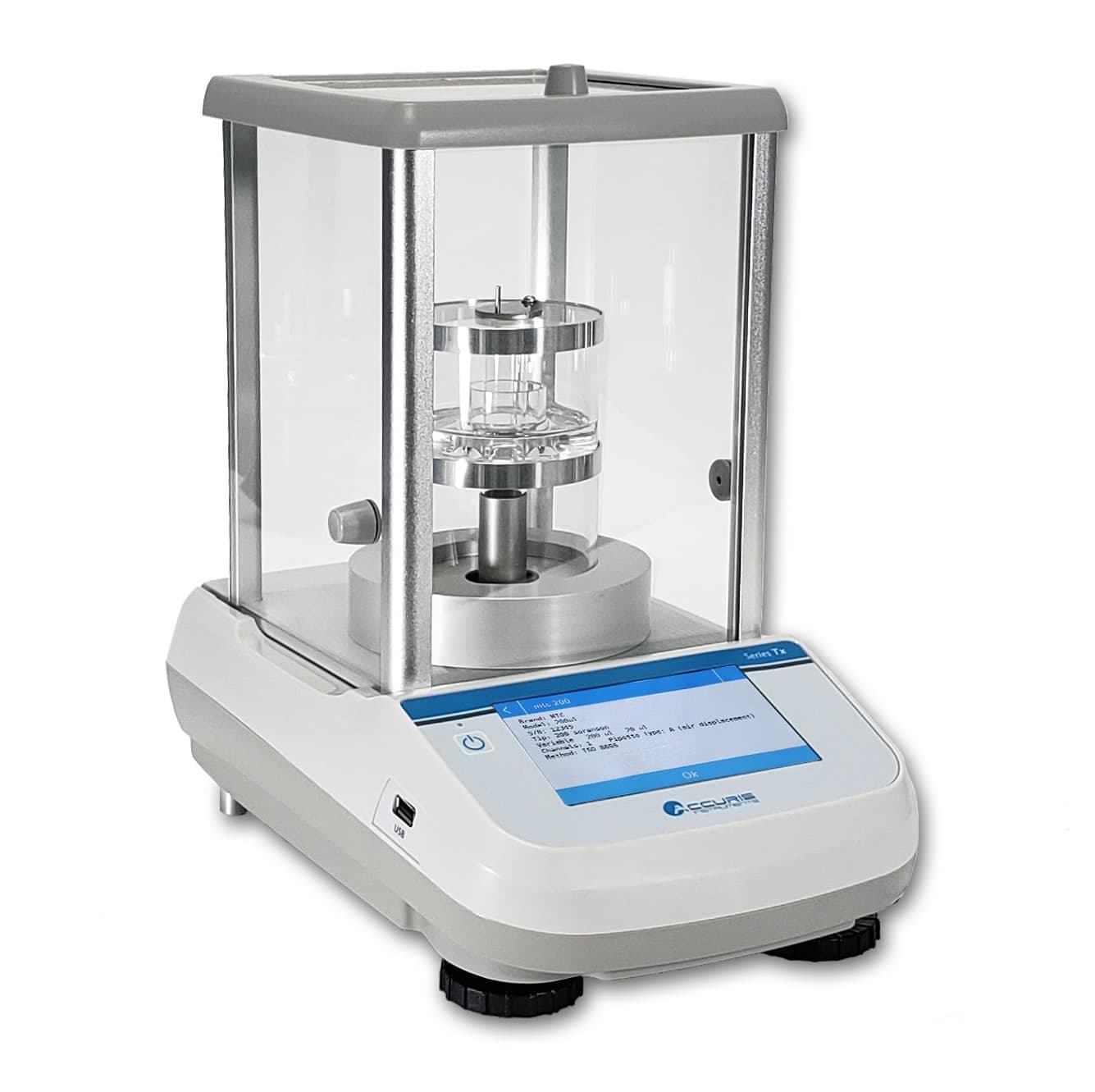
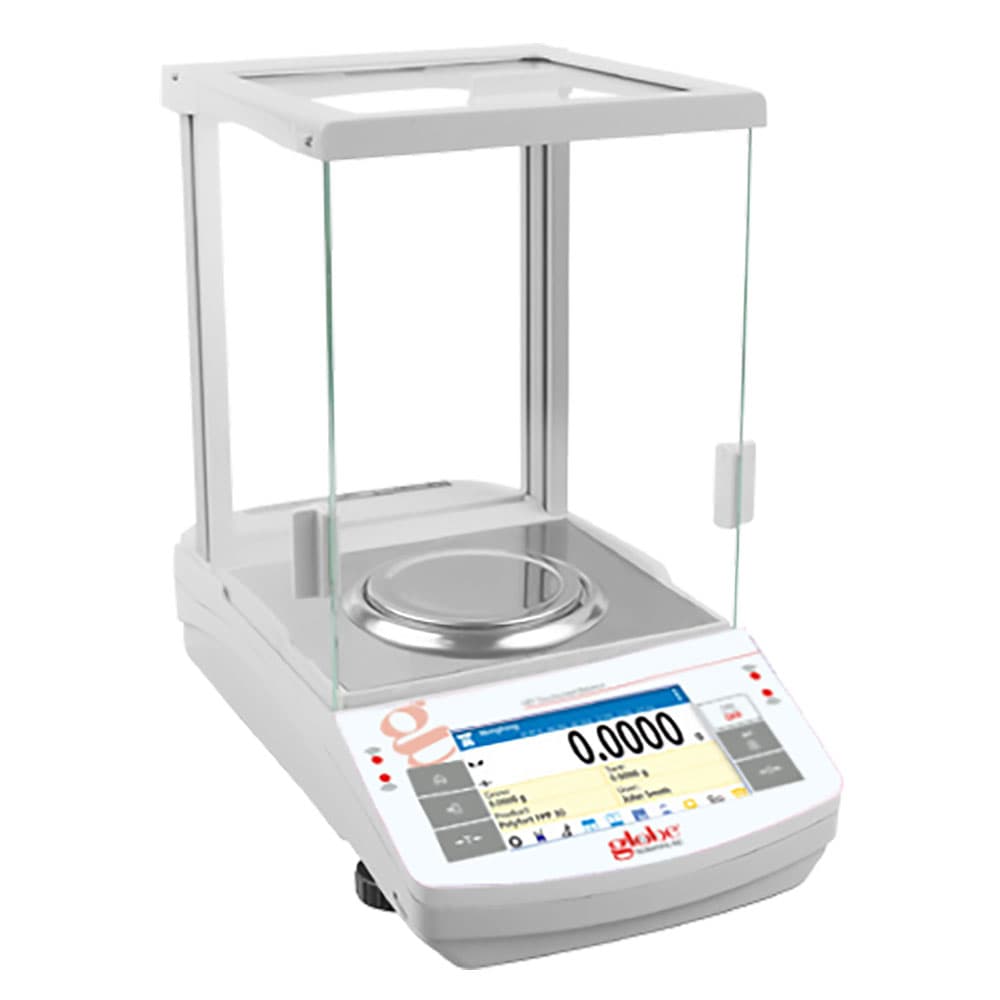
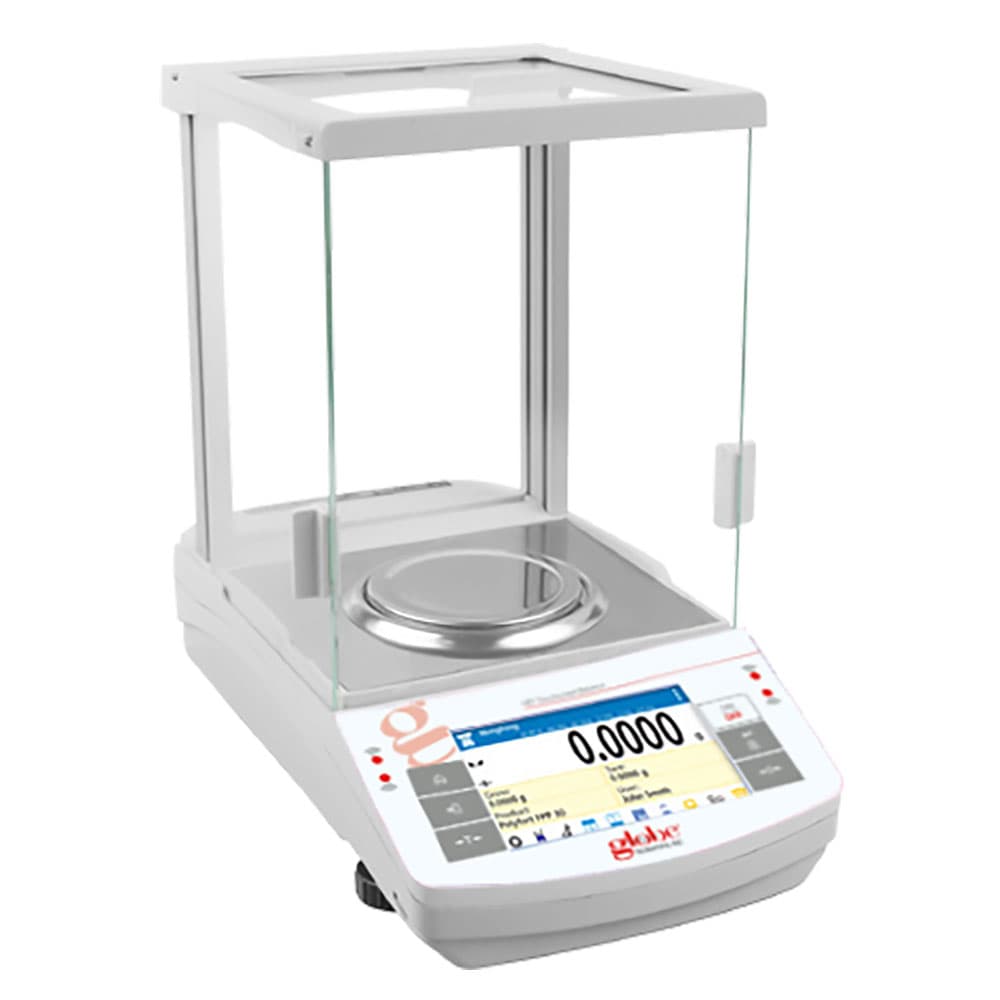
- Touchscreen analytical balances with advanced weighing functions and intuitive operation.
- Analytical Balance Accessories, including precision vacuum gauges for monitoring vacuum levels and supporting laboratory vacuum applications.
How to Choose an Analytical Balance
Readability and accuracy
Readability (resolution, smallest displayable increment) for standard analytical balances is 0.1 mg. Semi-micro balances with 0.01 mg readability are specified for trace weighing, where mass differences of 0.01 mg must be detected, used in pharmaceutical microformulation, impurity weighing, and environmental particulate filter gravimetry. Accuracy (how closely the displayed value matches the true mass) is related to but distinct from readability: a well-maintained, calibrated analytical balance should show repeatability (standard deviation of 10 repeat weighings) of 0.05 mg to 0.1 mg at mid-range loads.
Internal vs. external calibration
Analytical balances with internal calibration contain a motorized calibration weight that deploys automatically when triggered by a temperature change (typically 1.5 to 2 degrees C change), a scheduled time interval, or an operator command. The balance calibrates itself and documents the event without requiring the operator to handle external weights; the preferred configuration for regulated environments and high-throughput labs. Externally calibrated balances require the operator to place a certified external weight on the pan and initiate calibration manually, appropriate for lower-frequency calibration schedules and labs where calibration is an explicitly documented QC step.
Draft shield design
Motorized sliding glass doors that open automatically when a sample is placed near the sensor and close after removal reduce the time the draft shield is open, minimize drafts around the pan during the stability period, and improve operator ergonomics. Manual sliding or hinged doors require the operator to open and close the shield for each weighing, adequate for moderate use but slower in high-throughput environments. Confirm that the door opening dimensions (width and height of the access openings) are sufficient for the weighing vessels used in your workflow.
Capacity and sample vessel compatibility
Choose capacity based on the maximum combined mass of the sample plus any tare container placed on the pan. For analytical chemistry, weighing reagents in 50 mL beakers or weighing boats, 200 g capacity covers most scenarios. For pharmaceutical weighing of larger API or excipient batches, a 520 g capacity with 0.1 mg readability is specified. Never exceed the stated maximum capacity of an analytical balance; even brief overloading can permanently damage the electromagnetic force restoration mechanism.
GLP and GMP compliance features
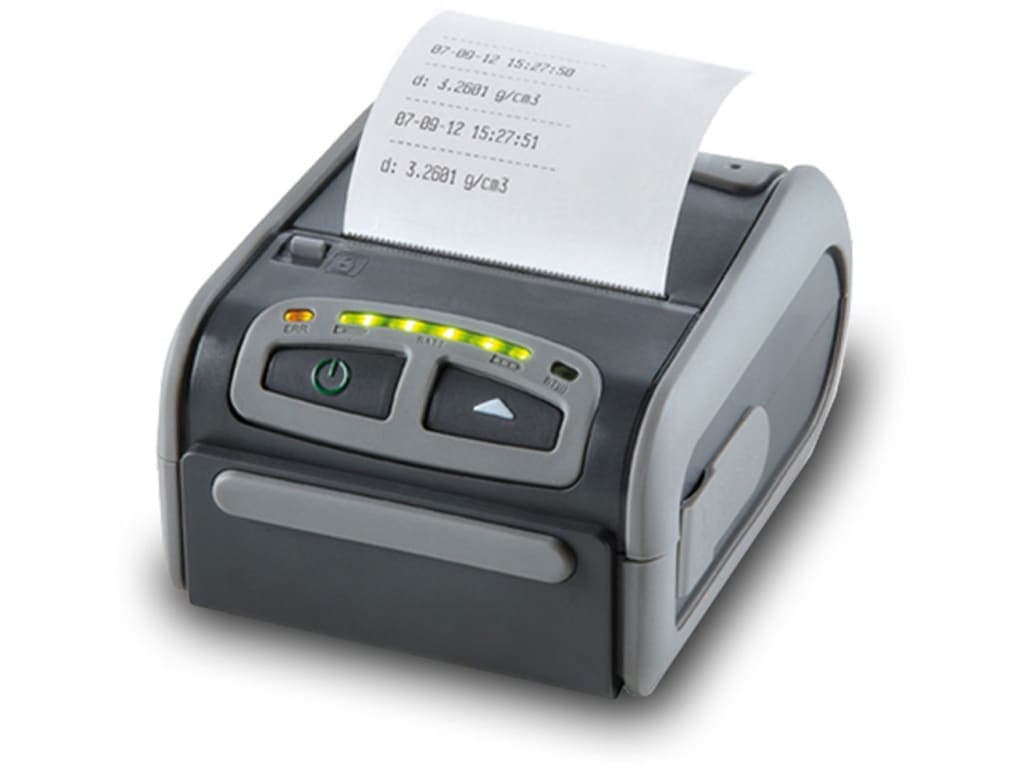
Analytical balances for regulated pharmaceutical and food testing environments require GLP/GMP compliance features: automatic time and date stamping of each weighing record; user login and operator ID in the printout; balance identification code; calibration status and last calibration date; minimum sample weight display (calculated from balance performance and the USP minimum weight requirement); and connectivity for data export to a LIMS or validated computer system. Confirm that the software and interface meet the regulatory requirements of the intended use.
Specifications Context
The minimum weighing quantity (MWQ) for an analytical balance is the minimum sample mass that can be weighed with an acceptable relative uncertainty, typically defined as 1000 times the standard deviation of repeatability, per USP 41 chapter 41 and OIML R 111 guidance. For a balance with 0.05 mg standard deviation, the minimum weighing quantity is 50 mg. Samples below this mass have a relative weighing error that exceeds the acceptable limit (commonly 0.1% relative uncertainty). Confirm the balance's MWQ specification for your smallest sample masses, and document this parameter in the balance qualification records for GLP and GMP environments.
To discuss product availability or get selection guidance, contact the MBP team.
FAQ