UV Transilluminators for DNA and RNA Gel Visualization
UV transilluminators are benchtop light sources that emit ultraviolet radiation at 254 nm, 302 nm, or 365 nm from below a UV-transparent surface to excite fluorescent dyes intercalated into DNA or RNA in agarose gels - with 302 nm being the standard for ethidium bromide visualization and 365 nm used for gel band cutting - alongside blue-LED transilluminators at 465-470 nm, which provide a safer, non-mutagenic alternative for dyes such as SYBR Safe, GelGreen, and SafeView that cause no measurable DNA damage during band excision.
MBP supplies UV and blue-light transilluminators compatible with SafeView DNA stains from ABM and standard ethidium bromide-based workflows, with US order processing in Houston, Texas, and shipping across North America and internationally. Request a quote by contacting customerservice@mbpinc.net.
UV Transilluminators
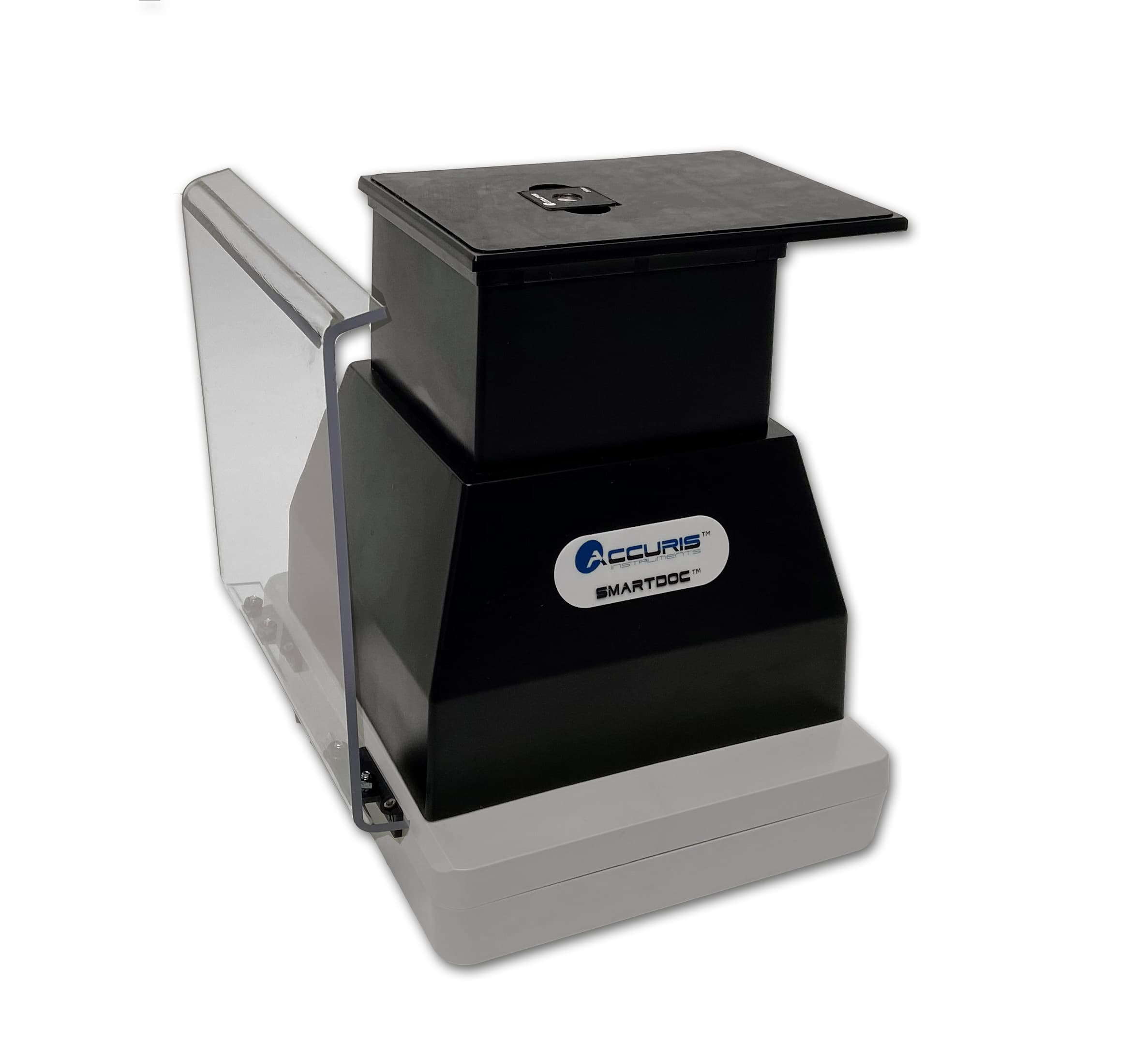
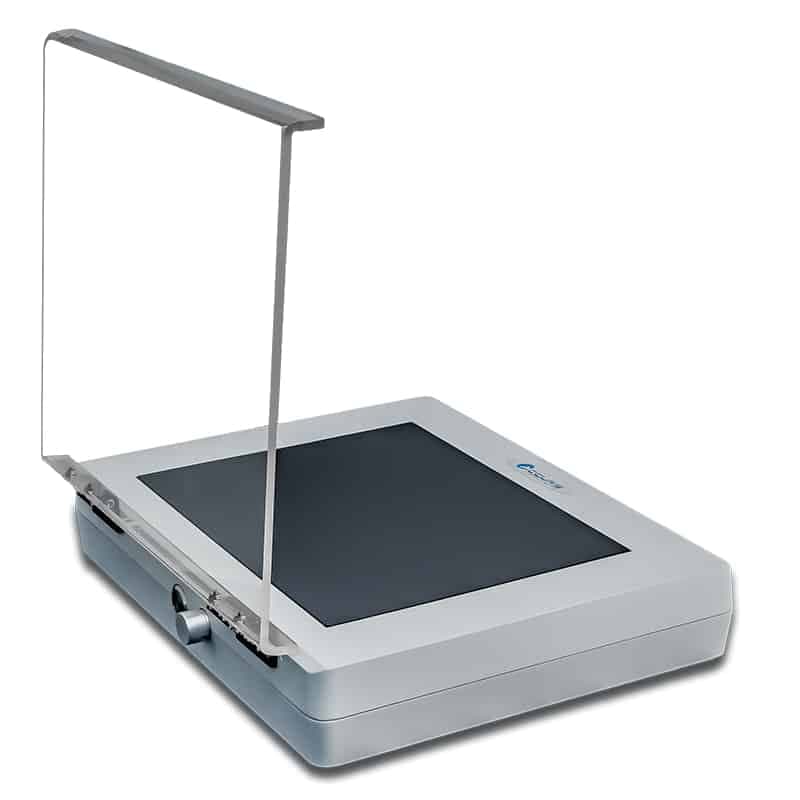

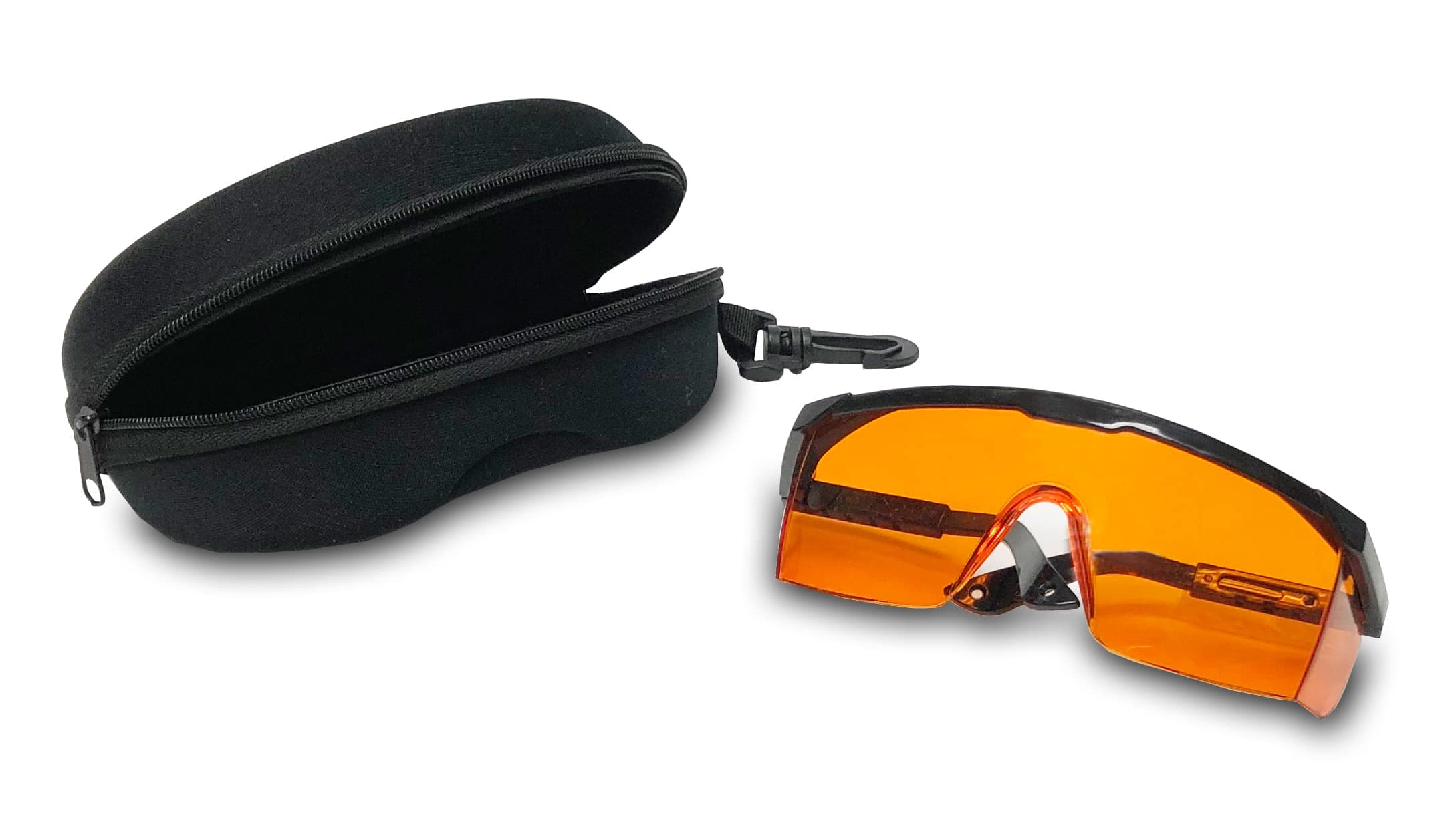
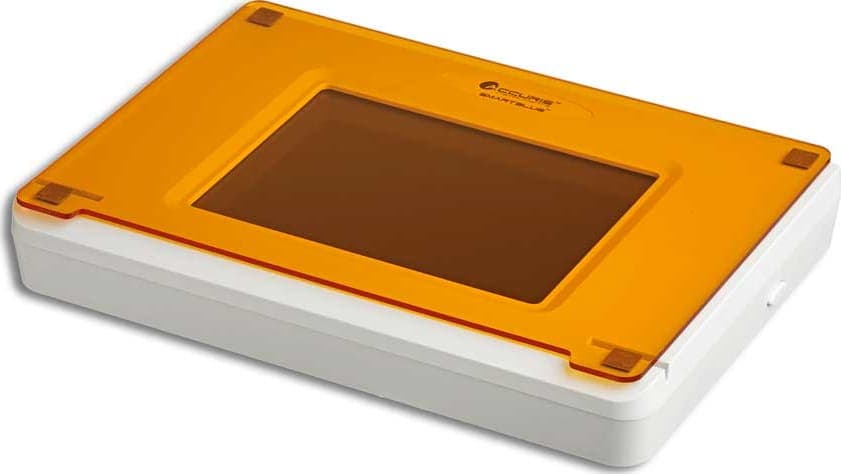
Showing 1 to 5 of 5 results
What Are UV Transilluminators?
A UV transilluminator is a device with a UV-emitting lamp (fluorescent tube or LED) beneath a UV-transparent filter glass or acrylic surface that allows ultraviolet light to pass upward through a gel or membrane placed on top, exciting fluorescent dye molecules intercalated into nucleic acids and causing them to emit visible fluorescence. The visible fluorescence forms the bright bands on a dark background seen when a stained DNA gel is placed on a UV transilluminator. Three UV wavelengths are used: 254 nm for maximum DNA cross-linking and nick analysis; 302 nm (medium-wave UV) for EtBr and SYBR stains with high sensitivity but significant DNA damage at exposures above 30 seconds; and 365 nm (long-wave UV) for the lowest DNA damage during gel cutting and for viewing EtBr at reduced band contrast. Blue-light transilluminators at 465-470 nm replace UV entirely for compatible dyes, eliminating UV-induced DNA damage and hazardous UV exposure. Choose the transilluminator wavelength based on the dye used and whether the DNA will be recovered from the gel for downstream cloning or sequencing - 302 nm for EtBr visualization only; 365 nm or blue-LED for band cutting.
What You Will Find:
-
UV Transilluminator Accessories: Essential protective gear and upgrade components designed to enhance your imaging workflow and user safety.
-
Reagents: Premium-grade stains and buffers formulated to provide high signal-to-noise ratios and optimized fluorescence for every run.
How to Choose a UV Transilluminator
Wavelength selection
254 nm UV is optimal for photocrosslinking DNA to nylon membranes (UV crosslinkers, 120 mJ/cm2 standard crosslinking dose) and for maximum excitation of some dyes, but causes severe DNA strand breaks. 302 nm is the standard wavelength for EtBr gel visualization, providing bright bands in 10-30 seconds; DNA damage begins immediately at this wavelength, so exposure should be minimized to under 30 seconds for any DNA intended for cloning. 365 nm gives lower EtBr fluorescence intensity but dramatically reduces DNA strand breaks, making it preferred when gel band cutting and subsequent cloning efficiency are important. Blue LED at 465-470 nm is the safest option for any downstream application and is used with SYBR Safe, GelGreen, and SafeView stains.
UV lamp type: tube vs. LED
Traditional UV transilluminators use fluorescent UV tubes (8-25 W), which require 1-2 minutes of warm-up time, have a lifespan of 2,000-5,000 hours before replacement, and emit heat that can warm the gel surface during extended exposure. LED-based UV transilluminators offer instant-on capability (no warm-up), 50,000+ hour LED lifespan, lower energy consumption, and no UV tube replacement cost. As of 2025, LED UV and blue-LED transilluminators are standard in new lab installations; fluorescent tube models remain common in established labs.
Viewing surface dimensions
The UV-transparent surface determines the maximum gel size that can be viewed in one placement. Standard viewing surfaces are 20 x 20 cm (400 cm2) for standard agarose gels. Compact transilluminators with 10 x 10 cm surfaces (100 cm2) suit mini gel systems. Large-format transilluminators with 30 x 30 cm (900 cm2) surfaces can accommodate multiple gels or wide-format gels simultaneously. Confirm that the viewing surface area is larger than your largest gel tray to avoid needing to reposition the gel during band visualization.
UV safety features
UV transilluminators emit radiation that causes photokeratitis (eye damage) and skin burns within seconds of unprotected exposure. Safety requirements include: UV-blocking face shields or goggles (polycarbonate blocks UV below 380 nm); UV-opaque lab coat or arm sleeves; a darkroom enclosure or hood to contain UV radiation during imaging; and an auto-shutoff timer to limit exposure time. Gel doc systems with enclosed hoods automatically contain UV radiation and are inherently safer than open-top transilluminators used with handheld cameras.
Compatibility with SafeView DNA stains
SafeView stains (Safe-Green, Safe-Red, Safe-White) from MBP are compatible with UV transilluminators at 302-365 nm as well as blue-LED sources. Safe-Green (excitation 490 nm, emission 525 nm) is best with blue-LED at 470 nm. Safe-Red (excitation 540 nm, emission 630 nm) requires a green LED or white light source. UV transilluminators will visualize Safe-Green at reduced efficiency compared to blue-LED; for best results with SafeView stains, a dual UV + blue-LED system is recommended.
Specifications Context
UV transilluminator output intensity is specified in milliwatts per square centimeter (mW/cm2) at the viewing surface; 5-25 mW/cm2 at 302 nm is typical for research-grade instruments. Higher intensity enables shorter exposure times to minimize DNA damage. UV tube replacement is required every 2,000-5,000 hours of use for fluorescent-tube models; performance degrades progressively as the tube ages. Replacement tubes for standard 8 W or 15 W UV transilluminators are available through laboratory supply channels. Blue-light transilluminators at 470 nm have been shown in published studies to cause no measurable reduction in cloning efficiency even after 30-minute exposure, compared to a 30-second UV exposure that reduces transformation efficiency by 40-50% when using EtBr-stained DNA. Blue-LED transilluminators are the default specification for new labs purchasing gel visualization equipment, driven by safety compliance requirements in many institutions and the growing adoption of non-mutagenic dyes, including SafeView, SYBR Safe, and GelGreen.
To discuss product availability or get selection guidance, contact the MBP team.
FAQ