Product Filters

Clinical Centrifuges for Serum, Plasma, and Diagnostic Sample Preparation


Clinical centrifuges spin 5–50 mL blood collection tubes at 300–6,000 RPM (typically 3,000–3,500 ×g) to separate serum or plasma for clinical chemistry, immunology, coagulation, and molecular diagnostics. Swing-out rotors produce the cleanest horizontal serum layer for aspiration; fixed-angle rotors deliver higher RCF per RPM for pelleting workflows. MBP is a registered vendor to Howard Hughes Medical Institute, MD Anderson Cancer Center, and Vanderbilt University.

Contact customerservice@mbpinc.net to compare clinical centrifuge models and request pricing or institutional quotes.

Clinical Centrifuge
Per Page:
Sort By:
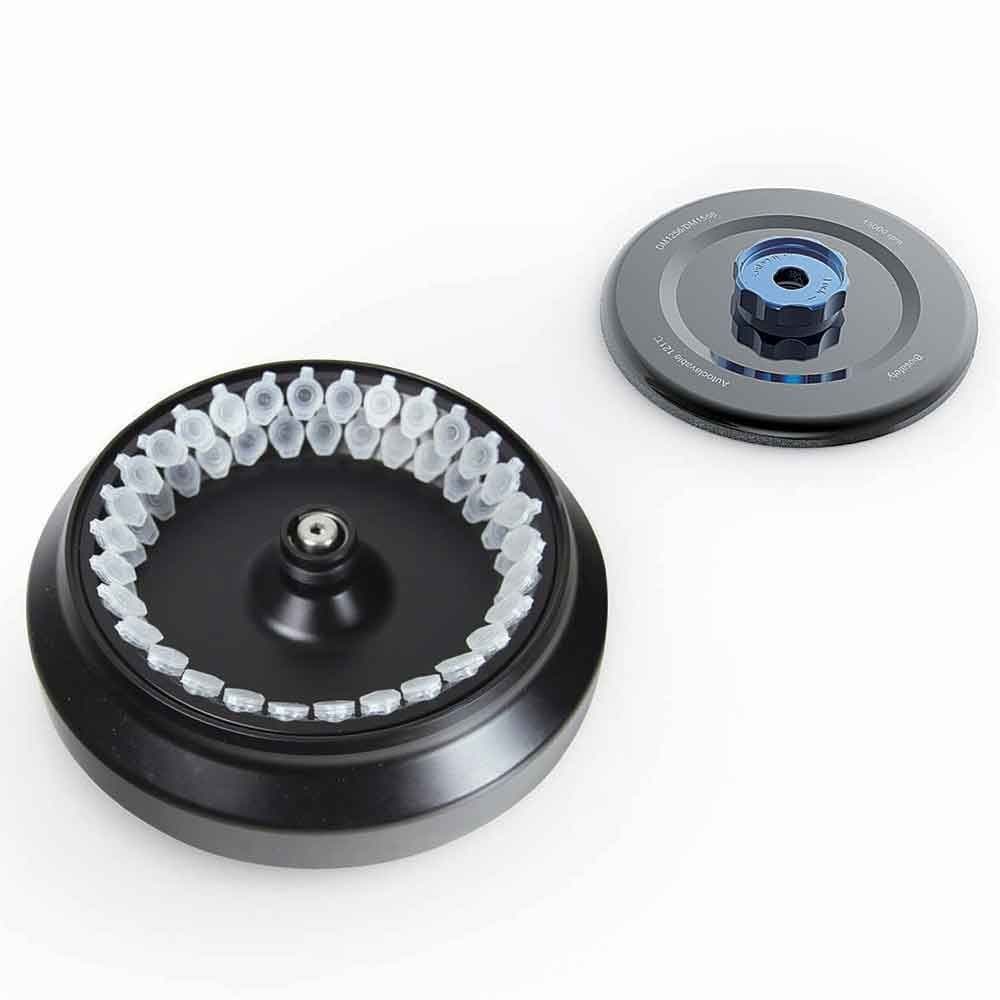
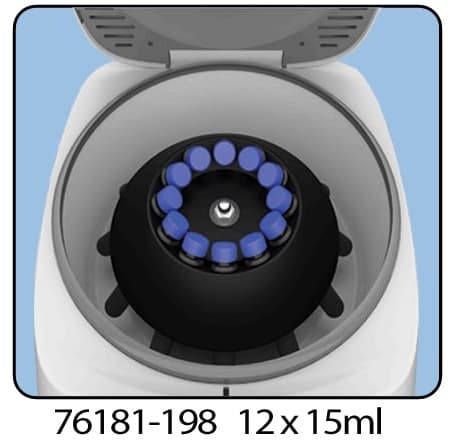
12 x 15ml fixed angle rotor for Sprint™ 6H Plus
List Price:
USD375.68
Online Price:
USD268.34
Your Price:
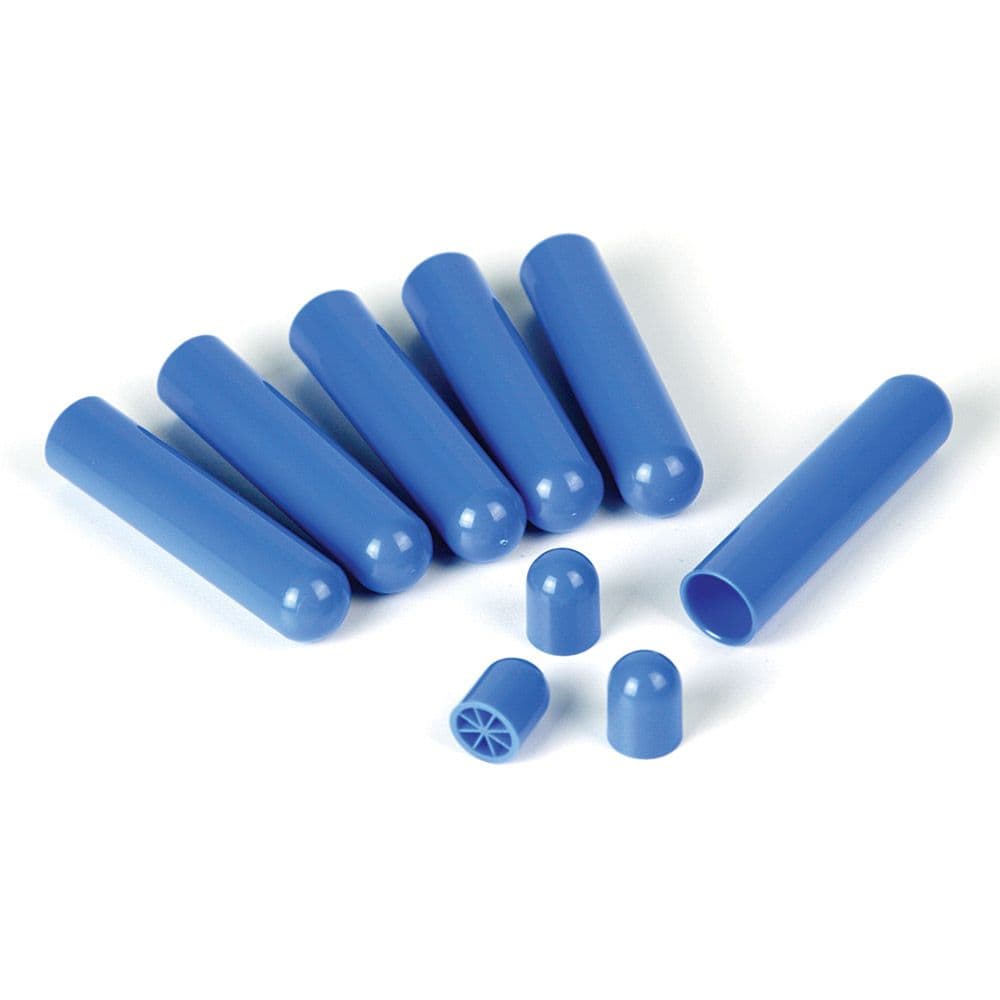
Accessories for GCC Series Clinical Centrifuges
List Price:
USD70.59 - USD356.17
Online Price:
USD50.42 - USD254.41
Your Price:
Accessories for GCC-MP Multi-Purpose Clinical Centrifuges
List Price:
USD66.51 - USD2,247.17
Online Price:
USD47.51 - USD1,605.12
Your Price:
Adapter pack for 1.5/2.0ml tubes in Z207-A rotors, 2/pk.
List Price:
USD240.42
Online Price:
USD171.73
Your Price:
Adapter pack for 5ml tubes in Z207-A rotors, 2/pk.
List Price:
USD240.42
Online Price:
USD171.73
Your Price:
Adapter pack for 7ml tubes in Z207-A rotors, 2/pk.
List Price:
USD240.42
Online Price:
USD171.73
Your Price:
Adapter pack for C5000-6H and C5000-8, for 5ml and 7ml (12-13mm) tubes, 8/pk.
List Price:
USD175.63
Online Price:
USD125.45
Your Price:
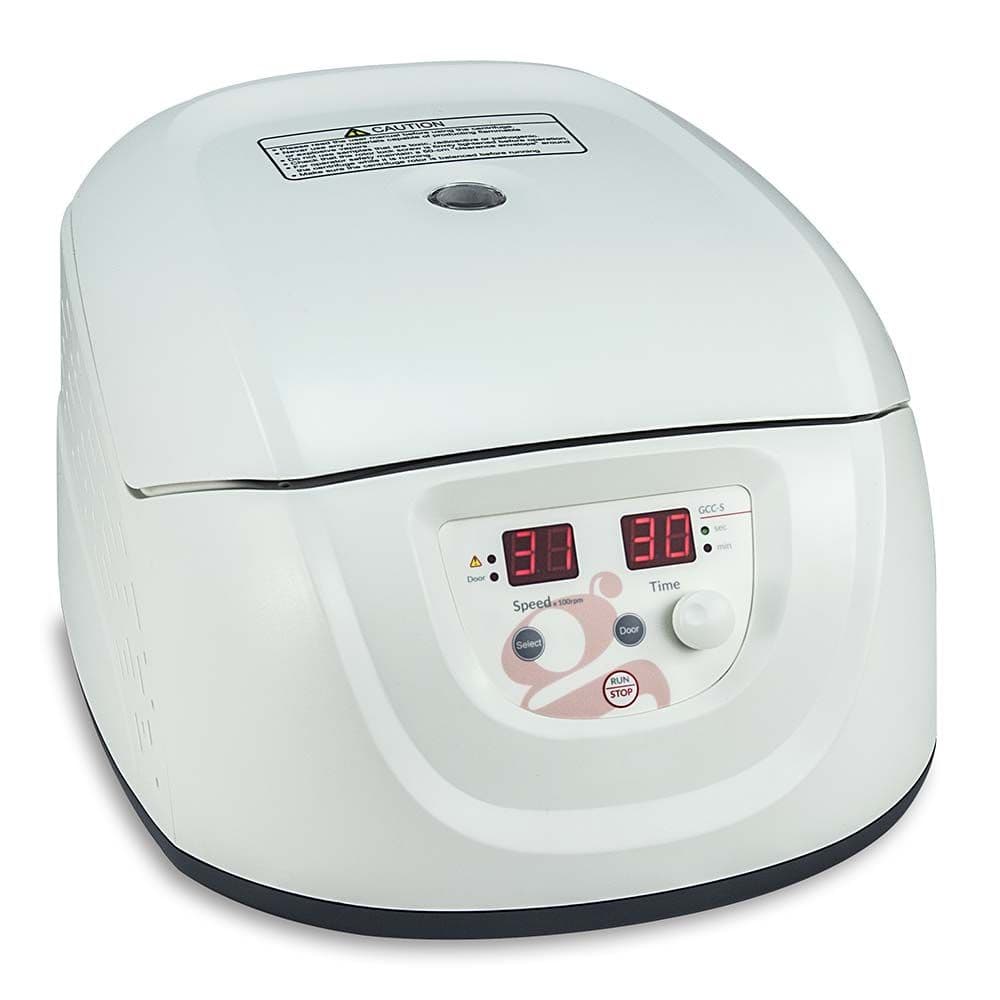
GCC Clinical Centrifuge Series
List Price:
USD921.82 - USD1,273.34
Online Price:
USD658.45 - USD909.53
Your Price:
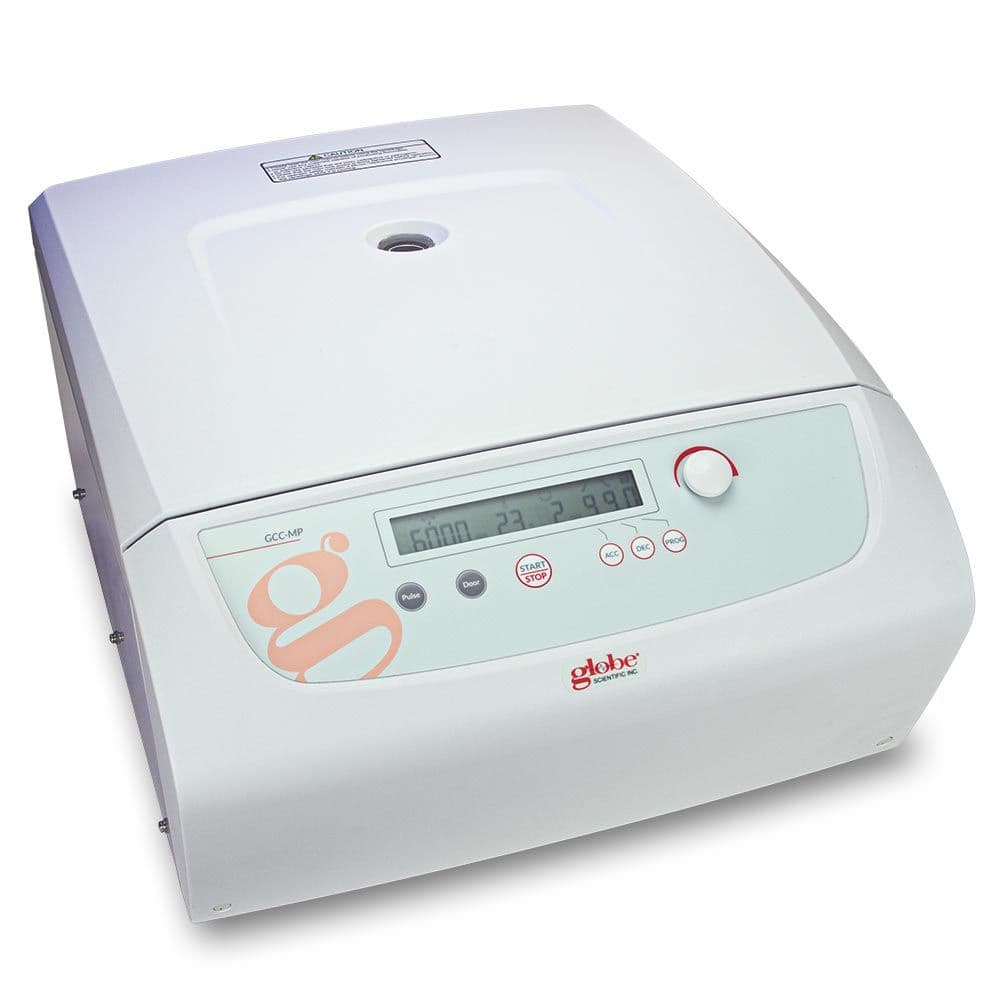
GCC-MP Multi-Purpose Clinical Centrifuge
List Price:
USD4,681.47 - USD4,681.47
Online Price:
USD3,343.91 - USD3,343.91
Your Price:
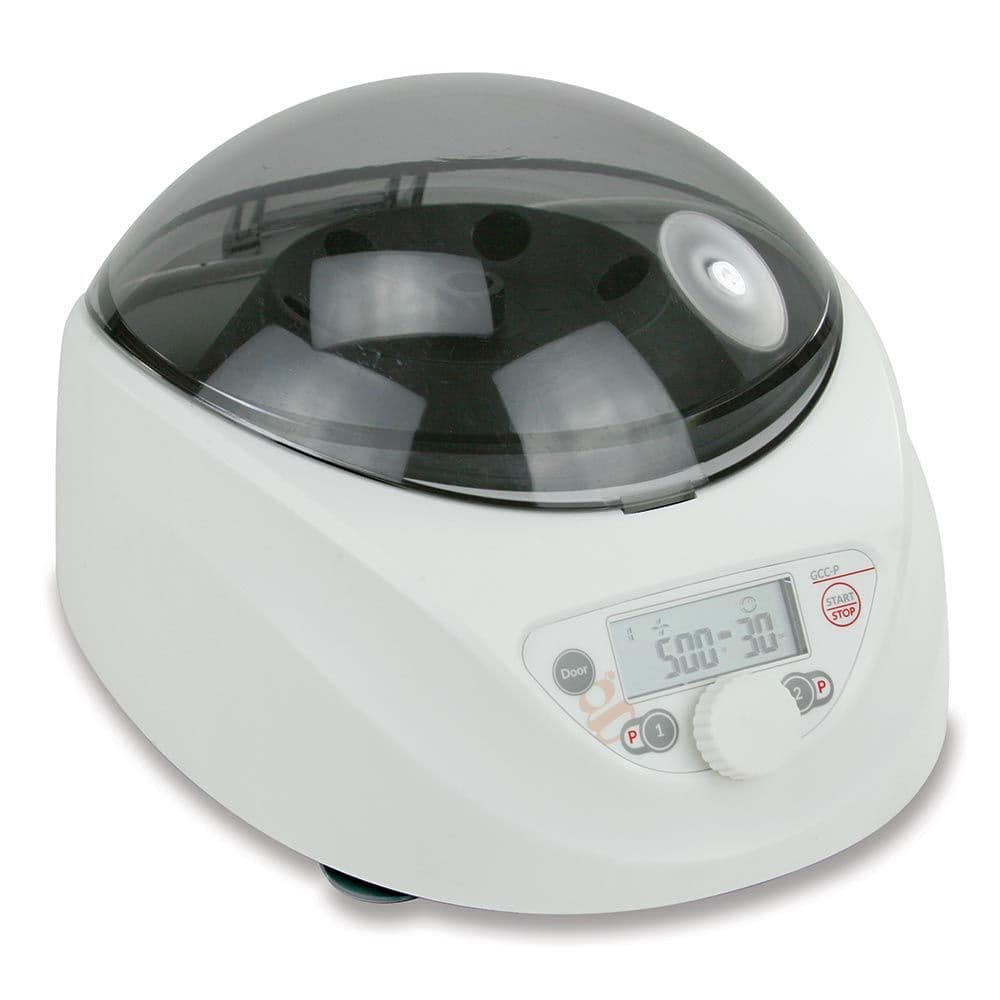
GCC-P Portable Clinical Centrifuge Series
List Price:
USD70.59 - USD740.01
Online Price:
USD50.42 - USD528.58
Your Price:
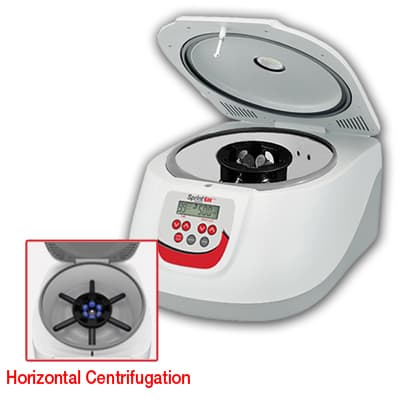
Sprint™ 6H Plus Clinical Centrifuge with 6 x 15ml swing out rotor
List Price:
USD2,525.01 - USD2,525.01
Online Price:
USD1,803.58 - USD1,803.58
Your Price:
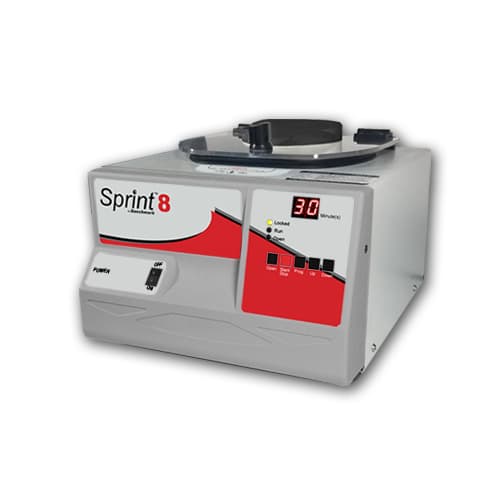
Sprint™ 8 Clinical Centrifuge with fixed angle rotor
List Price:
USD812.17 - USD932.53
Online Price:
USD580.12 - USD666.10
Your Price:

Showing 1 to 12 of 14 results

What Are Clinical Centrifuges?


Clinical centrifuges separate whole blood into diagnostic components—serum or plasma, red blood cells, white blood cells, and platelets—by spinning standard blood collection tubes (5–50 mL vacutainer formats) at 300–6,000 RPM (typically 3,000–3,500 ×g) for defined cycle times. They are the core specimen-processing instrument in clinical chemistry, hematology, immunology, coagulation, and molecular diagnostic laboratories. Standard serum separation runs at 3,000 ×g for 10 minutes after a 30-minute clotting period; plasma preparation from anticoagulated tubes runs at 2,000–3,000 ×g for 10–15 minutes. Clinical centrifuges used in CLIA-regulated labs must meet Clinical Laboratory Improvement Amendments performance requirements and be documented for routine calibration and maintenance.


What you will find:


  • Z207-A Clinical Centrifuge: Compact clinical centrifuge with an 8 x 15 mL rotor for routine sample processing

  • Sprint™ Clinical Centrifuge (6H): Reliable unit designed for consistent clinical lab applications

  • Sprint™ 8 Clinical Centrifuge: Fixed-angle rotor centrifuge for efficient sample separation

  • Sprint™ 6H Plus Clinical Centrifuge: Swing-out rotor centrifuge for improved sample handling

  • DLAB DM0412 Clinical Centrifuge: Complete system with rotor and adapter for versatile lab use


How to Choose a Clinical Centrifuge


Speed Range and Maximum RCF

Most routine clinical serum and plasma preparation requires 3,000–3,500 ×g. Clinical centrifuges with a maximum RCF of 3,500–6,000 ×g cover all standard blood tube protocols and allow headroom for gel separator tube requirements, which vary by manufacturer. Platelet-poor plasma preparation requires up to 10,000 ×g, making higher-speed models appropriate for coagulation laboratories.

Rotor Type: Swing-Out vs. Fixed-Angle

Swing-out rotors produce a horizontal sediment layer perpendicular to the tube wall, simplifying serum and plasma aspiration while reducing red blood cell carryover into the supernatant. Fixed-angle rotors pellet at higher RCF per RPM and are faster for pelleting applications, although the diagonal sediment interface is less convenient for aspiration. Swing-out rotors are commonly preferred for routine blood tube processing, while fixed-angle models are often selected for higher-throughput workflows.

Tube Capacity and Format

Clinical centrifuge rotors typically hold 6–24 blood collection tube positions per run. Confirm that the rotor accommodates your required tube dimensions, including 13 mm OD tubes for 5–7 mL samples and 16 mm OD tubes for 10 mL samples, and verify adapter availability for 15 mL and 50 mL conical tubes when needed.

Refrigerated vs. Room Temperature

Refrigerated models operating between 2–8°C are commonly used for coagulation factors, complement panels, cryoglobulin testing, and research specimens where analyte stability is temperature-sensitive. Room-temperature centrifuges are generally sufficient for routine chemistry and immunology workflows completed within standard processing times.

Programmable Acceleration and Deceleration

Adjustable acceleration and deceleration profiles help prevent gel barrier displacement in serum separator tubes and preserve platelet and buffy coat layers in specialized protocols. Manufacturers of gel separator tubes often specify both maximum RCF and acceleration limits, making programmable controls beneficial in high-throughput environments.

CLIA and CAP Compliance

Maintain documentation for centrifuge model numbers, serial numbers, rotor identification, and calibration verification schedules. Many laboratory quality programs include periodic speed verification using a calibrated tachometer, with records retained to support audit and accreditation requirements.


Specifications Context


Serum separation at 3,000 ×g for 10 minutes is a commonly referenced protocol for routine chemistry and immunology testing. Gel separator tube manufacturers, including BD Vacutainer, Greiner, and Sarstedt, publish recommended RCF ranges to support proper gel barrier migration and minimize sample rejection due to displacement. Laboratory protocols should follow the specific recommendations provided for each tube type.

RCF is calculated using the formula RCF = 1.118 × 10⁻⁵ × r × N2, where r is the rotor radius in millimeters and N is RPM. Rotor-specific calculations provide more accurate results than generic RPM conversion tables. Modern clinical centrifuges commonly feature brushless DC motors, offering quieter operation, reduced maintenance requirements, and extended service life, along with programmable acceleration and deceleration settings to support sensitive specimen processing.

Ready to upgrade your lab's performance? Contact with the expert team at Molecular Biology Products and find the best clinical centrifuge for your lab today. 

FAQ

A clinical centrifuge separates whole blood into its components—serum or plasma, red blood cells, white blood cells, and platelets—by spinning standard blood collection tubes (5–50 mL vacutainer formats) at 300–6,000 RPM (typically 3,000–3,500 ×g) for defined times. Separated serum and plasma are used for clinical chemistry, immunology, coagulation, and molecular diagnostic tests. Clinical centrifuges are also used for urine sediment preparation, cytology sample concentration, and general specimen processing in clinical and research laboratories.
Serum separation from clotted whole blood requires 3,000 ×g for 10 minutes after a 30-minute clotting period at room temperature. Plasma preparation from EDTA or citrate tubes requires 2,000–3,000 ×g for 10–15 minutes. Platelet-poor plasma for coagulation testing uses a two-step protocol: first spin at 2,500 ×g, then a second spin of the supernatant at 10,000 ×g. Always follow the blood collection tube manufacturer's RCF specification, particularly for gel separator tubes where gel displacement is RCF-sensitive.
Clinical centrifuges are designed for 5–50 mL blood collection tubes (vacutainers, conicals) at moderate speeds of 300–6,000 RPM and 3,000–3,500 ×g, using swing-out or fixed-angle rotors compatible with standard blood tube formats. Microcentrifuges spin 0.5–2.0 mL microtubes (Eppendorf, PCR strips) at up to 15,000–21,000 ×g in a fixed-angle rotor, suited to rapid molecular biology and biochemistry pelleting workflows. The two are not interchangeable—clinical centrifuge rotors do not accept microtubes without adapters.
Clinical centrifuges used in CLIA-regulated laboratory settings must meet the performance standards specified by the Clinical Laboratory Improvement Amendments (CLIA) for the test category performed. This includes adequate speed and time for validated separation protocols, routine maintenance and calibration documentation, and rotor safety certification. Labs subject to CAP (College of American Pathologists) inspection must document centrifuge calibration verification at defined intervals. Contact your laboratory accreditation body for the specific verification and documentation frequency required for your centrifuge and test menu.
Swing-out (swinging-bucket) rotors are generally preferred for routine serum and plasma preparation from standard blood collection tubes because the horizontal tube orientation during centrifugation creates a well-defined horizontal serum-cell interface, making aspiration of the serum layer cleaner and reducing RBC carryover. Fixed-angle rotors pellet RBCs at higher RCF per RPM and are faster for dense pellet applications; they work for serum separation but produce a diagonal sediment layer that requires more care during aspiration.
Clinical centrifuges accept standard blood collection tube formats: 13×75 mm (5 mL), 13×100 mm (7 mL), and 16×100 mm (10 mL) vacutainer tubes, plus 15 mL (17×120 mm) and 50 mL (28×115 mm) conical tubes with appropriate adapters. Confirm the rotor's tube hole dimensions and adapter availability against the tube formats used in your lab, particularly if you use non-standard tube diameters from specific blood collection manufacturers. Some rotors include adapters for 1.5 mL microtubes, enabling dual-use without a separate microcentrifuge.
A refrigerated clinical centrifuge (operating at 2–8°C) is required for processing coagulation factor panels, complement proteins, cryoglobulin specimens, temperature-sensitive enzyme assays, and research blood samples where metabolic activity or protein degradation during ambient-temperature centrifugation would compromise results. Standard room-temperature centrifuges are adequate for routine serum chemistry panels, urinalysis, and most clinical chemistry testing where 10-minute cycles at ambient temperature do not affect analyte stability.
Clinical centrifuge safety precautions include: always balance opposing rotor positions within 0.1–0.5 g to prevent vibration and rotor stress at high speed; use aerosol-tight rotor lids or sealed buckets for all infectious specimens; never open the centrifuge lid until the rotor has fully stopped; inspect rotors for visible cracks, pitting, or corrosion before each use and retire any compromised rotor immediately; and centrifuge all BSL-2 or higher infectious specimens in a Class II biosafety cabinet if using an open rotor or unsealed lids.
We provide the highest quality of products and anytime customer service.
Featured Categories
    online payment
    online payment
    fast delivery
    fast delivery
    technical support
    technical support
    24/7 support
    24/7 support
    copy right
    2026 All Right Reserved