Product Filters

Laboratory Aspirator Accessories: Replacement Filters, Collection Bottles, Tubing, and Handpieces


Laboratory aspirator accessories are the consumables and replacement components that maintain safe, effective vacuum aspiration: replacement hydrophobic in-line filters (replace when wet or biohazardous), 2-liter polycarbonate collection bottles with overflow valves, autoclavable silicone tubing, POM handpiece assemblies, and 200–300 µL tip adapters and fine stainless-steel capillary adapters. Never operate a laboratory aspirator with a wet in-line filter. MBP stocks aspirator accessories for labs across the United States and Canada.

Contact customerservice@mbpinc.net to confirm aspirator compatibility and request pricing or availability details.

Laboratory Aspirator Accessories

Per Page:
Sort By:
Extra tubing set, 1 meter
List Price:
USD70.75
Online Price:
USD50.54
Your Price:
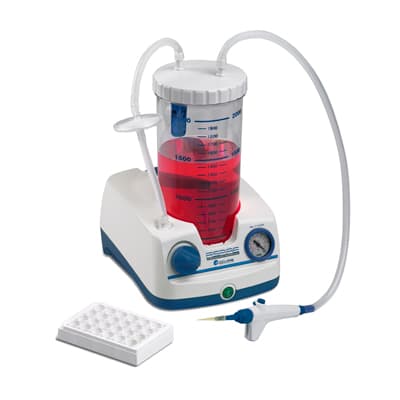
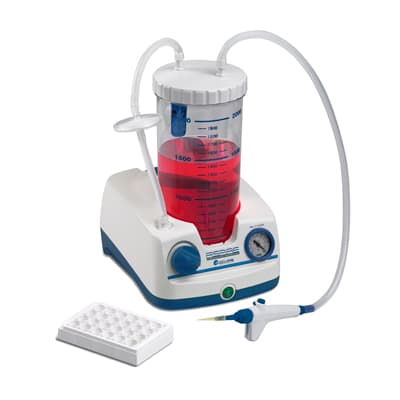
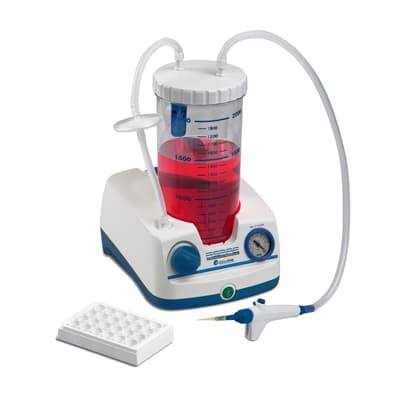
Graduated, PC collection bottle and lid (included)
List Price:
USD228.59
Online Price:
USD163.28
Your Price:
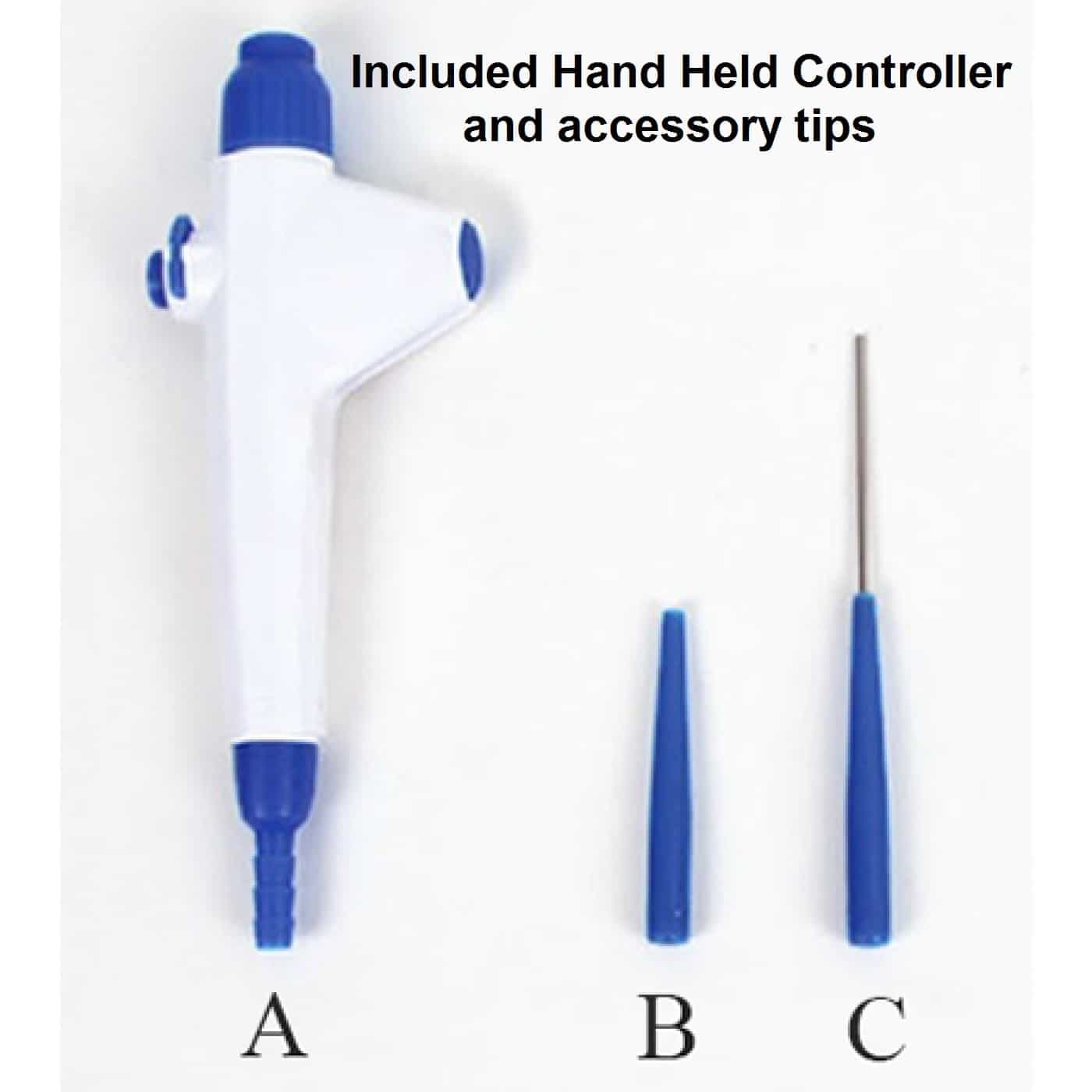
Handheld vacuum controller with single channel adapters
List Price:
USD426.22
Online Price:
USD304.44
Your Price:
Hydrophobic filter, pk/1 ( 1 each included)
List Price:
USD72.00
Online Price:
USD51.43
Your Price:
Option quick disconnect kit, includes 2 male/female attachments & silicone tubing
List Price:
USD210.57
Online Price:
USD150.41
Your Price:
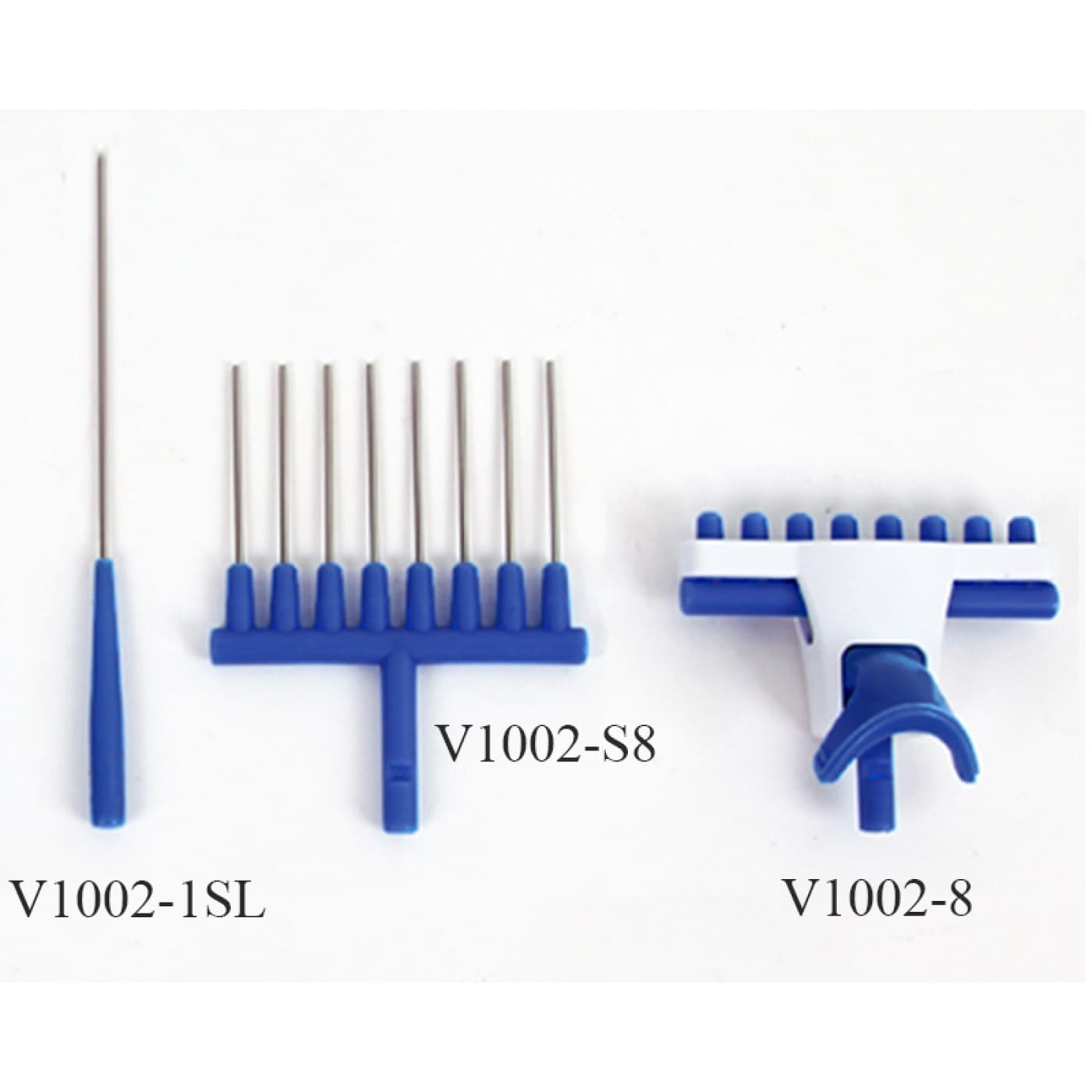
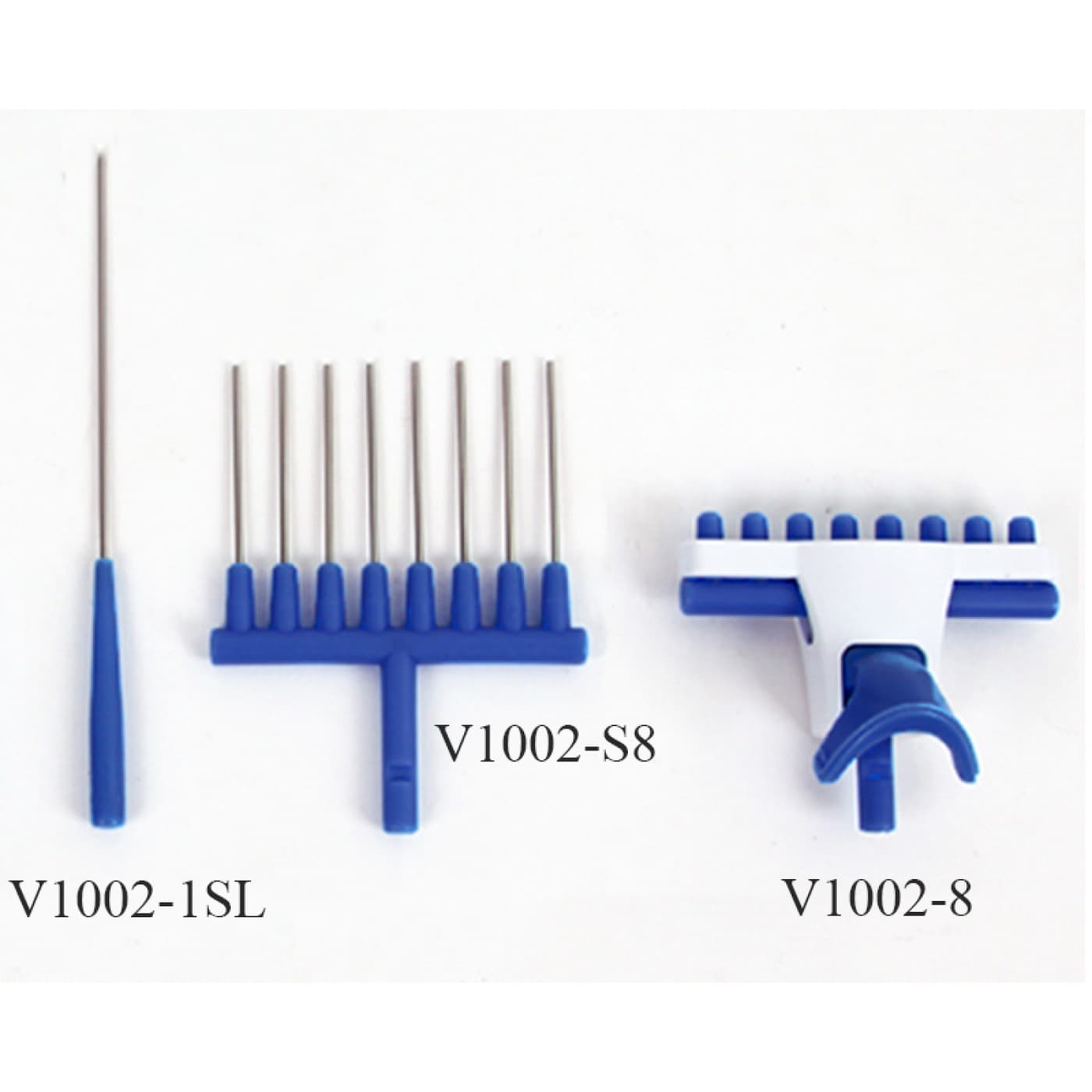
Optional eight channel adapter, fine tip stainless steel
List Price:
USD208.97
Online Price:
USD149.26
Your Price:
Optional eight channel adapter, for use with 200ul pipette tips
List Price:
USD342.95
Online Price:
USD244.97
Your Price:
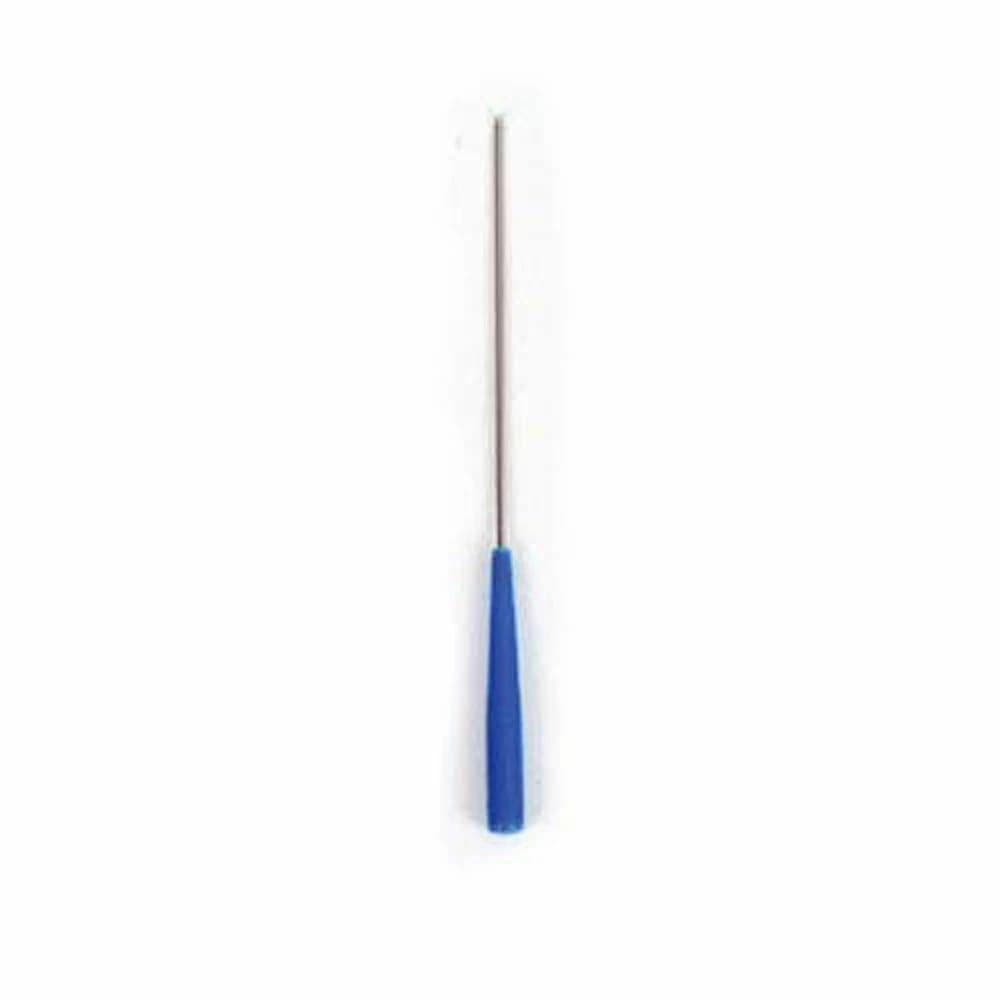
Optional single channel adapter, extra long (80mm) stainless steel
List Price:
USD77.11
Online Price:
USD55.08
Your Price:
Silicone O-ring for Aspire PC Collection Bottle
List Price:
USD70.75
Online Price:
USD50.54
Your Price:

Showing 1 to 9 of 9 results

What Are Laboratory Aspirator Accessories?


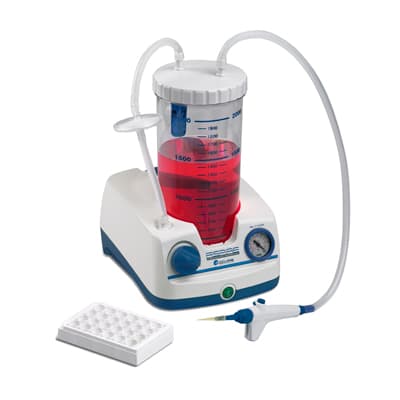
Laboratory aspirator accessories are the consumable and replacement components that keep a benchtop vacuum aspirator operating safely and efficiently. These include hydrophobic/antibacterial in-line filters, 2-liter polycarbonate collection bottles with overflow protection, silicone tubing, and handheld aspiration tools with adapters.

The in-line filter is the most critical safety component, acting as the primary barrier between biohazardous waste and the vacuum pump. Tubing and collection bottles are regularly replaced to maintain performance and prevent contamination or leaks during operation.


What you will find:


  • Hydrophobic filters: for controlling contamination and system protection
  • Single-channel adapters: for precise aspiration tasks
  • Multi-channel adapters: for higher performance output
  • Handheld vacuum controllers: for controlled liquid removal
  • Silicone tubing sets: for flexible connection of the system
  • Quick disconnect kits: for easy setup and maintenance
  • Collection bottles: with lids for safe liquid storage
  • Silicone O-rings: for secure sealing and preventing leaking


How to Choose Laboratory Aspirator Accessories
 

In-Line Filter Replacement

Replace the in-line filter immediately if it becomes wet, discolored, or saturated. A compromised filter can no longer block aerosols effectively and may allow contamination to reach the pump system. Always use OEM-compatible filters to ensure proper fit and hydrophobic performance.

Collection Bottle Condition

Inspect collection bottles regularly for cloudiness, cracks, or malfunctioning overflow valves. Replace bottles that show wear or damage to maintain safe waste containment. Avoid using solvents that may degrade polycarbonate material.

Tubing Integrity

Silicone tubing should remain flexible and free from kinks or permanent deformation. Replace tubing when it becomes stiff, damaged, or no longer forms secure connections. Autoclaving is typically supported, but repeated use may require periodic replacement.

Handpiece and Adapter Selection

Ensure handpieces and adapters match your application needs. Standard tip adapters are used for general aspiration, while fine stainless-steel capillary tips are required for microplate and precise liquid removal tasks.


Specifications Context


Modern laboratory aspirator systems use oil-free vacuum pumps with adjustable pressure ranges, hydrophobic in-line filters, and overflow-protected collection bottles to ensure safe and reliable liquid handling. These systems are widely used in cell culture, clinical workflows, and general laboratory applications.

Routine replacement of consumables such as filters, tubing, and bottles is essential for maintaining performance, preventing contamination, and extending instrument lifespan. Using manufacturer-approved accessories ensures compatibility and consistent operation.

Grab the best quality laboratory aspirator accessories today. Contact the expert team of Molecular Biology Products (MBP) now.

FAQ

Laboratory aspirator accessories are the consumable and replacement components needed to maintain safe, effective operation: replacement hydrophobic/antibacterial in-line filters (the primary consumable—replaced whenever wet or contaminated); replacement 2-liter polycarbonate collection bottles (replaced if cracked, cloudy, or overflow-valve-compromised); replacement silicone tubing (replaced if kinked, perished, or contaminated); and replacement or additional handpieces and adapter cones (POM construction, autoclavable at 121°C; available in the standard 200–300 µL tip adapter and fine stainless-steel capillary adapter formats).
The in-line hydrophobic/antibacterial filter should be replaced whenever it becomes visibly wet (darkened, discolored, or shows liquid wicking into the filter membrane), which can occur mid-session if a large volume of aerosol-generating sample is aspirated. In standard cell culture labs aspirating media and supernatants, the filter typically requires replacement every 1–4 weeks depending on use frequency. Replace immediately after any incident where liquid has reached the filter—a saturated hydrophobic filter no longer blocks aerosols and provides no protection to the vacuum pump.
Replace the polycarbonate collection bottle when: the overflow protection valve no longer closes the vacuum line when the bottle is tilted to simulate a full condition; the bottle shows visible cracks, crazing, or stress whitening; the graduated scale is unreadable due to discoloration from repeated chemical exposure; or the bottle lid seal no longer maintains vacuum. Polycarbonate collection bottles are resistant to most aqueous media and buffers but may craze or crack with prolonged exposure to organic solvents (acetone, alcohols at high concentration)—use ethanol spray at 70% or lower for routine decontamination.
Yes—the silicone tubing supplied with laboratory aspirators (Accuris Aspire, Benchmark V0020, and equivalent models) is autoclavable at 121°C for 20 minutes, allowing full decontamination of the fluid path between the handpiece and the collection bottle. Replace silicone tubing when it shows any sign of permanent deformation (kinking that does not recover), discoloration, or softening from chemical exposure. Silicone tubing replacement kits are available as a spare accessory; keep at least one replacement set on hand for continuous operation during decontamination cycles.
The standard laboratory aspirator handpiece (Accuris Aspire/Benchmark V0020 design) accepts universal 200–300 µL disposable pipette tips from any manufacturer that conforms to the standard 200 µL tip outer diameter (approximately 3 mm at the base). Standard yellow (200 µL) pipette tips from Globe Scientific, Sorenson, Nest, and other brands compatible with standard pipettors fit the handpiece adapter cone directly. Longer tips (300 µL extended-reach tips) also fit and are useful for aspiration from deep-well plates or narrow containers.
The fine-tip stainless-steel capillary adapter is a 40 mm stainless-steel tube accessory that replaces the standard 200–300 µL pipette tip adapter on the aspirator handpiece, providing a much narrower aspiration tip for precise aspiration in tight spaces: individual wells of a 96-well or 384-well plate, the meniscus region of small-diameter tubes, or locations where a standard pipette tip would risk contacting and detaching cell monolayers. The stainless-steel capillary can be disinfected with 70% ethanol between uses; it is not included in replacement tip sets and must be ordered separately as a handpiece accessory.
MBP (mbpinc.net) stocks laboratory aspirator accessories including replacement in-line hydrophobic/antibacterial filters, 2-liter polycarbonate collection bottles with overflow protection valves, replacement silicone tubing, and handpiece adapter kits for the Accuris Aspire/Benchmark V0020 and equivalent aspirator models. Provide your aspirator model name and the OEM replacement part number (e.g., Accuris replacement filter Cat. No. 885-10025, replacement collection bottle Cat. No. 975-10589, replacement silicone tubing Cat. No. 975-10592) when ordering. MBP is a registered vendor to Howard Hughes Medical Institute, MD Anderson Cancer Center, and Vanderbilt University and ships across the United States and Canada.
To decontaminate the laboratory aspirator collection bottle between biohazardous waste collection sessions: add a disinfectant (10% bleach or 70% ethanol) directly into the collection bottle at the start of each aspiration session so that aspirated biohazardous waste is immediately inactivated upon collection. At the end of the session, empty the bottle into the institutional biohazardous waste stream, rinse with water, spray the inner surface with 70% ethanol, and allow to air-dry with the cap removed before replacing the lid. Never autoclave the polycarbonate bottle unless the OEM documentation explicitly permits it—PC may crack under steam pressure at 121°C.
We provide the highest quality of products and anytime customer service.
Featured Categories
    online payment
    online payment
    fast delivery
    fast delivery
    technical support
    technical support
    24/7 support
    24/7 support
    copy right
    2026 All Right Reserved