Product Filters

PCR Workstations for ISO 5 Sample Protection and UV Decontamination


PCR workstations are compact HEPA-filtered or UV-equipped enclosures that create a clean, contamination-free zone for preparing polymerase chain reaction samples and reagents, preventing amplicon carryover that causes false-positive results. HEPA+UV combination models maintain ISO 5 (Class 100) air quality during active sample handling. MBP is a registered vendor to Howard Hughes Medical Institute, MD Anderson Cancer Center, and Vanderbilt University.

Contact customerservice@mbpinc.net to compare PCR workstation models and request pricing or availability information.

PCR Workstation
Per Page:
Sort By:
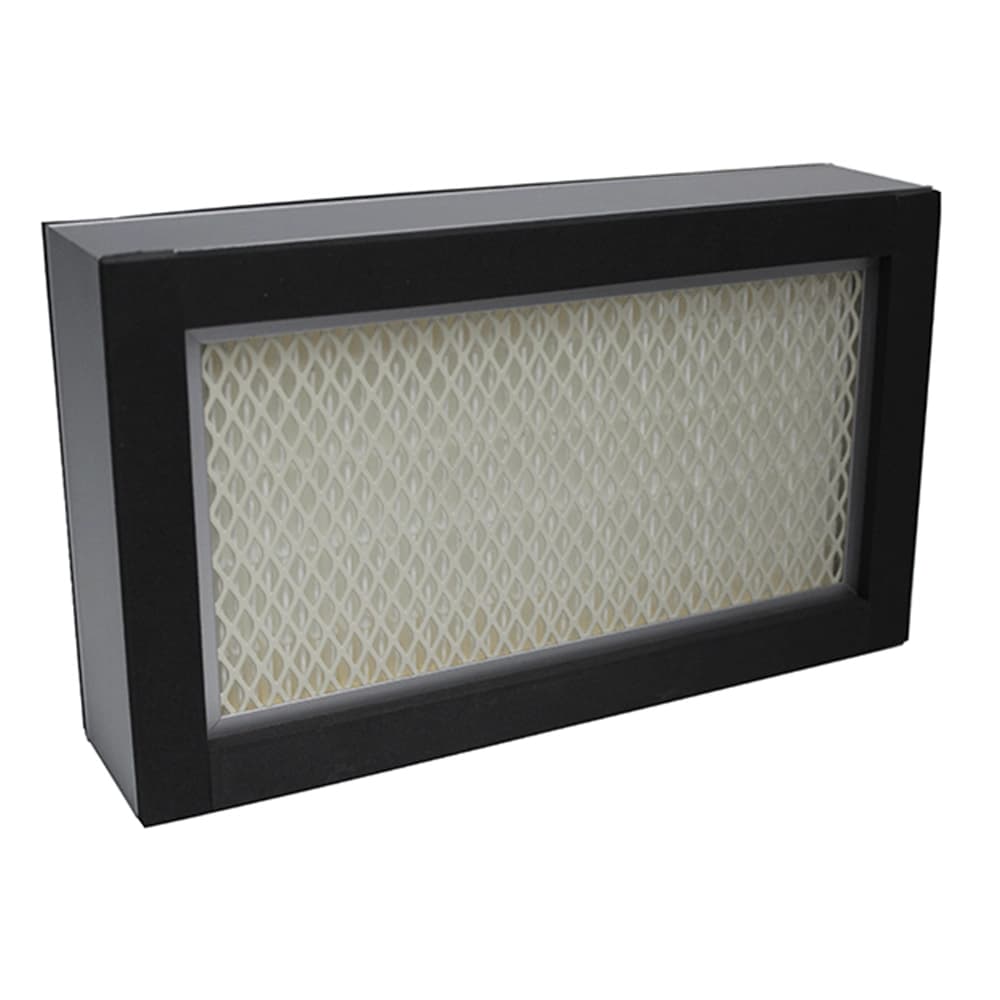
Benchmark SureAir Replacement Filter
List Price:
USD445.37
Online Price:
USD318.12
Your Price:
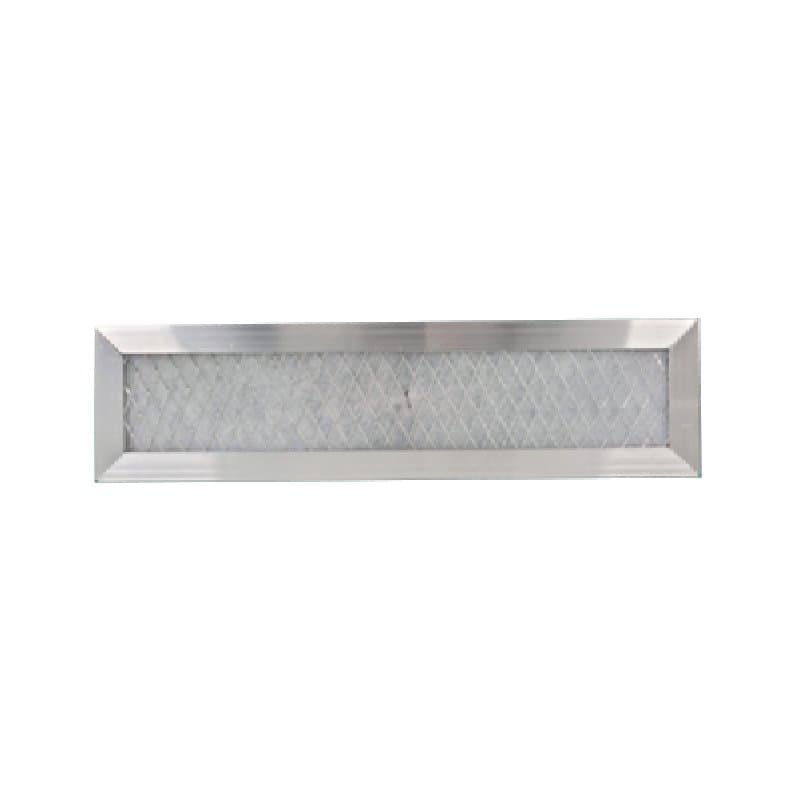
Benchmark SureAir Replacement Prefilter
List Price:
USD94.16
Online Price:
USD67.26
Your Price:
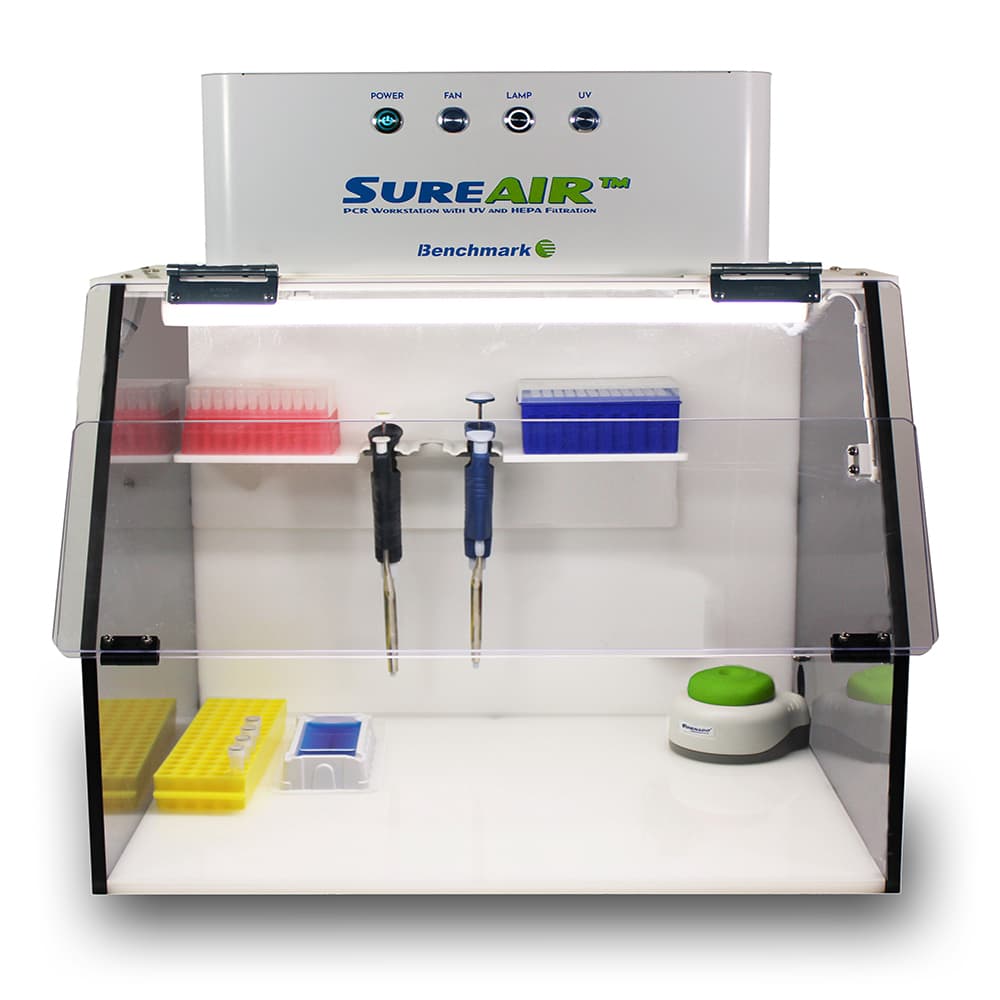
SureAir PCR Workstation
List Price:
USD3,296.76 - USD3,296.76
Online Price:
USD2,354.83 - USD2,354.83
Your Price:

Showing 1 to 3 of 3 results

What Are PCR Workstations?


PCR workstations are compact, three-sided bench-top enclosures designed to protect polymerase chain reaction (PCR) samples and reagents from airborne particles and surface contamination that cause false amplification results. Two technologies are used: UV-only models house a 254 nm UV-C lamp that decontaminates surfaces and tools between reactions; HEPA+UV combination models add vertical laminar airflow through a HEPA filter rated 99.97% at 0.3 µm, creating an ISO 5 (Class 100) environment during active sample handling. PCR is exquisitely sensitive to DNA carryover—a single amplicon molecule from a previous reaction can generate a false positive—making dedicated pre-amplification workspace a standard precaution in molecular diagnostics, forensics, and clinical laboratories.


What you will find:


  • SureAir PCR workstation: for enclosed, contamination-controlled workflows

  • Replacement prefilters: for maintaining clean airflow


PCR Workstation Accessories:

  • Replacement HEPA filters: for effective contamination control


How to Choose a PCR Workstation


UV-Only vs. HEPA+UV Combination

UV-only workstations (typically lower cost) decontaminate surfaces and instruments between runs but provide no active air protection during pipetting. HEPA+UV workstations maintain ISO 5 clean air throughout the work session, protecting open tubes and reaction mixes from settling particles. For shared labs, high-throughput clinical diagnostics, or any setting where reagents are left open during preparation, the HEPA+UV model offers measurably better protection.

Working Width (24 / 32 / 36 inch)

A 24-inch unit suits a single operator and a compact reagent setup. A 32- to 36-inch model accommodates two simultaneous reaction setups or a thermal cycler inside the work zone. Confirm the internal working depth (typically 400–500 mm) against the equipment being placed inside before ordering.

Filter Configuration

Combination HEPA workstations may include a three-stage filter module: carbon pre-filter (captures gases and reduces ozone), HEPA filter (removes particles ≥0.3 µm at 99.97% efficiency), and a recirculating UV stage. Three-stage systems extend HEPA filter life and reduce odor in labs handling sensitive reagent mixes.

Accessories and Consumable Cycle

Factor in the replacement UV lamp life (typically 8,000–9,000 hours) and HEPA filter replacement interval (12–24 months) when calculating total cost of ownership. Some models include a filter-status indicator or UVTect-style airflow monitor that alerts the operator when the HEPA or lamp requires replacement.

Biosafety Level Compatibility

PCR workstations protect samples only—they provide no personnel or environmental protection. For any work with infectious agents, a Class II biosafety cabinet certified to NSF/ANSI 49 is required instead of or in addition to a PCR workstation.


Specifications Context


ISO 5 (equivalent to US Federal Standard 209E Class 100) permits no more than 3,520 particles ≥0.3 µm per cubic meter of air—the standard targeted by HEPA+UV PCR workstations operating in normal laboratory conditions. UV-C lamp output at 254 nm degrades over time; replace lamps per the manufacturer's rated life (approximately 8,000 hours for standard UV lamps, longer for long-life UV options) to maintain documented decontamination efficacy. As of 2026, some PCR workstation models include digital 0–59 minute UV timers and lab event timers, and automatic UV shutoff when the front sash is opened, protecting operators from incidental UV-C exposure during sample access.

Contact the expert team at Molecular Biology Products Inc. (MBP) today to find the right PCR workstation for your lab.

FAQ

A PCR workstation is a compact, three-sided enclosure that creates a clean work zone for preparing PCR reactions by removing airborne particles and surface contaminants that cause false amplification results. HEPA-filtered models maintain ISO 5 (Class 100) air quality inside the work area; UV-only models use 254 nm irradiation to decontaminate surfaces between reactions. Using a PCR workstation before and after amplification reduces DNA carryover—the leading cause of false positives in molecular diagnostics.
A UV-only PCR workstation uses a built-in 254 nm lamp to decontaminate surfaces between uses but provides no active air filtration during sample handling. A HEPA+UV combination workstation adds vertical laminar airflow through a HEPA filter rated 99.97% at 0.3 µm, maintaining an ISO 5 clean-air environment during active pipetting—this prevents airborne contaminants from settling on open tubes and reaction mixes. For routine pre-PCR setup in shared labs, the HEPA+UV combination offers more complete protection.
PCR workstations are available in 24-inch, 32-inch, and 36-inch nominal widths. A 24-inch unit accommodates a single thermal cycler or one operator's reagent setup; 32- to 36-inch models suit multi-instrument setups or two simultaneous reaction preparation workflows. Most benchtop models are designed to mount on a standard laboratory bench without a floor stand.
A PCR workstation and a biosafety cabinet serve different purposes and are not interchangeable. A PCR workstation protects the sample from outside contamination but does not protect the operator from biological hazards. Work with infectious or select agents requires a biosafety cabinet. However, some compact UV-only PCR enclosures can be placed inside a BSC for workflows combining pathogen handling with nucleic acid amplification—confirm airflow compatibility with the BSC manufacturer first.
HEPA filters in PCR workstations typically require replacement every 12–24 months under normal use, depending on the volume of work performed and the particulate load in the lab environment. Some workstations include a filter-life indicator or airflow monitor that alerts the operator when filter resistance exceeds the rated threshold. Replacement UV lamps (254 nm) are rated for approximately 8,000–9,000 hours; check the manufacturer schedule for both consumables when purchasing.
Standard PCR workstation accessories include replacement HEPA filters, replacement 254 nm UV-C lamps, carbon pre-filters for models with three-stage filtration, arm rests for operator comfort during extended pipetting, side panels for improved enclosure integrity, and equipment stands or base carts for floor-level placement. Accessories are model-specific; confirm compatibility with your workstation model number before ordering from the PCR Workstation Accessories sub-category.
PCR workstations—whether UV-only or HEPA+UV—are product-protection enclosures, not containment devices. They protect the sample from contamination but do not protect the operator or environment from biological agents. For work involving infectious material, a Class II biosafety cabinet certified to NSF/ANSI 49 is required. PCR workstations are appropriate for pre-amplification setup with non-hazardous samples only.
PCR workstations and laminar flow hoods both use HEPA-filtered air to protect samples, but PCR workstations also incorporate UV-C decontamination and are specifically sized and designed for molecular biology reaction setup—not general aseptic work. Vertical laminar flow hoods used for PCR are functionally similar to HEPA+UV PCR workstations; the term 'PCR workstation' specifically signals the UV decontamination step and the application focus on nucleic acid preparation.
We provide the highest quality of products and anytime customer service.
Featured Categories
    online payment
    online payment
    fast delivery
    fast delivery
    technical support
    technical support
    24/7 support
    24/7 support
    copy right
    2026 All Right Reserved