Biosafety Cabinets for BSL-1 to BSL-3 Laboratory Work
Biosafety cabinets (BSCs) are ventilated enclosures certified to NSF/ANSI 49 that simultaneously protect laboratory personnel, work products, and the environment from biological aerosols during cell culture, pathogen handling, and molecular biology procedures. Class II Type A2 is the most widely used model for BSL-1 through BSL-3 work; Class II Type B2 is specified when chemical hazards are also present. MBP is a registered vendor to Howard Hughes Medical Institute, MD Anderson Cancer Center, and Vanderbilt University.
Contact customerservice@mbpinc.net to compare biosafety cabinet models and request institutional pricing or a quote.
Biosafety Cabinet
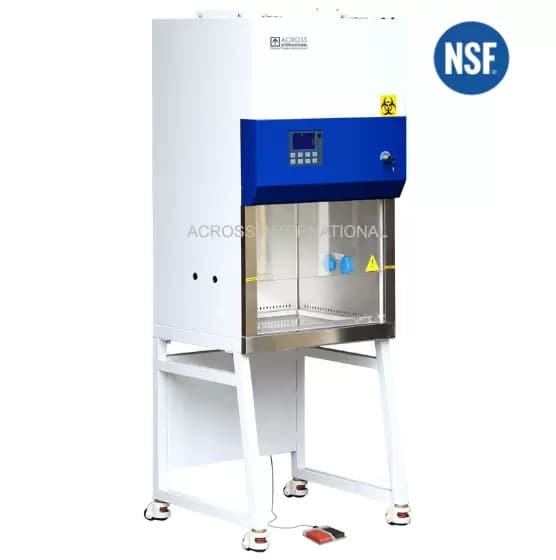
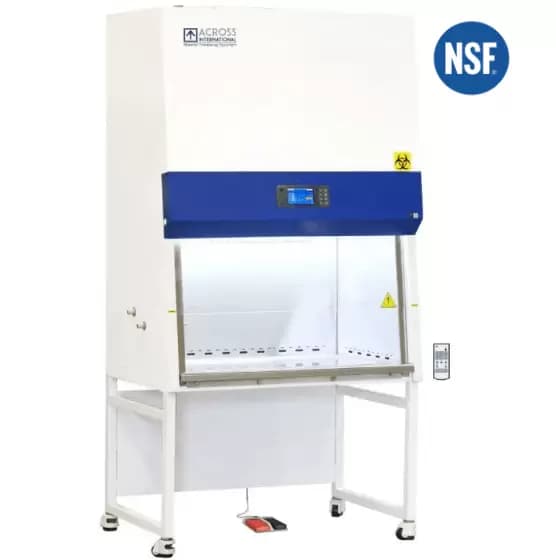
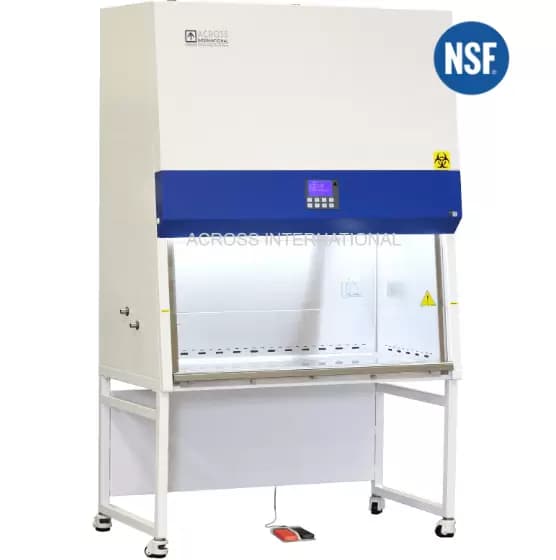
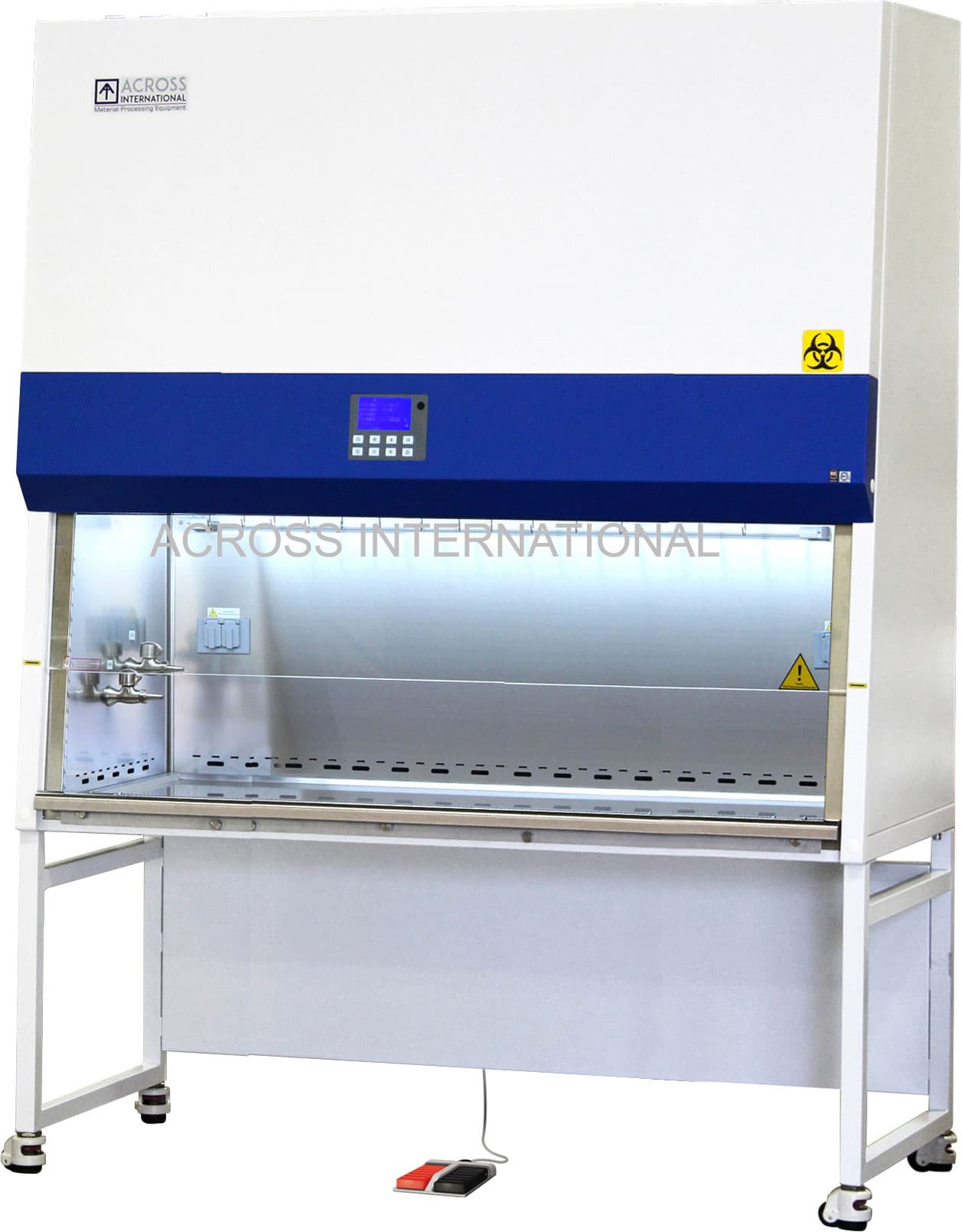
Showing 1 to 4 of 4 results
What Are Biosafety Cabinets?
Biosafety cabinets (BSCs) are ventilated enclosures designed to protect laboratory personnel, the product being handled, and the surrounding environment from biological aerosols generated during work with infectious agents, cell cultures, or recombinant DNA. Class II biosafety cabinets—the type found in most research, clinical, and pharmaceutical labs—use a combination of inward airflow and HEPA-filtered laminar downflow to create a sterile work zone while containing any generated aerosols. All Class II BSCs sold in the United States must be independently tested and certified to NSF/ANSI 49-2024, the governing standard for design, construction, performance, and field certification of biosafety cabinetry.
What you will find:
- NSF-certified Class II Type A2 biosafety cabinets with multiple options for height. Helps in flexible setups, routine use, and high-performance lab applications
- HEPA-filtered biosafety cabinets and Class II Type B2 for advanced contamination control and work with high risk.
How to Choose a Biosafety Cabinet
Cabinet Class and Type
Class I cabinets protect personnel and environment but not the product. Class II cabinets protect all three—personnel, product, and environment—and account for approximately 80% of the global BSC market. Within Class II, Type A2 (70% recirculation, 30% exhaust) is the most versatile for BSL-1 through BSL-3 work; Type B2 (100% exhaust) is required when chemical hazards are present alongside biological materials.
Work Surface Width (3 ft / 4 ft / 6 ft)
A 4-foot (1.2 m) cabinet provides roughly 580 × 470 mm of usable work surface and suits most single-researcher applications. Multi-user core lab settings or workflows that place instruments inside the cabinet—incubators, centrifuges, aspiration manifolds—typically require a 6-foot (1.8 m) model.
Airflow Configuration and Building Exhaust
Type A2 and A1 cabinets can operate without building exhaust connection (thimble canopy connection is optional). Type B1 and B2 cabinets require a dedicated, hard-ducted exhaust system engineered for the specific cabinet's exhaust volume and static pressure. Confirm exhaust infrastructure before ordering a B-type cabinet.
Energy Efficiency and Noise
Modern cabinets with brushless DC ECM motors consume up to 68% less energy than legacy AC-motor models and produce lower noise levels, an important consideration for labs with extended daily use. LED lighting replaces fluorescent in most current-generation BSCs, further reducing heat load inside the cabinet.
Annual Certification Requirement
Budget for annual NSF/ANSI 49 field certification by an accredited certifier at time of purchase. Certification verifies inflow velocity (≥100 ft/min for Type A2), downflow velocity, HEPA filter integrity, UV lamp output, and alarm systems. Institutional biosafety committees and accreditation bodies treat a lapsed certification as equivalent to an uncertified cabinet.
Specifications Context
NSF/ANSI 49-2024 requires a minimum inflow velocity of 100 ft/min (0.51 m/s) for Type A2 cabinets at the front access opening, and downflow velocities specified per cabinet width. HEPA filter efficiency is ≥99.97% at 0.3 µm (MPPS); ULPA filters achieve 99.9995% at 0.12 µm. Cabinet certifiers must test 13 physical parameters per NSF/ANSI 49 Section 6 and Normative Annex N-1, including microbiological challenge tests using aerosolized Bacillus subtilis var. niger spores. As of 2026, IoT-connected cabinets with real-time airflow monitoring and remote alarm notification are available from several manufacturers. HEPA filter life is typically 3–5 years under normal use conditions.
The search for a reliable biosafety cabinet is over. Contact now with the expert team at Molecular Biology Products Inc. (MBP) to find the right solution for your lab.
FAQ