Product Filters

Disposable Polystyrene Weighing Dishes for Laboratory Use


Laboratory weighing dishes are flat-bottomed, flexible antistatic polystyrene containers used to hold solid and liquid samples on a balance pan during mass measurement, then bent to form a pour spout for sample transfer. Available in square, hexagonal, and pour-boat shapes at capacities from 10 mL to 350 mL, rated from −10°C to +80°C. Globe Scientific antistatic PS weighing dishes are ISO 9001:2015 certified, biologically inert, and available in white and black for visual contrast during sample recovery. MBP ships to research, analytical, and clinical labs across the US, Canada, and internationally and is a registered vendor for Howard Hughes Medical Institute, Vanderbilt University, and MD Anderson Cancer Center.

Need help selecting the right laboratory weighing dishes for your workflow? — Contact our team at customerservice@mbpinc.net for product recommendations, bulk pricing, and purchasing assistance.

Weighing Dishes
Per Page:
Sort By:

What Are Laboratory Weighing Dishes?


Laboratory weighing dishes (also called weigh boats or pour boats) are shallow, flat-bottomed, flexible disposable containers molded from a special grade of antistatic polystyrene (PS), rated from −10°C to +80°C, used to hold solid or liquid samples on an analytical or top-loading balance pan during mass measurement. After weighing, the flexible PS walls are bent to form a pour spout for transferring the sample into a flask, beaker, or tube with minimal loss. Globe Scientific antistatic PS weighing dishes are ISO 9001:2015 certified, contaminant-free, biologically inert, and resistant to dilute acids, aqueous solutions, alcohols, and bases, available in square, hexagonal, and pour-boat styles at capacities from 10 mL to 350 mL. Weighing dishes are single-use disposables: washing removes the antistatic treatment. Choose black dishes for light-colored samples and white dishes for dark or colored samples.


What you will find:


  • Plastic weighing dishes (20 mL to 100 mL+) for routine lab use

  • Antistatic weighing boats for handling fine powders

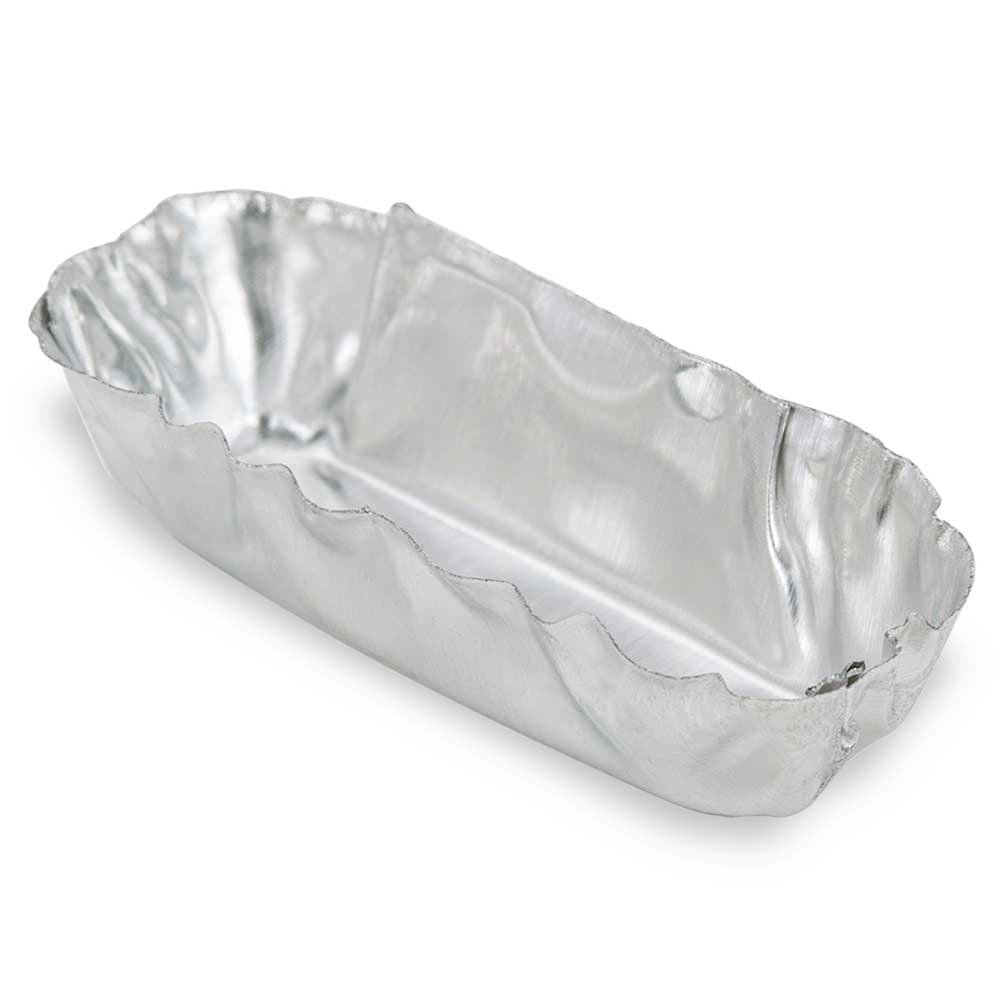
  • Aluminum weighing dishes for heating and moisture analysis

  • Square and hexagonal dishes for easy pouring

  • Pour-spout weighing boats for controlled transfer

  • Micro weighing dishes for low-volume samples


How to Choose Laboratory Weighing Dishes


Shape

Square dishes with smooth sloping sides and recessed rounded corners provide clean pour-outs with minimal retained sample—the standard choice for most powder and liquid weighing. Hexagonal dishes have a six-sided profile that resists sliding on balance pans and provides a positive grip point during transfer; the molded perimeter adds stability for larger sample masses. Pour-boat dishes have a molded spout for precise dispensing of liquid or gel-like samples into vessels after weighing.


Capacity

Use 10–20 mL square dishes for micro-scale weighing under 2 g (reagents, standards, APIs) on analytical balances with 0.1 mg readability. Use 50–100 mL for preparative weighing of 2–20 g on top-loading analytical balances. Use 200–350 mL for large-sample or bulk-powder weighing requiring a wide base to fit the balance pan.


Color

White dishes are the default for most applications. Black dishes in 10 mL square format improve visibility of white, cream, or fluorescent powders—confirming that all sample material has been transferred before recording the net weight. Both colors resist the same chemical exposure and have identical material specifications.


Temperature Range

Antistatic PS is rated to +80°C, covering all ambient and moderate-warm sample conditions. For moisture determination at 105°C (oven drying) or incineration applications, aluminum weighing dishes are the correct format—polystyrene will deform above 80°C.


Compare Weighing Dish Formats


Square weighing dishes (10–350 mL) are the standard option for routine powder and liquid weighing due to their stable flat base and easy pour-out design. Hexagonal weighing dishes (20–350 mL) are preferred when extra stability on the balance pan is needed, especially for larger or heavier samples. Pour boat dishes (20–100 mL) are designed for controlled dispensing of liquids or viscous materials with reduced spillage. Aluminum weighing dishes (20–100 mL) are used for high-temperature applications such as moisture analysis and can withstand up to 300°C, unlike polystyrene variants which are limited to 80°C.


Specifications Context


Globe Scientific antistatic polystyrene weighing dishes are manufactured from a specialized PS formulation that provides controlled antistatic behavior, distinguishing them from standard polystyrene labware. Larger formats typically use a wall thickness of approximately 12 mil (≈0.3 mm) to maintain structural rigidity on balance pans during weighing. As of 2026, 20 mL and 100 mL square weighing dishes are the most commonly stocked formats in pharmaceutical QC and academic analytical chemistry laboratories due to their versatility across micro and preparative weighing workflows. In addition to weighing applications, these dishes are also commonly used as temporary trays for snap-freezing small samples on dry ice during preparation steps. Explore funnels and the weighing dishes & funnels category for complementary consumables.

Connect with the MBP team today to explore our full range of dimensions and material specifications, and find the perfect weighing dish for your laboratory’s daily demands.

FAQ

Laboratory weighing dishes (also called weigh boats or pour boats) are shallow, flat-bottomed disposable containers molded from a special antistatic grade of polystyrene (PS), rated from −10°C to +80°C. They are contaminant-free, biologically inert, and resistant to dilute acids, aqueous solutions, alcohols, and bases. Globe Scientific weighing dishes are ISO 9001:2015 certified and available in square, hexagonal, and pour-boat shapes with capacities from 10 mL to 350 mL for bench-scale analytical and preparative weighing.
Three shapes are standard: square dishes have straight sides and recessed rounded corners with a smooth base optimized for clean pour-outs with minimal sample loss; hexagonal dishes have a molded six-sided profile with a flat bottom and sloping walls that prevent tipping on balance pans and make the dish easier to grip during transfer; pour boats have a molded spout on one corner for controlled dispensing of liquids or powders into narrow-neck vessels. Globe Scientific offers all three shapes in multiple capacities from 10 mL to 350 mL.
Match the dish capacity to the sample mass and the balance pan size. The 10–20 mL square dish suits micro-scale weighing of small reagent quantities (under 2 g) on semi-micro or analytical balances. The 50–100 mL dish handles most routine preparative weighing (2–20 g) on top-loading analytical balances. The 200–350 mL dish accommodates larger samples and bulk powder transfers. Choose black dishes when weighing light-colored materials; white dishes when weighing dark or colored materials to improve visual recovery confirmation.
Antistatic polystyrene weighing dishes are treated with a surface dissipative additive during manufacture that prevents static charge accumulation when handling powders and granules. Washing with detergents or organic solvents strips this antistatic coating, causing subsequent uses to exhibit static build-up—leading to powder adhesion to dish walls and balance pan edges, measurable sample loss, and weighing error. For any application where antistatic performance is necessary, use a fresh dish from an unopened pack each time.
Globe Scientific antistatic polystyrene weighing dishes can be used as quick-freeze trays for sample material placed on dry ice or a pre-chilled metal surface. The polystyrene material withstands temperatures down to −10°C without becoming brittle under brief contact with dry ice (−78.5°C), though extended dry-ice immersion is not recommended. This makes the dishes suitable for snap-freezing small solid-sample volumes during specimen processing workflows where a dedicated freeze-mold is not available.
Globe Scientific antistatic polystyrene weighing dishes are rated from −10°C to +80°C. This covers standard refrigerator (+4°C), ambient room temperature, and warm-room (+37°C) conditions, as well as brief contact with moderately warm samples up to 80°C. Temperatures above 80°C will soften or deform polystyrene dishes. For applications requiring heat above 80°C—such as gravimetric moisture determination at 105°C—use aluminum weighing dishes instead.
MBP carries Globe Scientific antistatic polystyrene weighing dishes in square, hexagonal, and pour-boat formats, in case quantities of 500 dishes per case for standard sizes. White and black color options are available in the 10 mL square format. Globe Scientific is ISO 9001:2015 certified. MBP ships to research, analytical, and clinical labs in the US, Canada, and internationally and is a registered vendor for Howard Hughes Medical Institute, Vanderbilt University, and MD Anderson Cancer Center.
Weighing dishes are made from flexible antistatic polystyrene designed to bend and form a pour spout for transferring samples, with no lid. They are used on analytical balance pans for mass measurement before sample transfer into a reaction vessel. Petri dishes are rigid, lidded, flat-bottomed culture vessels made from optically clear polystyrene or borosilicate glass, used to culture microorganisms on agar-based growth media. The two are not interchangeable: using a petri dish as a weighing vessel introduces static issues, and a weighing dish cannot serve as a sterile culture vessel.
We provide the highest quality of products and anytime customer service.
LinkedIn
Featured Categories
online payment
online payment
fast delivery
fast delivery
technical support
technical support
24/7 support
24/7 support
copy right
2026 All Right Reserved