Large Format Laboratory Bottles for Bulk Reagent and Media Storage
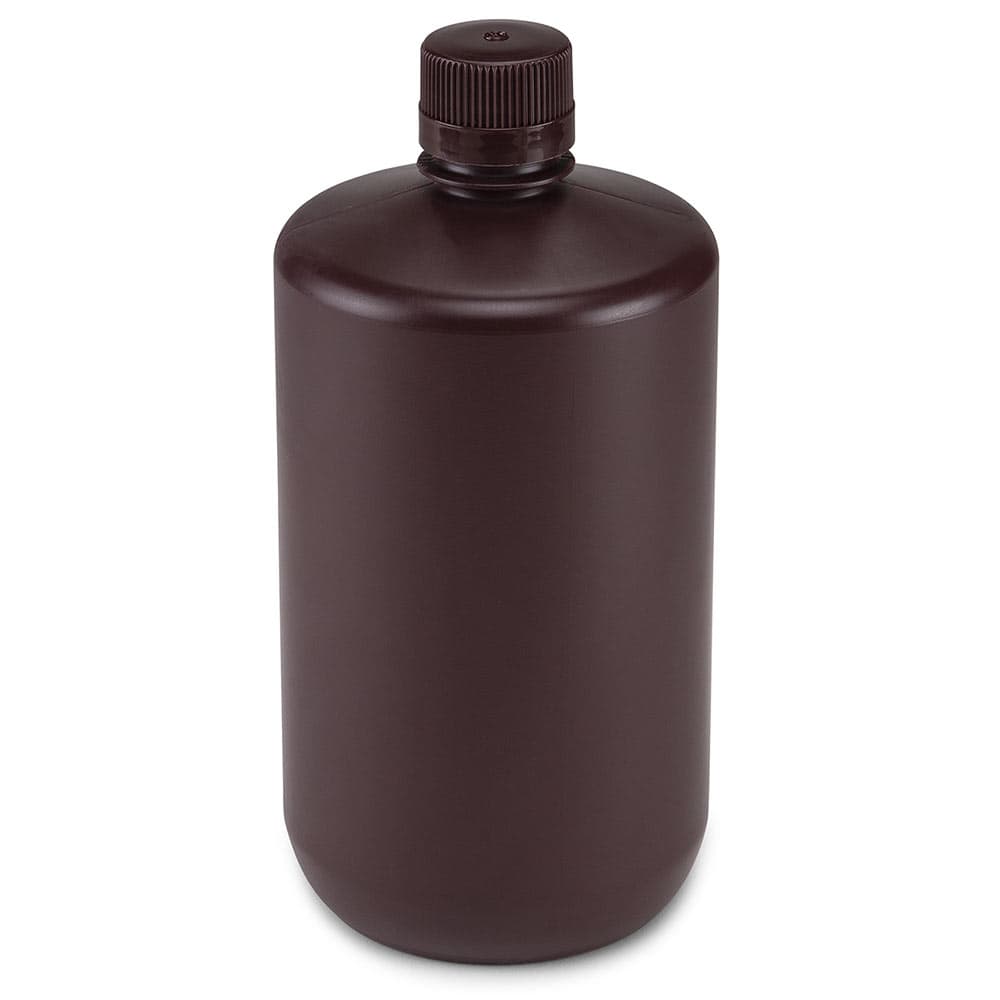
Large format laboratory bottles are plastic containers from 2 L to 20 L used for bulk preparation and storage of culture media, buffers, chemical reagents, and waste streams. Polypropylene variants are autoclavable at 121 °C; HDPE suits chemical-resistant and UV-protected storage; PETG provides clarity with –40 °C capability. MBP supplies labs across the United States, Canada, and internationally, with PO and Quick Order procurement at mbpinc.net.
Planning a bulk laboratory purchase? Contact customerservice@mbpinc.net for pricing, availability, and assistance selecting the right large-format bottles for your application.
Large Format Bottles

Showing 1 to 5 of 5 results
What Are Large Format Laboratory Bottles?
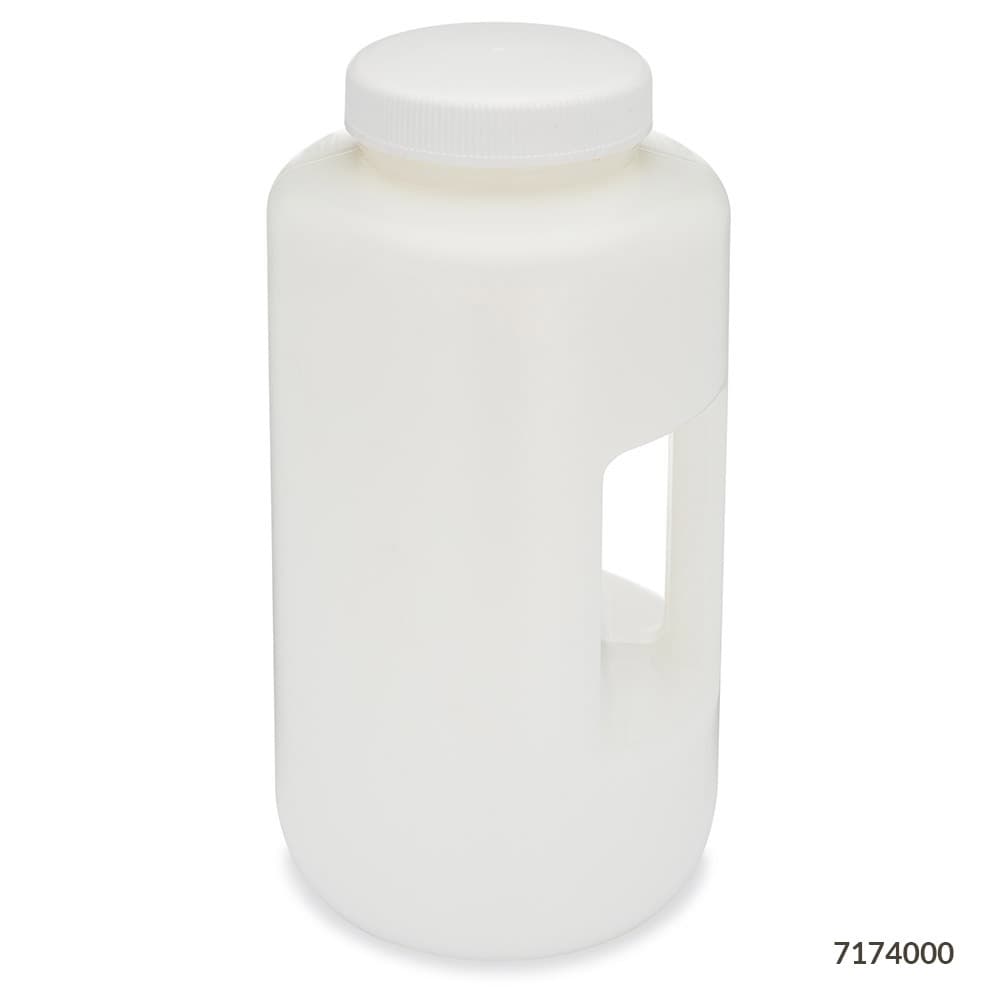
Large format laboratory bottles are high-capacity storage containers designed for the preparation, storage, transport, and dispensing of culture media, biological buffers, reagents, chemical solutions, and laboratory waste streams. Typically ranging from 2 L to 20 L, these bottles are used when standard media bottles no longer provide sufficient capacity for laboratory workflows. Volumes between 2 L and 4 L are commonly available as large media bottles, while capacities above 4 L are often categorized as carboys. Large format bottles are manufactured from polypropylene (PP), HDPE, and PETG to accommodate different sterilization requirements, chemical compatibility needs, and storage conditions.
What you will find:
-
Large format bottles (2 L to 5 L) for routine bulk storage
-
Extra-large bottles (5 L to 8 L+) for high-volume workflows
-
Wide-mouth bottles for easy filling and cleaning
-
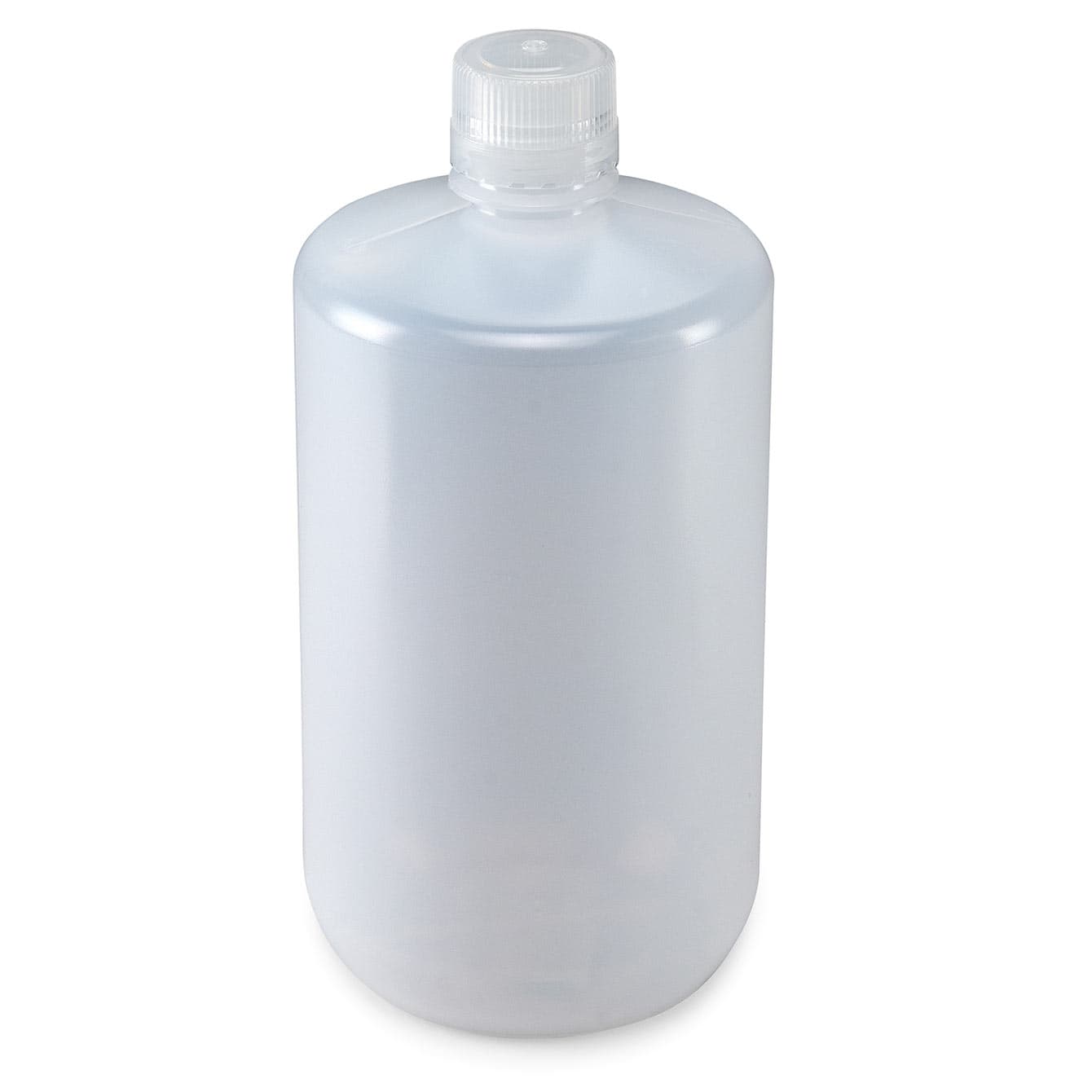
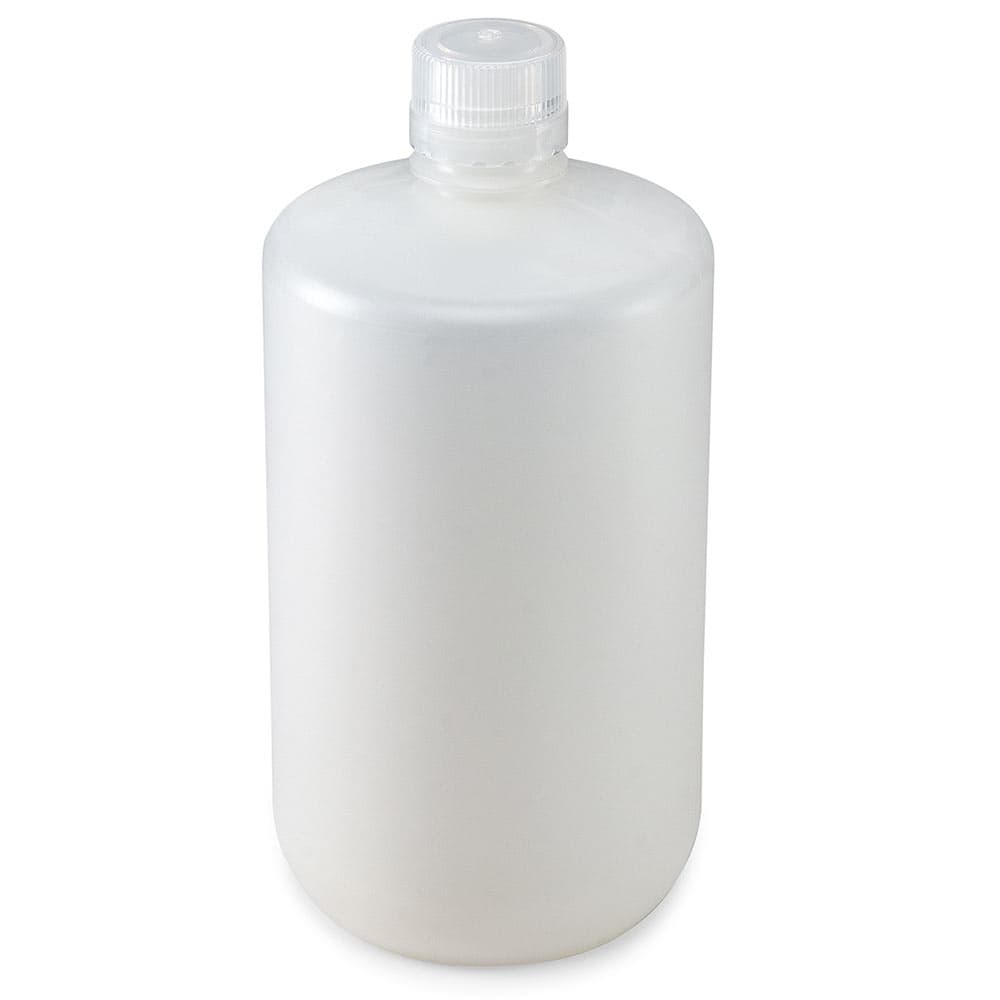
Narrow-mouth bottles for controlled pouring
-
HDPE large bottles for strong chemical resistance
-
Polypropylene bottles for autoclave-compatible use
How to Choose Large Format Laboratory Bottles
Material and Sterilization Requirements
Polypropylene (PP) large format bottles are the preferred choice when autoclave sterilization is required. They can withstand repeated sterilization cycles at 121°C and are widely used for sterile media and buffer preparation. HDPE bottles offer excellent chemical resistance and are commonly selected for reagent storage, waste collection, and applications involving corrosive chemicals. PETG bottles provide exceptional transparency and are suitable for applications where visual monitoring of liquid levels is important, although they cannot be autoclaved.
Neck Size and Closure Compatibility
Large format bottles are available with several closure styles depending on capacity and intended use. Bottles in the 2–4 L range commonly utilize GL45 threaded closures that are compatible with many filtration and dispensing accessories. Larger bottles may feature wider neck openings that simplify filling, cleaning, and powder transfer operations. When using filtration systems or replacement caps, confirm thread compatibility before purchase.
Handle Design and Ergonomics
As bottle size increases, handling becomes a more important consideration. Integrated handles and ergonomic grip designs improve safety when transporting or pouring large volumes of liquid. Bottles intended for frequent dispensing often include drip-resistant pouring features, while larger storage systems may be paired with dispensing taps or valves to eliminate the need for lifting.
Graduation Markings
Most large format bottles include molded graduations that allow approximate volume measurement during filling and dispensing. Graduation intervals become larger as bottle size increases, making them suitable for general volume estimation rather than precise measurement. For applications requiring accurate volumetric preparation, a calibrated measuring device should still be used.
Single-Use and Reusable Formats
Reusable polypropylene and HDPE bottles are commonly used in research and quality-control laboratories where cleaning and sterilization procedures are routine. Single-use assemblies with integrated tubing ports and vent filters are frequently used in biotechnology and biopharmaceutical environments to reduce contamination risk and eliminate cleaning validation requirements.
Specifications Context
Large format laboratory bottles are typically manufactured from laboratory-grade resins under controlled quality systems and may meet standards such as USP Class VI and ISO 9001 certification requirements. Polypropylene bottles can generally tolerate both freezer storage and repeated autoclave sterilization, making them one of the most versatile options for laboratory use. As of 2026, autoclavable polypropylene large format bottles with wide-mouth closures remain the most commonly specified format for preparation and storage of media and buffer volumes greater than 2 L in research, pharmaceutical, biotechnology, and industrial laboratories.
When your lab starts thinking in liters instead of milliliters, these bottles become part of the backbone of daily work. Connect with the MBP Team today to find the perfect large format bottle for your laboratory’s bulk demands.
FAQ