Test Tubes — Borosilicate Glass and Plastic Culture Tubes for Laboratory Use
Laboratory test tubes are cylindrical glass or plastic vessels used for culture, chemistry, serology, flow cytometry, and general sample processing. Borosilicate glass 3.3 tubes (rimless and rimmed, 10×75 to 18×150 mm) are reusable, autoclavable to 121 °C, and thermally shock-resistant. Polystyrene 12×75 mm round-bottom disposable tubes are the flow cytometry standard. Polypropylene capped tubes are autoclavable with chemical resistance for microbial and anaerobic culture.
MBP supplies Globe Scientific and NEST Scientific test tube lines in all common sizes with bulk PO ordering for labs across the USA, Canada, and worldwide. Request a quote today by contacting customerservice@mbpinc.net
Test Tubes
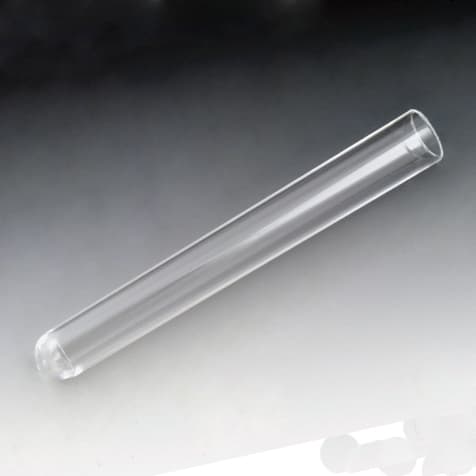
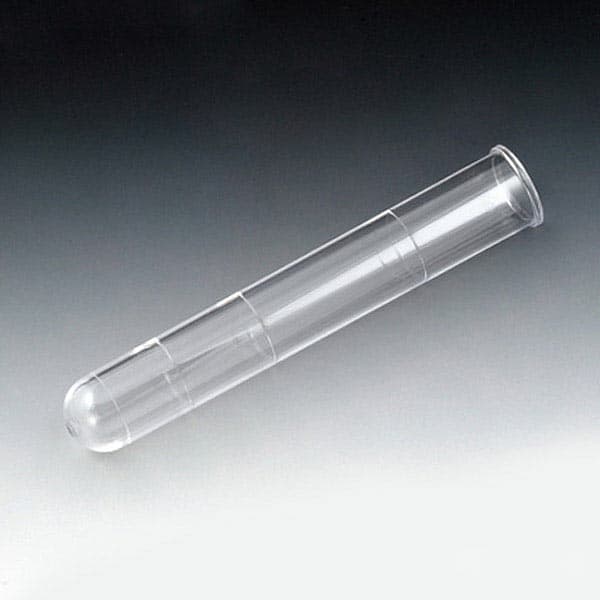
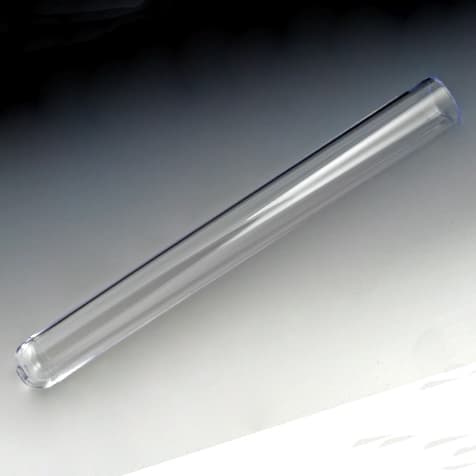
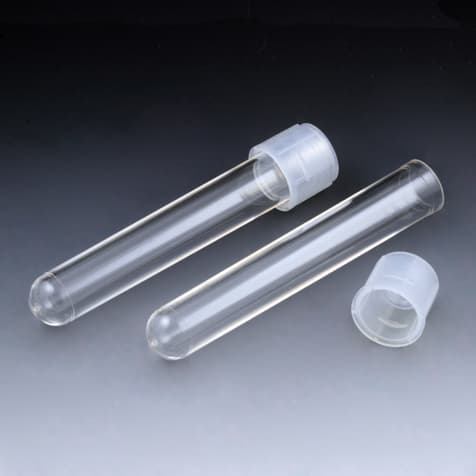
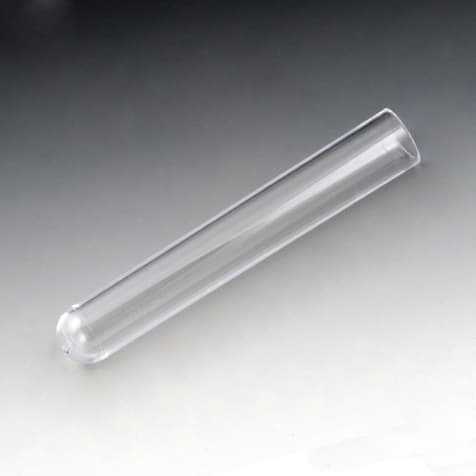
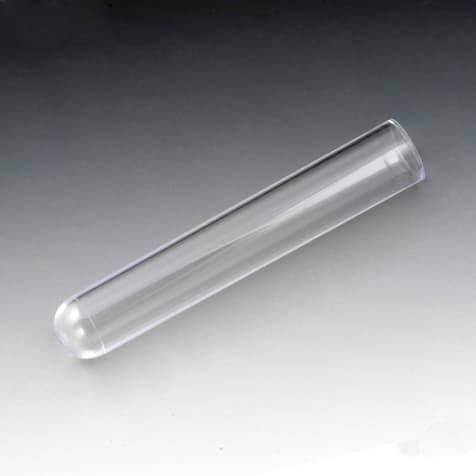


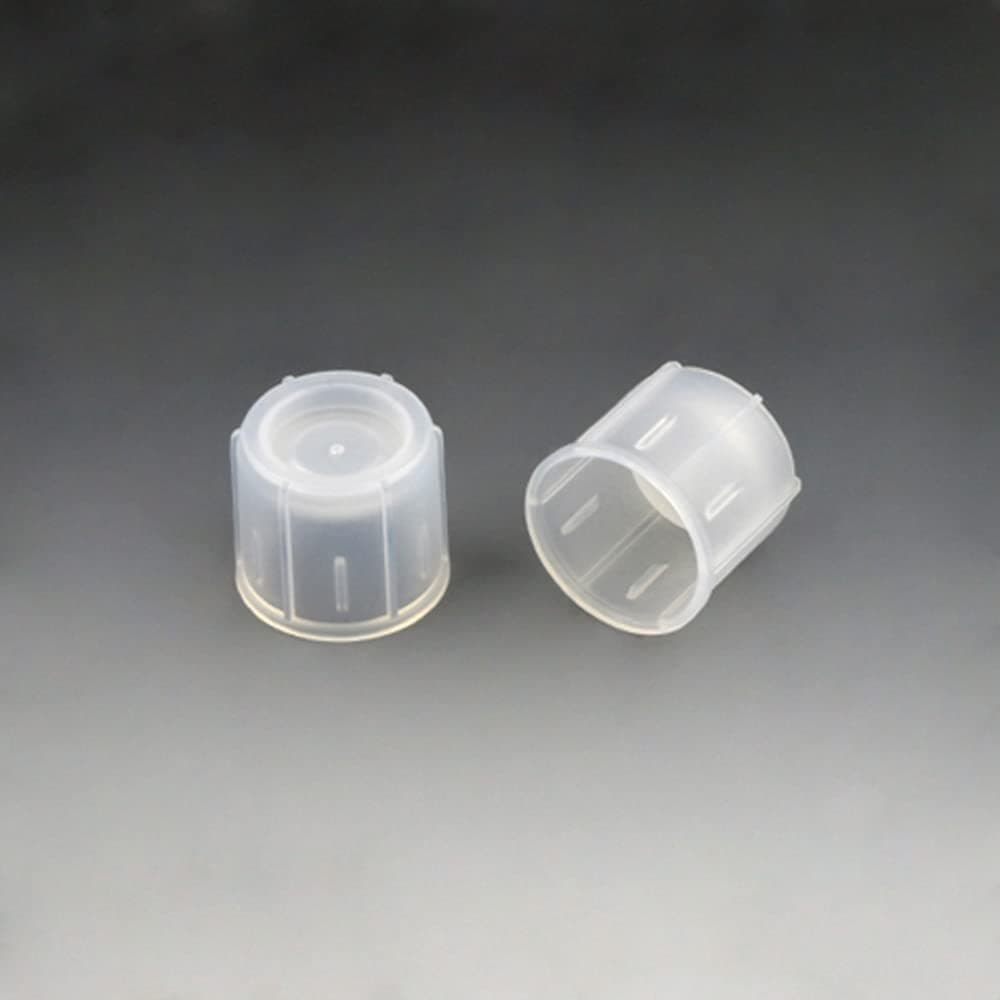
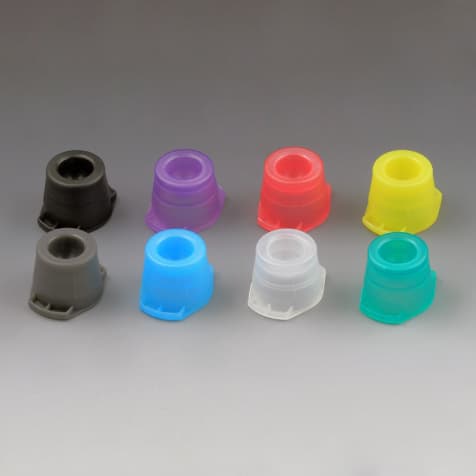
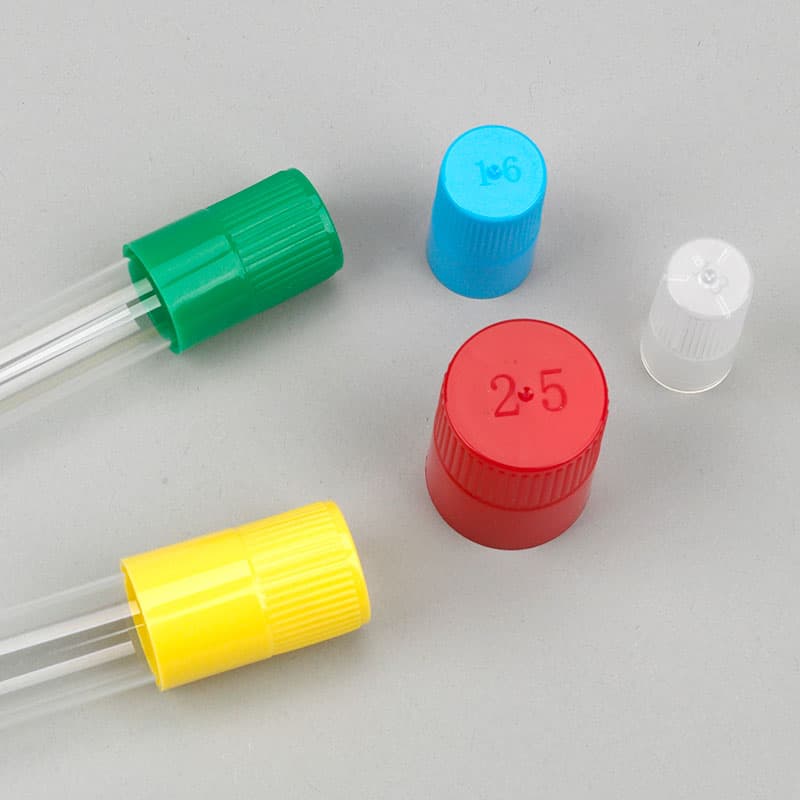
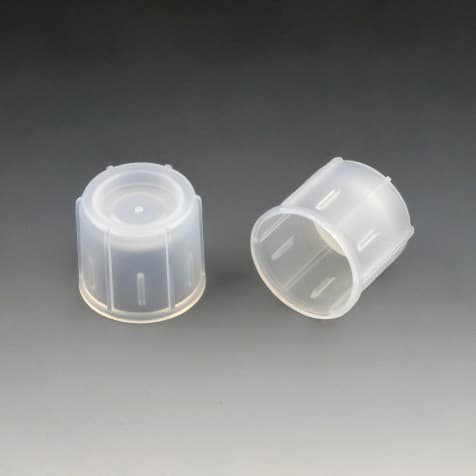
Showing 1 to 12 of 29 results
What are Test Tubes?
Test tubes for laboratory use are open-ended, cylindrical glass or plastic tubes used to hold, mix, incubate, and heat liquid and solid samples across a broad range of applications: bacteriological culture, tissue culture, clinical chemistry, serological assays, immunology, and general sample processing. Choose borosilicate glass for reusable, high-temperature, or chemically demanding applications; choose polystyrene disposable 12×75 mm tubes for flow cytometry and colorimetric assays; choose polypropylene capped tubes for microbial culture with anaerobic or gas-generating organisms.
What you will find:
- Glass test tubes in diverse formats for heating and chemical reaction workflows
-
Plastic polypropylene test tubes for routine laboratory use
-
Graduated tubes for quick and easy volume estimation
-
Conical and round-bottom tube formats for different applications
-
Sterile disposable test tubes for clinical and diagnostic work
-
Heat-resistant tubes for incubation and controlled heating steps
How to Choose Test Tubes
Material: Glass vs. Polypropylene vs. Polystyrene
Borosilicate glass 3.3 (ASTM E438 Type I, Class B) test tubes withstand direct flame, autoclave sterilization at 121 °C, and most solvents, acids, and bases. They are reusable and autoclavable, making them cost-effective over high-volume laboratory runs. Polystyrene (PS) disposable tubes offer outstanding optical clarity for flow cytometry (FACS), cell counting, and OD-based colorimetric assays, but cannot be autoclaved and should not be used with aromatic solvents or strong acids. Polypropylene (PP) tubes are chemically resistant, autoclavable, and available with screw caps for anaerobic culture or gas-generating reactions.
Rimmed vs. Rimless
Rimless test tubes (fire-polished ends) allow easier insertion of rubber or silicone stoppers and are preferred for plugging with cotton wool for microbial culture. Rimmed tubes have a flared lip that facilitates pouring and is compatible with spring-metal tube closures. Confirm your closure type before ordering in bulk.
Size and Volume
The most common test tube dimensions in clinical and research labs:
12×75 mm: ~5 mL capacity; standard for flow cytometry, FACS, serology
13×100 mm: ~10 mL; general culture and chemistry
16×100 mm: ~14 mL; culture and chemistry
16×125 mm: ~17 mL; microbiological culture
18×150 mm: ~25 mL; larger-volume digests and culture
Wall thickness of 1.2 mm (light wall, borosilicate 3.3) is the standard for general lab use; heavy-wall versions are used for digestions and applications involving vacuum or pressure.
Sterile vs. Non-Sterile
Sterile borosilicate glass culture tubes (individually wrapped or bulk-sterilized) are required for microbial culture, cell culture, and any application where contamination would invalidate the result. Non-sterile tubes are adequate for chemistry, spectroscopy, and other abiotic applications. Disposable PS tubes from Corning (PYREX™) and Globe Scientific are supplied sterile or non-sterile; confirm the specification on the lot certificate.
Specifications Context
Borosilicate glass 3.3 test tubes have a linear thermal expansion coefficient of 3.3 × 10⁻⁶ K⁻¹, providing resistance to thermal shock from room temperature to 300 °C (direct flame) and from 0 to 121 °C (autoclave cycles). Light-wall tubes (1.2 mm uniform wall thickness) provide the standard for general laboratory use; heavy-wall variants (2.0 mm) are used for digestion vessels and pressurized applications. Corning PYREX™ disposable round-bottom rimless glass tubes for tissue culture conform to ASTM standards and are the reference format for bacteriological serology and cell wash procedures. MBP supplies Globe Scientific and NEST Scientific test tube lines for research and clinical labs across the USA, Canada, and worldwide.
If you’re choosing between glass and plastic or trying to match the right size to your workflow, it’s worth getting that part right early — it makes everything downstream smoother and a lot less messy. Contact the MBP team now!
FAQ