Blood Collection Tubes for Nucleic Acid Research and Molecular Biology
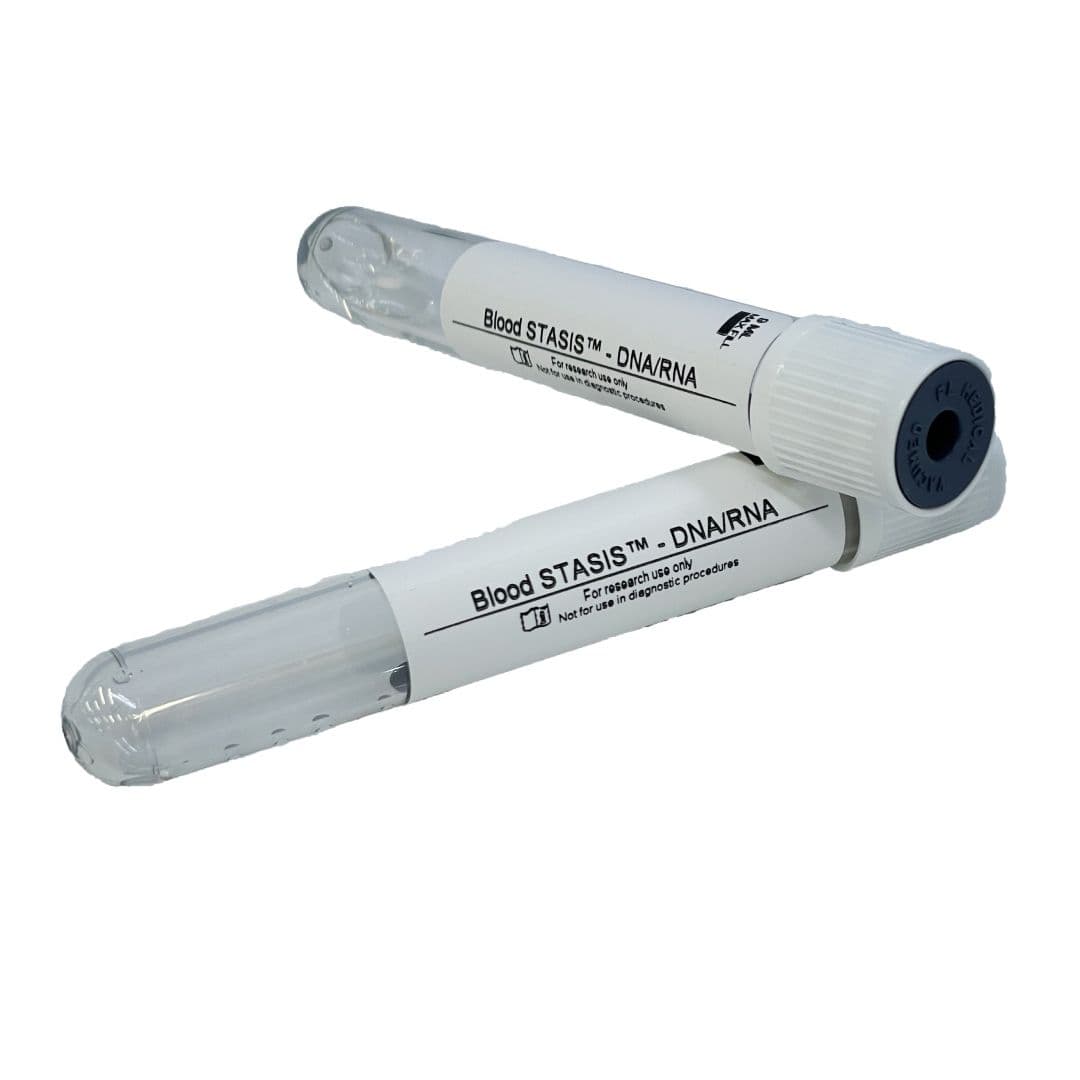
Blood collection tubes for nucleic acid research are evacuated, pre-filled vessels that collect 3–6 mL of whole blood via standard venipuncture while anticoagulating or lysing the specimen to preserve DNA, RNA, or both for downstream molecular applications. EDTA tubes (K2 or K3, lavender cap) are the standard for CBC and immediate processing; nucleic acid-stabilizing tubes with DNA/RNA Shield chemistry preserve dual DNA and RNA at ambient temperature for up to 28 days without freezing.
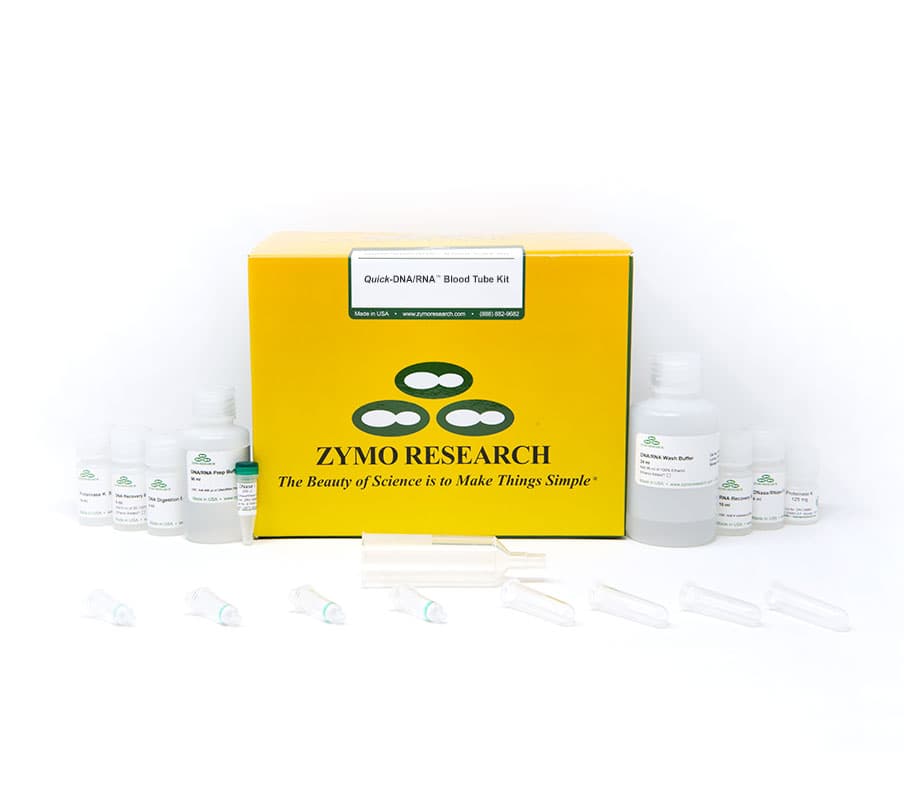
MBP supplies blood collection tube lines from Zymo Research and ships to labs across the USA, Canada, and worldwide with direct PO support. Contact customerservice@mbpinc.net for further details.
Blood Collection Tubes

Showing 1 to 6 of 6 results
What are Blood Collection Tubes for Nucleic Acid Research?
Blood collection tubes for nucleic acid research are evacuated tubes pre-filled with a lysis reagent or anticoagulant that preserve DNA and/or RNA from whole blood specimens collected by standard venipuncture. On blood draw, the lysis reagent immediately inactivates nucleases and preserves both genomic DNA and RNA—including transcriptomic expression profiles—from 3–6 mL of mammalian whole blood. They are used in gene expression analysis, next-generation sequencing, PCR-based molecular diagnostics, cell-free DNA (cfDNA) studies, and biobank archiving. Choose blood collection tubes specifically formulated for nucleic acid preservation when the sample cannot be processed within 2–4 hours of draw.
What you will find:
- Vacuum blood collection tubes for standardized sample volumes
- Capillary blood collection tubes for small-volume sampling
- Pediatric and micro-collection tubes for difficult draws
- Sterile single-use blood collection tubes for diagnostic safety
- General-purpose clinical and laboratory blood sampling tubes
How to Choose Blood Collection Tubes
DNA vs RNA vs Dual Preservation
K2 EDTA tubes (lavender cap) prevent clotting and preserve cellular morphology for CBC and flow cytometry, but RNA degrades rapidly without additional stabilization. Blood RNA stabilization tubes preserve intracellular RNA expression profiles, while dual-preservation blood collection tubes stabilize both DNA and RNA simultaneously, enabling downstream molecular analysis from a single specimen.
Blood Volume Per Tube
Standard blood collection tubes typically hold 3 mL or 6 mL. Confirm the draw volume against your extraction kit's minimum input requirement. Many NGS and RT-PCR extraction kits require 1–3 mL of whole blood per reaction, making 3 mL tubes sufficient for many single downstream applications.
Processing Window
For immediate processing (within 2 hours), standard K2 EDTA tubes are generally suitable. For delayed processing or sample shipment, choose blood collection tubes specifically formulated to stabilize nucleic acids according to the manufacturer's validated storage conditions.
Anticoagulant Type
K2 EDTA is the preferred anticoagulant for most molecular biology applications, including PCR and NGS. K3 EDTA may be used in some automated laboratory systems. Heparin is a known PCR inhibitor and should generally be avoided for nucleic acid workflows. Citrate tubes are not typically used for nucleic acid preservation.
Regulatory Compliance
For clinical or regulatory-submission workflows, confirm whether the blood collection tube has the appropriate regulatory approval or clearance for your intended application. Research-use-only (RUO) products are not intended for diagnostic use unless specifically authorized.
Specifications Context
Standard evacuated blood collection tubes are commonly manufactured from medical-grade PET or glass. K2 EDTA tubes should be gently inverted 8–10 times immediately after collection to ensure complete anticoagulant mixing. Nucleic acid preservation tubes are available for both immediate processing and stabilized transport, depending on the manufacturer. DNA and RNA yield varies with donor characteristics, collection volume, storage conditions, and the extraction method used.
Every accurate diagnosis starts with the right sample. Reach out to the MBP team today for expert guidance. MBP is a registered vendor for Howard Hughes Medical Institute, Vanderbilt University, and MD Anderson Cancer Center. PO and quote ordering are available directly.