Biohazard Bags for Specimen Transport and Infectious Waste Disposal
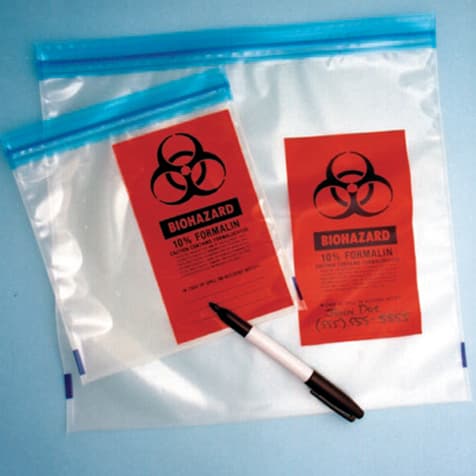
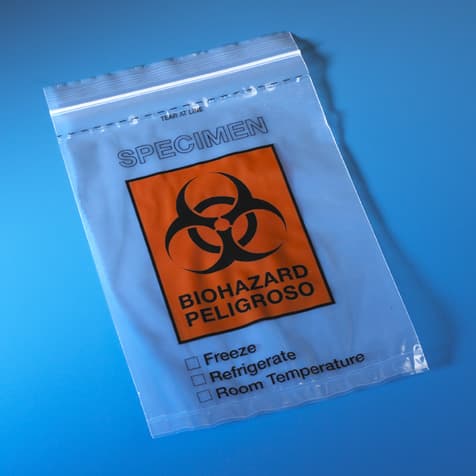
Biohazard bags are LDPE or polypropylene pouches printed with the universal biohazard symbol used to contain patient specimens during laboratory transport or to contain infectious solid waste before autoclaving. Globe Scientific specimen transport bags are available in 6×9, 8×10, and 12×15 inch formats with zipper closures, document pouches, optional absorbent pads for UN3373 compliance, and red STAT formats for priority specimens.
MBP supplies Globe Scientific biohazard bag lines for clinical and research labs across the USA, Canada, and worldwide with direct case-quantity PO ordering. Request a quote by contacting customerservice@mbpinc.net
Biohazard Bags
Showing 1 to 5 of 5 results
What are Biohazard Bags?
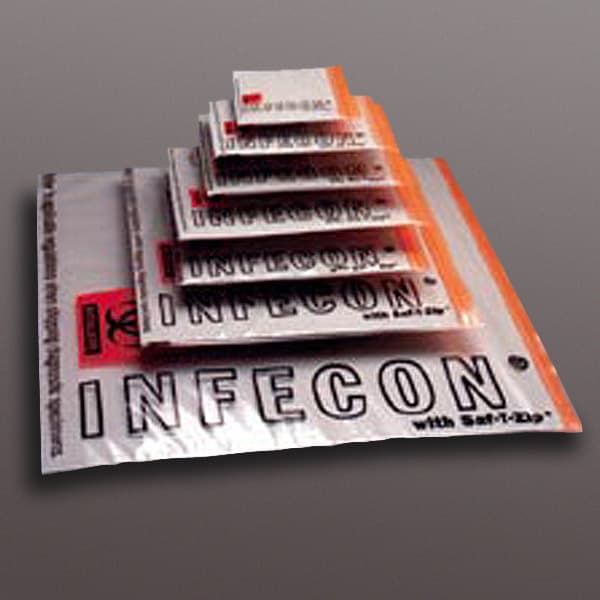
Biohazard bags are polyethylene pouches printed with the universal biohazard symbol and standardized warning text, used to contain, transport, and dispose of biological specimens and infectious waste in clinical, diagnostic, and research laboratory settings. They are manufactured in two functionally distinct categories: specimen transport bags (thin-walled LDPE, zipper-closure, with document pouch) for routing patient specimens from collection point to laboratory; and autoclave/waste bags (heavy-gauge polypropylene, heat-sealable) for containing infectious solid waste before steam sterilization at 121–136 °C. Choose a specimen transport bag for courier or inter-department specimen routing; choose an autoclave bag for infectious solid waste destined for steam sterilization.
What you will find:
-
Red biohazard waste bags for infectious laboratory disposal
-
Autoclavable biohazard bags for sterilization workflows
-
Leak-resistant polyethylene biohazard liners for lab bins
-
High-strength biohazard bags for heavy laboratory waste
-
Printed biohazard symbol bags for clear hazard identification
-
Disposable waste bags for contaminated consumables
-
Chemical- and bio-waste compatible collection bags
-
Medium and large capacity biohazard bags for lab use
-
Thick gauge waste bags for puncture resistance
-
General laboratory biohazard containment solutions
How to Choose Biohazard Bags
Specimen Transport vs. Waste/Autoclave Function
Specimen transport bags (Globe Scientific catalog 4923–4950) are LDPE, zipper-locked, with a separate document pouch for the requisition form and a tear zone for rapid opening at the receiving lab. They are not rated for autoclaving. Autoclave bags (PP, 0.05 mm, 12×26 in. or 24×32 in.) withstand 121–136 °C sterilization cycles and comply with OSHA 29 CFR 1910.1030 markings for biohazardous waste disposal.
Size Selection for Specimen Transport
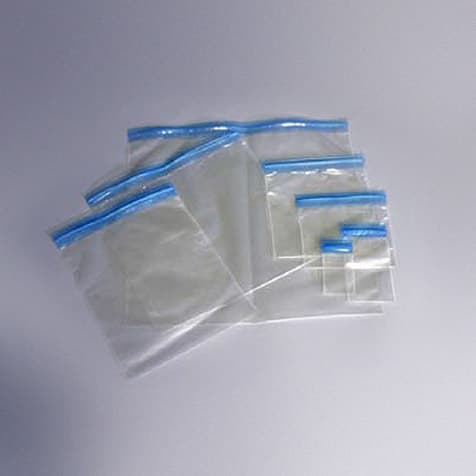
Globe Scientific offers 6×9 in. (for blood tubes, urine cups, small specimens), 8×10 in. (for multiple tubes or swab collections), and 12×15 in. (for large containers, pathology specimens). The 6×9 in. bag with absorbent pad (catalog 4924) is the most common format for clinical specimen routing; the pad absorbs up to 10 mL of liquid in the event of tube breakage.
Absorbent Pad Requirement
IATA Dangerous Goods Regulations and the UN3373 Biological Substance Category B shipping requirements mandate an absorbent material sufficient to absorb the total liquid volume of the primary container. The 6×9 in. with absorbent pad format meets this requirement for standard tube shipments. Confirm pad absorbency against your primary container volume before use in P650 mailing kits.
STAT vs. Standard
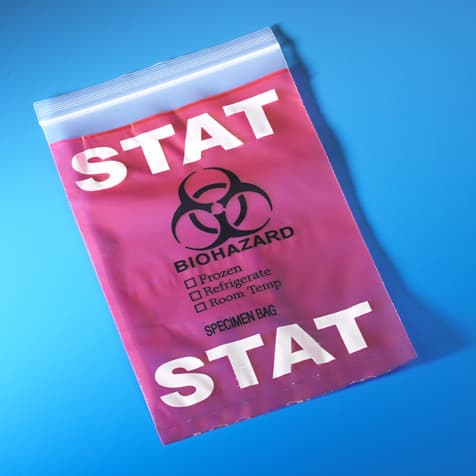
Globe Scientific STAT bags (catalog 4950) are red-tinted 6×9 in. bags with a document pouch and tear zone — the red color alerts laboratory staff to prioritize the specimen. Use STAT bags for critical or time-sensitive specimens that bypass standard routing.
Closure Type
Zipper-closure bags allow repeated access and are used where the specimen may need to be resealed for courier transit. Glue-closure (tamper-evident seal) bags prevent re-opening and are preferred for chain-of-custody specimens (forensics, drug testing) and any application where tamper evidence is required.
Specifications Context
Globe Scientific specimen transport bags are manufactured from LDPE with a printed biohazard symbol and special handling checkboxes. The 6×9 in. standard format (catalog 4923) and STAT format (4950) hold cases of 1,000 bags (100/pack × 10 packs). The 8×10 in. (4926) and 12×15 in. (4929) formats are cases of 1,000 and 500, respectively. Autoclave bags used for infectious solid waste must comply with OSHA Bloodborne Pathogens Standard (29 CFR 1910.1030), which requires fluorescent orange or orange-red color-coding or a biohazard symbol on all containers holding regulated waste. Globe Scientific biohazard bags are manufactured under ISO 9001:2015 quality management standards. Bags are non-sterile; sterile transport systems for specimens requiring sterility assurance should use appropriately certified collection vessels inside the bag.
For selection guidance, specifications, or bulk supply requirements, connect with the MBP team to choose the right biohazard containment solution for your laboratory workflow.
FAQ