ESR Systems — Westergren Tubes for Erythrocyte Sedimentation Rate Testing
ESR (erythrocyte sedimentation rate) systems are the tubes, consumables, and instruments used to measure how quickly red blood cells settle in a standardized vertical tube over 60 minutes—a nonspecific marker of inflammation used to support the diagnosis of autoimmune disorders, infections, and malignancy.
MBP supplies ESR system consumables for clinical and research labs across the USA, Canada, and worldwide. Request a quote today by contacting customerservice@mbpinc.net
ESR Systems
Showing 1 to 3 of 3 results
What are ESR Systems?
Erythrocyte sedimentation rate (ESR) systems are the consumables, tubes, and instruments used to measure how quickly red blood cells (erythrocytes) settle to the bottom of a standardized vertical tube over one hour — a nonspecific but widely used marker of systemic inflammation, infection, autoimmune activity, and malignancy. Choose Westergren tube-based ESR consumables for the ICSH reference method; choose closed-tube automated systems to reduce biohazard exposure and turnaround time in high-throughput clinical laboratories.
What You Will Find:
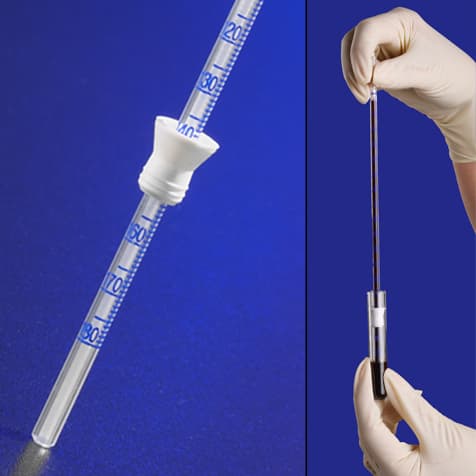
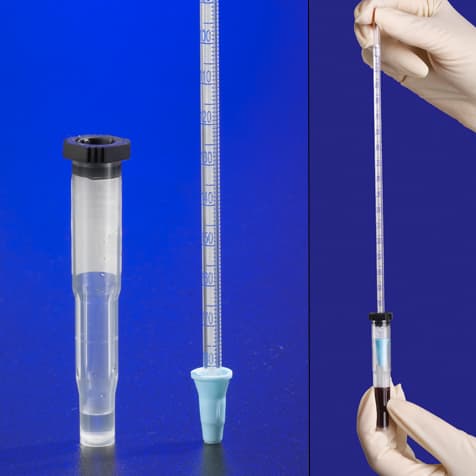
- Sedi-Rate ESR Westergren systems for standardized erythrocyte sedimentation rate (ESR) testing.
- Westergren ESR pipettes compatible with Sedi-Rate ESR systems.
- ESR testing products designed for reliable Westergren sedimentation rate measurements in clinical laboratories.
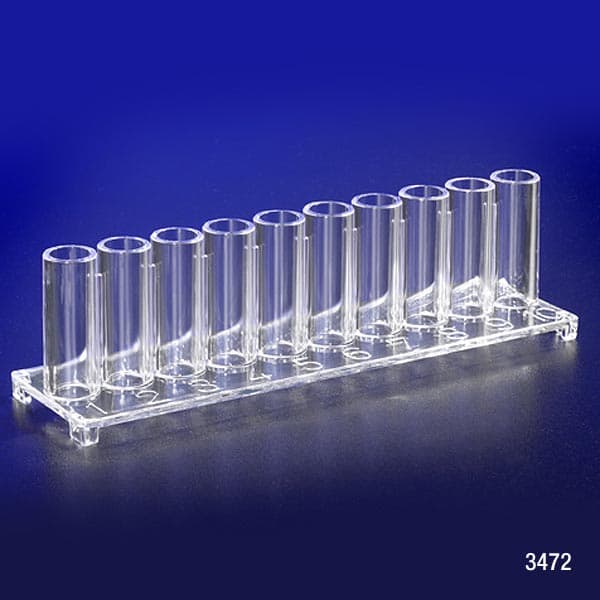
- ESR System Accessories – Essential support tools including racks and stabilizers for organized and vibration-free sample positioning.
How to Choose ESR Systems
Manual Westergren vs. Automated Closed-Tube
The manual Westergren method uses open-top glass or plastic 200 mm tubes filled with diluted blood and read manually at 60 minutes — reproducible, low-cost, but biohazard-exposed and slow (one rack per hour). Closed-tube automated systems (e.g., Greiner VACUETTE, Alifax TEST1, Streck Sedimat) use sealed vacuum-draw ESR tubes pre-filled with sodium citrate that eliminate dilution and open-tube handling; automated readers record RBC fall in real time and report in as little as 20–30 minutes. Choose automated systems for labs processing >30 ESR tests per shift.
Tube Type: Citrate vs. EDTA-Based Methods
The standard Westergren method requires 3.8% sodium citrate (9:1 blood: citrate ratio, or 4:1 blood:0.4 mL citrate). The modified Westergren method uses EDTA-anticoagulated blood diluted 4:1 with 0.85% saline, making it compatible with the K2 EDTA tubes routinely drawn for CBC — practical for labs that want to batch ESR onto an existing EDTA draw. Results from citrate and EDTA-saline methods are comparable when dilution is controlled.
Westergren Tube Specifications
Westergren tubes are 300 mm total length (usable 200 mm graduated column), bore 2.5–2.7 mm I.D., graduated in mm from 0 at the top to 200 at the bottom. Tubes may be glass or plastic. Kits such as Sediplast (Polymedco) and Vacuette ESR (Greiner) include a self-zeroing pipette that draws blood to the zero mark automatically, eliminating the manual zeroing step and reducing biohazard exposure.
Rack and Stand Requirements
Manual Westergren tubes must be held perfectly vertical (within ±2° of vertical) at a stable temperature (18–25 °C) for the full 60-minute reading period. Temperature variation of ±3 °C can change ESR by 3–5 mm/h. Rack kits with leveling feet ensure the required vertical alignment.
Reference Ranges and Interpretation
Normal ESR: males <50 years, ≤15 mm/h; males ≥50 years, ≤20 mm/h; females <50 years, ≤20 mm/h; females ≥50 years, ≤30 mm/h (Westergren method, ICSH 1993). ESR is ordered alongside CRP and CBC; neither result should be interpreted in isolation.
Specifications Context
The Westergren tube complies with ICSH/CLSI specification: 300 mm total length, 2.5 mm ± 0.1 mm bore, graduated 0–200 mm. The 60-minute incubation must occur at 18–25 °C; each °C increase above 25 °C raises ESR by approximately 0.7 mm/h (ICSH). Blood specimen for manual ESR: 2.0 mL minimum of EDTA whole blood (K2 EDTA, lavender-top) or sodium citrate vacuum tube; process within 4 hours of collection at room temperature or within 24 hours if refrigerated at 2–8 °C per CLSI H02-A6. The ICSH-endorsed Westergren method has been the gold standard for ESR since 1973; automated photometric systems correlate with the Westergren reference method at r ≥ 0.95 per published peer-reviewed comparisons.
If you need help selecting ESR consumables, the MBP team is here to answer all queries.
FAQ