Automation Sample Cups for Clinical Chemistry Analyzers and Autosamplers
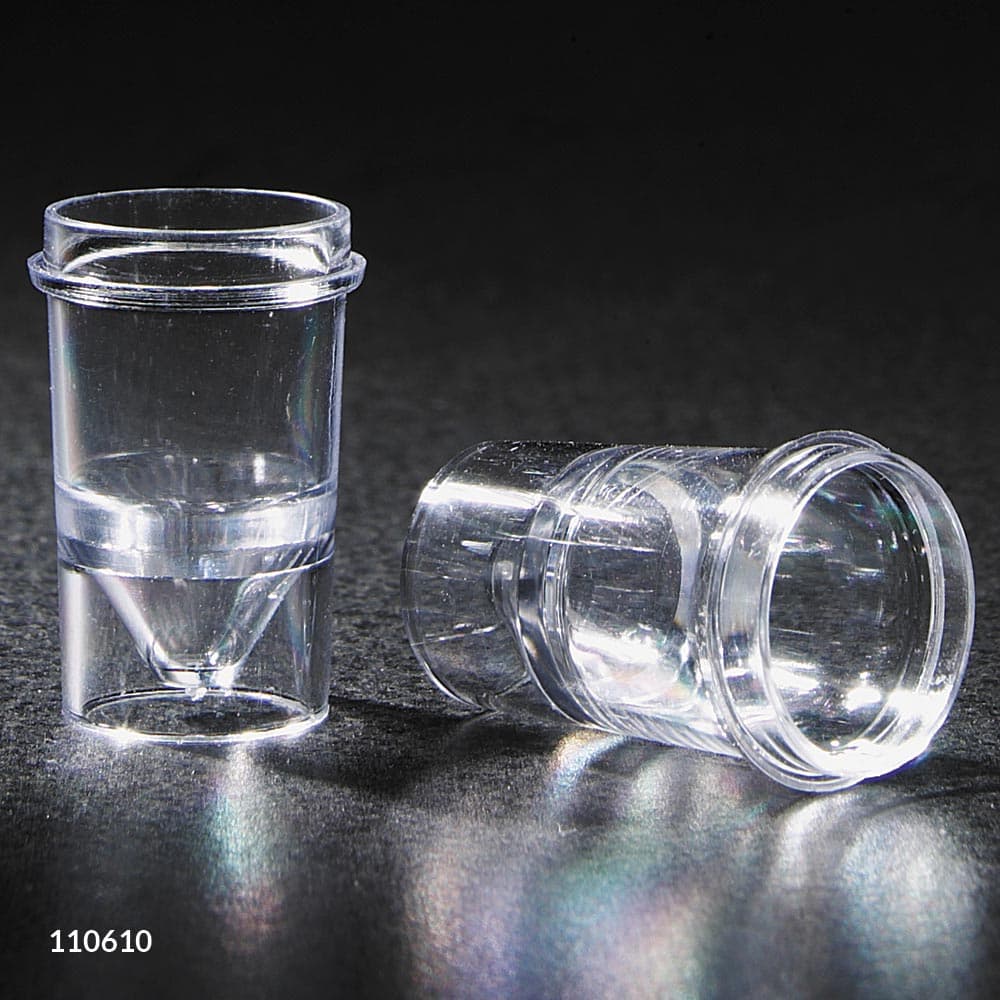
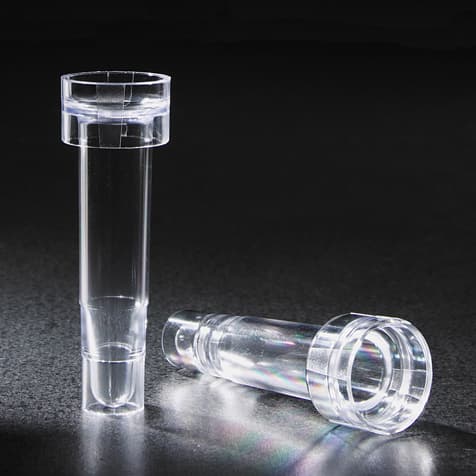
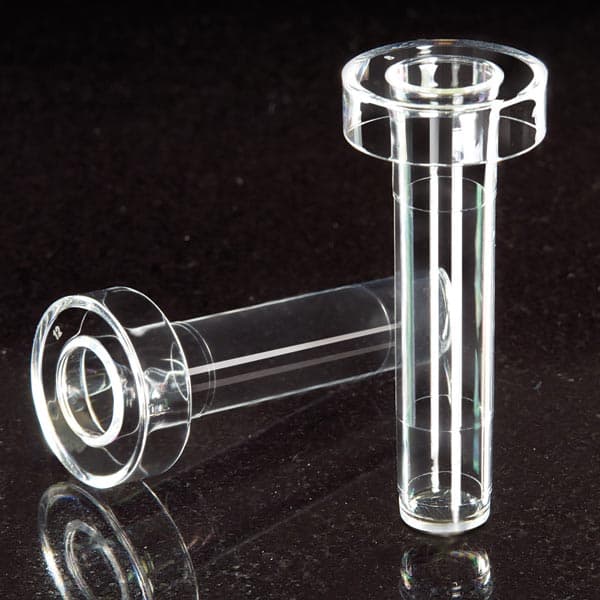
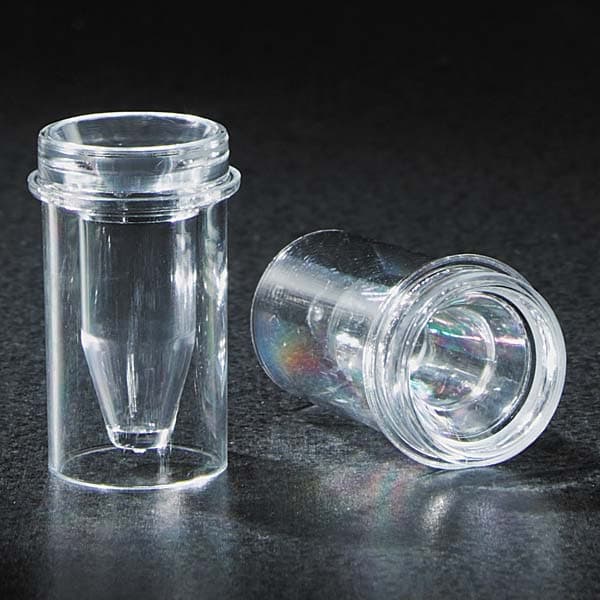
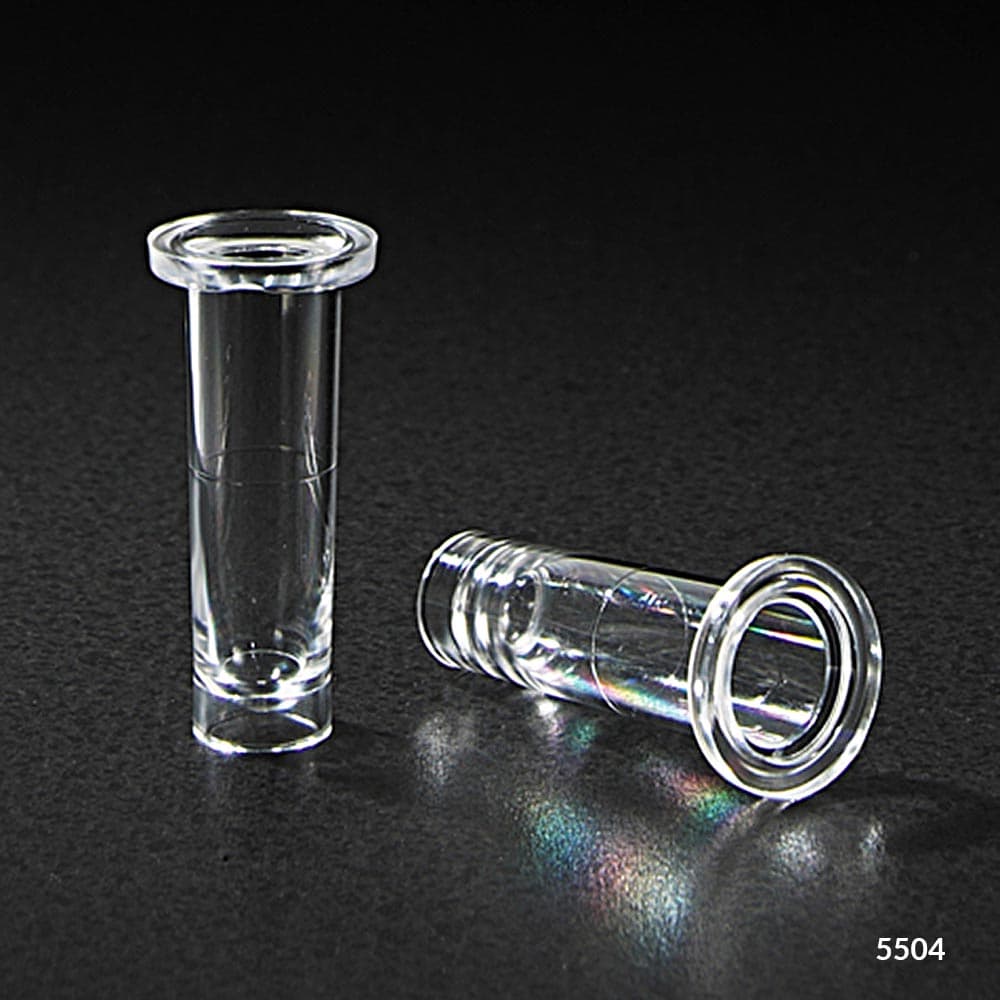
Automation sample cups are polystyrene or polypropylene vessels that hold aliquoted specimens for direct loading into automated clinical chemistry analyzers, immunoassay platforms, and ICP-MS/ICP-OES spectrometers. Globe Scientific manufactures OEM-equivalent alternate cups for Beckman CX series (0.5 mL J-cup), BioMerieux AG-2/ASCA (1.5 mL), Roche cobas/Horiba ABX (2.0 mL), and PerkinElmer/Agilent ICP-MS systems (12 mL virgin PP, metal-free). Alternate cups provide 20–40% cost savings versus OEM pricing.
MBP stocks Globe Scientific sample cups with direct PO ordering for clinical and research labs across the USA, Canada, and worldwide. Contact customerservice@mbpinc.net for further details.
Automation Sample Cups



Showing 1 to 12 of 17 results
What are Automation Sample Cups?
Automation sample cups (also called analyzer sample cups, autosampler cups, or J-cups) are small-volume polystyrene or polypropylene vessels designed to hold aliquoted patient specimens for direct loading into automated clinical chemistry analyzers, immunoassay platforms, hematology analyzers, and ICP-MS/ICP-OES spectrometers. They are used when an analyzer's primary tube handler cannot directly aspirate from a standard 15 mL or 50 mL collection tube—typically because the sample volume is insufficient, a diluted aliquot is required, or a specific cup geometry is mandated by the instrument's sampling needle. Globe Scientific offers the largest selection of alternate (OEM-equivalent) sample cups for laboratory analyzers, providing significant per-cup savings versus manufacturer-supplied consumables. Choose analyzer sample cups by instrument model first—dimensional compatibility is non-negotiable—then optimize for material (PS for optical clarity, PP for chemical resistance) and volume.
What you will find:
-
0.2 mL automation sample cups for micro-volume testing
-
0.5 mL sample cups for routine analyzer use
-
1.5 mL sample cups for standard clinical workflows
-
Clear polystyrene sample cups for accurate readings
-
Conical-bottom cups for complete sample pickup
-
Low-dead-volume cups for minimal sample waste
-
Analyzer-compatible sample cups for clinical systems
-
Disposable sample cups for single-use workflows
-
Nesting cups for easy storage and handling
How to Choose Automation Sample Cups
Instrument Compatibility: Dimensional Match is Mandatory
Automation sample cups must match the exact outer diameter, height, and cup-bottom geometry specified by the instrument manufacturer. A cup that is 0.5 mm too wide or too narrow will not seat correctly in the autosampler rotor, causing aspiration failures, pipetting errors, or instrument alarms. Globe Scientific engineers and validates each alternate cup to OEM specifications for named analyzer platforms; confirm the instrument model against the catalog's compatibility list before ordering.
Volume: 0.5 mL vs. 1.5 mL vs. 2.0 mL
0.5 mL cups (13.55 × 24.50 mm, polystyrene) are used on chemistry analyzers including Beckman CX series, Alpha Wassermann, Bio-Chem Labs, and DPC Immulite platforms. 1.5 mL cups (13.8 × 22.60 mm) are used on BioMerieux AG-2/ASCA and MLA 1600C platforms. Larger 2.0 mL cups are used on Roche cobas and Horiba ABX platforms. The minimum working volume of the cup must exceed the analyzer's dead volume (typically 150–400 µL) plus the required sample volume.
Material: Polystyrene vs. Polypropylene
Polystyrene (PS) sample cups provide excellent optical clarity for colorimetric-based analyzers that photometrically read the cup contents and have low protein adsorption for routine chemistry analytes. Polypropylene (PP) cups are used when the sample contains organic solvents, strong acids (trace element analysis), or when acid-wash protocols are required for ICP-MS autosampler systems. MoldPro and Globe Scientific PP autosampler cups for PerkinElmer, Agilent, and Shimadzu ICP systems are manufactured from virgin PP with ultra-low metal content verified by ICP-MS lot testing.
With or Without Caps/Inserts
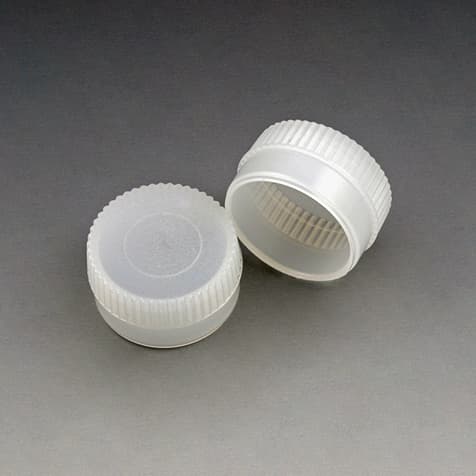
Sample cups with caps are used when the aliquot must be sealed to prevent evaporation or cross-contamination during batch loading. Insert cups (smaller inner cup that sits inside a standard tube) allow aliquoted samples to be loaded directly without relabeling — a common efficiency gain in high-volume core labs. Confirm whether your instrument's autosampler accepts capped cups or requires open-top formats.
ICP-MS vs. Clinical Chemistry Applications
ICP-MS autosampler cups require certified ultra-low metal content (verified by ICP-MS at ppb level), manufactured from virgin PP without metal-containing additives, dyes, or fillers. Standard PS clinical chemistry cups contain low-level metal additives from colorants and should not be used for trace element or heavy metal analysis. Always use metal-free certified cups for any elemental analysis application.
Specifications Context
Globe Scientific analyzer sample cups are manufactured to exact OEM specifications and provide equivalent precision and optical properties to original manufacturer cups. PS cups have optical clarity with ≥90% light transmission in the visible spectrum, required for photometric analyzers. PP ICP-MS autosampler cups meet ultra-low metal content specifications: typically <1 ppb for Fe, Zn, Cu, Pb, Mn, and other analytes commonly measured in trace element panels. Cup dimensions are held to ±0.1 mm tolerance on O.D. to ensure consistent seating in autosampler rotors. As of 2026, Globe Scientific is the most widely stocked alternate analyzer consumable brand through lab distributors, including MBP, offering per-cup savings of 20–40% versus OEM pricing for high-volume clinical labs.
Contact MBP for per-cup pricing on case-quantity PO orders.
FAQ