Disposable Laboratory Face Masks for Clinical, Research, and Cleanroom Protection
Disposable laboratory face masks are 3-ply or 4-ply non-woven polypropylene procedure and surgical masks rated ASTM Level 1 (BFE ≥ 95%, fluid resistance 80 mmHg), Level 2 (BFE ≥ 98%, 120 mmHg), or Level 3 (BFE ≥ 98%, 160 mmHg) for escalating splash and aerosol protection in research, clinical, and cleanroom environments. Latex-free ear-loop construction; typically 50 per box. MBP supplies labs across the United States, Canada, and internationally with PO and Quick Order procurement at mbpinc.net.
Need help selecting the right laboratory face masks for your facility? Contact customerservice@mbpinc.net for product recommendations, pricing, and procurement support.
Masks
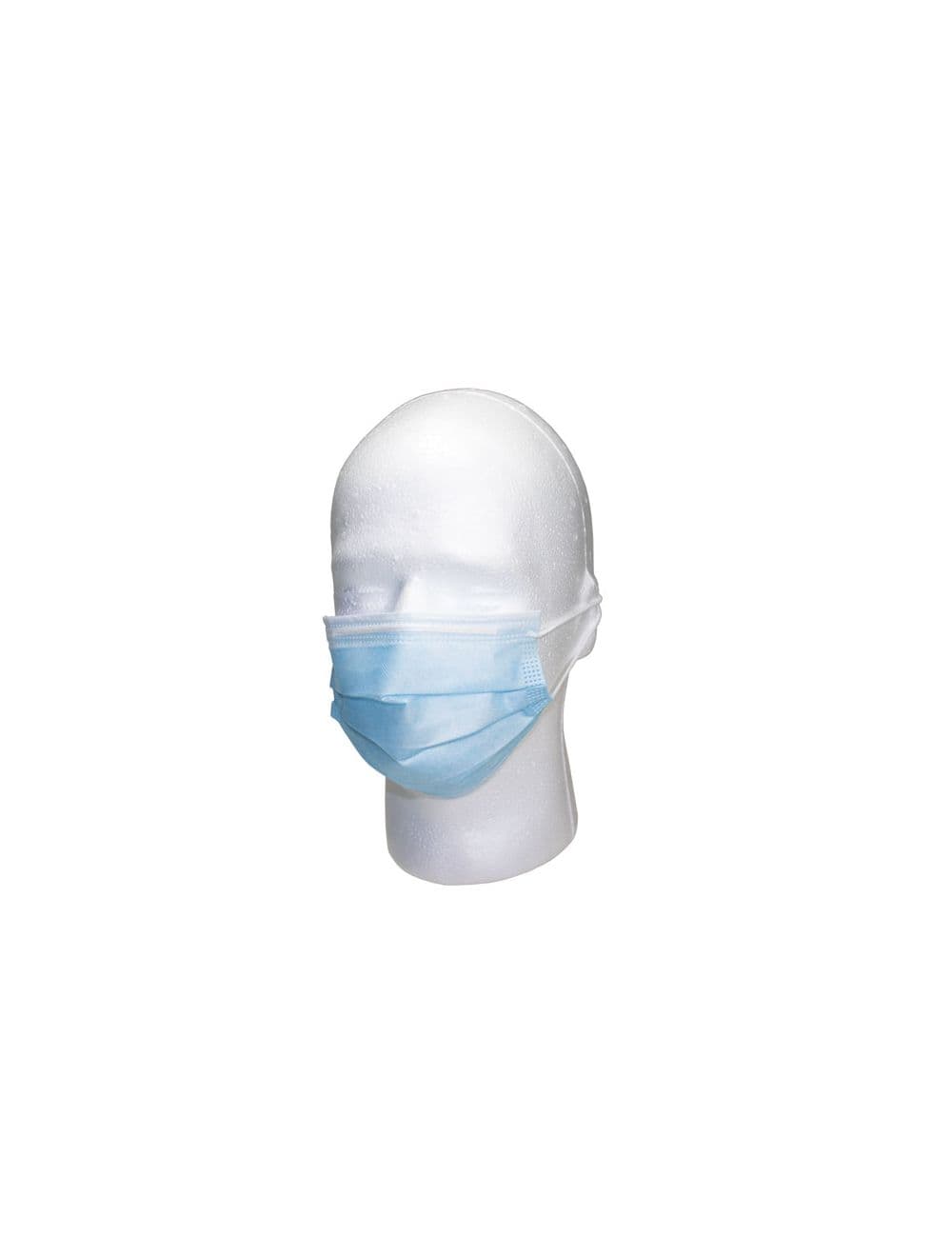
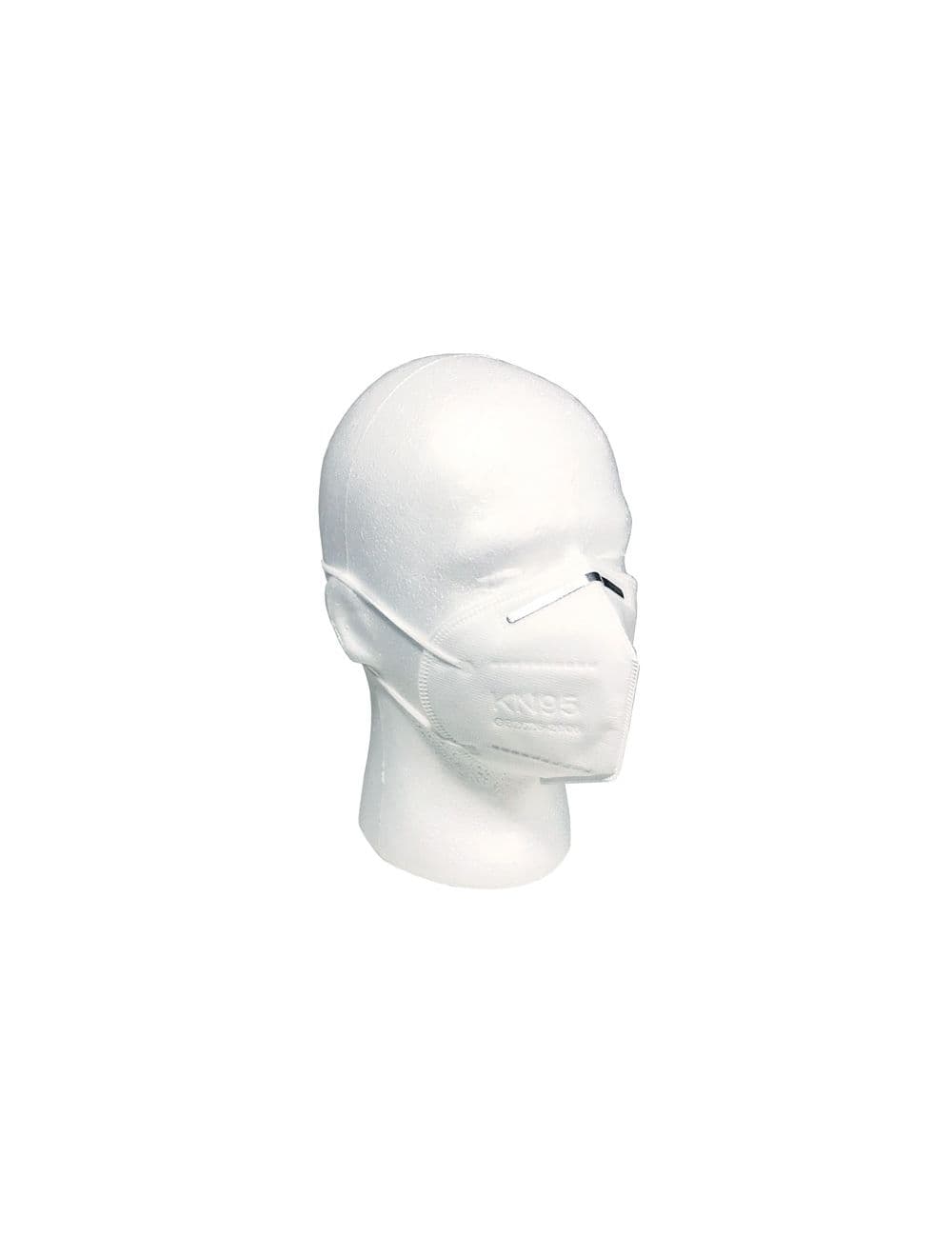
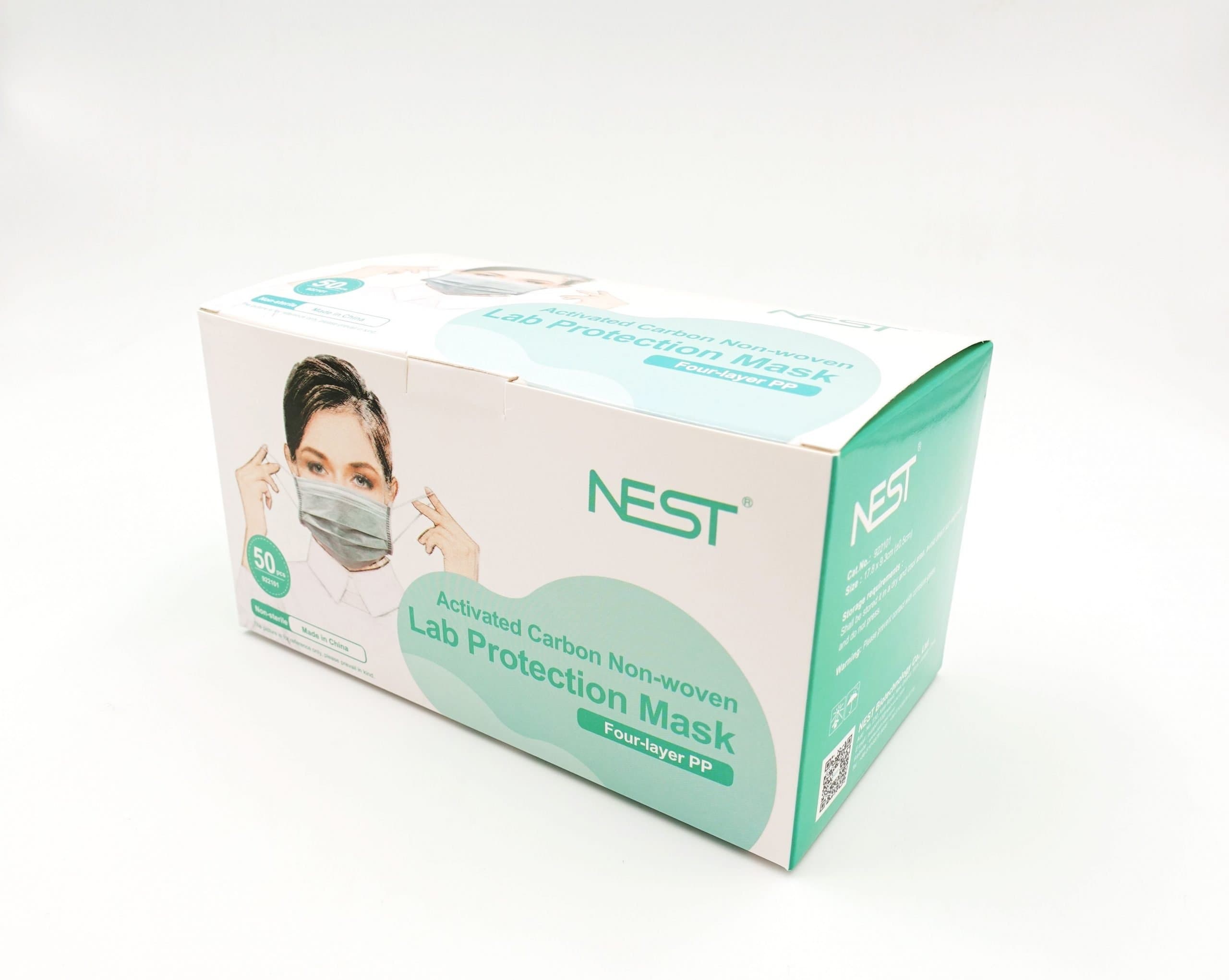
Showing 1 to 3 of 3 results
What are laboratory face masks?
Disposable laboratory face masks are single-use personal protective equipment worn to create a physical barrier between the nose and mouth and the work environment, protecting against large droplets, splashes, and aerosol-generating procedures. They are manufactured in 3-ply or 4-ply non-woven polypropylene construction and rated under ASTM F2100 in three levels based on bacterial filtration efficiency (BFE), sub-micron particulate filtration efficiency (PFE), and fluid penetration resistance. For research and clinical labs, ASTM Level 1 masks cover general bench work; Level 2 and Level 3 are specified for procedures generating visible aerosols or liquid splashes, such as sample processing, centrifugation of open tubes, or working with volatile reagents.
What you will find:
-
Three-layer nonwoven laboratory masks for basic protection
-
Disposable face masks for daily lab use
-
Dust and particle filtration masks for clean handling areas
-
Nose-clip fitted masks for improved sealing and comfort
-
Lightweight breathable masks for long lab sessions
-
Cleanroom-compatible masks for controlled environments
-
Single-use PPE masks for contamination control workflows
-
Lab-grade protective face masks for general safety needs
How to choose laboratory face masks
ASTM level
Level 1 (BFE ≥ 95%, fluid resistance 80 mmHg) is appropriate for general laboratory bench work with low splash risk. Level 2 (BFE ≥ 98%, 120 mmHg) suits moderate-aerosol environments including routine sample processing and clinical diagnostic workflows. Level 3 (BFE ≥ 98%, 160 mmHg) is specified for high-splash procedures — surgical environments, high-volume aerosol-generating workflows, and BSL-2 open-bench sample manipulation. For inhalation hazards, NIOSH N95 respirators are outside the surgical mask category entirely.
Construction: 3-ply vs 4-ply
3-ply masks consist of a spunbond polypropylene outer layer, a melt-blown filtration layer in the middle, and a soft inner comfort layer. 4-ply masks add an additional filtration layer to improve efficiency while maintaining similar comfort. The melt-blown layer is the key filter component that determines performance.
Fit: ear-loop vs tie
Ear-loop masks are commonly used in laboratory environments due to quick application and removal. Tie-back masks or headband-style masks provide a tighter facial seal and are preferred where reduced leakage around the edges is important, such as in cleaner or more controlled environments. Cleanroom-grade masks are often individually packaged to reduce contamination and lint generation.
Latex-free certification
Most laboratory face masks are naturally latex-free because they are made from polypropylene. However, ear-loop materials should still be confirmed as latex-free (usually polyester or spandex-based) when working in environments with latex allergy controls.
Nose wire
A built-in nose wire improves fit by shaping the mask around the bridge of the nose and also helps reduce fogging of safety eyewear. Some designs use plastic-coated wires for environments where metal exposure must be avoided.
Specifications context
ASTM F2100 defines performance requirements for medical masks, including bacterial filtration efficiency (ASTM F2101), particle filtration efficiency (ASTM F2299), and fluid resistance (ASTM F1862). Medical-grade masks intended for clinical use may require FDA 510(k) clearance depending on the application. As of 2026, ASTM Level 2 3-ply polypropylene masks remain the most widely used format in research and pharmaceutical laboratories for daily routine operations.
Stay focused on your work—let MBP help you choose masks that keep your environment clean and your process uninterrupted. Contact our team today for a personalized quote.
FAQ