Serological Pipettes for Accurate Liquid Transfer
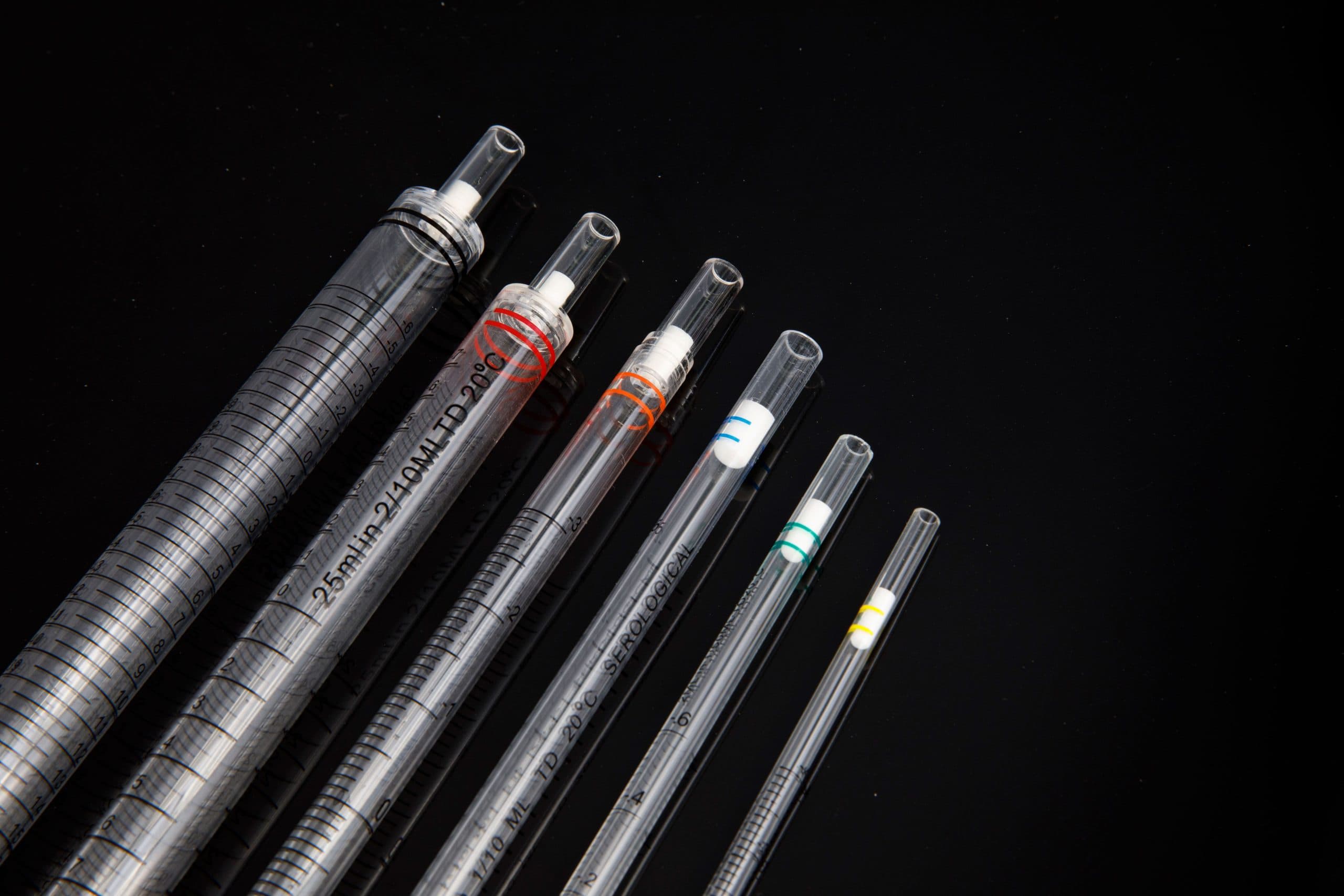
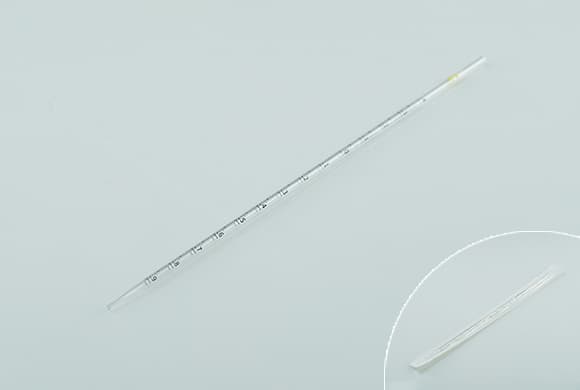
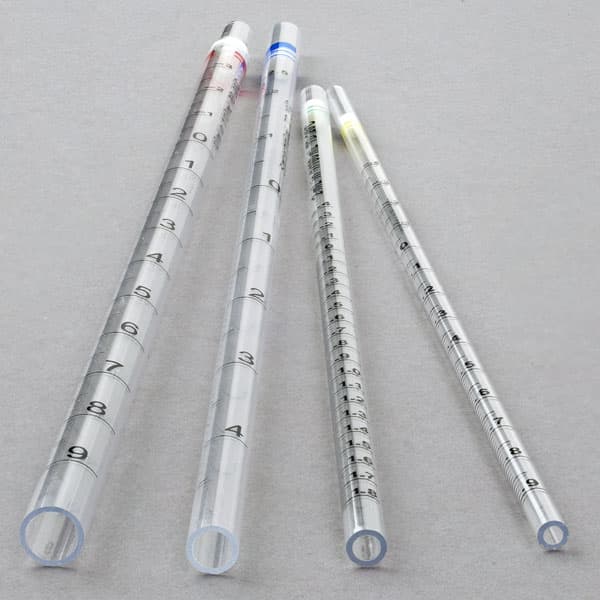
Serological pipettes are sterile, graduated, single-use polystyrene pipettes with a filter plug, available in 1, 2, 5, 10, 25, and 50 mL volumes (color-coded per ISO 7550), used with pipette controllers for measured transfer of cell culture media, buffers, and reagents in volumes too large for micropipettors. Individually wrapped in plastic/plastic or paper/plastic packaging for aseptic removal; calibrated to deliver (TD) with blow-out to the tip.
MBP Inc. stocks serological pipettes from Globe Scientific and Nest Scientific for research and clinical laboratories across the USA and Canada, with case pricing and purchase order (PO) purchasing. Contact customerservice@mbpinc.net to request a quote today!
Serological Pipettes
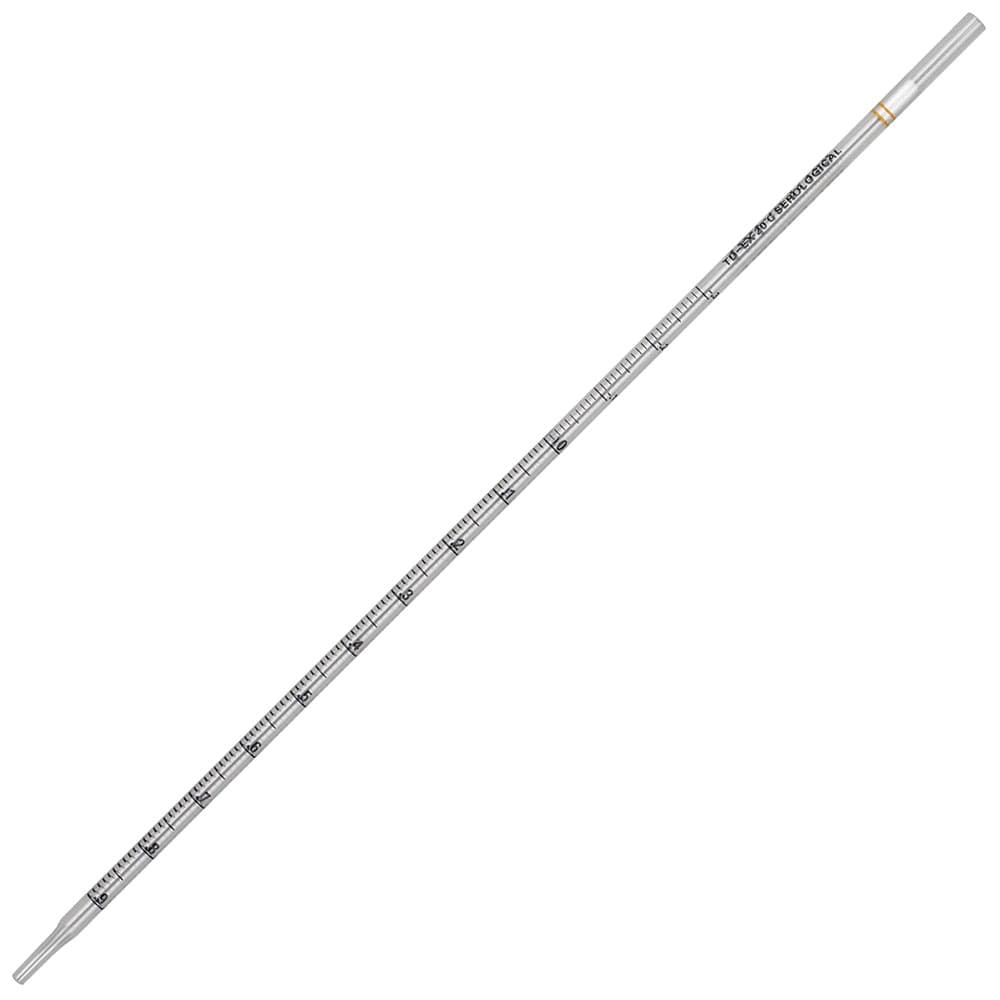
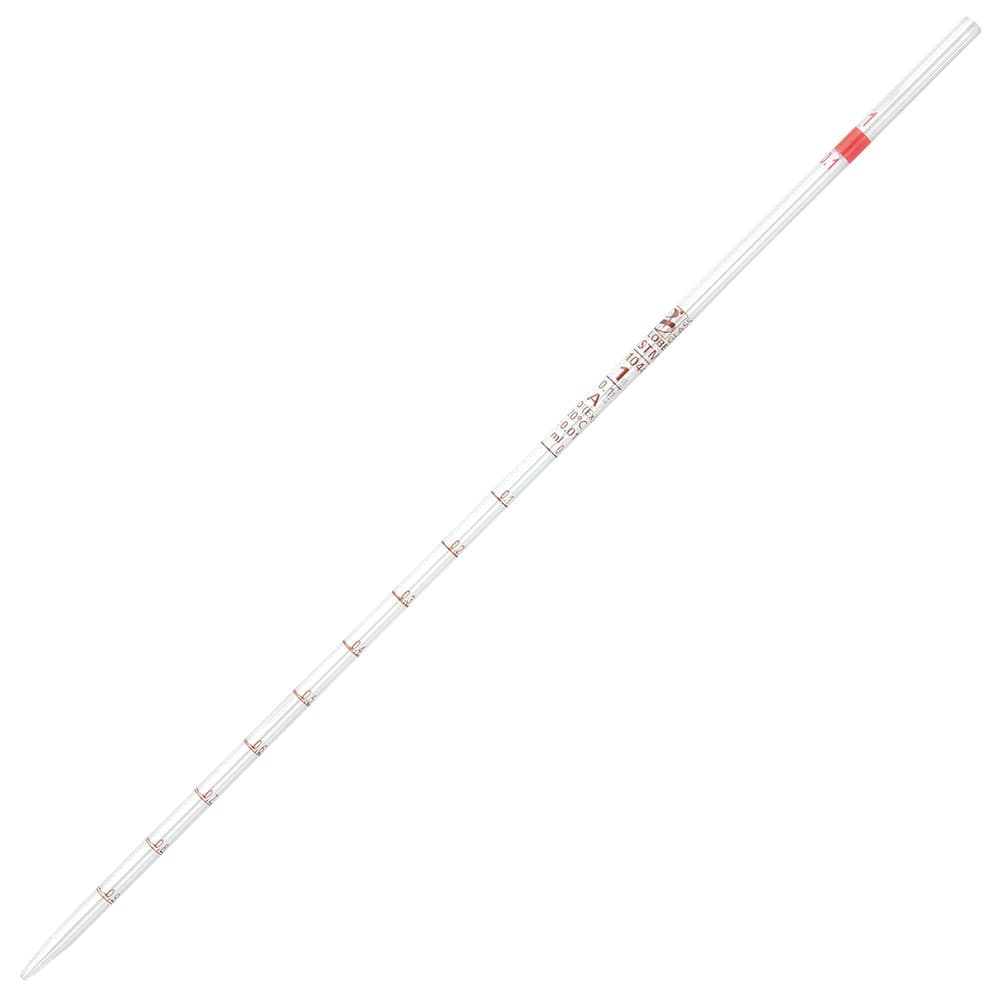
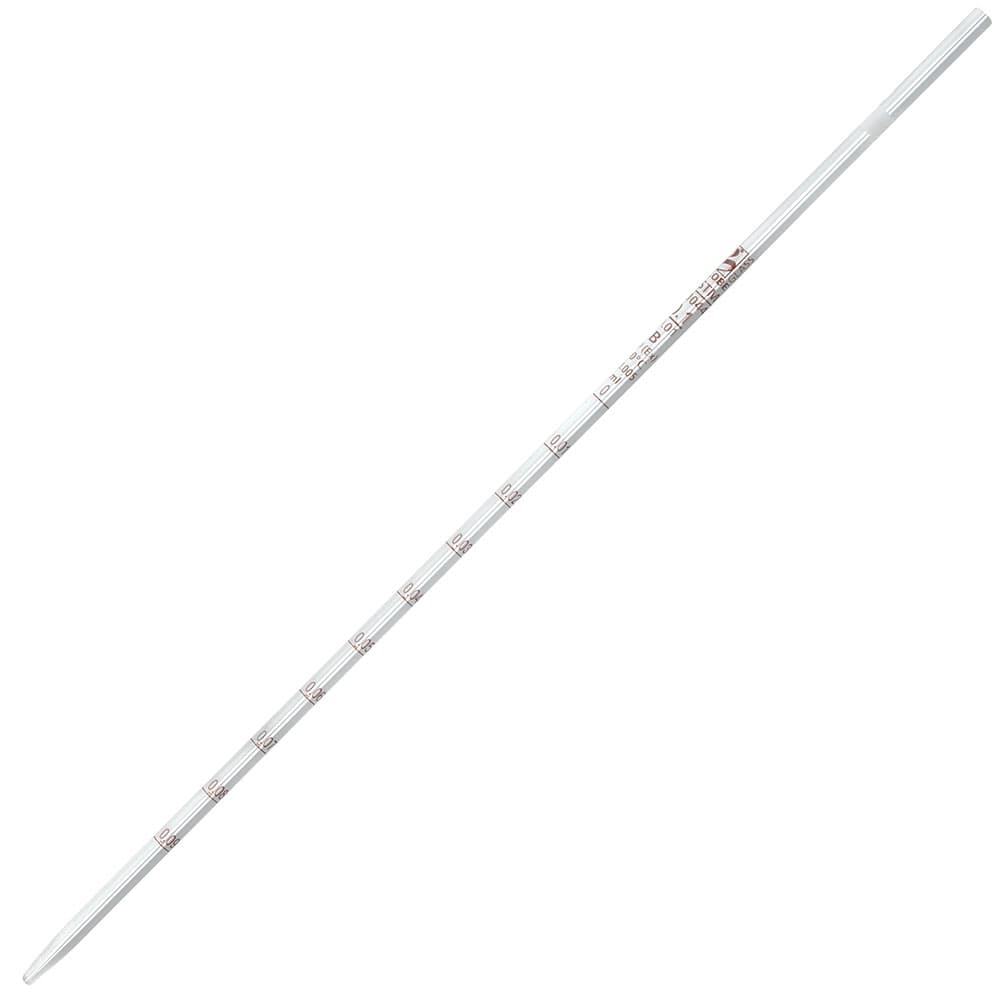
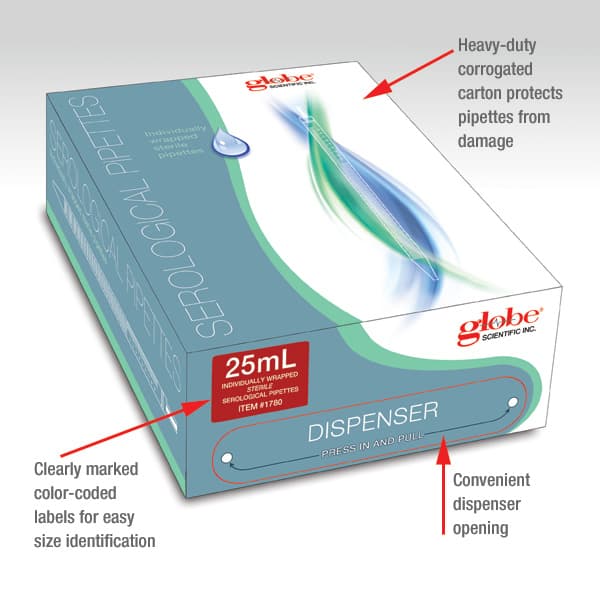

Showing 1 to 11 of 11 results
What Are Serological Pipettes?
Serological pipettes are calibrated, graduated, sterile polystyrene disposable pipettes used with a motorised pipette controller to transfer measured volumes of liquid in the 1–100 mL range. They are the primary tool for cell culture media transfer, buffer preparation, reagent dispensing in volumes above 1 mL, and serial dilutions requiring volumetric accuracy in the millilitre range. They differ from aspirating pipettes — which have no graduations and are used only for vacuum-assisted waste removal — and from microcentrifuge tubes, which are not dispensing instruments. Serological pipettes are the correct format for any measured liquid transfer ≥1 mL in cell culture or reagent preparation; pair them with a motorised pipette controller for safe, ergonomic operation.
What you will find:
- 1 mL to 50 mL Serological Pipettes – Standard range for routine and high-volume liquid transfer
- Glass Serological Pipettes – Reusable options for solvent resistance and durability
- Sterile Serological Pipettes – Gamma-sterilized for aseptic laboratory use
- Non-Sterile Serological Pipettes – Cost-effective option for general applications
- Graduated Serological Pipettes – For accurate volume measurement and dispensing
How to Choose Serological Pipettes
Volume: Standard Sizes and ISO 7550 Colour Coding
ISO 7550 assigns a specific colour code to each serological pipette volume: 1 mL = red; 2 mL = yellow; 5 mL = blue; 10 mL = orange; 25 mL = green; 50 mL = purple (pink/violet depending on supplier). Colour coding allows quick visual volume identification when multiple sizes are in use simultaneously in a BSC.
Packaging: Individual Wrap vs Bulk
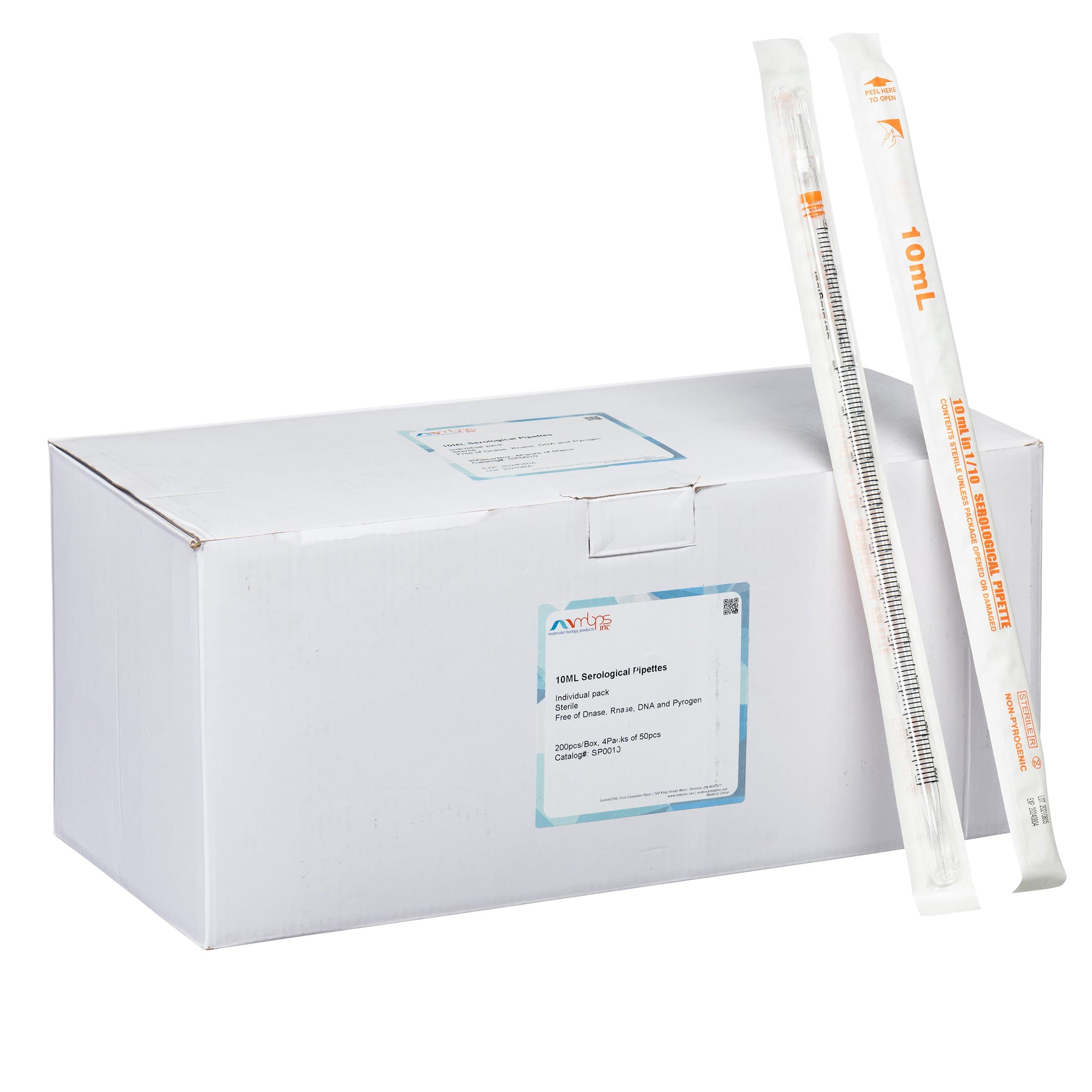
Individually wrapped sterile pipettes are required for cell culture, molecular biology, and aseptic technique. Plastic/plastic peel-open packaging eliminates paper particulate from paper/plastic wrappers — important in sensitive cell culture applications and for RNA work. Bulk-packed (canister or bag) formats are cost-effective for non-sterile applications such as buffer preparation and reagent dispensing in fume hoods.
Construction: 1-Piece vs 3-Piece
1 mL, 2 mL, and 5 mL serological pipettes are typically one-piece moulded polystyrene constructions. 10 mL, 25 mL, and 50 mL pipettes use 3-piece ultrasonically welded construction (Globe Scientific) for the body-to-cone and body-to-cap joints — essential for the structural integrity of larger formats under aspiration vacuum.
Tip and Graduation Features
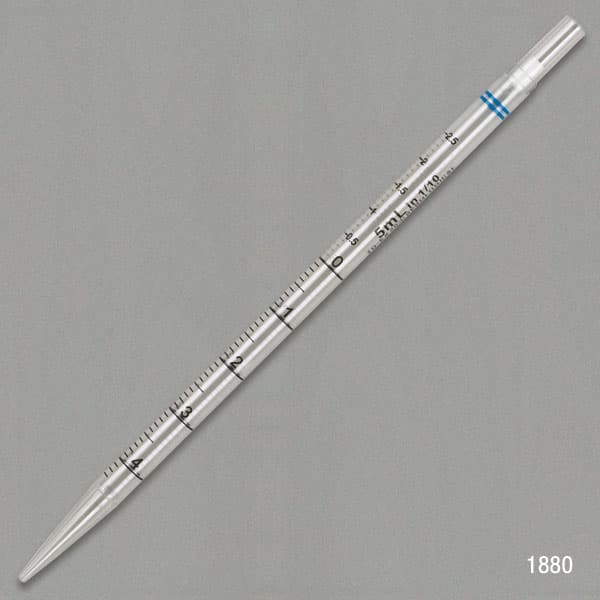
Negative graduations (markings above the nominal maximum) allow volumes slightly above nominal to be read. Fine-point tips with slow drip-off improve pipetting accuracy during cell culture media transfers. Some brands offer Wobble-not-style pipettes with reduced barrel flex for easier single-hand operation.
Filter Plug Material
Cotton filter plugs are standard; synthetic plugs (polyethylene or polypropylene) are preferred when processing organic solvents or any media that might wick through a cotton plug.
Compare Serological Pipette Volumes
- 1 mL – Red ISO 7550 colour, 1-piece construction, 0.01 mL graduations; used for small-volume media transfer.
- 2 mL – Yellow ISO 7550 colour, 1-piece construction, 0.1 mL graduations; used for buffer preparation.
- 5 mL – Blue ISO 7550 colour, 1-piece construction, 0.1 mL graduations; used for media preparation and dilutions.
- 10 mL – Orange ISO 7550 colour, 3-piece construction, 0.1 mL graduations; used for flask media changes.
- 25 mL – Green ISO 7550 colour, 3-piece construction, 0.5 mL graduations; used for bulk media dispensing.
- 50 mL – Purple ISO 7550 colour, 3-piece construction, 1.0 mL graduations; used for large flask media changes.
Specifications Context
Serological pipettes are manufactured from optically clear virgin polystyrene in Class 100,000 cleanroom conditions. Sterility: individually wrapped pipettes are EO-sterilised to SAL 10⁻⁶; non-pyrogenic, non-cytotoxic, DNase-free, and RNase-free per lot. ISO 7550 defines colour coding for serological pipettes; many US suppliers follow this standard, though it is not universally mandated. Calibrated to deliver (TD) with blow-out (marked with a double band or 'TD' marking) — all liquid must be expelled from the tip for accurate delivery. Globe Scientific, Nest Scientific, and Falcon remain the dominant serological pipette brands in North American cell culture labs.
Improve consistency and reduce handling variation with reliable serological pipette solutions. Request a quote from the expert team at Molecular Biology Products Inc. (MBP).
FAQ