Reagent Reservoirs for Multichannel Pipetting and Automated Liquid Handling
Reagent reservoirs are disposable or reusable polypropylene or polystyrene troughs holding 10–300 mL of liquid reagent for repetitive dispensing with 4-, 8-, and 12-channel multichannel pipettes and automated liquid handlers. V-bottom designs minimize dead volume; polypropylene formats are DMSO-safe and autoclavable at 121 °C. Globe Scientific lines cover 10/25/50 mL sterile-wrapped (SAL 10⁻⁶) and bulk formats; Nest Scientific robotic PP reservoirs conform to SBS/ANSI standards. MBP ships to labs across the United States, Canada, and internationally with PO and Quick Order at mbpinc.net.
Need help selecting the right reagent reservoirs for your liquid handling workflow? Contact customerservice@mbpinc.net for product recommendations, pricing, and procurement support.
Reagent Reservoirs
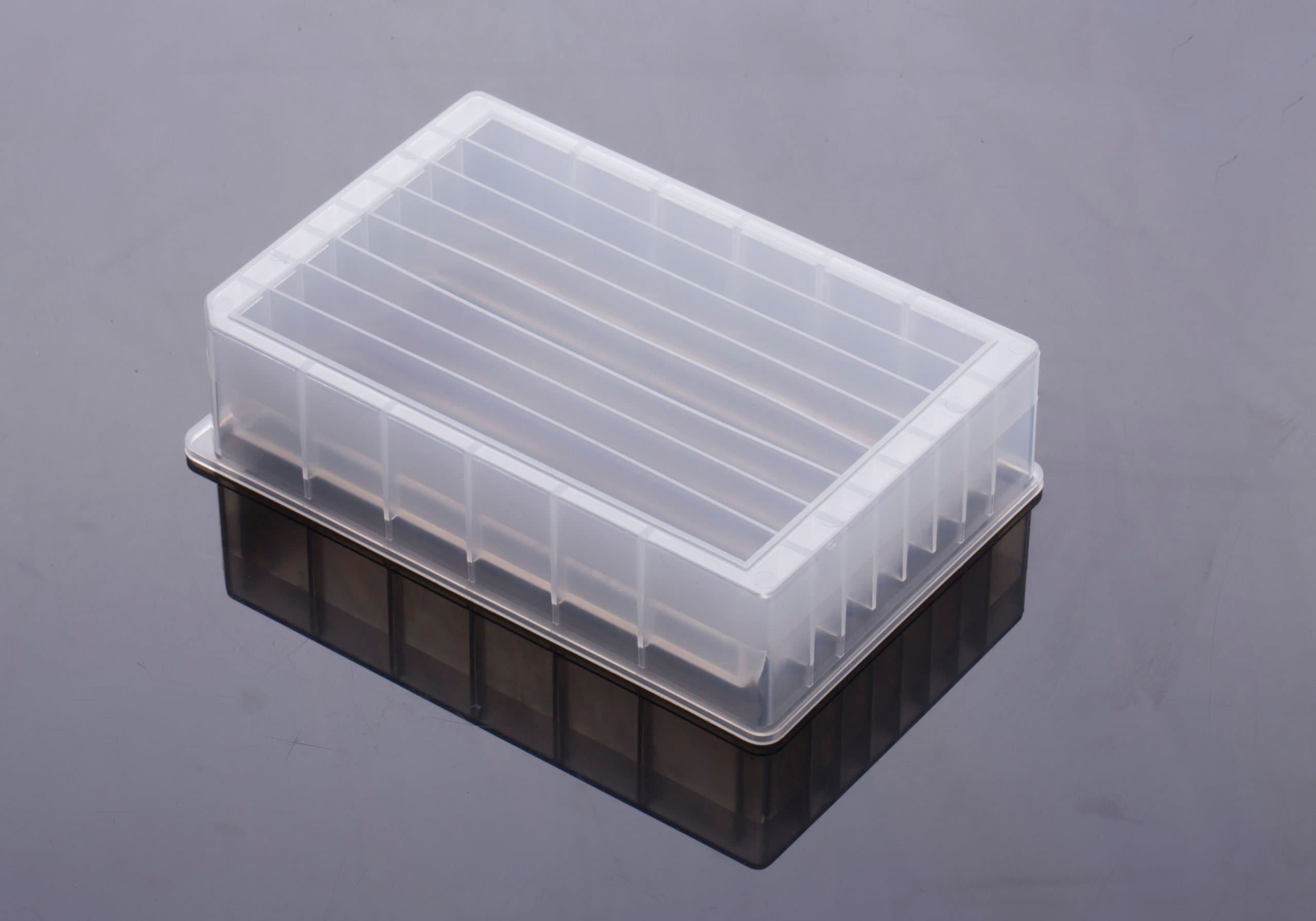
Showing 1 to 5 of 5 results
What are reagent reservoirs?
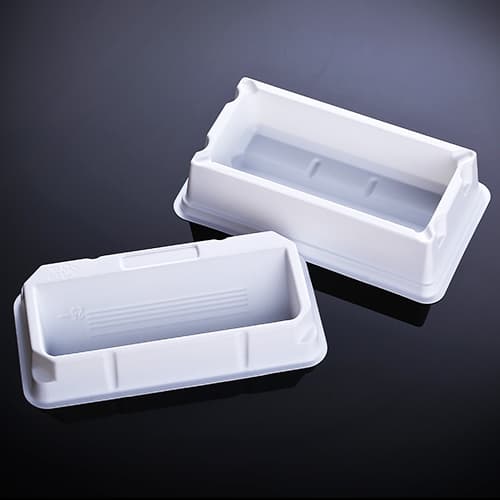
Reagent reservoirs are plastic troughs used to hold liquid reagents during multichannel pipetting. They are designed so that 8- or 12-channel pipettes can draw liquid from a shared pool at the same time, which makes filling 96-well or 384-well plates much faster and more consistent.
They are commonly used in ELISA, PCR/qPCR setup, cell culture, high-throughput screening, and general laboratory liquid handling. Instead of repeatedly aspirating from small tubes for each channel, the multichannel pipette dips into the reservoir once and distributes the reagent across multiple wells efficiently.
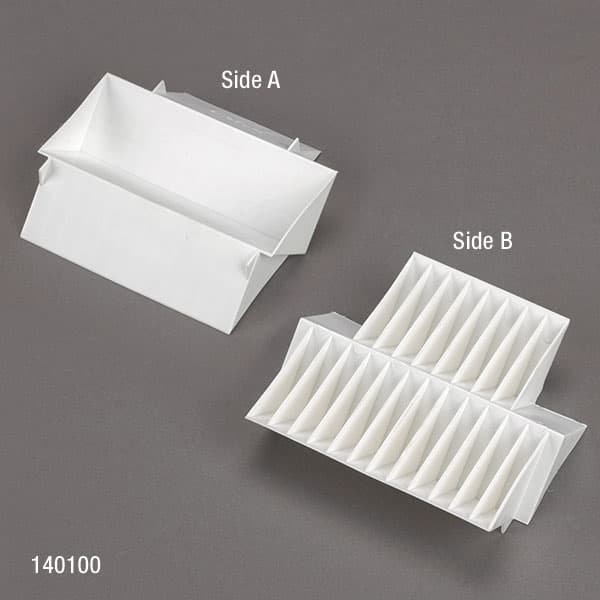
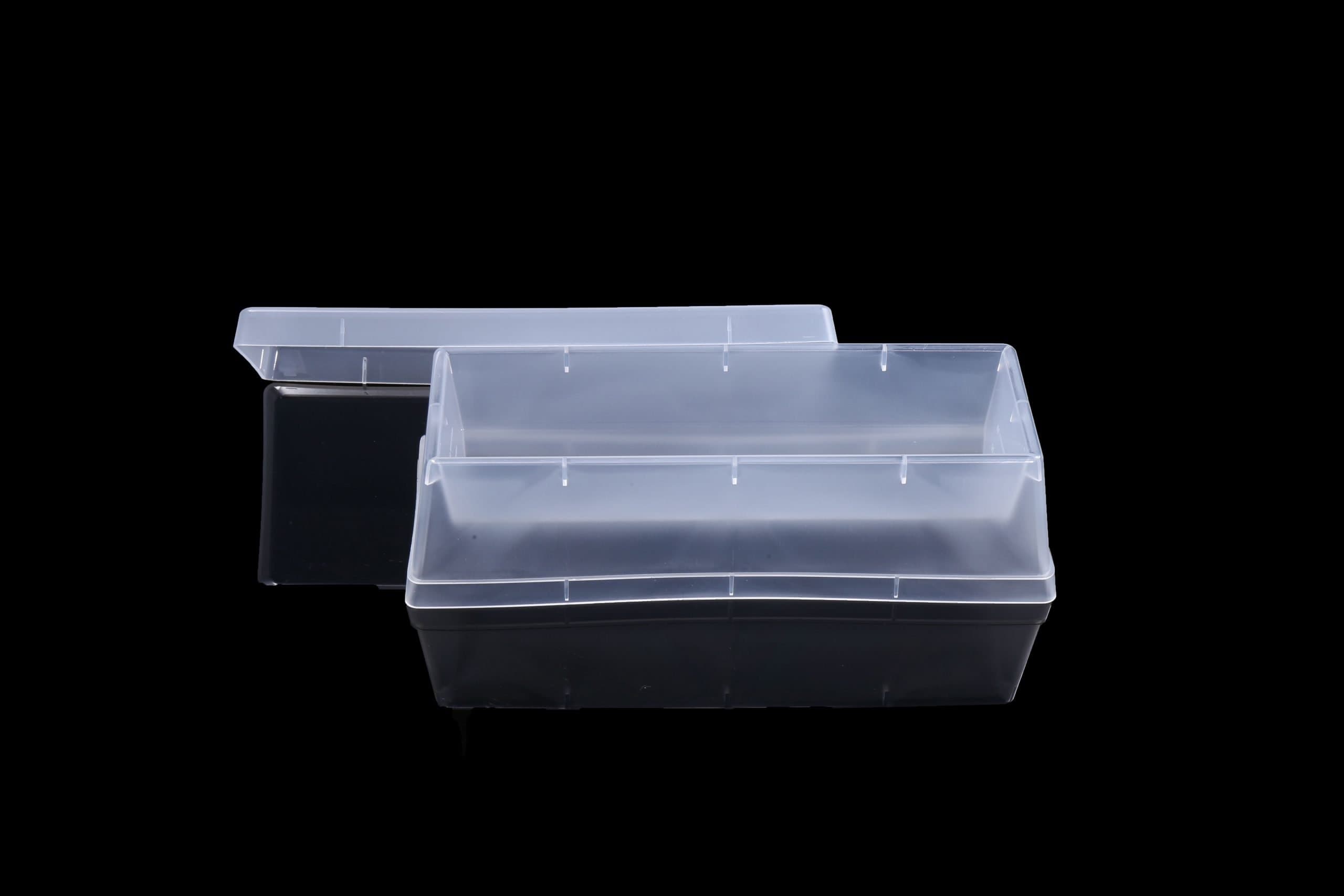
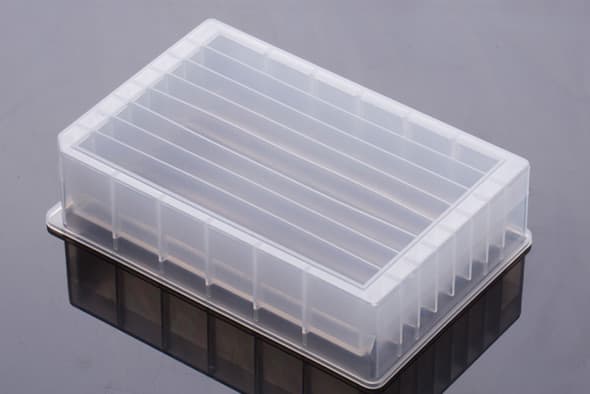
Reagent reservoirs are available in disposable or reusable formats and are typically made from polystyrene (for aqueous, low-risk reagents) or polypropylene (for stronger chemical resistance and reusable/autoclave applications). Some designs are single troughs, while others include multiple chambers or are compatible with robotic liquid handling systems.
What you will find:
-
Individually wrapped sterile options for sensitive assays and cost-effective non-sterile units for routine use.
-
Unique V-shaped bottoms and clear graduations to minimize reagent waste and ensure maximum recovery.
-
Disposable inserts to prevent cross-contamination or durable reusable reservoirs for high-volume tasks.
-
Full compatibility with existing pipette tips and plates for a seamless, uninterrupted workflow.
How to choose reagent reservoirs
Volume
Select reservoir volume based on how much reagent is needed for your workflow. Smaller reservoirs (around 10–25 mL) are suitable for routine ELISA or PCR setups, while larger volumes (50–100 mL or more) are used for multi-plate runs or high-throughput workflows where the same reagent is dispensed repeatedly.
Material (PP vs PS)
Polypropylene reservoirs are chemically resistant and can handle solvents like DMSO, ethanol, and other harsher reagents. They are also autoclavable, making them suitable for sterile or reusable workflows. Polystyrene reservoirs are more cost-effective and typically used for aqueous buffers, ELISA reagents, and general non-hazardous laboratory work.
Bottom design
V-bottom or pyramid-bottom reservoirs reduce leftover liquid by guiding the reagent toward the pipette tip area. This helps minimize waste, which is especially important when working with expensive reagents like antibodies or fluorescent dyes.
Sterile vs non-sterile
Sterile reservoirs are used in cell culture, clinical workflows, and any application requiring aseptic handling. Non-sterile versions are sufficient for PCR, ELISA, and most routine molecular biology tasks.
Single-use vs reusable
Disposable reservoirs reduce contamination risk and simplify workflow changes between reagents. Reusable polypropylene reservoirs are preferred in high-throughput labs that repeatedly use the same reagents and want to reduce consumable cost.
Automation compatibility
For robotic systems, reservoirs must match SBS/ANSI footprint standards and be compatible with liquid handling platforms like Hamilton, Tecan, Beckman, or Agilent. Low-profile designs help ensure proper clearance for automated pipetting heads.
Specifications context
Reagent reservoirs are manufactured in standardized SBS/ANSI footprints to ensure compatibility with manual and automated pipetting systems. Material selection determines chemical resistance, sterilization capability, and reuse potential. As of 2026, polypropylene reservoirs are increasingly preferred in high-throughput and compound screening laboratories due to their durability, chemical compatibility, and suitability for automation workflows.
Enhance your lab efficiency with dependable liquid handling solutions. Contact the Molecular Biology Products Inc. team to find the right reagent reservoirs for your applications.
FAQ