Volumetric Flasks for Accurate Solution Preparation
Volumetric flasks are precision borosilicate glass vessels with a narrow neck and single calibration mark used to prepare solutions of exactly known concentration. MBP stocks Globe Scientific volumetric flasks in Class A (ASTM E288 / ISO 1042 certified, for analytical and quality-control work) and Class B (for routine lab use) formats, plus wide-mouth variants for solid solute dissolution.
Available for labs across the US, Canada, and worldwide, ordering by PO or Quick Order. Contact customerservice@mbpinc.net to request a quote today!
Volumetric Flasks
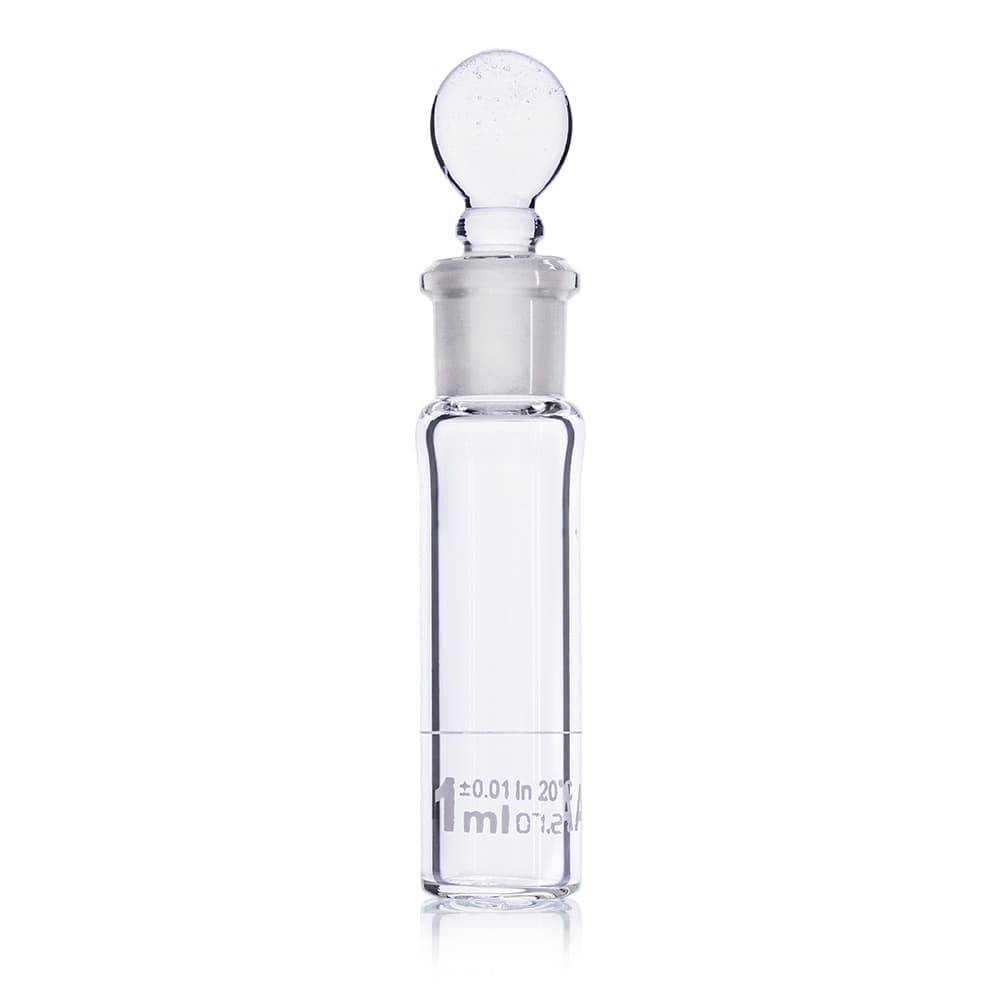
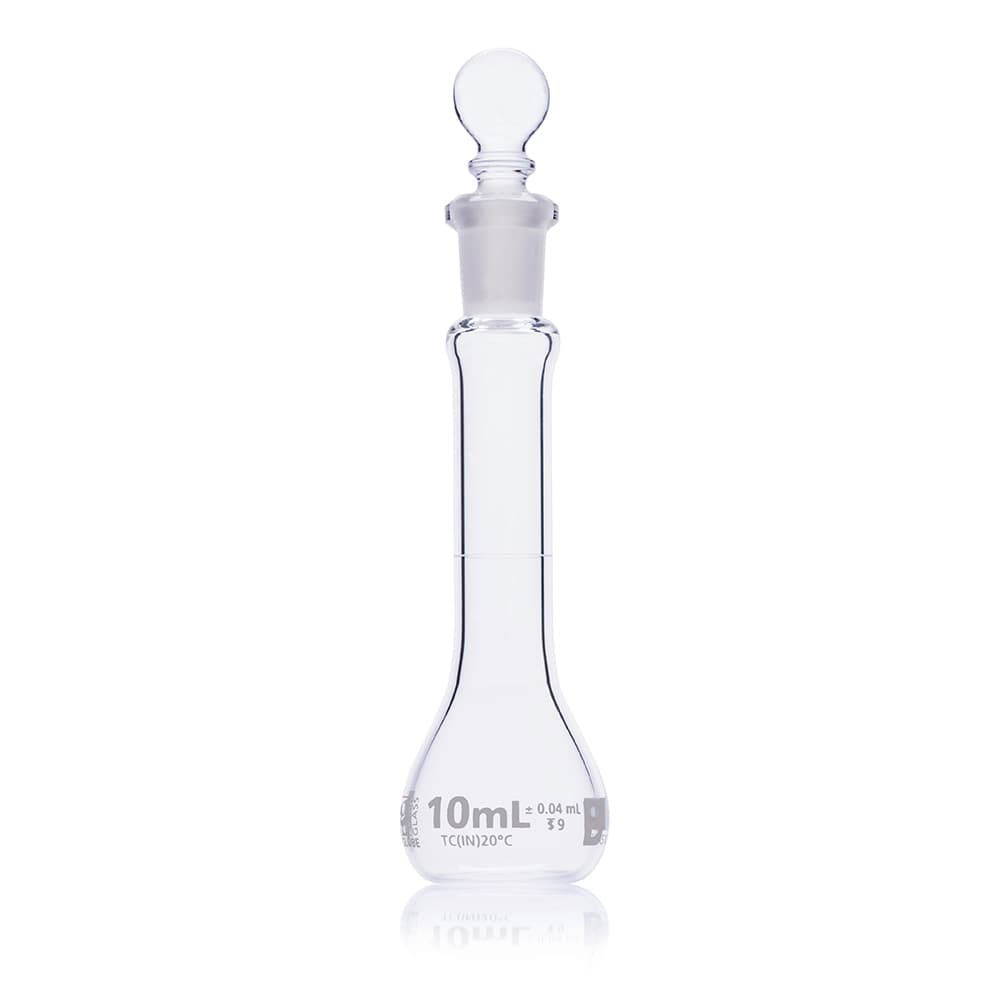
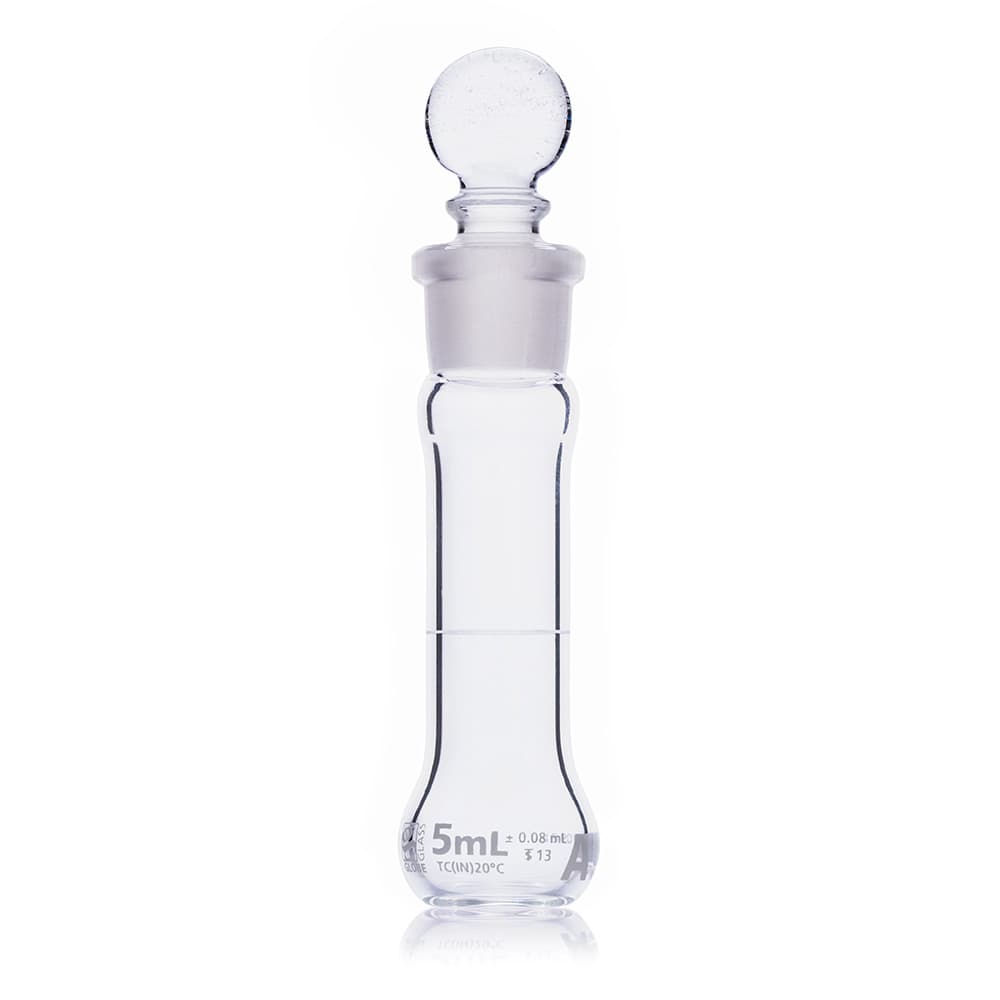

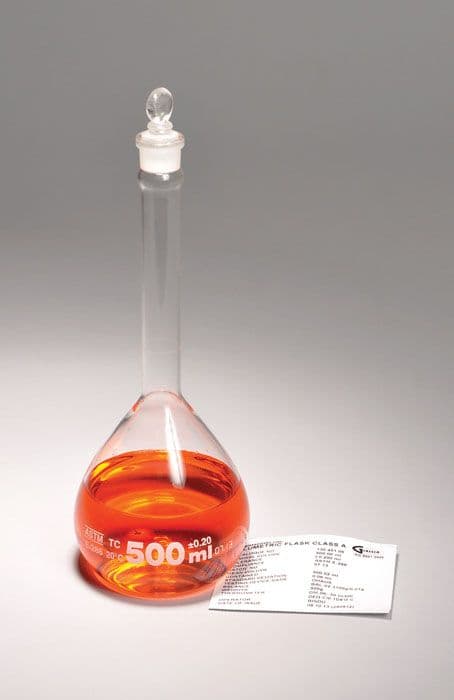
Showing 1 to 12 of 15 results
What Are Volumetric Flasks?
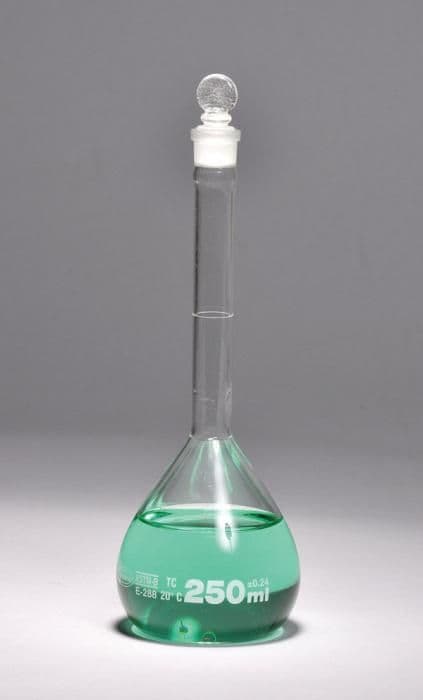
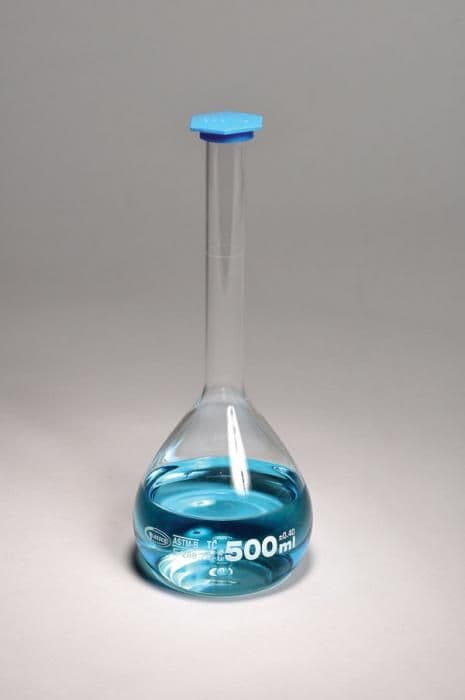
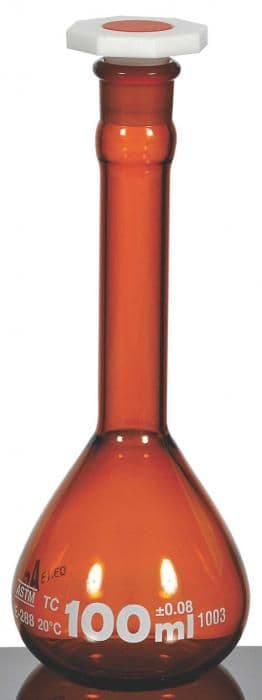
Volumetric flasks are precision-calibrated glass vessels with a flat-bottomed pear-shaped body, a long, narrow neck, and a single etched or ceramic-printed calibration mark at the neck. They hold a precisely defined volume of liquid at a specified temperature (20°C) — used to prepare standard solutions of exactly known molarity or concentration, dilute samples to a defined final volume for analytical work, and make reference standards in analytical chemistry and quality control. Globe Scientific volumetric flasks at MBP are manufactured from borosilicate glass conforming to ASTM E288 and ISO 1042, with Class A (tightest tolerance) and Class B (2× Class A tolerance) options. Choose Class A volumetric flasks for analytical chemistry, standard solution preparation, and regulated QC work; choose Class B for routine dilutions and non-critical volumetric preparation.
What you will find
-
Class A volumetric flasks for the highest precision analytical work.
-
Class B glassware for routine laboratory liquid measurements.
-
Wide-mouth flasks for easy filling and mixing of solid solutes.
How to Choose Volumetric Flasks
Class A vs. Class B
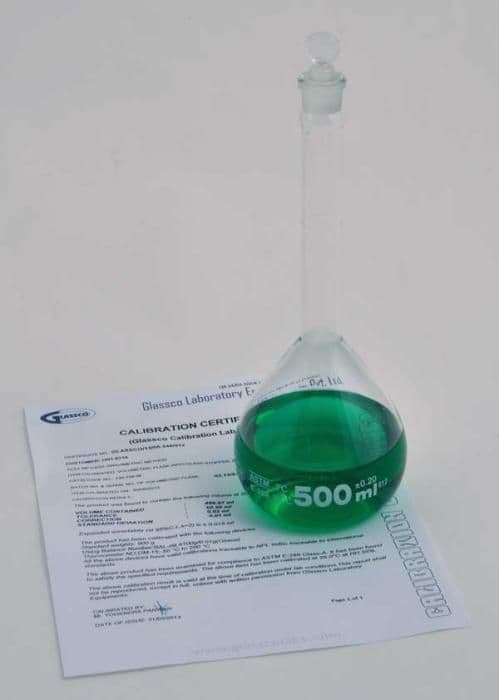
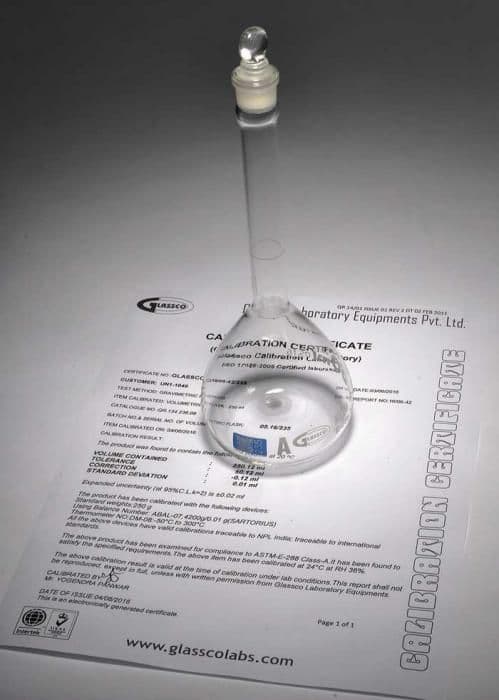
Class A volumetric flasks conform to ASTM E288 / ISO 1042 Class A tolerances — e.g., ±0.10mL on a 100mL flask, ±0.30mL on a 500mL flask, ±0.40mL on a 1,000mL flask. Class B flasks have tolerances exactly twice as wide as Class A. Class A flasks may include individual calibration certificates (traceable to NIST) and batch Certificates of Conformance for regulated laboratory environments.
Wide-Mouth vs. Standard
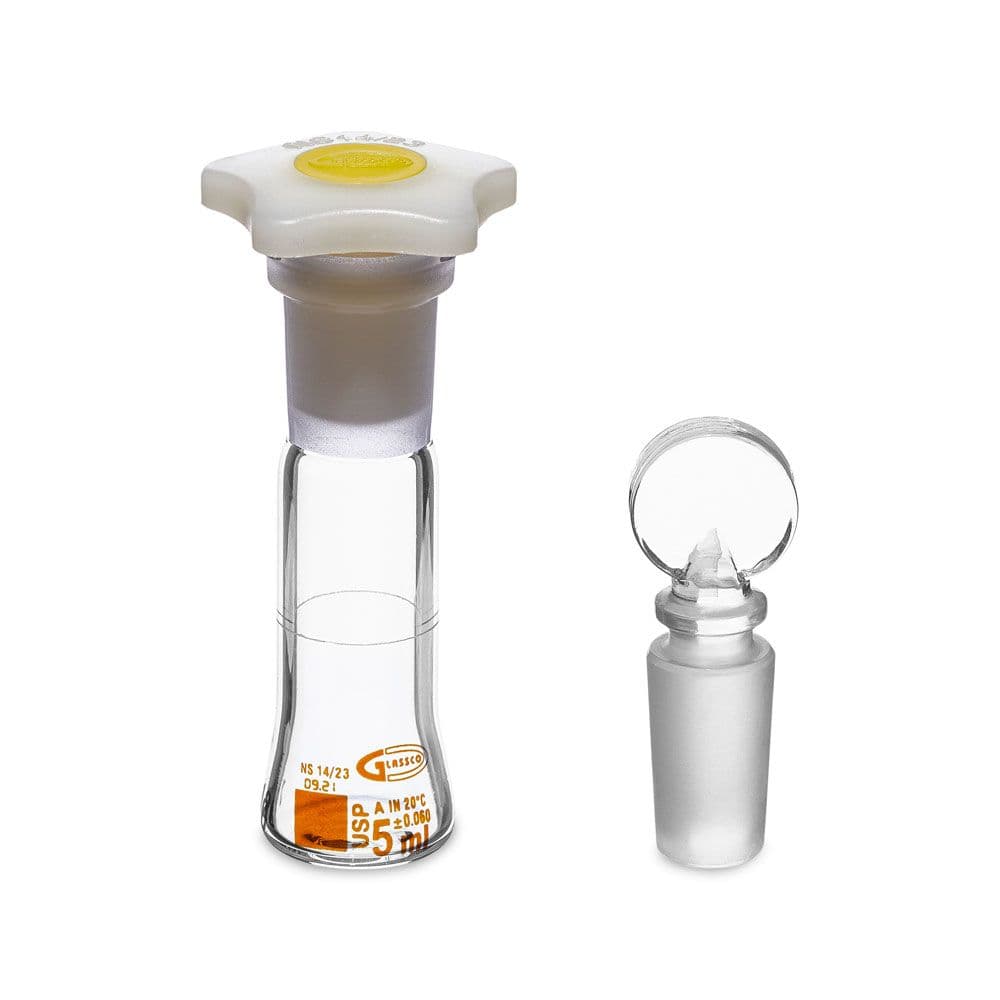
Standard volumetric flasks have a narrow neck opening suited for liquid-to-liquid dilution. Wide-mouth volumetric flasks have a larger neck opening designed for dissolving solid solutes — pellets, powders, and slow-dissolving materials — where a narrow neck would cause solid-to-wall contact and residue loss during transfer.
Size and Fill Procedure
Common analytical sizes: 25mL, 50mL, 100mL, 250mL, 500mL, 1,000mL. Correct fill technique: dissolve solute in a small volume of solvent first in a separate beaker, cool to 20°C, transfer quantitatively to the flask, then add solvent gradually to within a few mL of the mark, mix, then make up to the mark dropwise.
Stoppers: Glass vs. Polyethylene
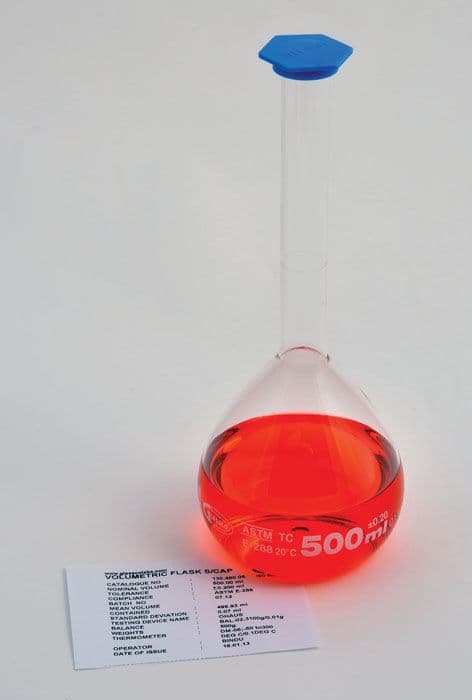
Glass ground-glass stoppers are chemically inert for most reagents. Polyethylene (PE) caps are recommended for strong base solutions (NaOH) or HF — reagents that can etch glass or cause stoppers to seize in the neck.
Specifications Context
Globe Scientific volumetric flasks are manufactured from borosilicate glass 3.3 conforming to ASTM E288 and ISO 1042. Calibrations are specified at 20°C — temperature deviations shift the enclosed volume due to glass and liquid thermal expansion. Volumetric flasks should not be used as heating vessels; heat causes volume drift from the calibrated mark. Class A tolerance for a 250mL flask is ±0.15mL; for a 1,000mL flask, ±0.40mL. MBP stocks Class A, Class B, and wide-mouth formats from Globe Scientific for labs worldwide.
Tired of second-guessing your dilutions? Ask the MBP Team for a quote right now. We help you hit the mark every time.
FAQ