Glass Culture Tubes for Microbiology and Cell Culture Applications
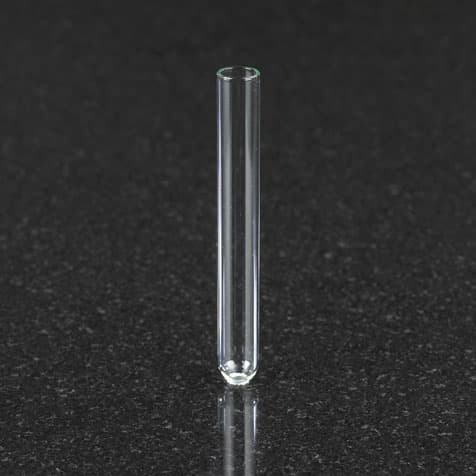
Glass culture tubes are cylindrical borosilicate glass vessels used for cell culture, serial dilution, reagent mixing, and incubation in microbiology and biochemistry workflows. Available in 16×75mm (8 mL) and 16×100mm (12 mL) formats, with rimless or screw-cap options. MBP stocks borosilicate and polystyrene formats in bulk case quantities for lab managers across the US, Canada, and worldwide, with direct ordering via Quick Order or purchase order.
Need help selecting the right glass culture tubes for your laboratory workflow? — Contact our team at customerservice@mbpinc.net for product recommendations, bulk pricing, and purchasing assistance.
Glass Culture Tubes
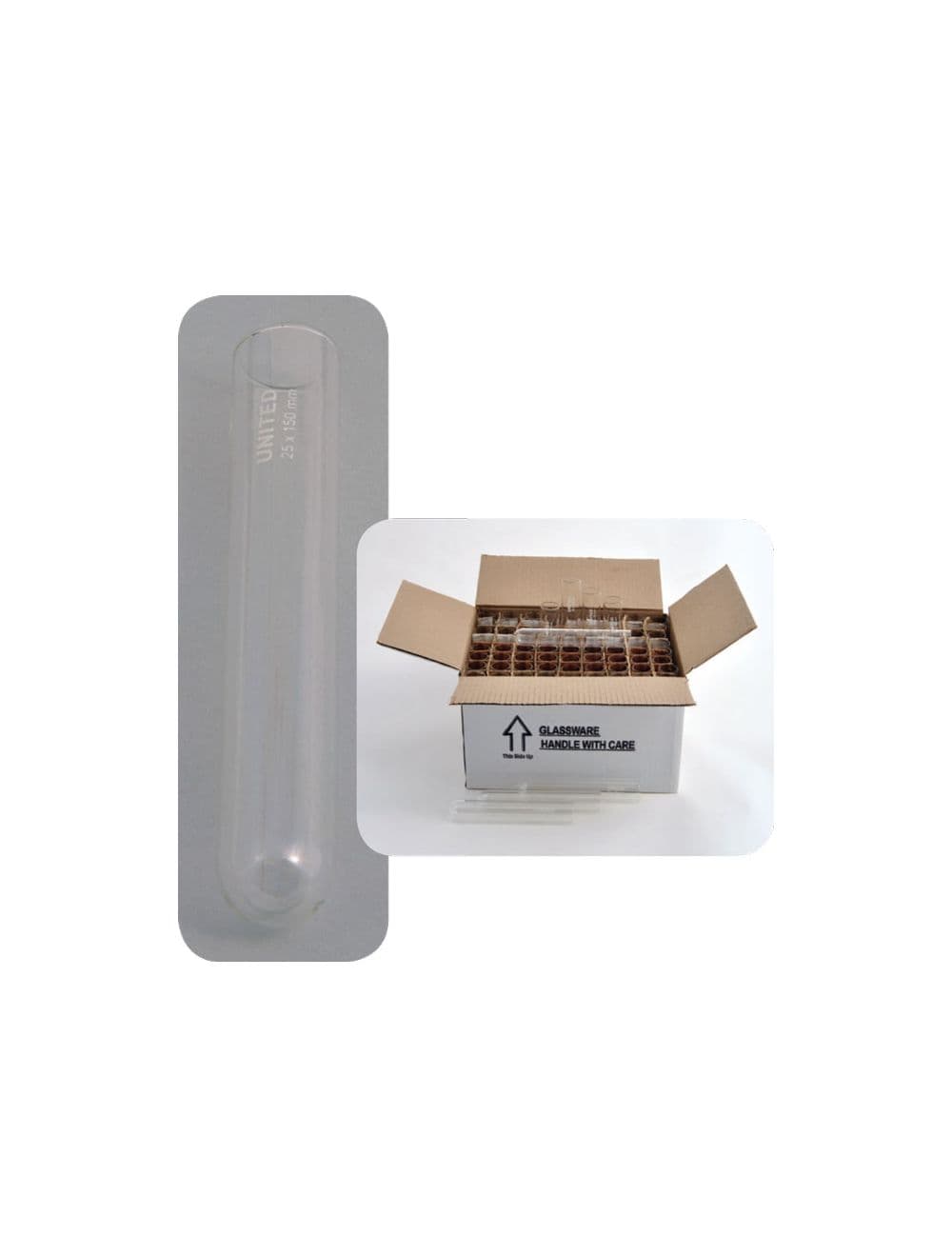
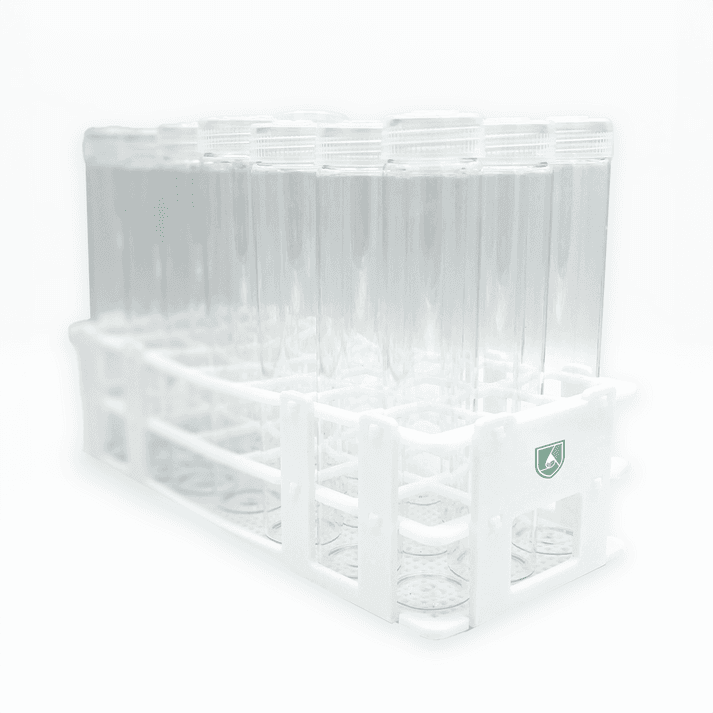
Showing 1 to 10 of 10 results
What Are Glass Culture Tubes?
Glass culture tubes are cylindrical laboratory vessels used for the cultivation, storage, and handling of biological samples, microbial cultures, and liquid reagents. Available in rimless, stopper-compatible, and screw-cap configurations, these tubes are commonly manufactured from borosilicate glass that meets USP Type I and ASTM E438 Type I Class B specifications. Unlike disposable plastic alternatives, borosilicate glass culture tubes withstand repeated autoclaving, exposure to aggressive chemicals, and routine laboratory sterilization procedures. They remain the preferred choice for reusable microbiology, clinical, and research laboratory applications where durability and chemical resistance are essential.
Choose borosilicate glass culture tubes when your workflow requires sterilization, chemical resistance, or repeated reuse. Choose polystyrene culture tubes for economical, single-use laboratory applications.
What you'll discover:
- High-grade Borosilicate Glass prevents cracking under extreme temperature shifts.
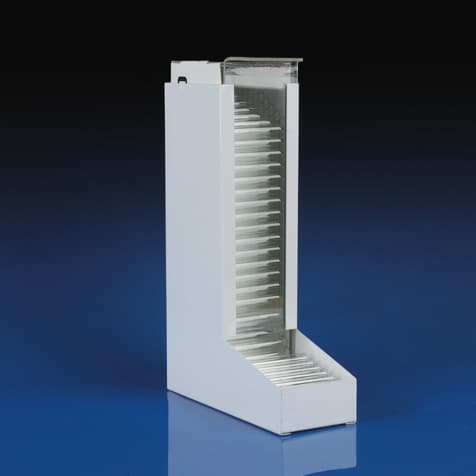
- Integrated Tube Dispensers ensure safe, one-handed access and organized storage.
- Uniform wall thickness guarantees consistent heating and cooling for every sample.
- Available in Borosilicate Glass for high-heat tasks or Polystyrene (PS) for daily lab use.
- Perfectly sized 16 x 75mm (8mL) configurations to fit universal laboratory racks.
How to Choose Glass Culture Tubes
Material: Borosilicate vs. Polystyrene
Borosilicate glass culture tubes offer excellent thermal and chemical resistance, making them suitable for repeated autoclaving at 121°C and exposure to most laboratory acids and bases. Their low extractable content minimizes contamination and pH changes during sensitive biological and chemical procedures. Polystyrene culture tubes provide excellent optical clarity and are commonly used for routine laboratory assays and serial dilutions, but they are intended for single-use applications and are not suitable for autoclaving.
Size and Capacity
The most commonly used culture tube sizes are 16 × 75 mm with an approximate capacity of 8 mL and 16 × 100 mm with an approximate capacity of 12 mL. Smaller formats such as 12 × 75 mm and 13 × 100 mm are also available for specialized applications. Selection should be based on sample volume requirements, incubation conditions, and compatibility with existing laboratory racks and equipment.
Rim Style and Cap Compatibility
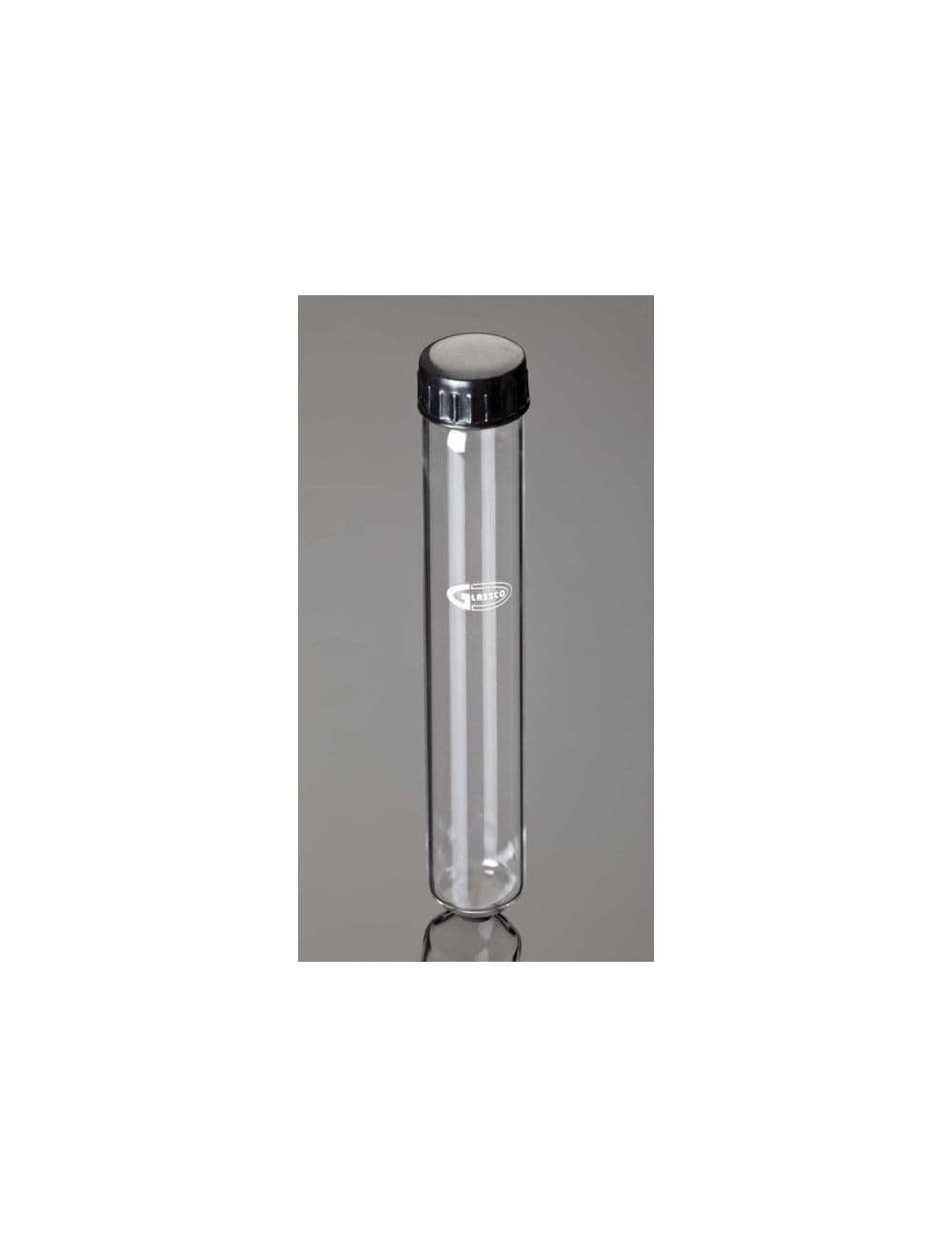
Rimless culture tubes are designed for use with cotton plugs, foam stoppers, or push-in closures and are widely used in microbiology laboratories. Screw-cap culture tubes provide a more secure seal for specimen transport, long-term storage, and contamination-sensitive applications. Laboratories should verify tube dimensions and rack compatibility before purchasing.
Quantity and Pack Format
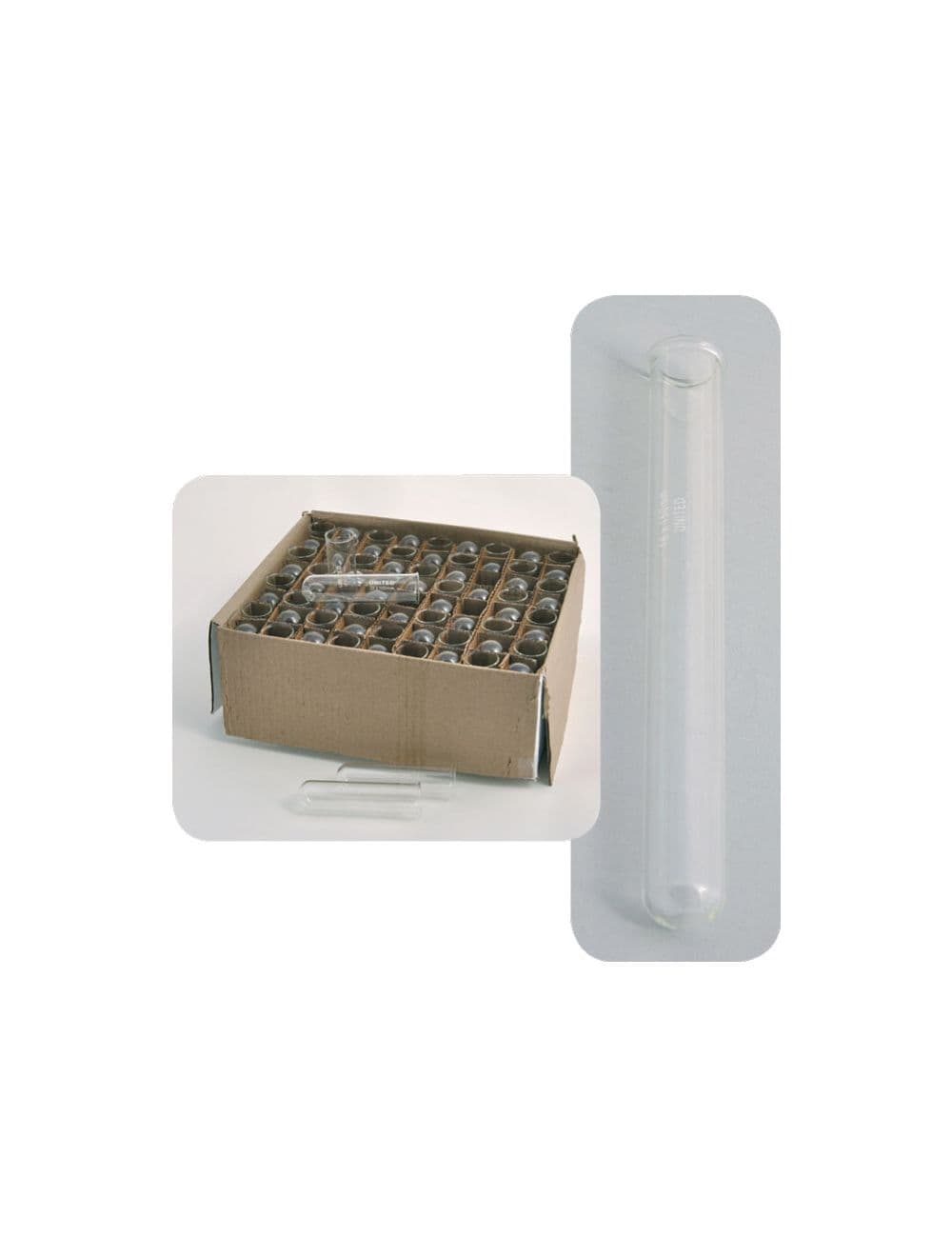
Culture tubes are commonly supplied in bulk quantities ranging from 250 to 1,000 units per case. High-volume laboratories often purchase case quantities to support routine testing, culture preparation, and clinical workflows while simplifying inventory management and purchasing processes.
Compare Glass Culture Tube Variants
Borosilicate Rimless Culture Tubes
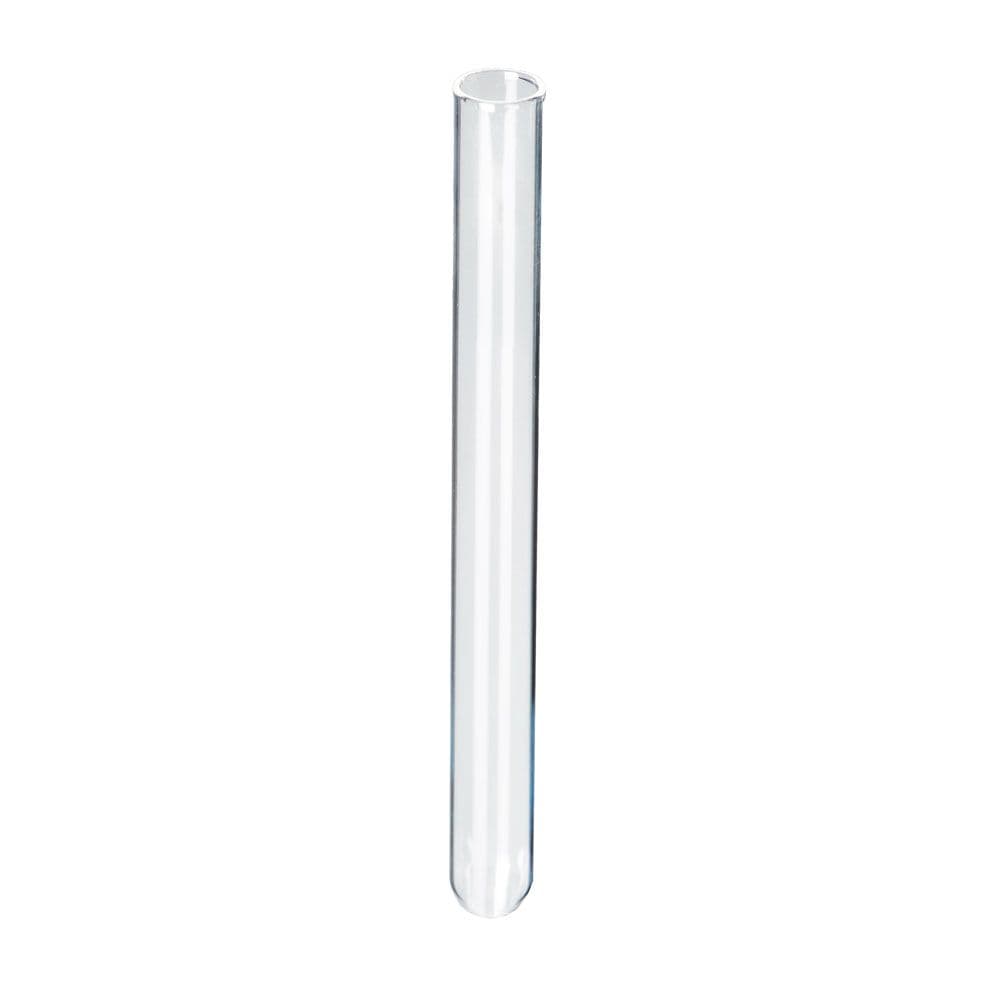
These reusable tubes are designed for repeated sterilization and microbiological culture applications. Compatible with cotton plugs and laboratory stoppers, they are commonly used in microbiology, cell culture, and general laboratory procedures where durability and autoclave compatibility are required.
Borosilicate Screw-Cap Culture Tubes
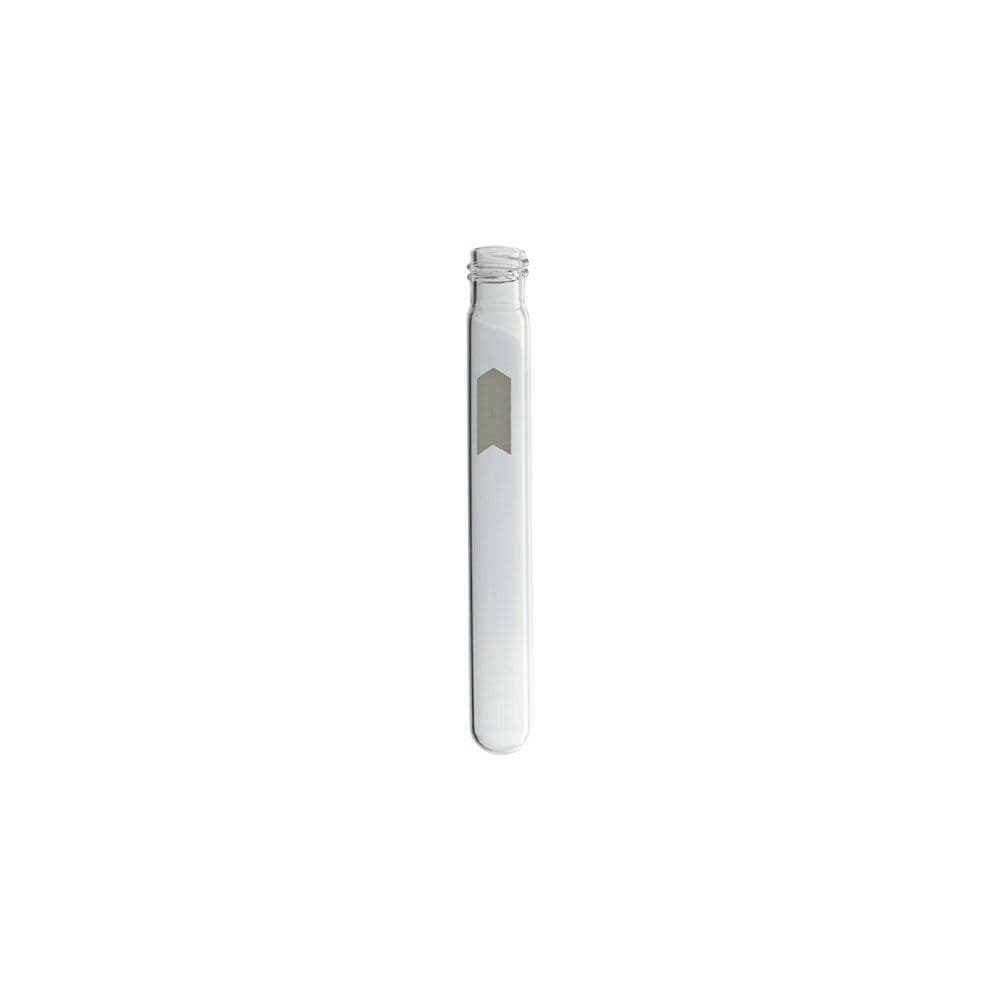
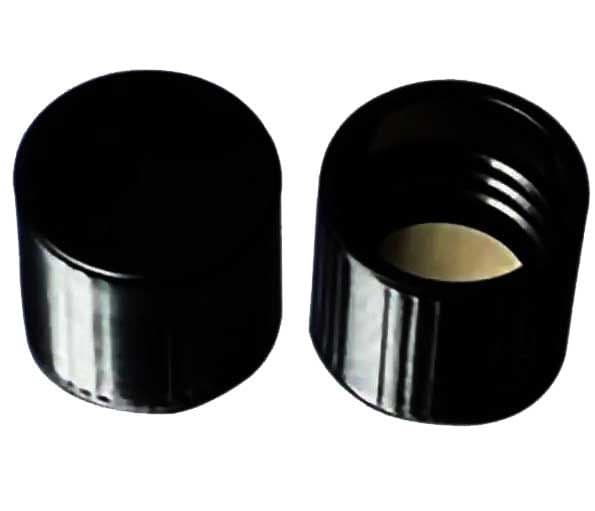
Featuring threaded closures for secure sealing, these tubes are ideal for specimen transport, reagent preparation, and long-term incubation studies. The screw-cap design minimizes contamination risk and reduces evaporation during storage.
Polystyrene (PS) Culture Tubes
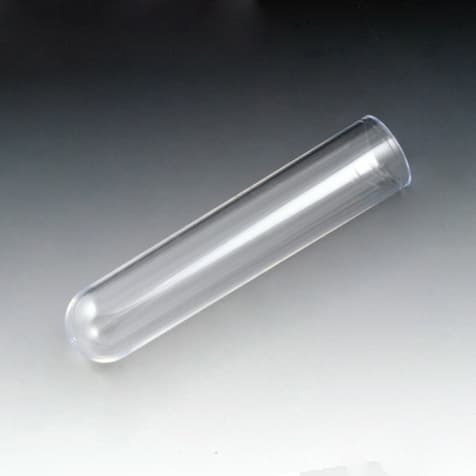
Polystyrene tubes provide excellent optical clarity and are intended for single-use laboratory applications such as serial dilutions, colorimetric assays, and ELISA preparation workflows. They offer a lower cost per tube compared with reusable glass alternatives.
16 × 75 mm (Approximately 8 mL) Culture Tubes
This compact format is commonly selected for low-volume cultures, blood culture screening, serial dilution procedures, and routine laboratory testing where smaller sample volumes are sufficient.
16 × 100 mm (Approximately 12 mL) Culture Tubes
The larger 12 mL format provides additional working volume for microbial enrichment broths, larger reaction mixtures, and culture applications requiring increased sample capacity.
Specifications Context
Borosilicate culture tubes manufactured to ASTM E438 Type I Class B and USP Type I standards provide superior resistance to thermal shock, chemical attack, and contamination compared with standard soda-lime glass. Their uniform wall thickness helps prevent stress fractures during repeated autoclave cycles and temperature changes. Tube dimensions should be matched to laboratory racks, holders, and centrifuge adapters to ensure proper fit and safe operation.
MBP supplies borosilicate and polystyrene culture tube formats in bulk case quantities for research, clinical, and industrial laboratories throughout the United States, Canada, and international markets. Related products include microscope slides, laboratory glassware, and other essential laboratory consumables.
Sick of watching your budget shatter every time a tube hits the floor or the autoclave? Explore our collection today and hit up our MBP Team for a quick quote.
FAQ