Cryogenic Storage Consumables for Biological Sample Preservation
Cryogenic storage consumables encompass the vials, freezer boxes, racks, and labeling materials required to preserve biological specimens at temperatures from −80°C to −196°C in ultra-low temperature freezers and liquid nitrogen systems. Core products include polypropylene cryogenic vials (1.2–5 mL, internal and external thread), cardboard and polycarbonate freezer boxes (25-, 81-, and 100-well), and cryogenic-grade racks. MBP carries Globe Scientific cryogenic products (ISO 9001:2015 certified) and ships to research, academic, and clinical labs across the US, Canada, and internationally. MBP is a registered vendor for Howard Hughes Medical Institute, Vanderbilt University, and MD Anderson Cancer Center.
Need help selecting the right cryogenic storage consumables for your laboratory? — Contact our team at customerservice@mbpinc.net for product recommendations, bulk pricing, and purchasing assistance.
Cryogenic Storage




Showing 1 to 12 of 63 results
What Is Cryogenic Storage?
Cryogenic storage is the long-term preservation of biological materials at ultra-low temperatures where biochemical activity effectively stops. These conditions are typically achieved using liquid nitrogen at −196°C, vapor-phase nitrogen storage between approximately −150°C and −190°C, or ultra-low temperature freezers operating at −80°C for certain non-viable sample archives. Cryogenic storage is widely used for cell line preservation, serum and plasma banking, microbial culture storage, DNA and RNA archiving, tissue sample preservation, and pharmaceutical research. A complete cryogenic storage system generally includes cryogenic vials, freezer boxes, storage racks, cryoprotective media, and specialized labeling products designed for ultra-low temperatures. Successful cryogenic storage requires containers and accessories specifically rated for the intended temperature range, as standard laboratory tubes and storage containers are not designed to withstand cryogenic conditions and may fail during storage.
What you will find:
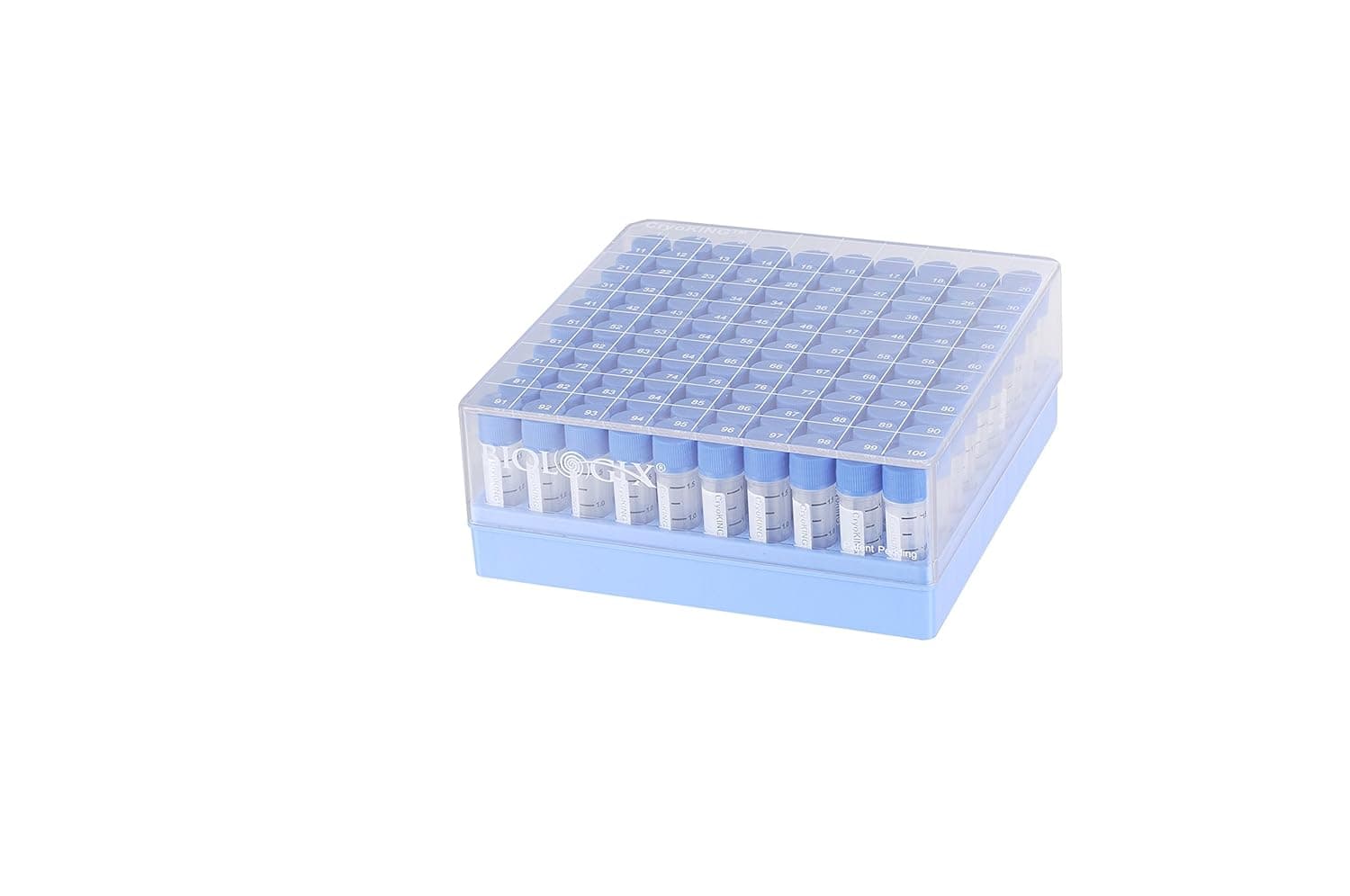
Cryogenic Vials
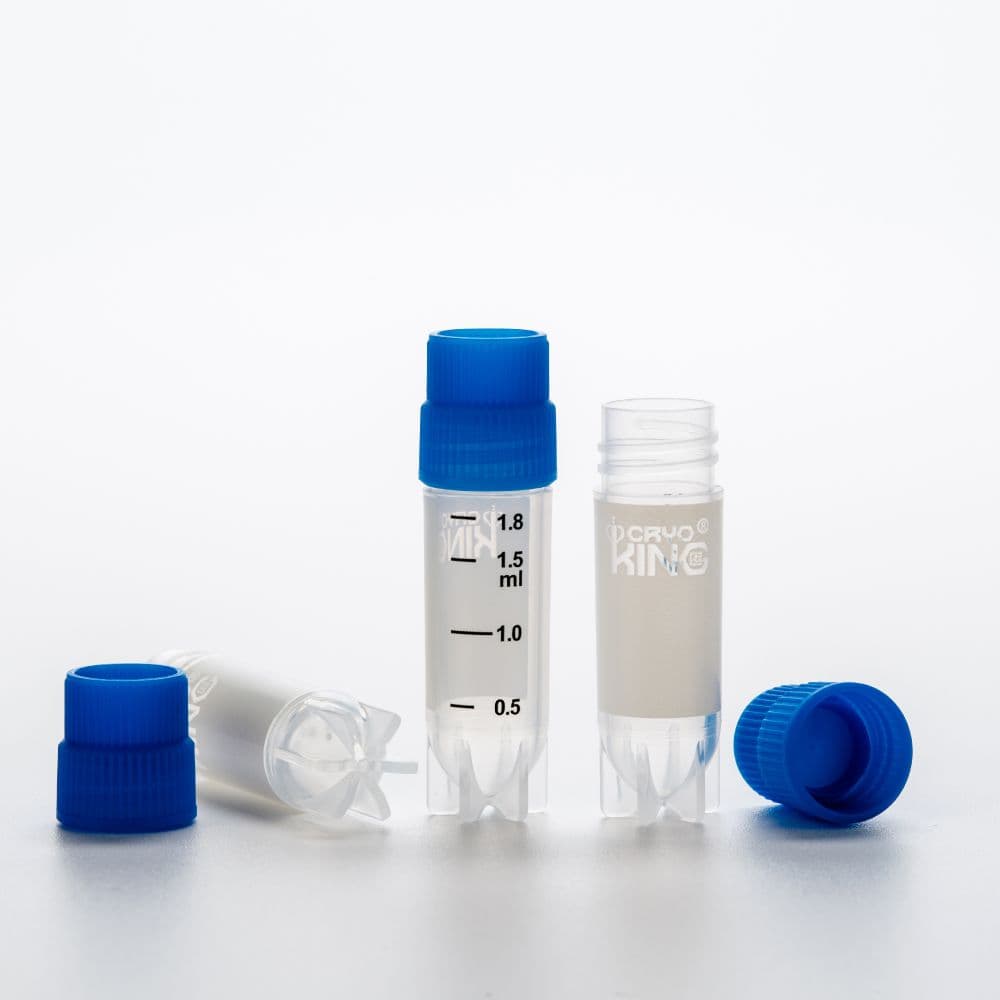
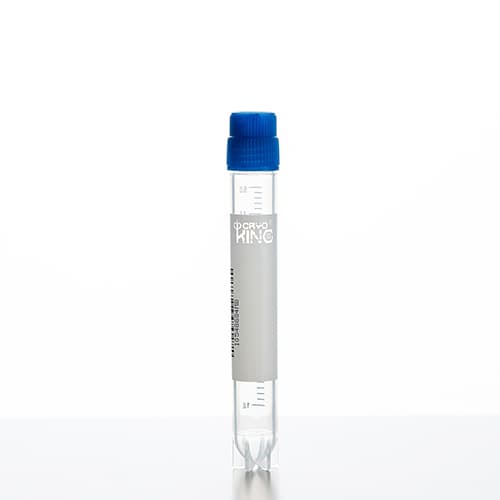
- Available in internal and external threading to suit your contamination-control protocols.
- Equipped with silicone O-rings or specialized screw caps to ensure a hermetic seal in ultra-low temperatures.
- Manufactured from low-binding, USP Class VI polypropylene that is sterile and pyrogen-free.
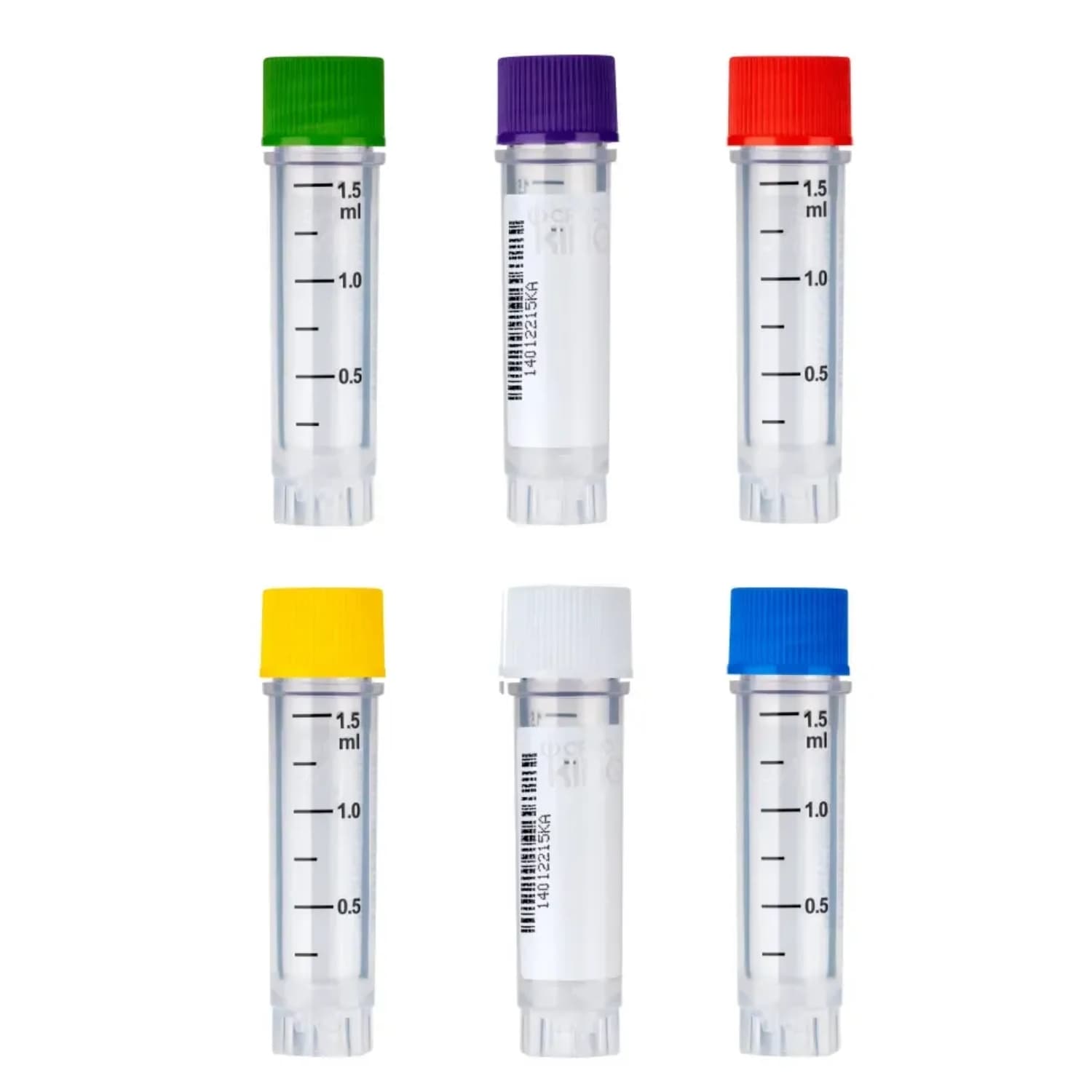
- Features large white writing areas and high-contrast graduations for easy sample identification.
How to Choose Cryogenic Storage Consumables
Vial Volume and Thread Type
Cryogenic vial size should be selected according to sample volume requirements. The most commonly used format is the 1.8–2.0 mL vial, which is suitable for cell lines, serum aliquots, and general biospecimen storage. Larger 3–5 mL vials are often chosen for tissue samples, microbial cultures, and glycerol stocks. Internal-thread vials help minimize contamination risks in sterile environments, while external-thread designs are frequently preferred in automated systems and high-throughput workflows because they are easier to handle with robotic equipment.
Container Material: Cardboard vs. Hard-Wall Storage Boxes
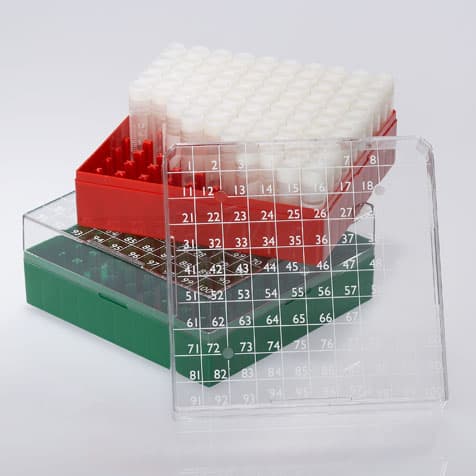
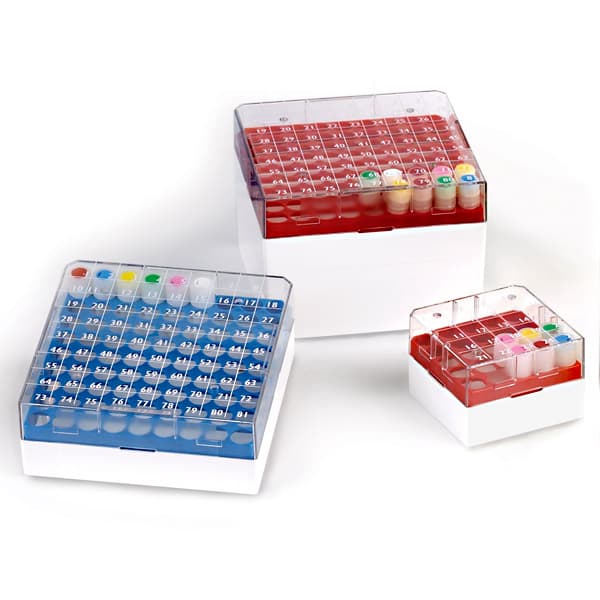
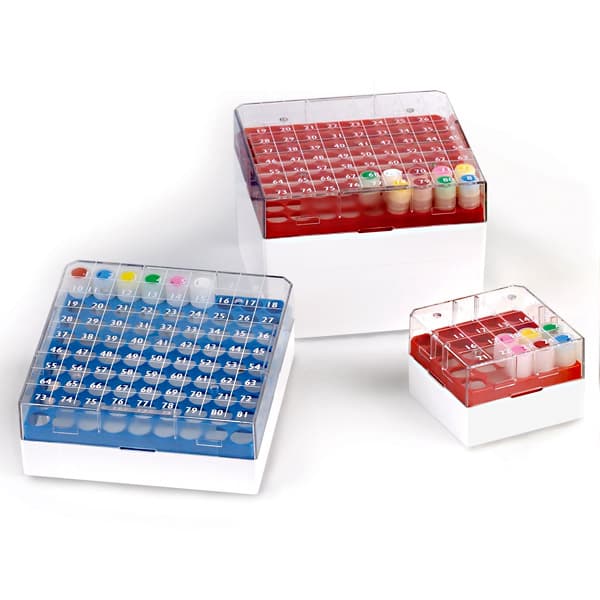
Storage boxes are available in different materials depending on how frequently samples will be accessed. Water-resistant cardboard freezer boxes provide a cost-effective solution for long-term archival storage in −80°C freezers and vapor-phase nitrogen systems. Polycarbonate hard-wall boxes offer greater durability and can withstand repeated handling, freeze-thaw cycles, and routine laboratory use without cracking or deforming, making them ideal for active sample collections.
Storage Phase: Vapor vs. Liquid Nitrogen
Vapor-phase storage is commonly selected for human biospecimens and regulated samples because it reduces the possibility of liquid nitrogen entering damaged containers and lowers the risk of cross-contamination. Liquid-phase storage provides the lowest achievable storage temperature and maximum thermal stability, but requires cryogenic vials specifically certified for direct liquid nitrogen immersion. The choice depends on regulatory requirements, sample type, and laboratory risk management practices.
Sterility and Certification
For cell culture, molecular biology, and clinical research applications, cryogenic consumables should be certified free from RNases, DNases, and pyrogens, and should be sterilized using validated processes such as gamma irradiation. Quality certifications, lot traceability, and certificates of conformity are often required for regulated laboratories and biobanking operations.
Specifications Context
Several key specifications should be reviewed when selecting cryogenic storage products, including minimum temperature rating, container material, sterility assurance level, and vial closure design. Polypropylene is the standard material for cryogenic vials due to its durability and resistance to ultra-low temperatures, while polycarbonate is commonly used for reusable storage boxes. Laboratories storing samples in liquid nitrogen should ensure that all components are certified for temperatures down to −196°C. For cell preservation applications using cryoprotective agents such as DMSO, controlled-rate freezing procedures are typically employed before samples are transferred into long-term cryogenic storage. Large biobanking facilities often utilize barcoded vials and laboratory information management systems (LIMS) to improve sample tracking, inventory control, and regulatory compliance.
Request a quote or connect with the MBP team today.
FAQ