Microtubes in Box Formats for Efficient Sample Handling
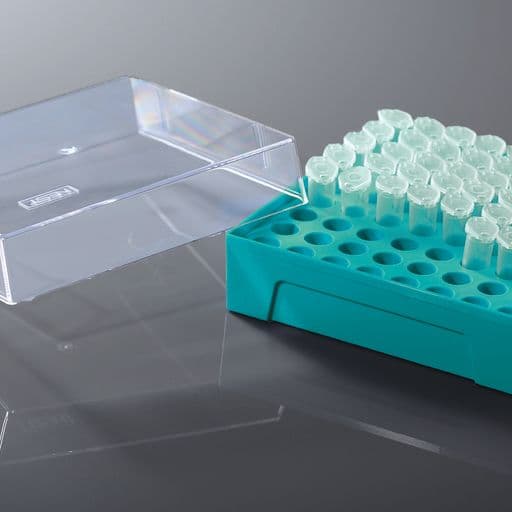
Microtubes in box formats hold 0.5 mL to 2 mL of sample and are dispensed from a dedicated dispenser box for bench-level efficiency in high-throughput pipetting workflows. Globe Scientific microtubes at MBP are molded from USP Class VI virgin polypropylene and certified RNase-free, DNase-free, and non-pyrogenic. Box formats ship in bulk case quantities to US, Canadian, and international labs.
Need help choosing the right microtubes in box format for your workflow? — Contact our team at customerservice@mbpinc.net for product recommendations, bulk pricing, and purchasing assistance.
Microtubes Box
Showing 1 to 1 of 1 results
What Are Microtubes Box Formats?
Microtubes in dispenser-box packaging are small polypropylene tubes, typically available in 0.5 mL, 1.5 mL, and 2.0 mL sizes, that are packaged upright in convenient dispenser boxes. These boxes generally contain between 500 and 1,000 tubes and are designed to improve workflow efficiency by keeping tubes organized, accessible, and ready for use. Unlike bulk bagged packaging, dispenser boxes reduce handling and help minimize the risk of contamination during routine laboratory procedures.
Microtube box formats are commonly used for DNA and RNA extraction, PCR preparation, protein precipitation, sample storage, and other microcentrifuge-based applications.
What you will find:
-
0.6mL Microtubes Box – Tailored specifically for small-volume sample organization.
-
1.5mL Microtubes Box – Standard storage size for routine molecular biology tubes.
How to Choose Microtube Box Formats
Selecting the Right Volume
The appropriate microtube size depends on your sample volume and application.
0.5 mL microtubes are ideal for small reaction volumes and highly concentrated samples where minimizing dead volume is important.
1.5 mL microtubes are the most widely used option in molecular biology laboratories and are suitable for routine extractions, enzyme reactions, sample storage, and pellet collection.
2.0 mL microtubes provide additional capacity for larger sample volumes, bead-based extraction protocols, and applications that require extra headspace for mixing or agitation.
Choosing a Cap Style
Snap-cap microtubes feature hinged lids that can be opened and closed with one hand, making them convenient for everyday laboratory use. They provide secure sealing and are commonly used in standard microcentrifuge workflows.
Screw-cap microtubes offer an additional level of protection against evaporation and leakage. They are particularly useful for long-term storage, cryogenic applications, volatile samples, and situations where sample integrity is critical.
Certification Requirements
Globe Scientific microtubes are certified RNase-free, DNase-free, and pyrogen-free, making them suitable for molecular biology and nucleic acid applications. Laboratories performing RNA-related work should verify lot-specific certification when required for compliance or quality assurance purposes.
Packaging and Inventory Planning
Most dispenser-box formats are supplied in boxes of 500 tubes, although selected products are available in 1,000-tube configurations for high-volume laboratories. Evaluating average weekly usage can help determine the most efficient package size and reduce the risk of running out of consumables during critical workflows.
Compare Microtube Box Variants
Snap-cap 0.5 mL microtubes are commonly used for qPCR preparation, small-volume reactions, and concentrated sample handling.
Snap-cap 1.5 mL microtubes are ideal for general molecular biology workflows, including enzyme reactions, nucleic acid purification, and routine sample storage.
Snap-cap 2.0 mL microtubes provide additional capacity for bead-beating protocols, larger pellets, and higher-volume sample preparation.
Screw-cap microtubes in 1.5–2.0 mL sizes are recommended for volatile materials, valuable samples, cryogenic storage, and applications requiring enhanced sealing performance.
Specifications and Features
Globe Scientific microtubes are manufactured from USP Class VI virgin polypropylene resin and are free from plasticizers, slip agents, and processing additives. These tubes are certified RNase-free, DNase-free, and pyrogen-free to support demanding molecular biology workflows. The dispenser-box format presents tubes in an organized vertical arrangement, allowing convenient one-handed access while maintaining a cleaner work area.
MBP stocks dispenser-box microtubes as part of the Globe Scientific product line. Availability may vary by size and packaging configuration, and bulk purchasing options are available for laboratories with high-volume requirements.
Protect your research with durable, high-performance storage solutions. Reach out to the Molecular Biology Products Inc. team for a quote and optimize your laboratory efficiency.
FAQ