Microcentrifuge Tubes for DNA, RNA & Protein Applications
Microcentrifuge tubes are 0.5 mL to 2.0 mL polypropylene vessels designed for microcentrifuges operating at speeds up to 20,000 × g, used in DNA and RNA isolation, PCR preparation, protein pelleting, and sample storage. MBP stocks Globe Scientific and Nest Scientific microcentrifuge tubes — snap cap and screw cap, sterile and non-sterile, certified RNase-free and DNase-free — in bulk case quantities for US, Canadian, and international labs.
Need help selecting the right microcentrifuge tube for your application? — Contact our team at customerservice@mbpinc.net for product recommendations, bulk pricing, and purchasing assistance.
Microcentrifuge Tubes
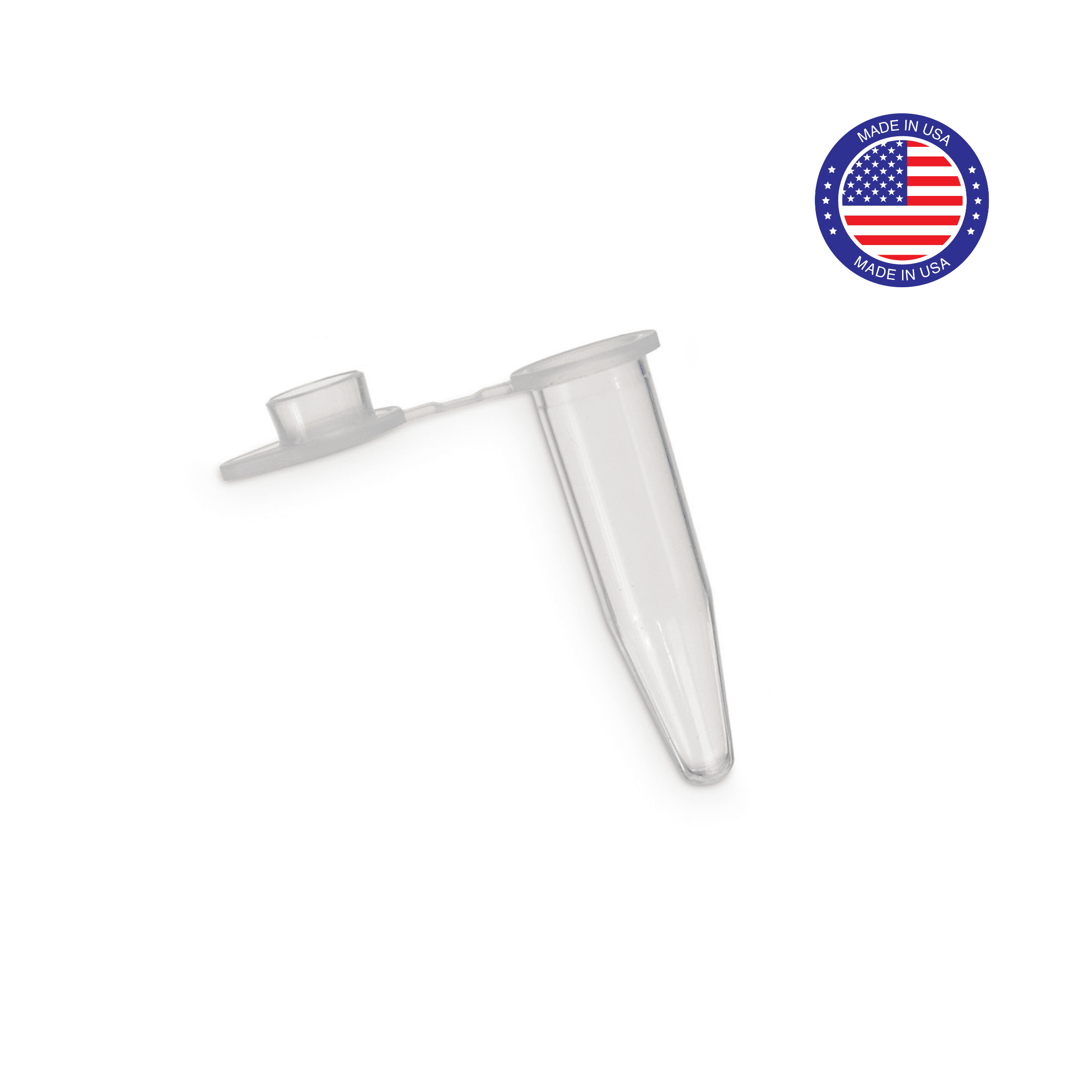

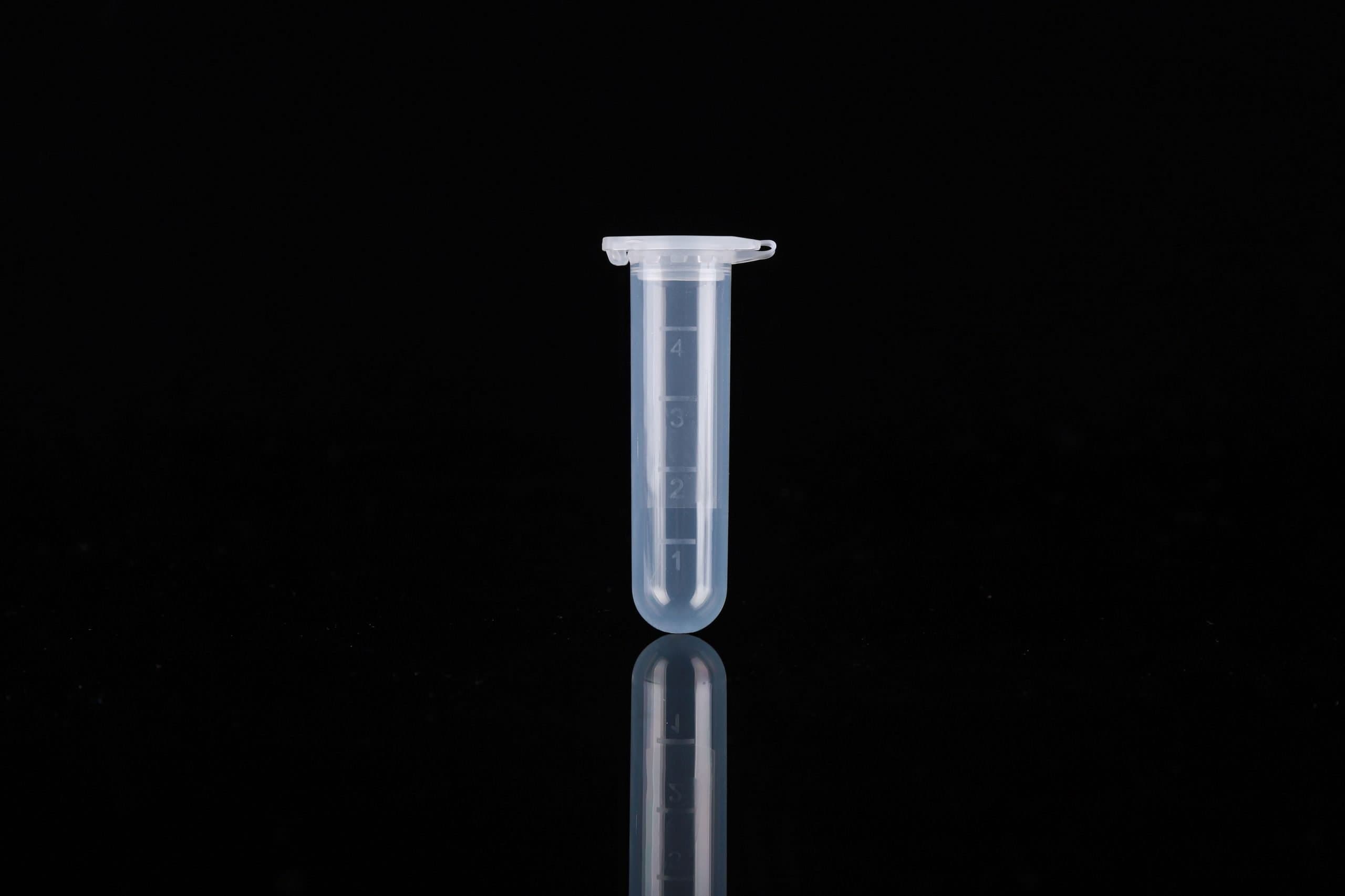
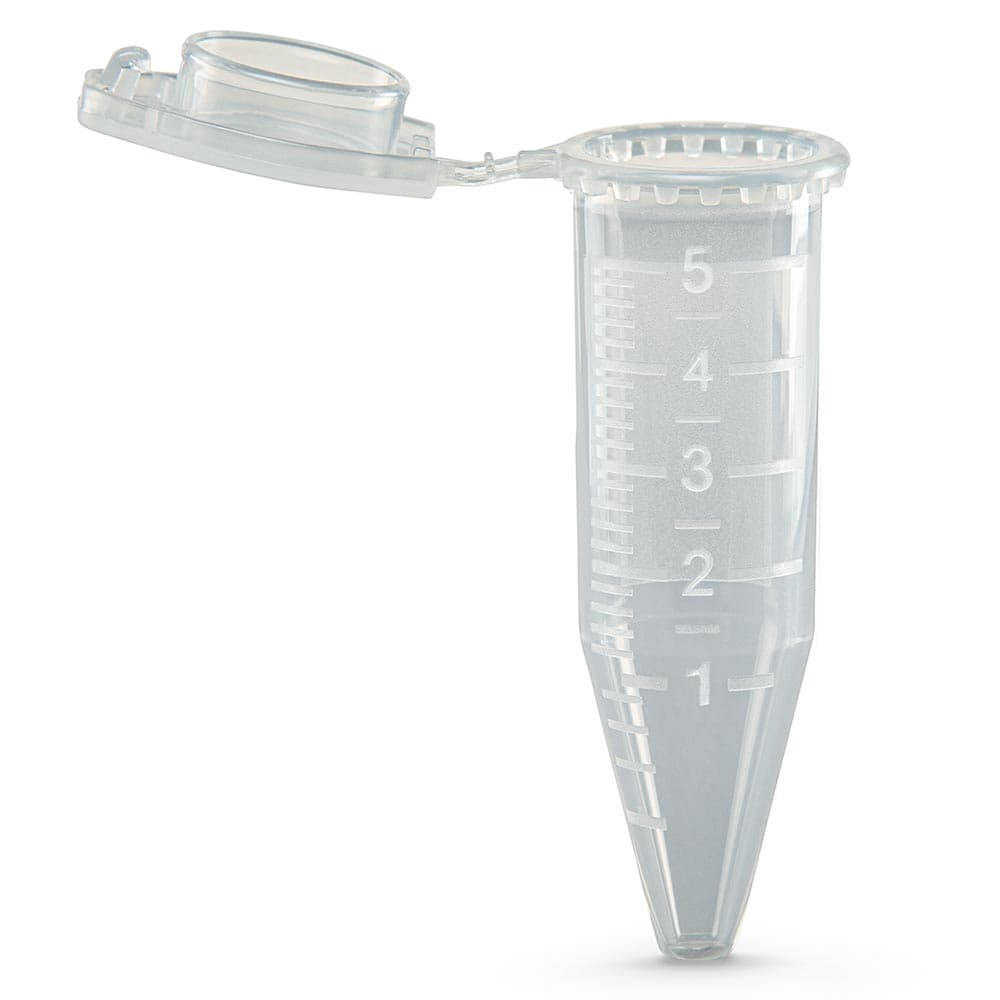
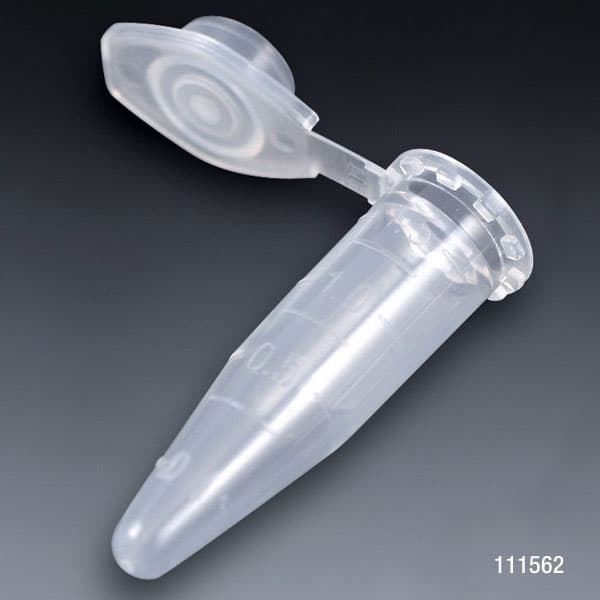
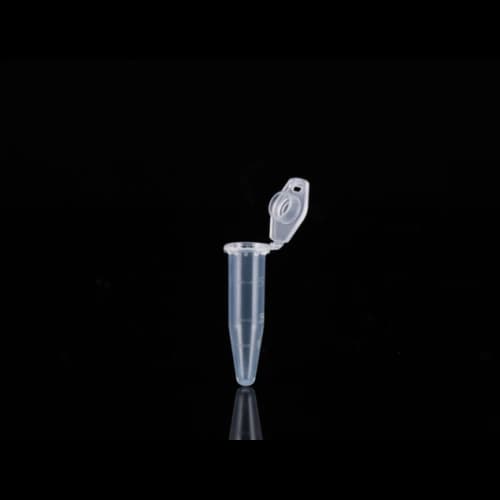
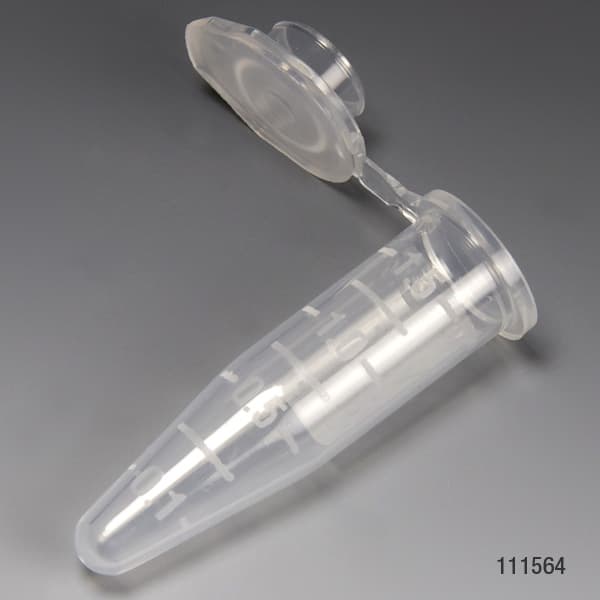

Showing 1 to 12 of 20 results
What Are Microcentrifuge Tubes?
Microcentrifuge tubes are small-volume polypropylene or low-binding polypropylene vessels available in 0.5 mL, 1.5 mL, and 2.0 mL capacities. They are designed for use in fixed-angle and variable-speed microcentrifuges and are commonly used for sample preparation, DNA and RNA isolation, protein purification, enzyme reaction setup, and cryogenic sample storage. Depending on the application, these tubes are available with either hinged snap caps or threaded screw caps that help protect samples from leakage, contamination, and evaporation during centrifugation and storage.
Microcentrifuge tubes are essential consumables in molecular biology, biochemistry, clinical chemistry, proteomics, and genomics laboratories. Among all formats, the 1.5 mL snap-cap tube remains the most widely used microcentrifuge tube in routine molecular biology workflows.
Use 1.5 mL snap-cap polypropylene tubes for general molecular biology applications, 2.0 mL tubes for bead-based extraction and precipitation workflows, screw-cap tubes for volatile or valuable samples, and low-binding tubes for dilute proteins or nucleic acids.
What you will find:
-
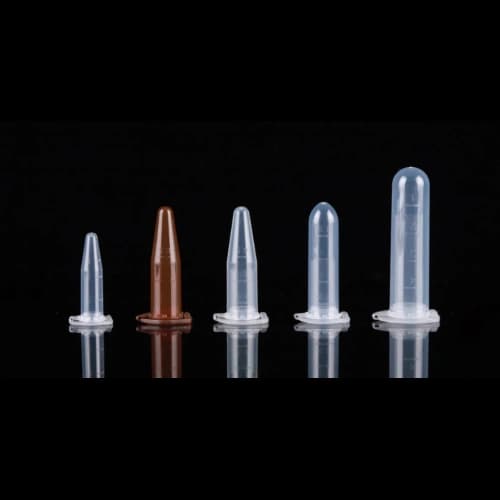
0.5mL, 0.6mL, 1.5mL, 2.0mL, 5.0mL (for small-volume to high-volume applications)
-
Tubes only: Snap-cap, one-hand use
-
O-ring caps: Leak-proof, secure seal
-
Sterile: RNase/DNase-free for sensitive work
-
Non-sterile: Cost-effective for general use
How to Choose Microcentrifuge Tubes
Volume: 0.5 mL / 1.5 mL / 2.0 mL
0.5 mL tubes minimize dead volume for concentrated or precious samples and fit compact block heaters. 1.5 mL is the universal format compatible with virtually all microcentrifuge rotors, heating blocks, and automated liquid handlers. 2.0 mL provides extra headspace for vortex mixing and bead-based extraction protocols; the slightly wider diameter is also compatible with most 1.5 mL rotor slots.
Cap Style: Snap Cap vs Screw Cap
Snap-cap microcentrifuge tubes feature hinged lids that allow quick one-handed operation and are preferred for high-throughput laboratory workflows involving frequent pipetting.
Screw-cap tubes equipped with O-rings or sealing rings provide a hermetic seal capable of withstanding centrifugal forces up to 20,000 × g. These tubes are recommended for volatile reagents, repeated freeze-thaw cycles, and long-term storage at ultra-low temperatures. Laboratories requiring enhanced sample security often select screw-cap formats for valuable or irreplaceable specimens.
Standard vs Low-Binding Polypropylene
Standard polypropylene microcentrifuge tubes are suitable for most routine laboratory applications. Low-binding polypropylene tubes are designed to reduce sample adsorption to tube walls and are particularly beneficial when working with dilute proteins, low-concentration nucleic acids, or single-cell samples where maximizing recovery is critical.
Bottom Geometry: Conical vs Self-Standing
Conical-bottom tubes concentrate pellets at the tip of the tube, improving sample recovery and simplifying resuspension after centrifugation.
Self-standing tubes feature a flat base that allows them to remain upright without a rack, making them convenient for sample handling, labeling, and storage. While they offer greater bench-top convenience, pellets may form slightly off-center compared with traditional conical-bottom designs.
Compare Microcentrifuge Tube Formats
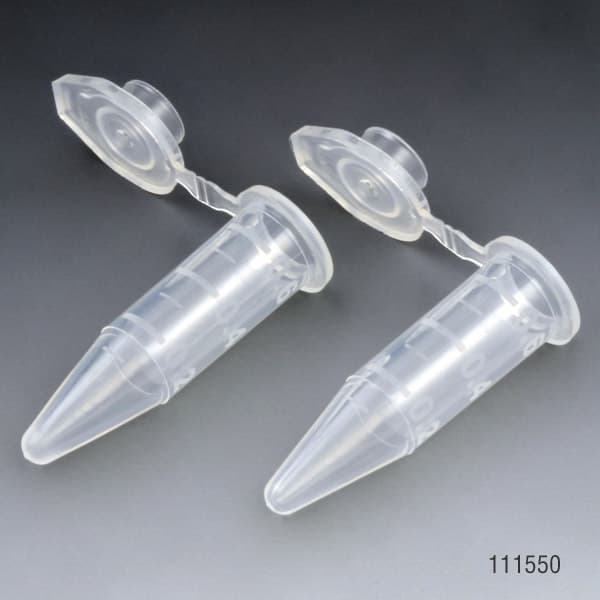
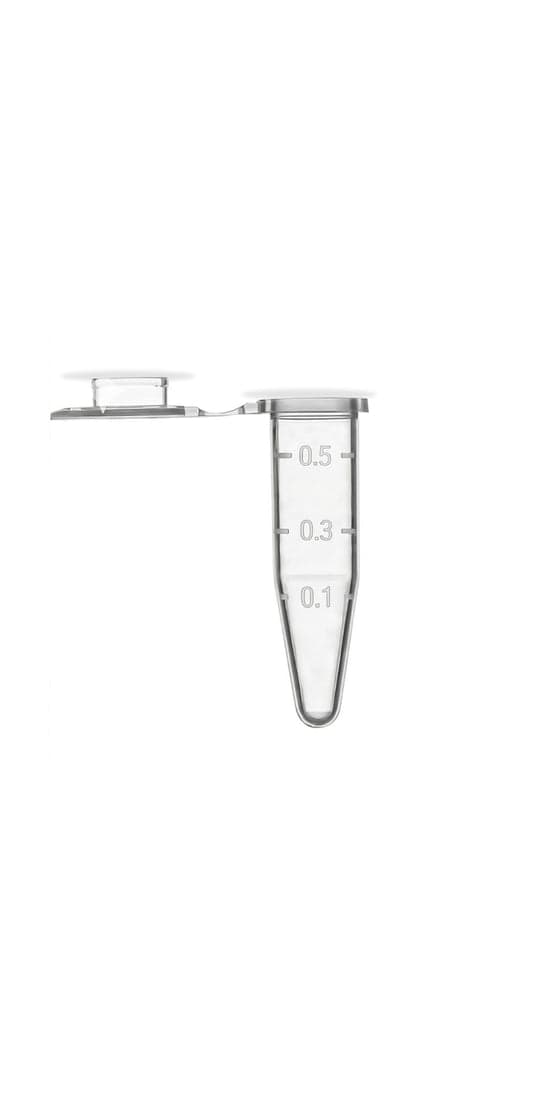
Snap-cap conical polypropylene microcentrifuge tubes are available in 0.5 mL, 1.5 mL, and 2.0 mL capacities. Rated to approximately 16,000 × g, they are the standard choice for molecular biology, PCR preparation, nucleic acid extraction, and enzyme reaction workflows.
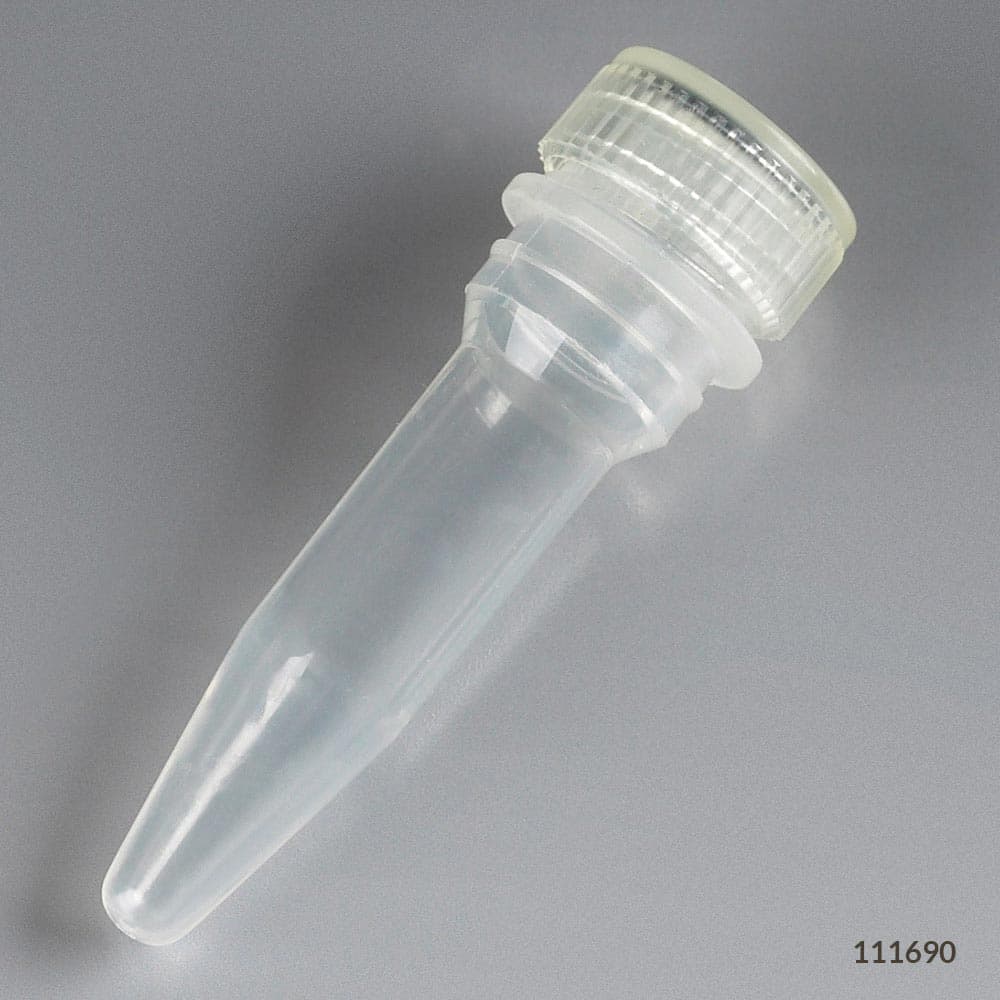
Screw-cap polypropylene tubes with O-rings are offered in 1.5 mL and 2.0 mL formats with either conical or flat-bottom designs. These tubes can withstand centrifugal forces up to 20,000 × g and are commonly used for volatile samples, cryogenic storage, and biobanking applications.
Self-standing screw-cap microcentrifuge tubes are available in 0.5 mL, 1.5 mL, and 2.0 mL capacities. Featuring sealing rings and flat-bottom construction, they provide stable rack-free storage and are often used in color-coded sample management systems. These tubes are typically rated up to 20,000 × g.
Amber polypropylene microcentrifuge tubes are available with either snap caps or screw caps in 1.5 mL and 2.0 mL sizes. Designed for light-sensitive compounds, they help protect samples from light exposure while supporting centrifugation up to approximately 16,000 × g.
Dispenser-box snap-cap microcentrifuge tubes are commonly available in 1.5 mL and 2.0 mL formats and are packaged for convenient bench-top dispensing. They are ideal for high-throughput laboratories that process large numbers of samples and require efficient access to consumables.
Specifications Context
Globe Scientific microcentrifuge tubes are manufactured from USP Class VI virgin polypropylene and are certified RNase-free, DNase-free, and non-pyrogenic by lot under ISO 9001:2015 quality management standards. Nest Scientific microcentrifuge tubes are similarly manufactured to USP Class VI specifications and are available in self-standing formats with six cap color options for simplified sample organization.
Standard packaging configurations include 500 tubes per case for snap-cap formats and 500 tubes per case supplied in 50-tube packs for screw-cap variants. As of 2026, MBP stocks both dispenser-box snap-cap tubes and screw-cap microcentrifuge tube formats, with bulk purchasing options available for high-volume laboratories.
Achieve consistent results with secure, medical-grade centrifugation vessels. Contact Molecular Biology Products Inc. for a quote to upgrade your workflow.
FAQ