Vacuum Filtration Systems — Bottle-Top Filters for Media Sterilization and Clarification
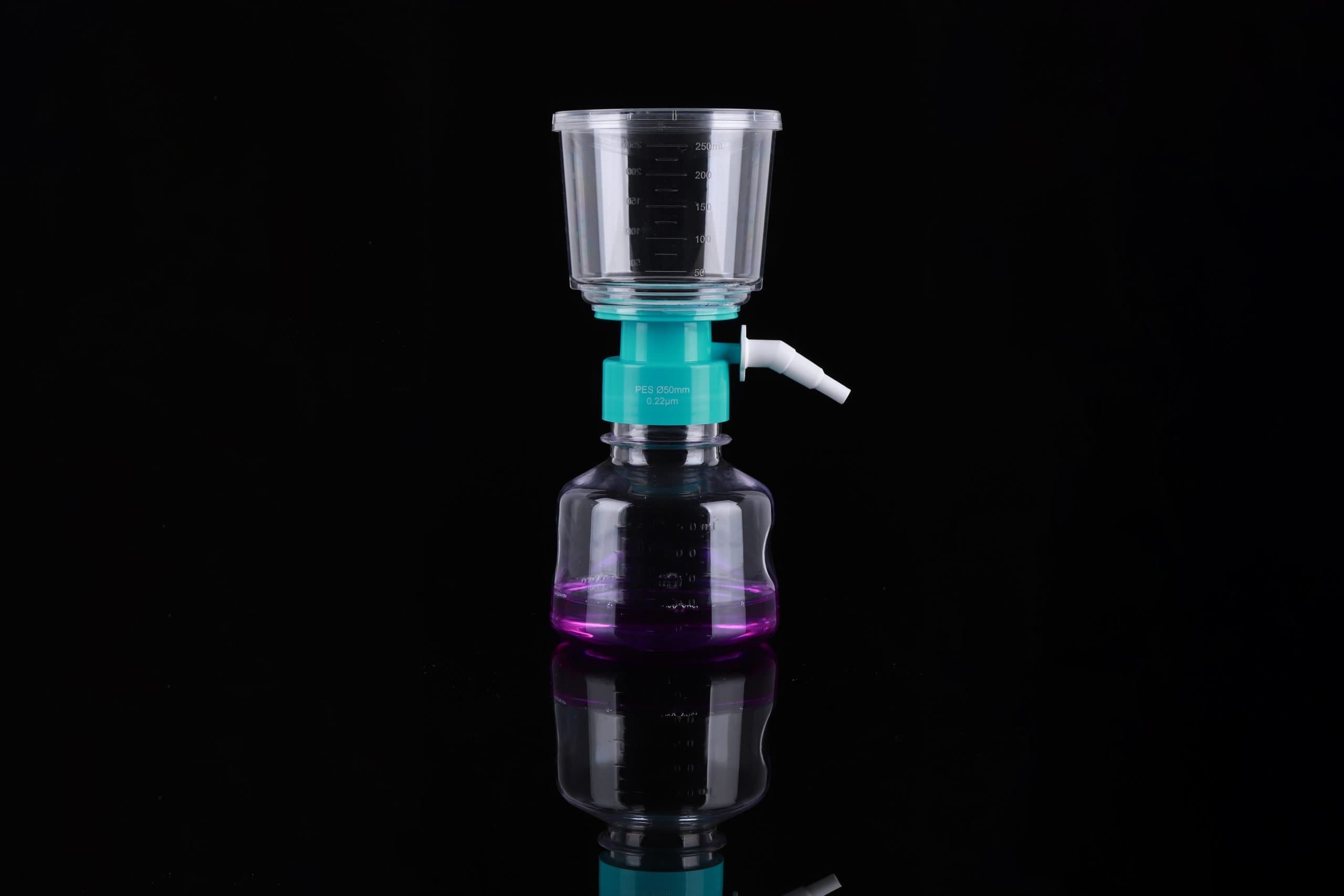
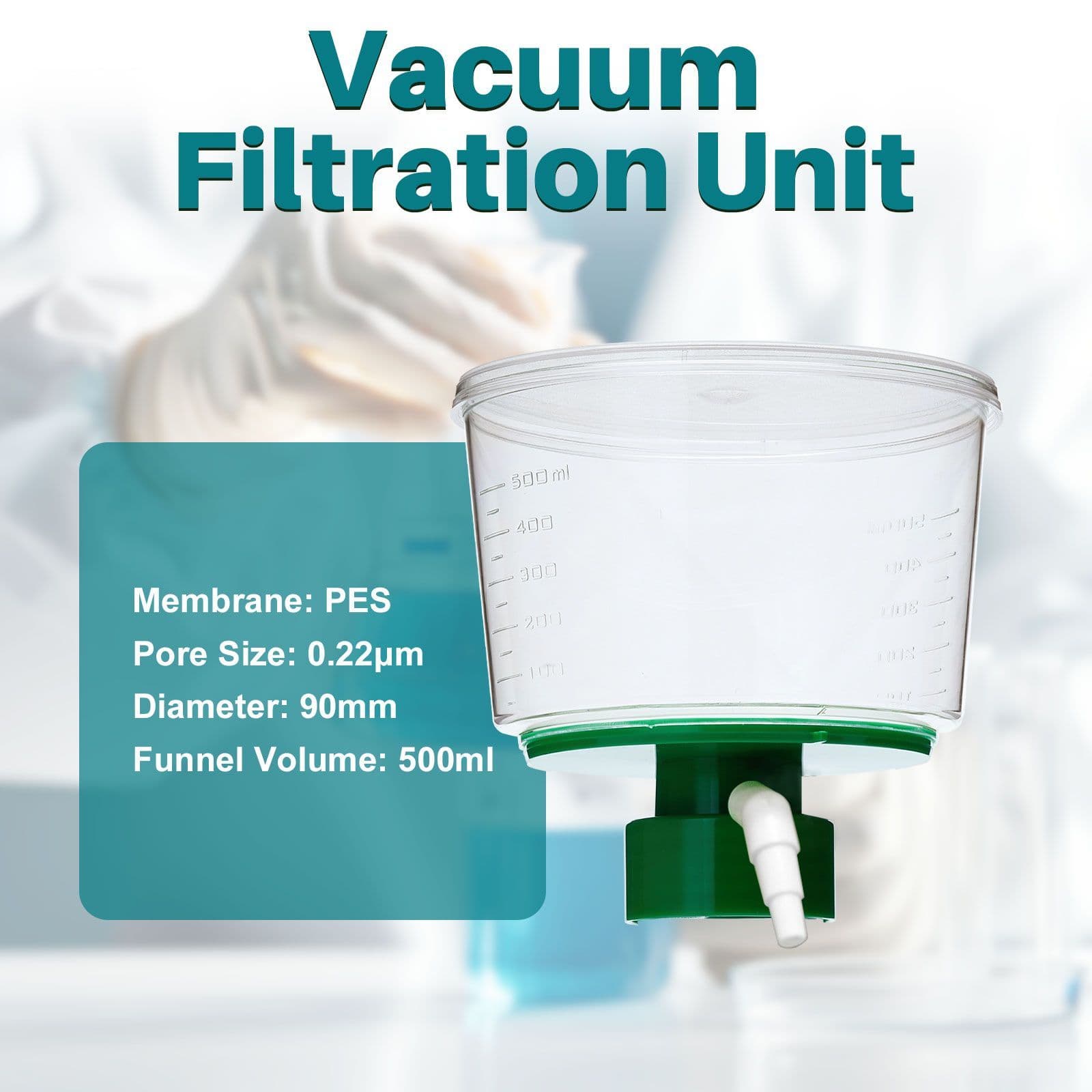
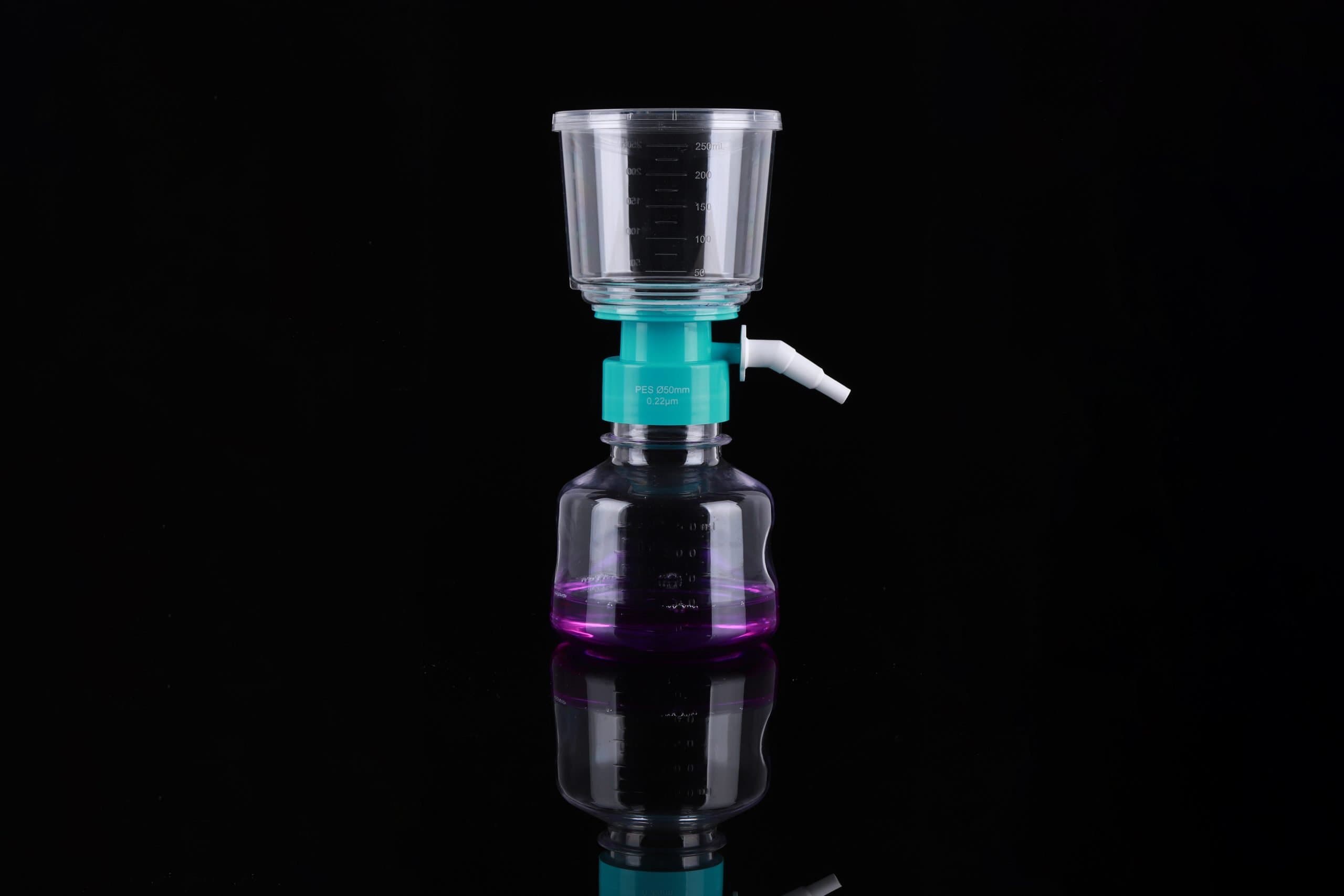
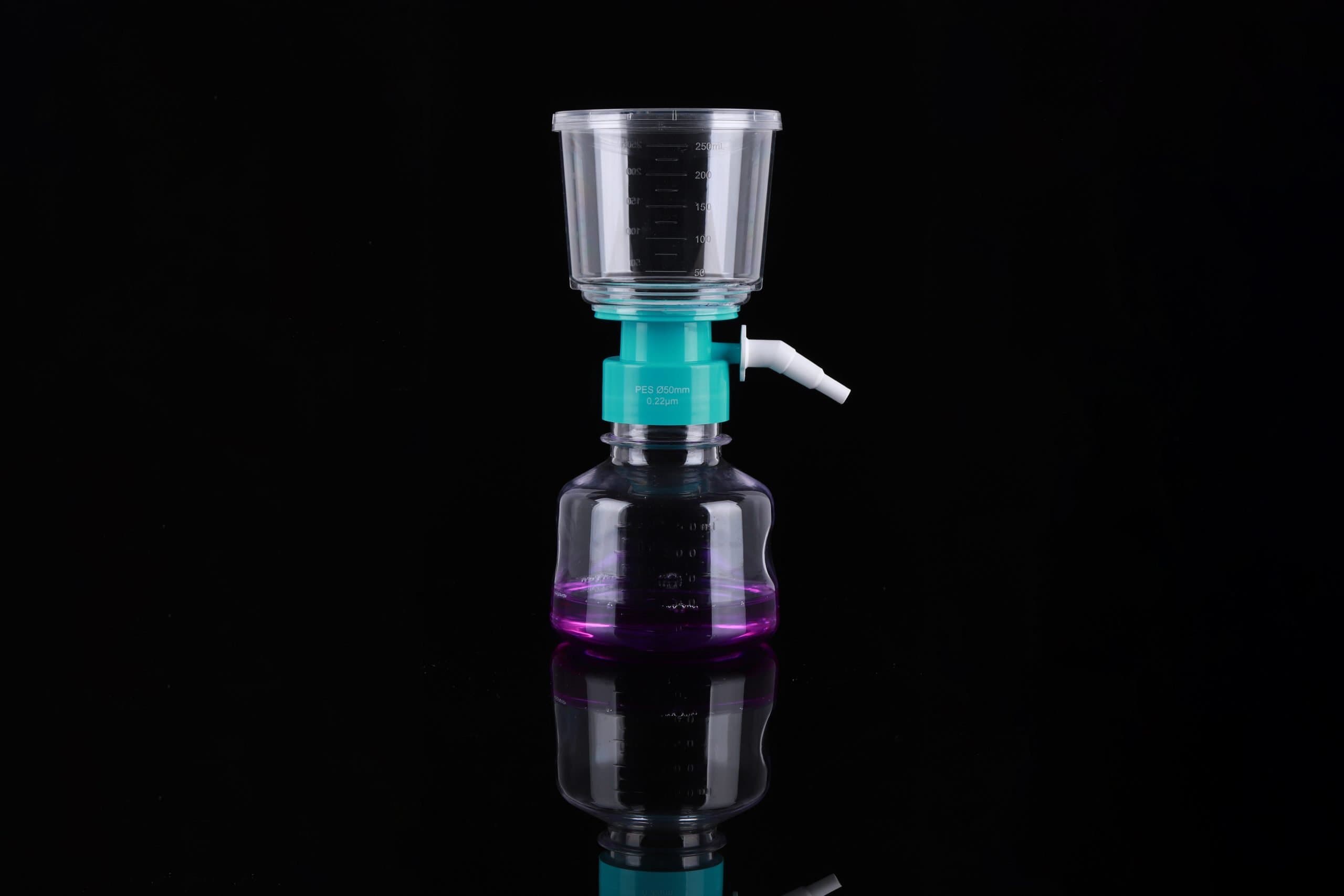
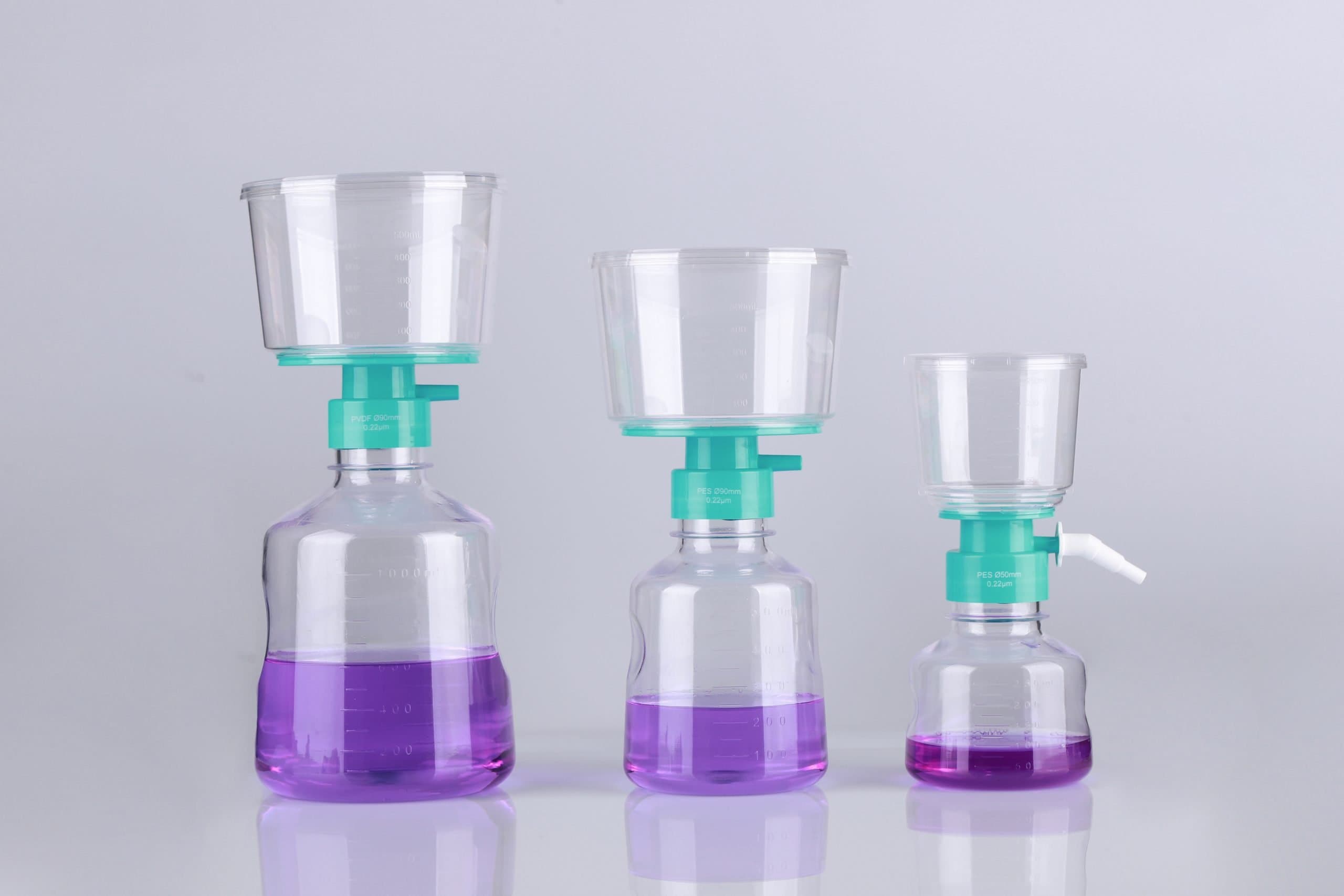
Vacuum bottle-top filter systems sterilize cell culture media, sera, and buffers by drawing liquid through a PES or PVDF membrane filter into a sealed receiver bottle under applied vacuum. NEST Scientific supplies PES (low protein binding, high flow rate) and PVDF (chemical-resistant, low protein binding) bottle-top filters in 250 mL, 500 mL, and 1,000 mL volumes at 0.10 µm (mycoplasma removal), 0.22 µm (sterilization), and 0.45 µm (pre-filtration clarification). All are sterile and non-pyrogenic per lot.
MBP carries the full NEST Scientific vacuum filtration line with direct PO ordering for labs across the USA, Canada, and worldwide. Request a quote today by contacting customerservice@mbpinc.net
Vacuum Filtration

Showing 1 to 12 of 13 results
What are Vacuum Bottle-Top Filter Systems?
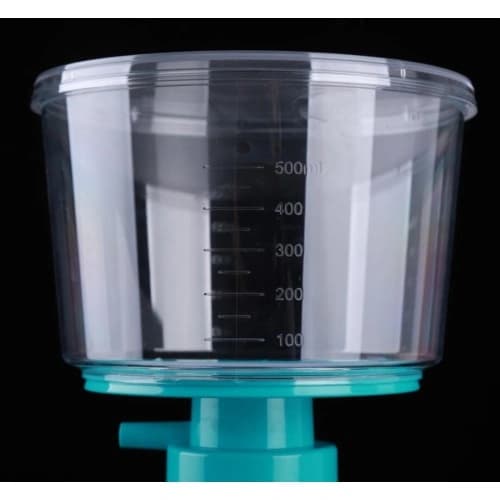
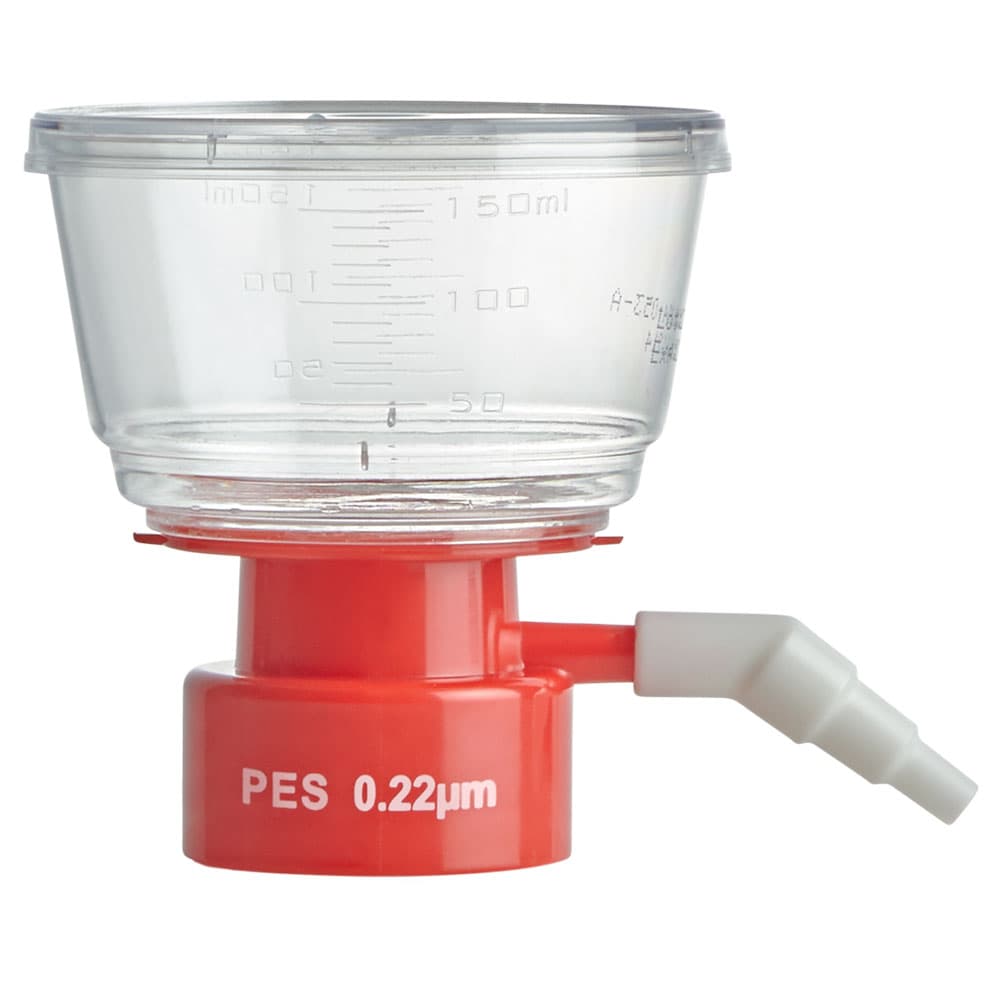
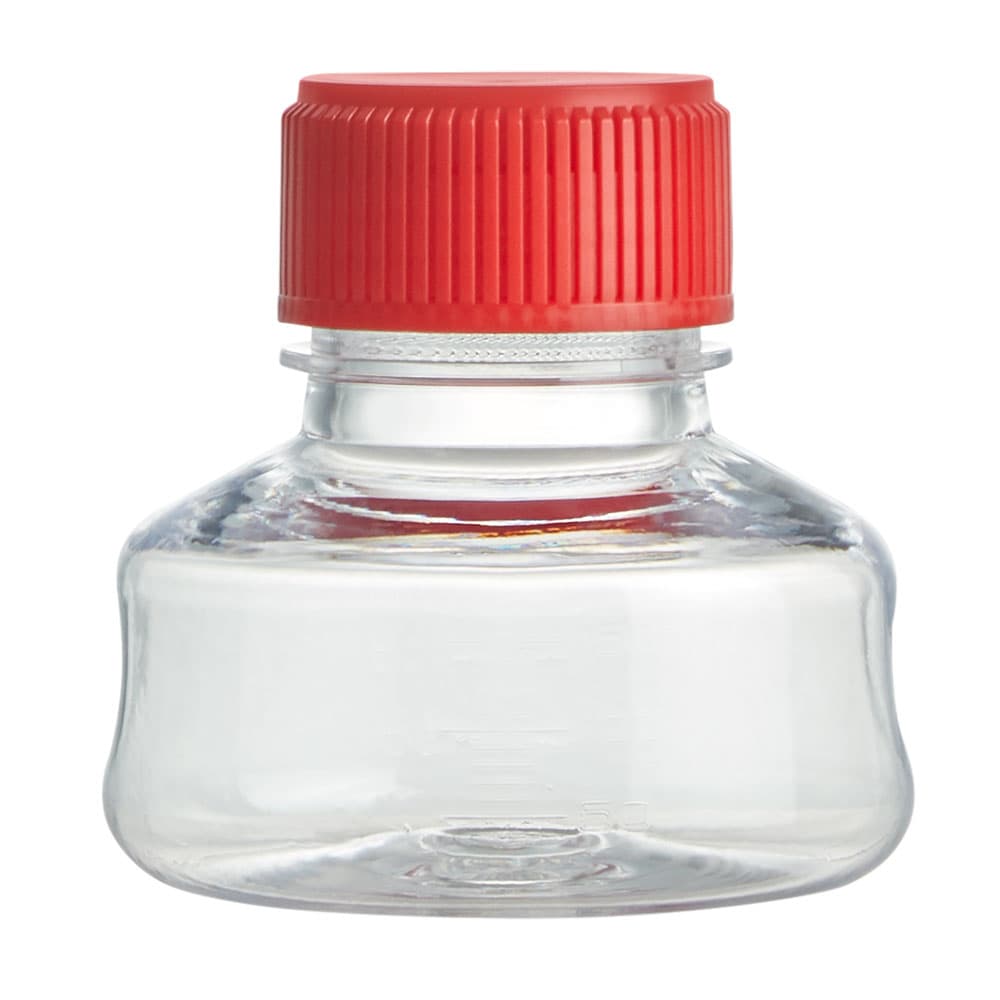
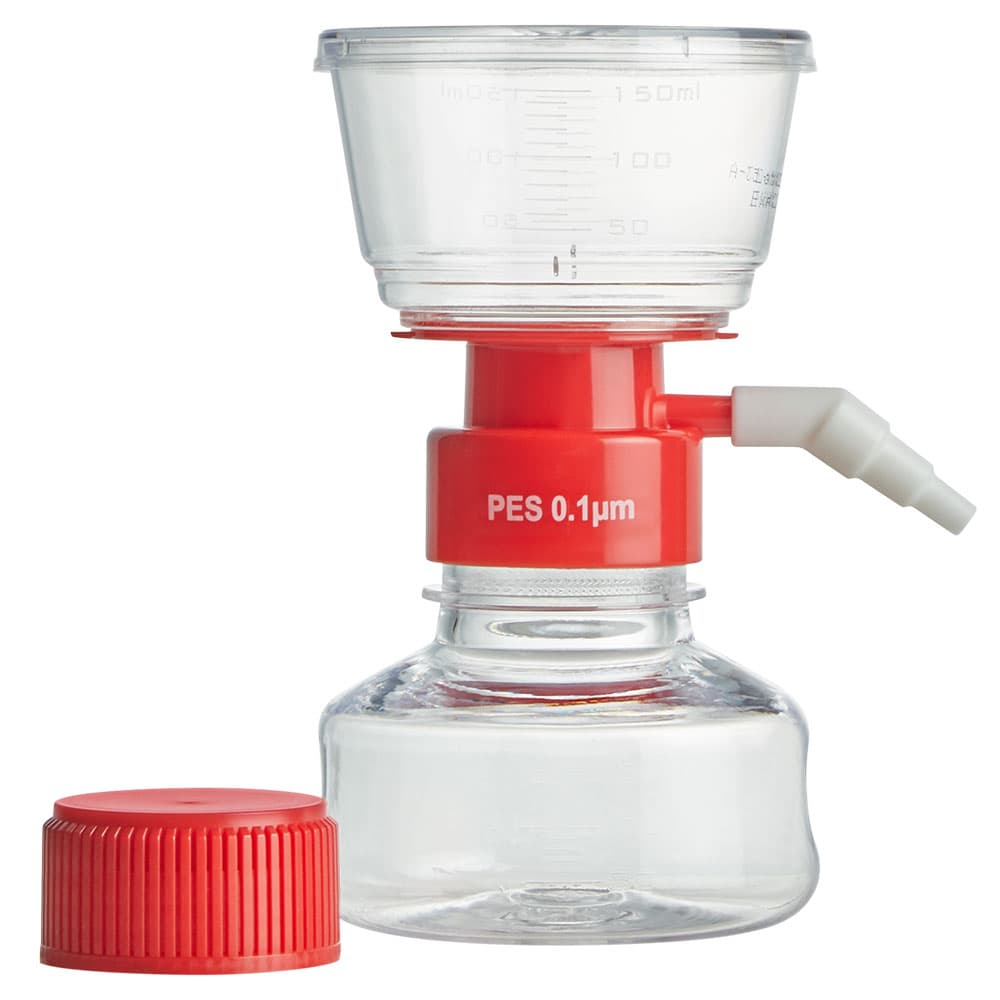
Vacuum bottle-top filter systems are single-use, sterile filtration assemblies consisting of a graduated polystyrene funnel with an integrated membrane filter bonded to a polystyrene receiver bottle, connected by a hose-port adaptor to a house vacuum line or benchtop vacuum pump. The applied negative pressure (−50 to −100 kPa) draws liquid through the membrane into the receiver bottle, which is sealed after filtration for immediate use or cold-room storage.
What you will find:
-
50mL Vacuum Filtration Units for small-scale sterile sampling
-
150mL Vacuum Filtration Systems for rapid reagent preparation
-
250mL Filtration Units for routine buffer sterilization
-
500mL Vacuum Filtration Cups for mid-scale media processing
-
1000mL Large Volume Filtration for industrial-scale batching
-
Sterile Bottle-Top Filters for secure aseptic transfer
How to Choose Vacuum Filtration Systems
PES vs. PVDF Membrane for Vacuum Filtration
PES membranes provide low protein binding (~1–2 µg/cm²), high flow rates, and broad aqueous-solution compatibility — the standard for routine DMEM, RPMI, HBSS, PBS, and supplement-containing media sterilization. PVDF membranes have slightly lower protein binding than PES and greater chemical resistance to mild organic solvents, mild acids, and alkaline solutions. Use PVDF when filtering protein-rich solutions (FBS, antibody preparations, conditioned medium with high protein content) or when mild organic solvents are present in the filter solution.
Volume Selection
250 mL systems (50 mm diameter membrane, 50 mL funnel) suit small media aliquots, supplement solutions, and transfection reagent preparations. 500 mL systems (90 mm diameter membrane, 150 mL funnel) are the routine lab workhorse for standard 500 mL media bottle preparation and FBS filtration. 1,000 mL systems (90 mm diameter membrane, 350 mL funnel) handle full-liter media preparations and large-volume buffer sterilization. All NEST systems include a pre-attached, graduated polystyrene receiver bottle in the corresponding volume.
Pore Size: 0.10 µm vs. 0.22 µm vs. 0.45 µm
0.22 µm is the sterilizing grade per USP <1229.2> and ICH Q9: retains all bacteria and fungi; used for routine cell culture media, PBS, and buffer preparation. 0.45 µm is the clarification grade: used as a pre-filtration step before 0.22 µm to remove large particulates from turbid or high-biomass samples (FBS, conditioned media, cell culture supernatants, crude lysates), extending 0.22 µm filter throughput by 3–5× on difficult samples. 0.10 µm is the mycoplasma-removal grade: required when preparing media for Mycoplasma-sensitive primary cell culture or when processing serum or supplementary reagents that may harbor Mycoplasma species. Note that 0.10 µm filtration is substantially slower than 0.22 µm due to the tighter membrane pore structure.
Practical Tips for Maximum Throughput
Pre-wet the membrane by briefly passing 5–10 mL of sterile water through before the sample — this wets the hydrophilic PES or PVDF membrane and reduces initial resistance. For FBS and other viscous solutions, pre-filter through 0.45 µm before the 0.22 µm step. Maintain a vacuum at −50 to −80 kPa; excessive vacuum (> −100 kPa) can shear fragile membrane pores and increase non-specific protein adsorption. Do not autoclave the assembled bottle-top filter — PES and PS components are not rated for autoclave sterilization.
Specifications Context
NEST Scientific vacuum bottle-top filters are manufactured from polystyrene funnel and receiver bottle components with PES or PVDF membranes. PES membranes have documented low protein binding (~1–2 µg/cm²) per NEST scientific USA FAQ. Membrane diameter: 250 mL volume → 50 mm; 500 mL and 1,000 mL → 90 mm. The hose connector design accommodates various standard vacuum hose diameters. NEST PES 0.22 µm vacuum filters are described as comparable in performance to leading brands, including Corning Stericup, Thermo Fisher Scientific, and Sartorius, per NEST Scientific USA's product page. All NEST vacuum filters are sterile and non-pyrogenic per the lot certificate. NEST Scientific vacuum bottle-top filters are stocked by MBP in all core SKUs.
Because your research should move faster than a slow-dripping filter. Contact the Molecular Biology Products Inc. team for a quote before your deadlines catch up with you.
FAQ