Syringe Filters — PES, PVDF, Nylon, MCE, and CA Membranes for Small-Volume Filtration
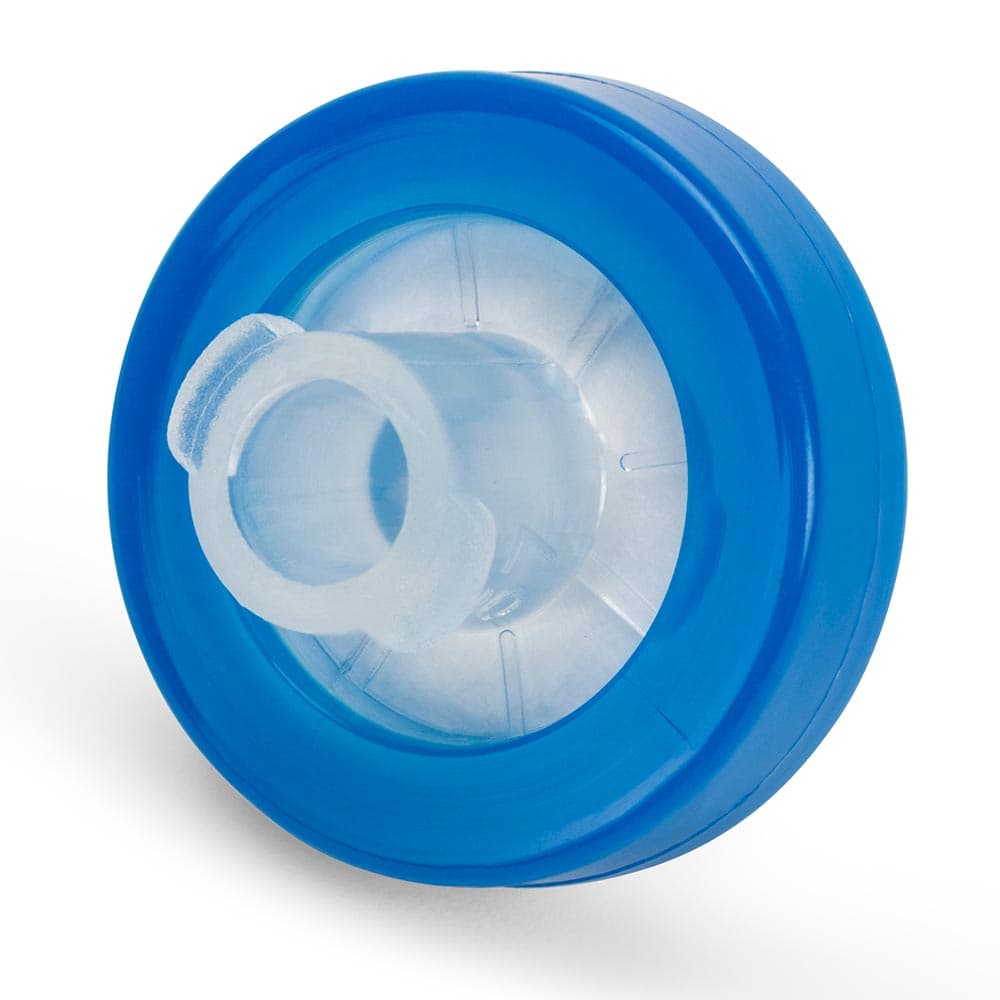
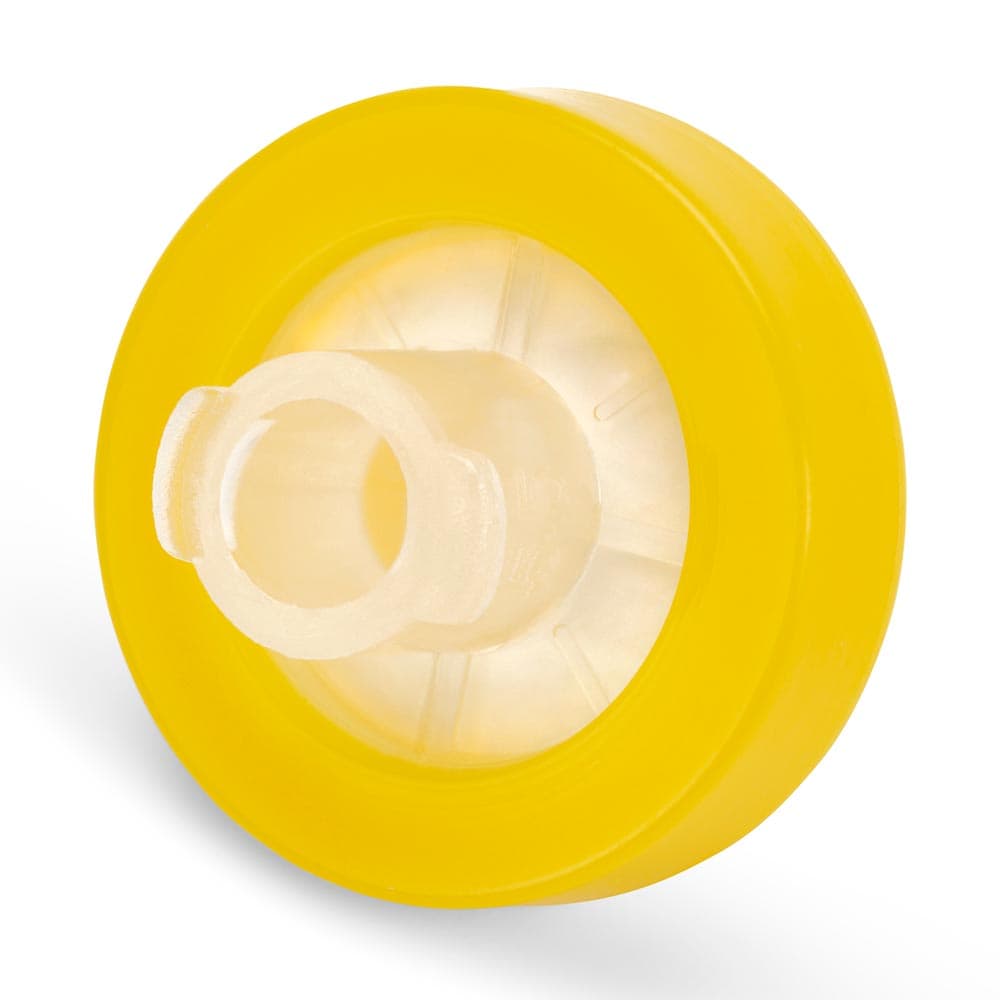
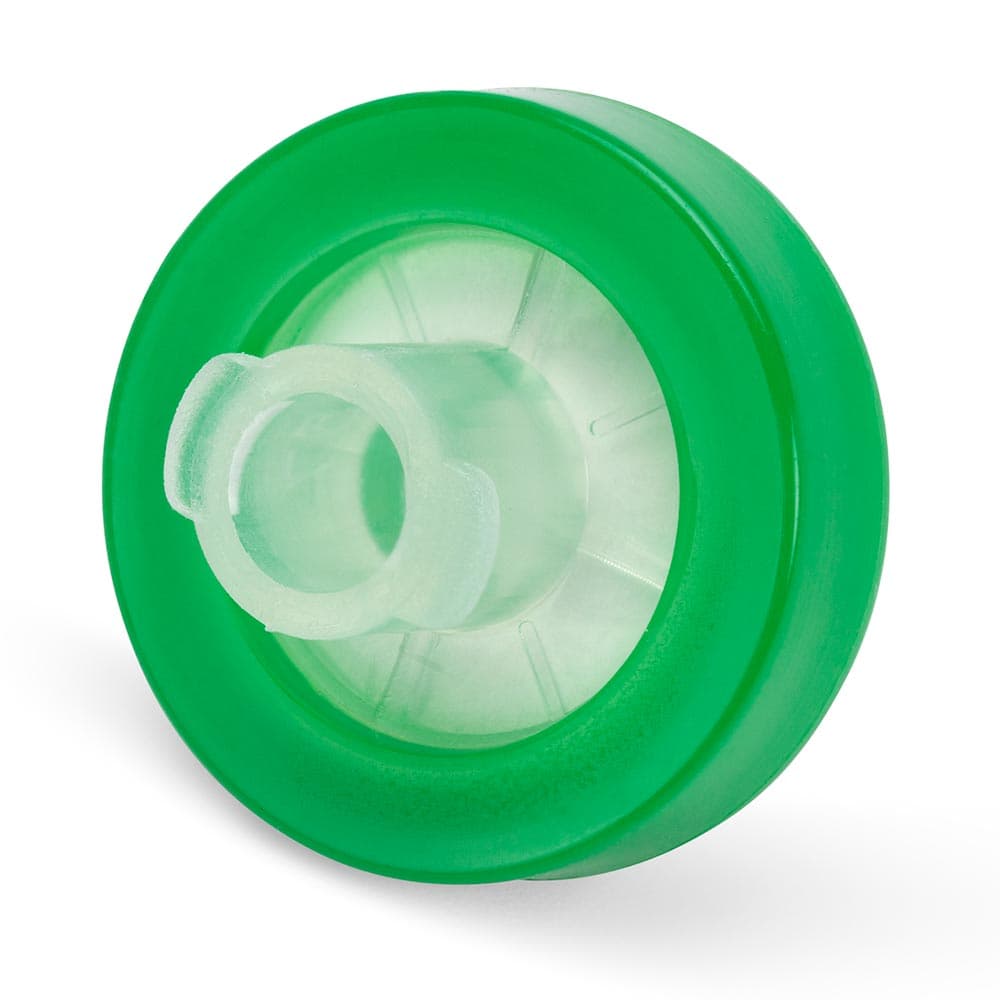
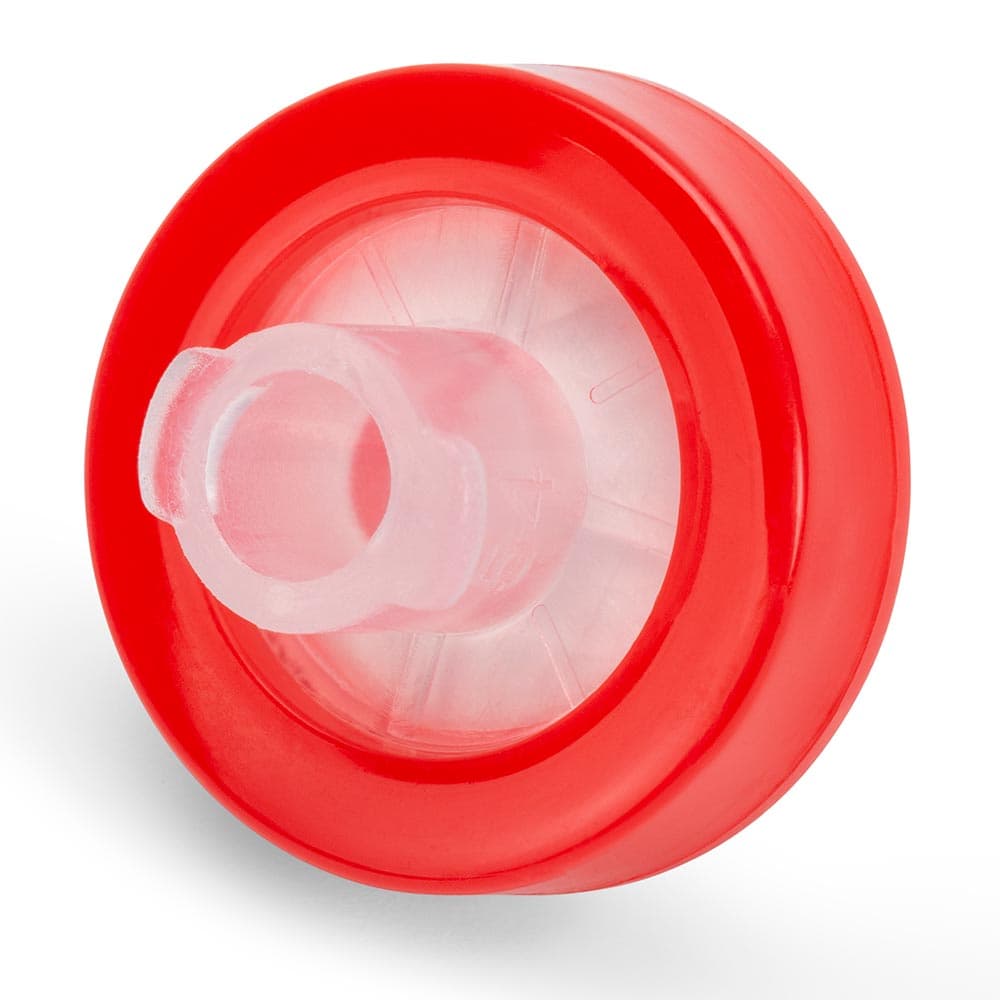
Syringe filters are self-contained disposable units with a Luer-lock PP housing for small-volume filtration (1–150 mL) of cell culture supplements, protein solutions, HPLC samples, and conditioned media. Globe Scientific supplies sterile (individually gamma-irradiated) and non-sterile syringe filters in PES, PVDF, CA, MCE, and nylon membranes; 13 mm and 30 mm diameters; 0.22 µm and 0.45 µm pore sizes. Use PES for routine media supplements; PVDF for precious protein and antibody preparations; nylon for HPLC solvents.
MBP carries the full Globe Scientific syringe filter line with direct PO ordering for labs across the USA, Canada, and worldwide. Contact customerservice@mbpinc.net to request a quote today!
Syringe Filters


Showing 1 to 12 of 23 results
What are Syringe Filters?
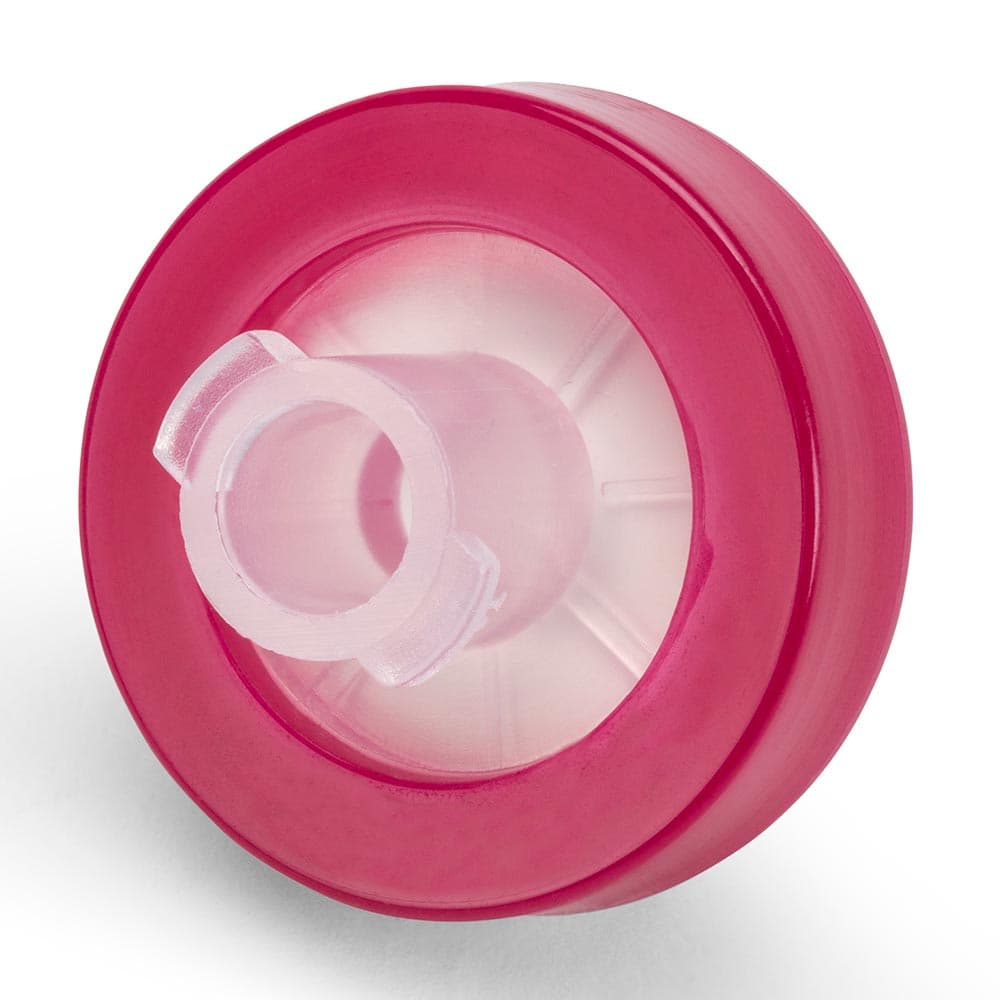
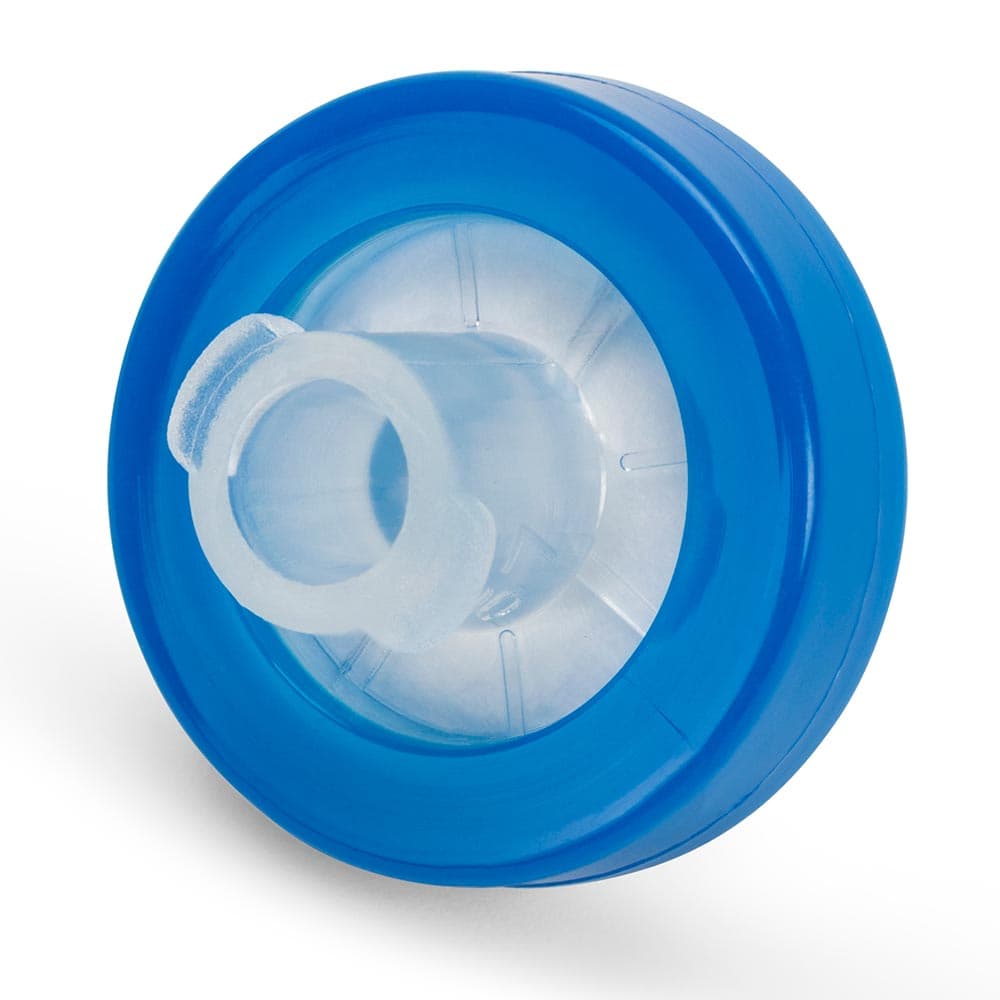
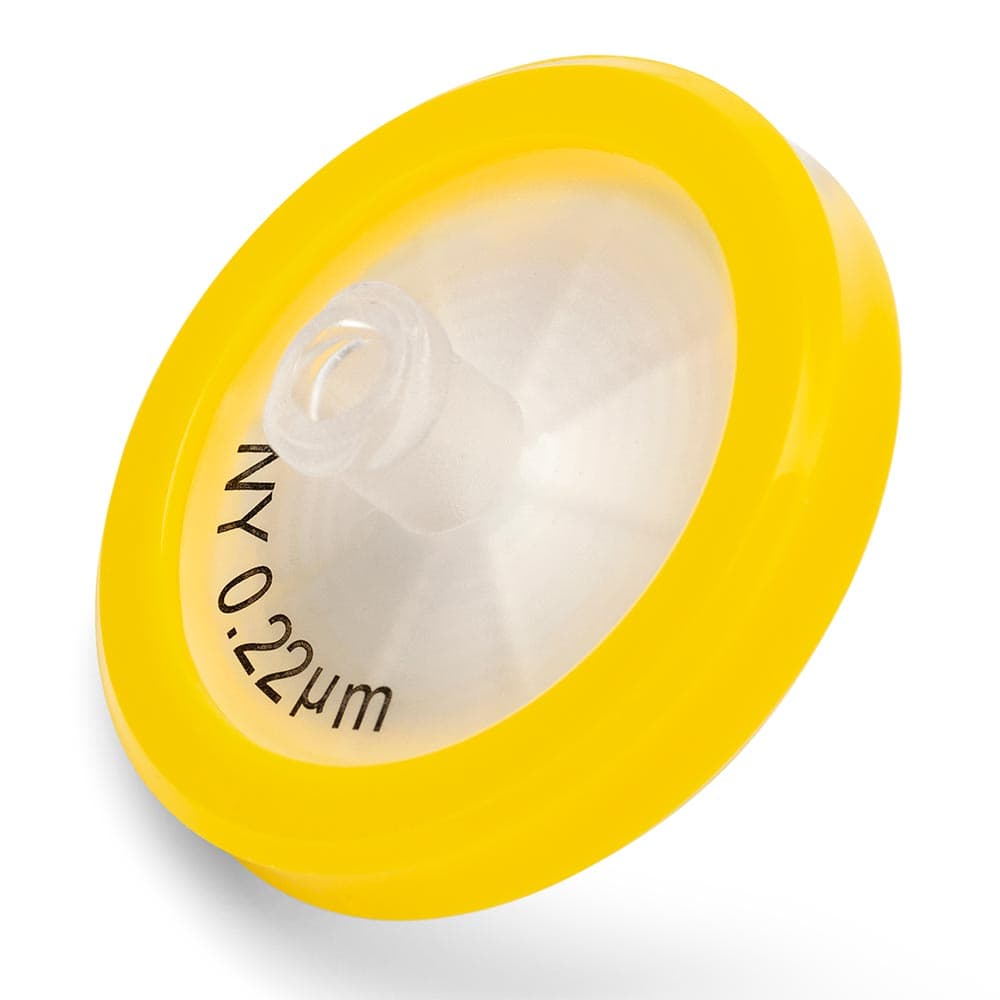
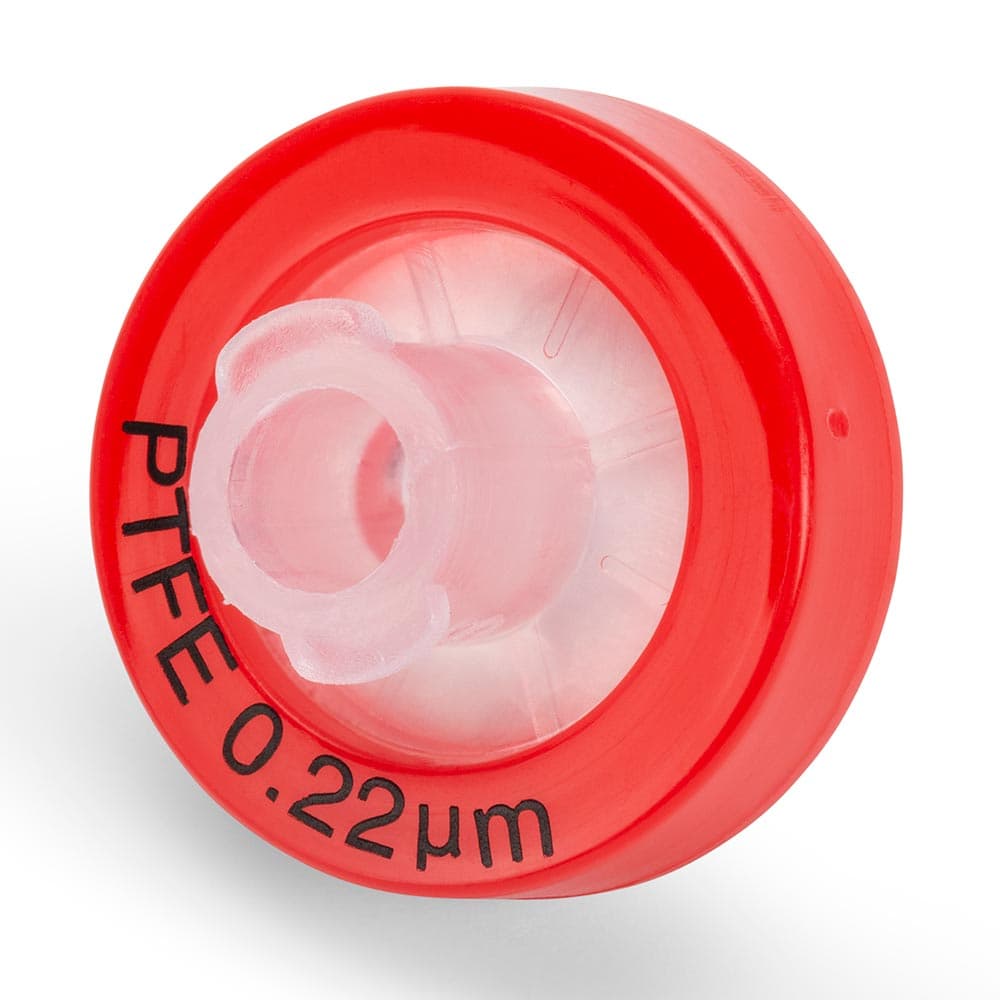
Syringe filters are self-contained, disposable filtration units comprising a polypropylene (PP) housing enclosing a flat-sheet membrane, with a female Luer lock inlet and a male Luer lock outlet. They are attached to a standard syringe, the sample is drawn up, and pushed through the membrane by manual plunger pressure. Standard disc diameters are 4 mm, 13 mm, 25 mm, and 33 mm; membrane pore sizes are 0.22 µm (sterilizing grade) and 0.45 µm (clarification grade), with 0.10 µm available for mycoplasma removal. Effective filtration areas: 13 mm filter ≈ 0.92 cm²; 25 mm filter ≈ 2.98 cm². Globe Scientific syringe filters, a confirmed MBP brand, are available in PP housing with PES, PVDF, CA (cellulose acetate), MCE, and nylon membranes in 13 mm and 30 mm diameters, sterile (individually wrapped) and non-sterile (bulk), 0.22 µm and 0.45 µm. Choose syringe filters for volumes of 1–150 mL; choose vacuum bottle-top filters for volumes above 150 mL.
What you will find:
-
PES Syringe Filters for high-flow aqueous filtration
-
PVDF Syringe Filters for low protein binding
-
Nylon Syringe Filters for organic solvent compatibility
-
0.22μm Syringe Filters for absolute sterilization
-
0.45μm Syringe Filters for clarification and pre-filtration
-
PTFE Syringe Filters for aggressive chemical resistance
-
Hydrophilic Syringe Filters for versatile liquid handling
-
Sterile Individually Blistered Filters for aseptic security
How to Choose Syringe Filters
Diameter Selection by Sample Volume
13 mm syringe filters (effective area 0.92 cm²) handle up to 10–15 mL per filter before flow resistance becomes impractical. Use with 1–10 mL syringes. 25 mm syringe filters (2.98 cm²) handle 10–100 mL per filter. Use with 10–60 mL syringes. 33 mm syringe filters (approximately 5–6 cm²) handle up to 150 mL and are the largest practical syringe filter format. For volumes above 150 mL, switch to a vacuum bottle-top filter system. Matching filter diameter to sample volume prevents premature membrane clogging and excessive plunger force.
Membrane Chemistry for Syringe Filters
PES (Polyethersulfone): Low protein binding, high flow rate, aqueous compatibility. Standard choice for biological sample sterilization, cell culture supplement filtration (antibiotics, glutamine, growth factors), and conditioned medium aliquots. Not suitable for strong organic solvents or concentrated acids.
PVDF (Polyvinylidene fluoride, hydrophilic): Low protein binding — among the lowest of all syringe filter membranes, with protein recovery rates >90–99.9% documented for antibody and enzyme solutions. Compatible with mild organic solvents, weak acids, and most aqueous solutions. The first choice when filtering precious protein solutions (antibodies, enzymes, viral preparations) is where maximum protein recovery is critical. Not suitable for pure DMSO (use PTFE).
Nylon (Polyamide): Low extractables, broad chemical compatibility including mixed aqueous-organic solvents, methanol, acetonitrile, and DMSO-water mixtures. Standard for HPLC mobile phase filtration and dissolution testing. Higher protein binding than PES or PVDF — avoid for biological samples where protein loss is a concern.
MCE (Mixed Cellulose Ester): Low cost, aqueous applications only; moderate protein binding. Suitable for general buffer preparation, water sterilization, and non-critical sample preparation. Not compatible with organic solvents or strong acids.
CA (Cellulose Acetate): Low protein binding, similar to PES. Suited for biological sample filtration and sterility testing applications. Contains surfactant treatment for wettability — check for extractable compatibility in downstream assays.
PTFE (Polytetrafluoroethylene, hydrophilic): Maximum chemical resistance — compatible with pure DMSO, concentrated acids and bases, and aggressive organic solvents. The only membrane choice for 100% organic solvent filtration. For aqueous solutions, use hydrophilic PTFE (pre-wetted with methanol or IPA before aqueous filtration unless the hydrophilic version is selected).
Sterile vs. Non-Sterile Syringe Filters
Sterile syringe filters (individually gamma-irradiated or E-beam sterilized, individually packaged) are required for cell culture media sterilization, supplement preparation, and sample preparation for biological culture. Non-sterile bulk-packed filters (Globe Scientific non-sterile formats) are appropriate for HPLC mobile phase preparation, analytical sample clarification, and non-biological applications where sterility of the filtrate is not required.
Specifications Context
Globe Scientific syringe filters are manufactured in a PP housing with a luer-lock inlet and outlet conforming to ISO 594 / ISO 80369 for Luer fittings. PES and PVDF sterile filters are individually gamma irradiated; each is separately wrapped and printed with an expiry date per Globe Scientific lot protocol. Effective filtration areas: 13 mm filter ≈ 0.92 cm²; 30 mm filter ≈ 4.91 cm² (Globe Scientific welded format). Operating temperature: up to 60 °C. Do not exceed the maximum operating pressure of 6 bar (87 psi). Globe Scientific is ISO 9001:2015 certified. Globe Scientific syringe filters in PES, PVDF, CA, MCE, and nylon membranes at 13 mm and 30 mm diameters are stocked by MBP.
Request a quote today for premium syringe filters from the MBP team to find the right filtration solution for your laboratory applications.
FAQ