Non-Treated Cell Culture Plates for Suspension Cells and Spheroid Culture
Non-treated cell culture plates are sterile, single-use multi-well plates with unmodified hydrophobic polystyrene wells (contact angle ~75–90°) that prevent cell adhesion — the correct format for suspension cell lines (Jurkat, K562, HL-60, THP-1), primary hematopoietic cells, hybridoma HAT selection, and spheroid/organoid 3D culture. NEST Scientific supplies 6-, 12-, 24-, 48-, and 96-well formats (flat and U-bottom), E-beam sterilized to SAL 10⁻⁶, SBS/ANSI footprint, individually wrapped.
MBP carries the full NEST Scientific non-treated plate line with direct PO ordering for labs across the USA, Canada, and worldwide. Contact customerservice@mbpinc.net for further details.
Non-Treated Cell Culture Plates
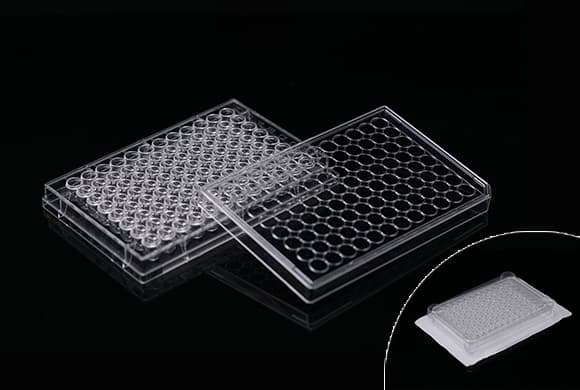
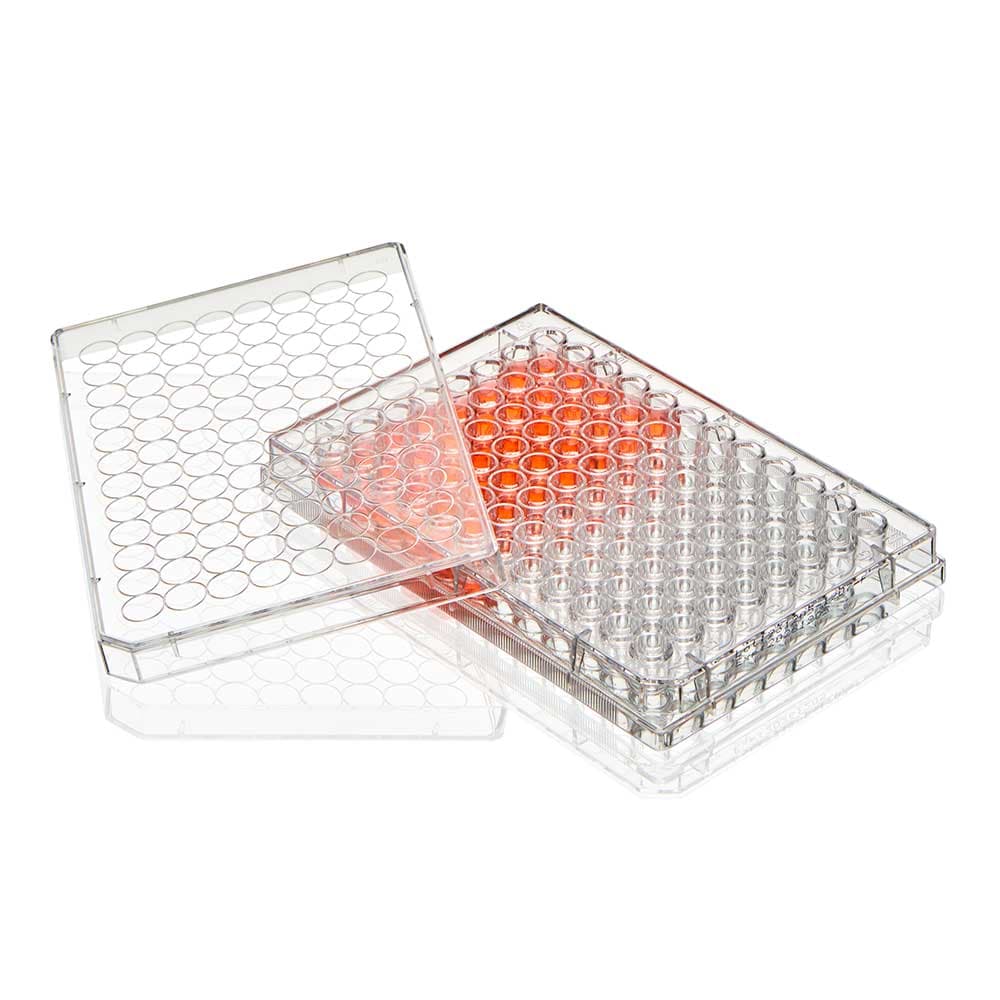
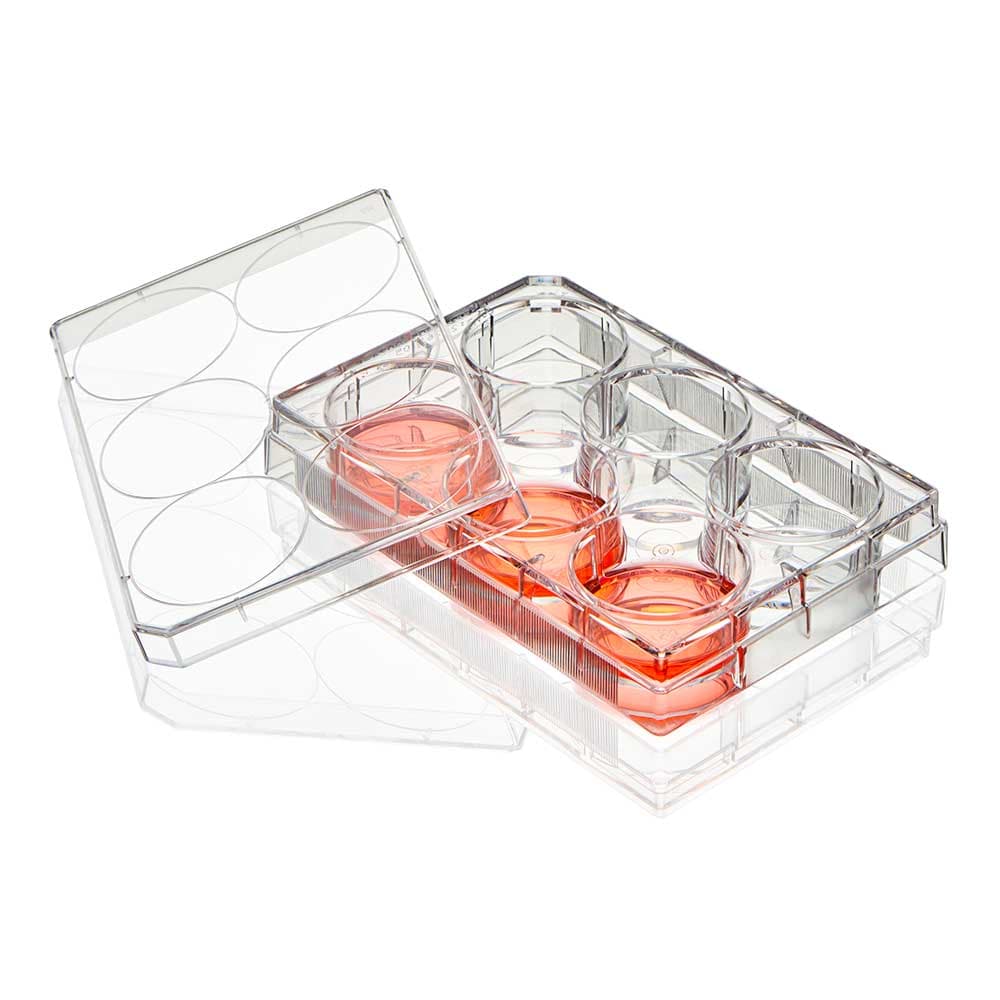
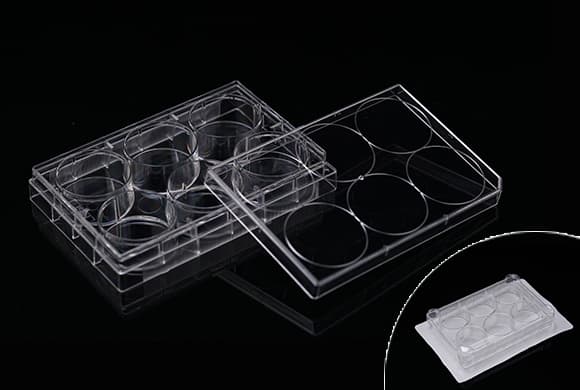
Showing 1 to 5 of 5 results
What are Non-Treated Cell Culture Plates?
Non-treated cell culture plates are sterile, single-use multi-well polystyrene plates whose well surfaces retain the original hydrophobic, unmodified polystyrene character — no plasma, corona, or chemical treatment is applied. The hydrophobic surface (contact angle ~75–90°) prevents cell attachment, making these plates the correct choice for suspension cell lines, hematopoietic cells, hybridoma culture, spheroid and organoid formation, and any experiment where surface adhesion would alter the cell phenotype or experimental readout. Non-treated plates are the correct default for all suspension-growing cell lines and for any 3D culture format — spheroids, organoids, embryoid bodies — where surface attachment is undesired.
What you will find:
- 6, 12, 24, 48, and 96 well formats for different workflows
- Untreated surfaces with no coating or modification
- Clear plates for easy observation and monitoring
- Uniform wells for consistent sample handling
- Sterile options to maintain clean conditions
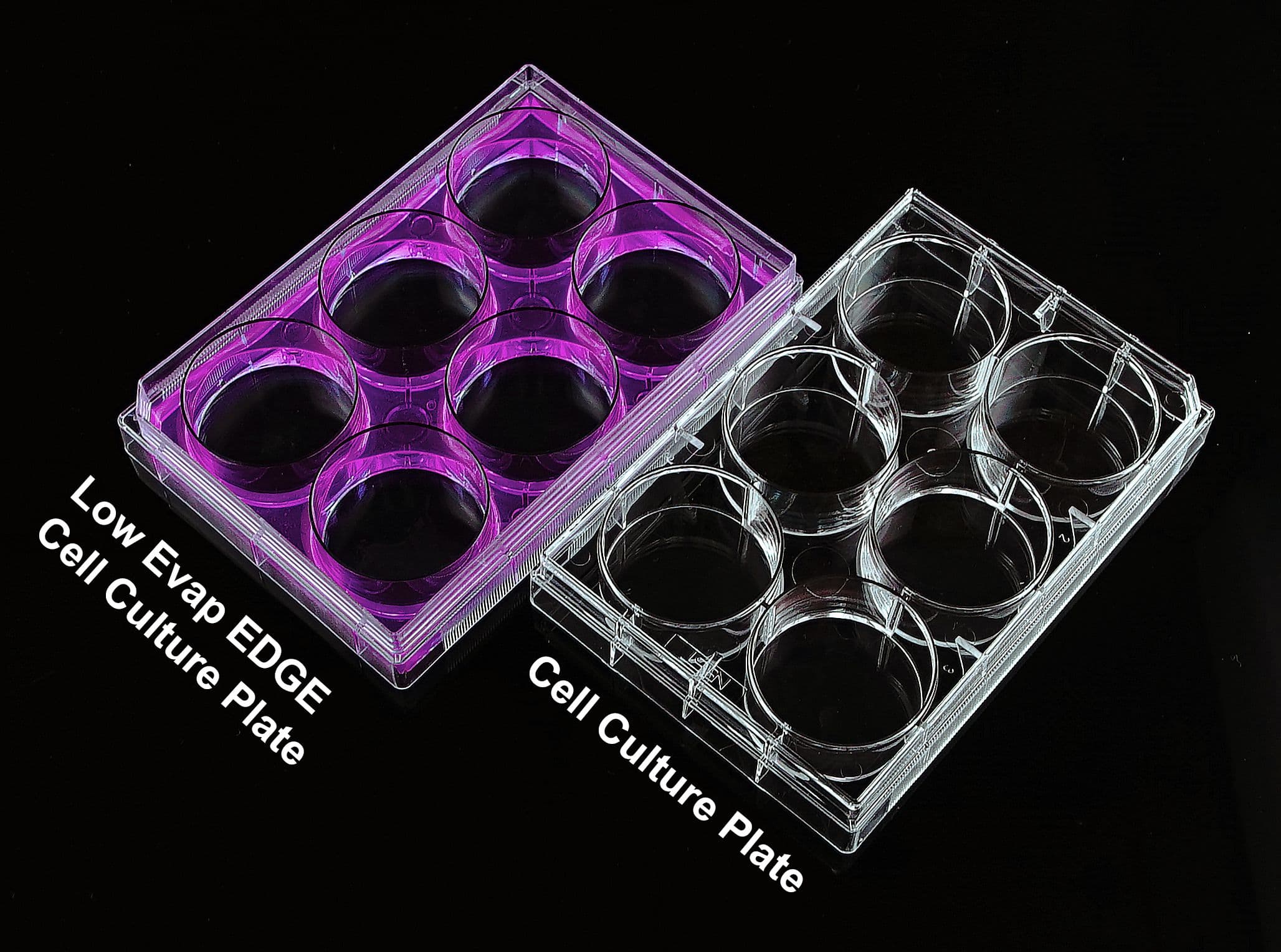
- Lids designed to reduce contamination and evaporation
How to Choose Non-Treated Cell Culture Plates
Suspension Cell Lines Requiring Non-Treated Plates
Non-treated flat-bottom plates support maintenance and assays for Jurkat T-cells, K562 erythroleukemia, HL-60 promyelocytes, Raji B-cells, THP-1 monocytes, MOLM-13, and Daudi cells. Primary hematopoietic cells — PBMCs, CD34⁺ progenitors, NK cells, and bone marrow isolates — require non-treated surfaces to prevent integrin-triggered differentiation signals from TC-treated polystyrene. For hybridoma culture during HAT selection, non-treated 96-well U-bottom plates are the standard format.
U-Bottom vs. Flat-Bottom for Non-Treated Plates
Non-treated flat-bottom plates are the standard for suspension cell viability assays, cytotoxicity screens, and ELISA from non-adherent lysates, where wells need a uniform optical path and a flat imaging surface. Non-treated U-bottom 96-well plates concentrate non-adherent cells to the well center by gravity, producing cell pellets that are easier to aspirate during wash steps — essential for immunophenotyping panels with multiple antibody labeling and wash cycles before flow cytometry.
Spheroid and 3D Culture in Non-Treated Plates
Non-treated round-bottom (U-bottom) 96-well plates are widely used for hanging-drop spheroid formation and gravity-aggregated tumor spheroid culture. The hydrophobic, non-adhesive well surface combined with U-bottom geometry causes cells to aggregate at the well vertex by gravity, forming compact spheroids over 24–72 hours without scaffolding. Spheroids formed in non-treated U-bottom 96-well plates are directly measurable in the plate using a plate reader or confocal microscope with an appropriate working distance.
Assay Compatibility
Non-treated plates are fully compatible with cell viability reagents (CellTiter-Glo, CellTiter-Aqueous MTS, PrestoBlue), cytokine ELISA from cell supernatants, luciferase reporter assays from suspension-cell lysates, and flow cytometry sample preparation. For assays requiring a flat optical surface with minimal well-to-well distance variation, flat-bottom non-treated plates are preferred over U-bottom.
Sterility and Purity Grade
NEST Scientific non-treated plates are E-beam sterilized to SAL 10⁻⁶, certified DNase/RNase-free, non-pyrogenic, and individually wrapped in peelable sterile film. They are manufactured from 100% virgin polystyrene in ISO 8 cleanrooms under ISO 9001:2015 and ISO 13485 quality management. No additional surface chemistry or coating is applied; the non-treated specification is confirmed by water contact angle measurement per NEST lot release protocol.
Specifications Context
NEST Scientific non-treated plates are manufactured from 100% virgin polystyrene in ISO 8 cleanrooms; the non-treated well surface has a water contact angle of ~75–90° (hydrophobic) confirmed per lot release. All plates conform to ANSI/SLAS SBS footprint standards (127.76 × 85.48 mm), ensuring compatibility with automated liquid handlers and plate readers. Alphanumeric well coordinates are printed on all plates ≥12-well format. Package box double functions as a reagent reservoir for multi-channel pipette operations per NEST design. As of 2026, NEST Scientific non-treated plates in all core formats are stocked by MBP.
Use non-treated plates when you want full control over how your cells interact with the surface. Keep conditions simple. Keep results predictable. Contact the MBP team now to get a tailored quote.
FAQ