Cell Culture Dishes — 35 mm to 150 mm TC-Treated Polystyrene for Adherent Cell Culture
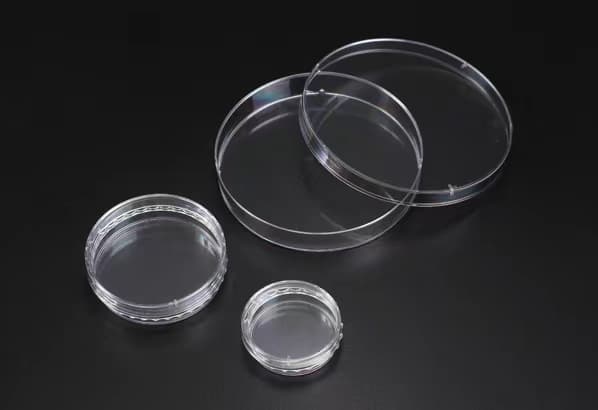
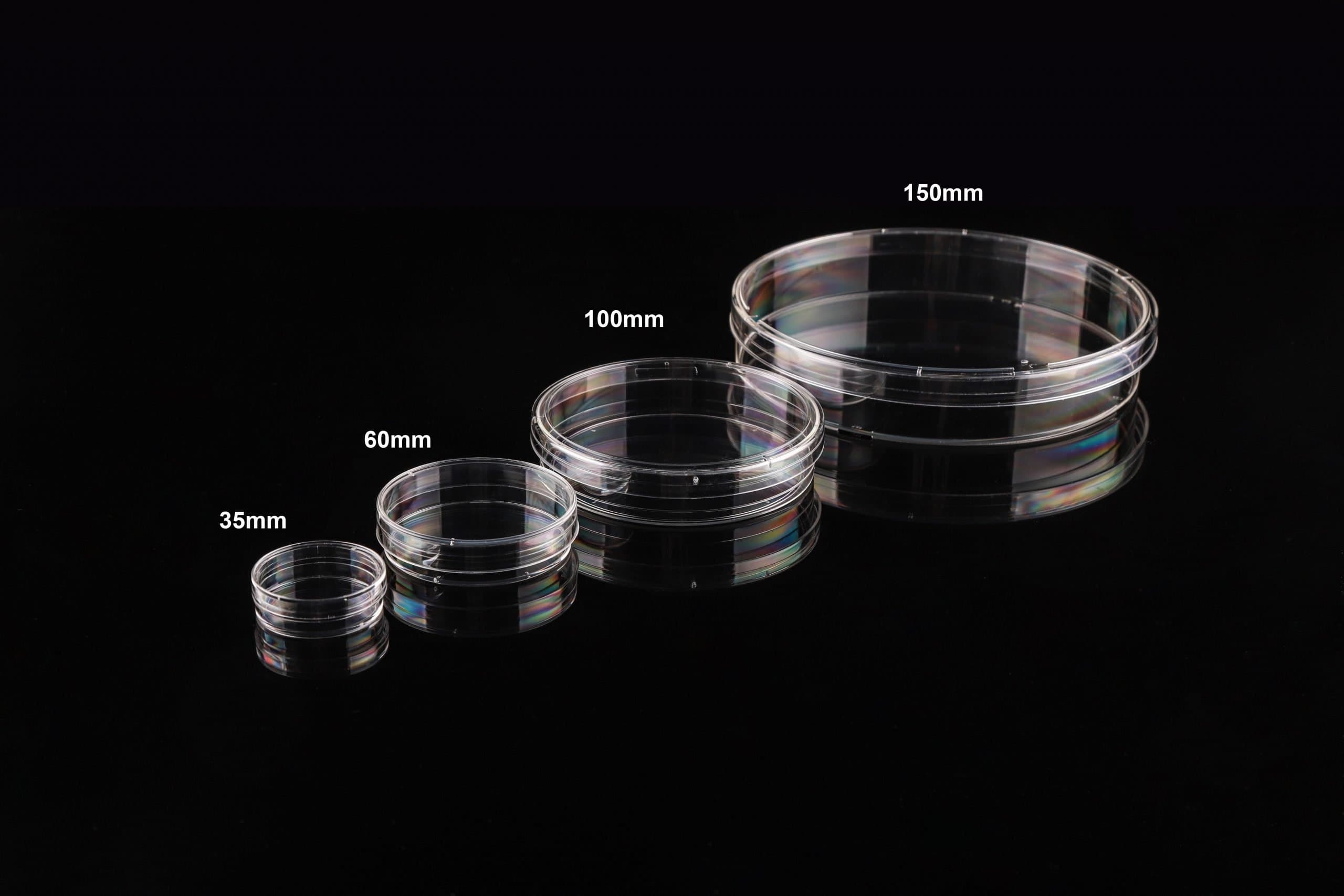
Cell culture dishes are sterile, shallow circular TC-treated polystyrene vessels for growing adherent mammalian cells with direct phase-contrast and widefield fluorescence microscopy access. NEST Scientific dishes are available in 35 mm (~8.8 cm²), 60 mm (~21 cm²), 100 mm (~55 cm²), and 150 mm (~148 cm²) diameters with flat optically clear bottoms, numeric position marks, and stackable lids. 100 mm dishes with Easy-Grip gripping ring are also available. All are E-beam sterilized to SAL 10⁻⁶, DNase/RNase-free, ISO 9001:2015 certified.
MBP carries the full NEST Scientific dish line with direct PO ordering for labs across the USA, Canada, and worldwide. Contact customerservice@mbpinc.net to request a quote today!
Cell Culture Dishes


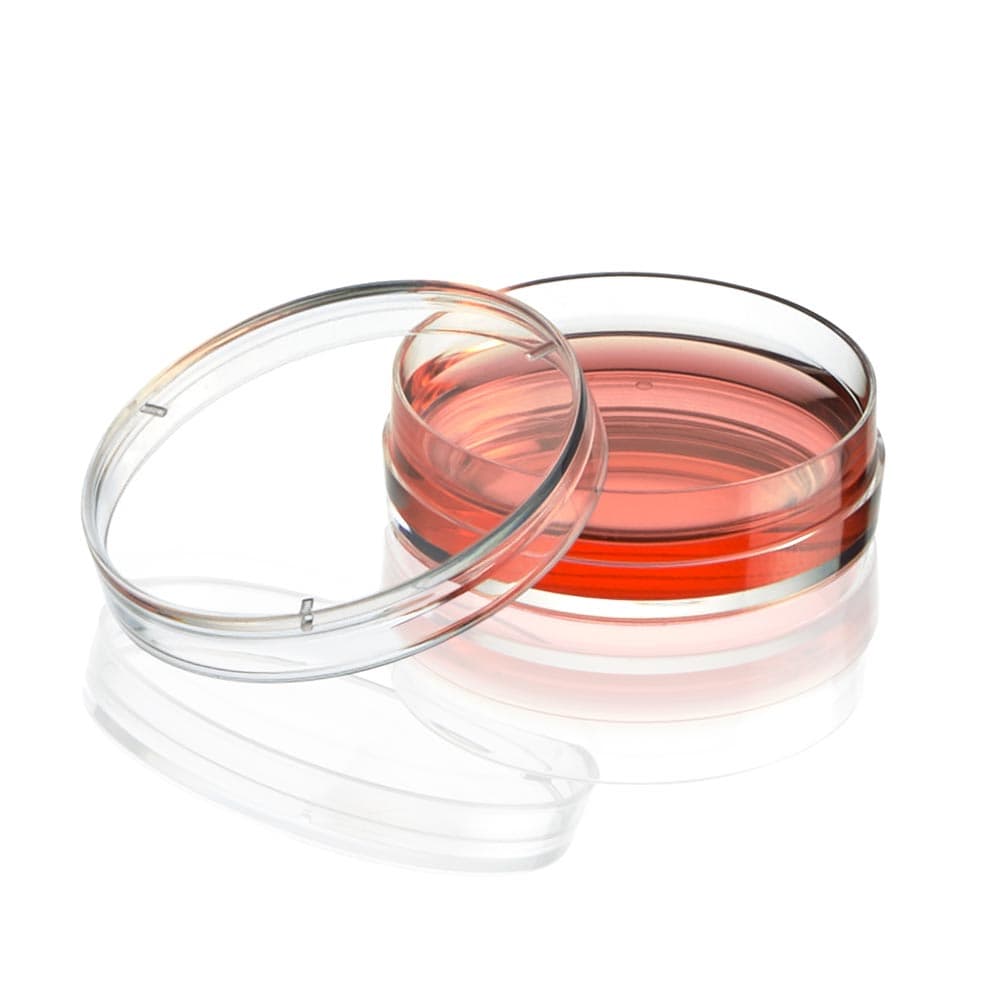
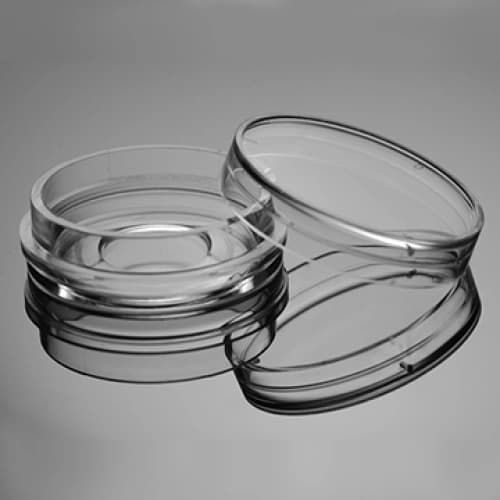

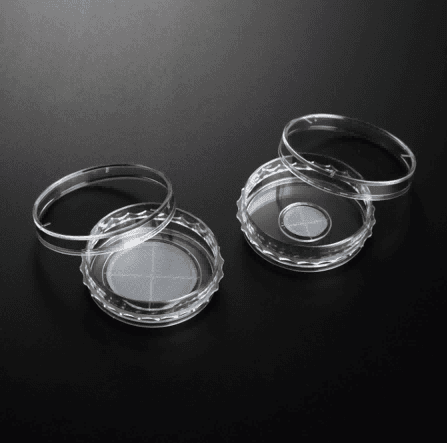
Showing 1 to 10 of 10 results
What are Cell Culture Dishes?
Cell culture dishes are sterile, shallow, circular polystyrene containers with a lid for growing adherent or suspension mammalian cells, bacteria, yeast, and microorganisms in a CO₂ incubator or ambient environment. TC-treated (tissue culture–treated) dishes support adherent mammalian cell monolayer growth; non-treated dishes suit suspension cells, colony counting, and bacteriological applications. Choose the dish diameter based on required cell number and downstream assay volume: 35 mm for small-scale primary culture and microscopy; 60 mm for transfection and mid-scale assays; 100 mm for routine large-scale expansion, protein isolation, and virus production; 150 mm for maximum single-vessel cell yield.
What you will find:
- TC-treated and sterile cell culture dishes in standard, polystyrene (PS), Diamond SureGro, gripping ring, and external grip formats.
- Glass bottom cell culture dishes for microscopy-based cell culture workflows.
- Spheroid culture products, including Spheroid Dishes and Spheroid Forming Units.
- 3D Cell Floater Dishes for 3D cell culture applications.
- Multi-Insert Dishes for multi-insert culture configurations.
How to Choose Cell Culture Dishes
Diameter and Growth Area by Application
35 mm dishes (growth area approximately 8.8 cm², working volume 2 mL) are the standard for primary cell culture, colony counting, clonal selection, and high-resolution phase-contrast microscopy from adherent monolayers, where the small diameter matches the field of view of low-magnification objectives. 60 mm dishes (growth area approximately 21 cm², working volume 5 mL) suit transfection experiments (calcium phosphate, lipofection, PEI) and mid-scale protein or RNA harvest. 100 mm dishes (growth area approximately 55 cm², working volume 10 mL) are the routine format for cell expansion, large-scale transfection (AAV, lentivirus production), and whole-cell protein or nucleic acid extraction. 150 mm dishes (growth area approximately 148 cm², working volume 20–30 mL) provide maximum cell yield from a single vessel for high-yield protein production, ChIP-seq input material, and large-scale virus production.
TC-Treated vs. Non-Treated Dishes
TC-treated NEST dishes have vacuum plasma–modified surfaces (contact angle <10°) supporting adherent mammalian cell attachment, equivalent to TC-treated T-flask surfaces. Non-treated dishes (when available) maintain the hydrophobic PS surface for suspension cell maintenance, organoid culture, and bacteriological applications. Confirm surface treatment from the product label before seeding; TC-treated and non-treated dishes are visually identical.
Gripping Ring Option for 100 mm Dishes
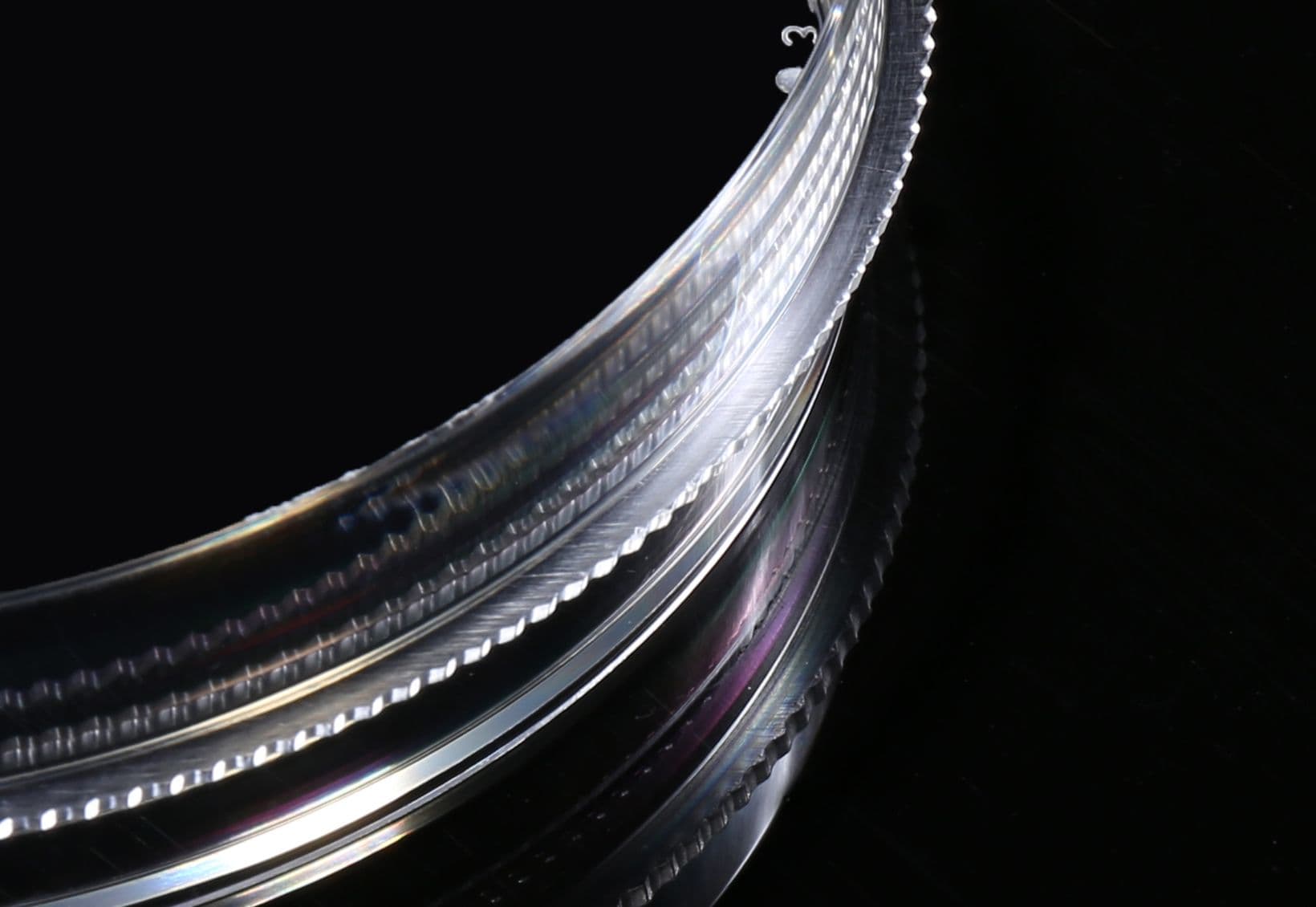
NEST Scientific 100 mm dishes are available with and without an Easy-Grip gripping loop molded into the dish wall. The gripping ring provides a secure handhold through latex or nitrile gloves in a biosafety cabinet, reducing slip-and-drop contamination events during media changes and trypsin addition for large-batch 100 mm dish workflows. For labs handling >20 dishes per day, gripping ring dishes are a practical quality-of-life improvement.
Optical Clarity and Microscopy
NEST Scientific cell culture dishes are manufactured from 100% virgin polystyrene with a flat, distortion-free growth surface, allowing phase-contrast microscopy and standard fluorescence widefield microscopy directly in the dish without cell transfer. Numeric position marks on the dish bottom allow users to re-locate specific fields between imaging sessions. For confocal, TIRF, or super-resolution imaging requiring No. 1.5 coverglass, use glass-bottom dishes or [glass-bottom cell culture plates](mbpinc.net/consumables/cell-culture/cell-culture-plates/glass-bottom-cell-culture-plates) instead.
Stackability and Incubator Efficiency
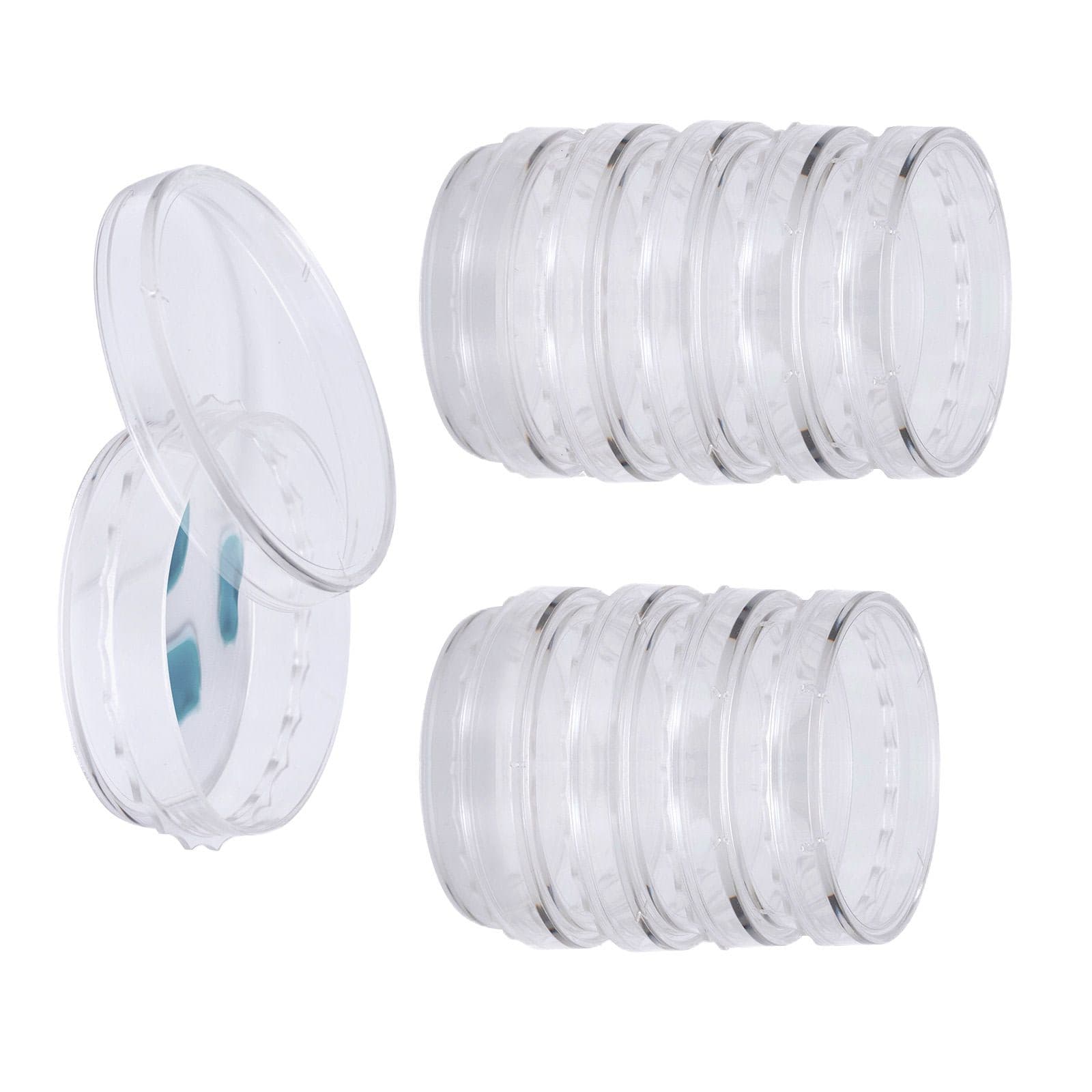
NEST Scientific cell culture dishes feature a raised rim geometry and a snap-fit lid that allow stable stacking in a CO₂ incubator. Stacking feet on the lid prevent the lid from sliding and ensure the inner lid face does not contact the dish rim of the dish below — maintaining sterility of the lid's inner surface during stacking. For high-throughput cell culture labs running >50 dishes simultaneously, dish stackability significantly increases effective incubator shelf utilization.
Specifications Context
NEST Scientific cell culture dishes are manufactured from 100% virgin polystyrene in ISO 8 (Class 10,000) cleanrooms. Vacuum plasma TC treatment is verified by water contact angle goniometry per lot (criterion: contact angle <10°). E-beam sterilized to SAL 10⁻⁶; certified DNase/RNase-free and non-pyrogenic per lot. Flat bottom for distortion-free phase-contrast microscopy; numeric position marks on dish floor. NEST Scientific is ISO 9001:2015, ISO 13485, and ISO 11137 certified with FDA registration and CE marking. As of 2026, NEST Scientific dishes in all four sizes are stocked by MBP.
Don’t compromise on cultural integrity. Contact the Molecular Biology Products Inc. team for high-performance labware. Request a quote today to streamline your laboratory workflow.
FAQ