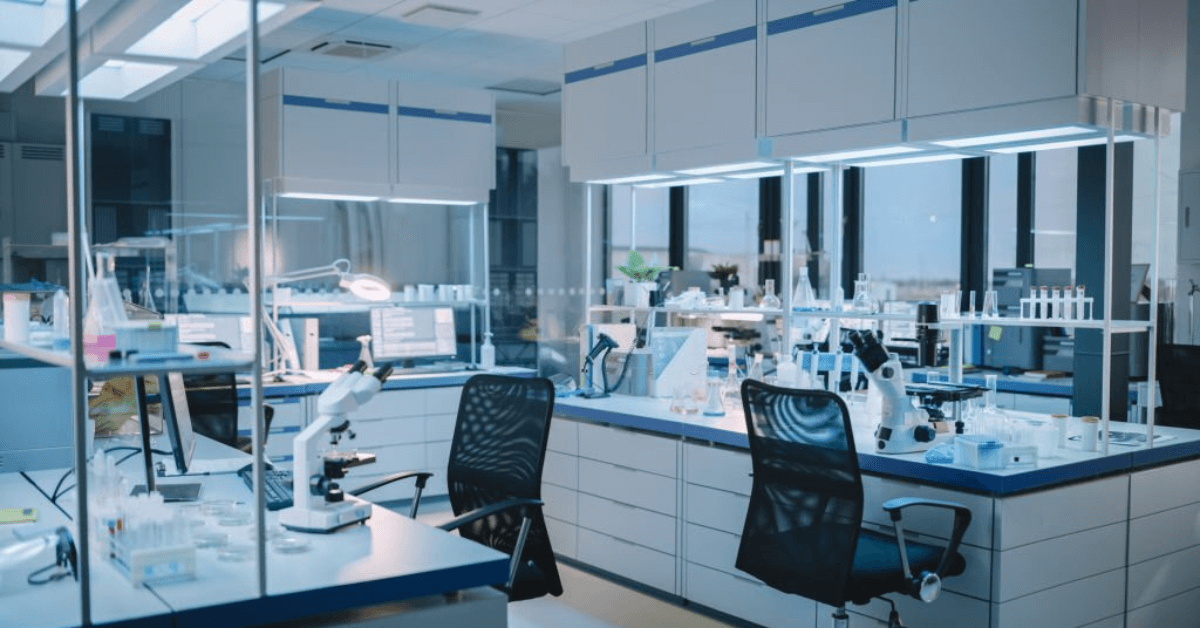
Lab managers already have to deal with time and financial constraints, so they must figure out how to maximize their available space. Here are some suggestions to help you make the most of your lab space so that everything you need to use fits and your workflow is improved.
Tips To Help You Make The Most Of Your Lab Space
Record Digitization
Even after their research has been published, laboratories must maintain thorough records. They frequently gather an astounding number of documents and files, which must be maintained orderly and structured. However, when these documents are kept in filing cabinets, they take up valuable lab space. You may free up this space for other vital duties with record digitization.
Digitizing lab records entails transferring all paper-based data into a digital format. This can include sample inventory lists and information about recording instrument characteristics (make, model, serial number, etc.). Electronic lab notebooks (ELNs) and a Laboratory Information Management System work well for digitization (LIMS).
Printing & Labeling
Labels are necessary, preferably with barcodes that have a unique identity, to be used with LIMS software to track samples and equipment. Reagents, quantities, and other crucial details about the experiment can also be listed on the label. Lab labels enable reagents and samples to be transferred around the lab by clearly identifying the contents of each and every container, in addition to aiding in the organization of your inventories.
They should be printed, not handwritten, for best label use. This calls for one of two printer types: a thermal printer if more robust labels are needed or a laser/inkjet printer, which the majority of labs already have for printing papers and documents. Fortunately, many compact, lightweight thermal printers are simple to set up and take anywhere.
Define Work Areas
Organizing tasks into separate workspaces can increase productivity and efficiency while also freeing up space in the lab. Specific tools, materials, and supplies can be shared while yet being readily accessible during experimentation thanks to clearly defined workspaces.
Restricting movement and preventing lab staff from stepping in each other's way enables each step of the experimental process to be done successfully and swiftly. It also limits the contamination of supplies and machinery. For instance, it is best to avoid using the material used in radioactive assays for any other applications, whereas using only particular materials and supplies for PCR assays helps to ensure that they are RNAse-free.
Cleaning & Maintenance
It's crucial to maintain a clean and organized workspace after each experiment to avoid having dust and other debris collect on your tools and chemicals. What little space is already available might be quickly taken up by mess and clutter, making it difficult for those who need to use the bench after you.
Get into the practice of cleaning as you go, utilizing some free time to straighten up and put the material back in its place rather than waiting until the disorder has gotten out of hand. Spending a few minutes cleaning here and there will prevent cleaning from consuming more of your time in the future. Adopting good cleaning practices may be difficult, but incorporating them into your processes can make them easier.
To Wrap Up:
You can follow the aforementioned tips to clear up valuable space and make your work easier. Remember that working in an organized way not only ensures that the work becomes easy but also that you get accurate results. Also, if you're looking for molecular biology equipment like an Individually wrapped serological pipet, filter tips, and more, MBP Inc. has got you covered.