26 Dec 2024
Understanding The Different Types of Blood Collection Tubes: A Comprehensive Guide
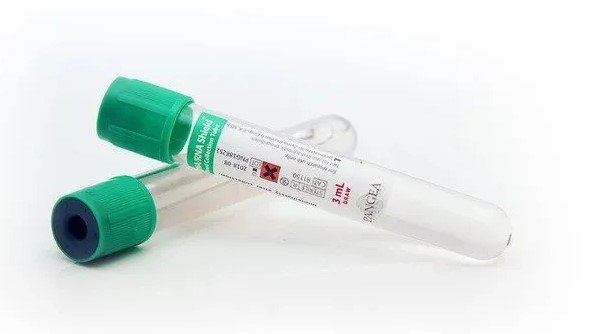
Blood collection tubes are designed with specific additives that either promote clotting (clot activators) or prevent it (anticoagulants). When blood in a clot activator tube is centrifuged, it produces a serum sample, a clear liquid separated from the cells.
On the other hand, blood in an anticoagulant tube yields a plasma sample, which contains liquid and clotting factors. Understanding the types of blood collection tubes and their purposes is crucial for selecting the right tube and ensuring accurate lab results.
Scroll down to explore the various types of blood collection tubes and their specific uses in this blog.
Blood Collection Tubes
Vacuum blood collection tubes are single-use containers designed with negative pressure to safely and efficiently collect venous blood samples. These tubes are easy to use, ensure sterility, and are vital in delivering accurate results for hospital diagnostic procedures.
The color-coded caps signify specific additives and their functions, minimizing errors during blood collection and testing while ensuring reliable outcomes.
Types Of Blood Collection Tubes
Learn more about the color guide of blood collection tubes:
Red-top: Additive-free tube
This blood collection tube color code is commonly used for medical tests, including biochemical, immunological, serological, and viral analyses. Their smooth inner walls prevent the adhesion of solutions, cells, and fibrin, ensuring the collection of clean serum specimens while preserving serum components for accurate and reliable retesting.
Green: Heparin tube
Green-top blood collection tubes are equipped with heparin (sodium or lithium) as an anticoagulant. They are designed to collect blood plasma for various tests, ensuring minimal interference, rapid plasma separation, and reliable performance across a broad temperature range.
Purple: Hematology tube
Vacuum blood collection tubes containing EDTA are used as anticoagulants for hematology, cross-matching, blood typing, and glycosylated hemoglobin tests. EDTA helps preserve blood cell integrity, particularly platelets, by preventing clumping.
These tubes enhance testing efficiency, minimize result variability, enable faster reporting, reduce cross-infection risks, standardize laboratory procedures, and improve sample quality, ultimately leading to better patient care.
Gold (SST)
The Gold-top vacutainer test tubes effectively separate serum from blood samples. When spun in a centrifuge, they contain a gel barrier that divides the serum from the clot and cells. This barrier also keeps the serum from mixing with other components during transport and handling.
SST tubes are used for many clinical tests, such as metabolic panels, liver function tests, and drug monitoring. They are commonly found in places that need quick serum separation and analysis.
If you're looking for Gold blood collection tubes or other high-quality blood collection tubes, MBP Inc. has you covered.
Pink
Pink Vacutainer tubes are commonly used in blood banks and transfusion services. They contain EDTA, an anticoagulant that prevents clotting and ensures the sample remains intact for testing.
The distinctive pink color indicates that these tubes are specifically for compatibility testing, cross-matching, and blood typing. Pink blood collection tubes are essential for ensuring safe blood transfusions by verifying that the donor's blood matches the recipient's, helping to prevent adverse reactions.
Gray
Gray-top blood collection tubes are specifically designed for testing and monitoring glucose levels. They contain sodium fluoride to prevent glucose breakdown and potassium oxalate to inhibit clotting, ensuring precise and reliable results. It is crucial to mix and process these samples promptly to prevent glucose degradation and maintain the accuracy of the test.
Light Blue
Tubes designed for coagulation tests are filled with sodium citrate, an essential anticoagulant that binds calcium ions in the blood, stopping the clotting process. These tubes are crucial for accurate testing in procedures like prothrombin time (PT) and activated partial thromboplastin time (aPTT), which assess clotting ability and the intrinsic coagulation pathway, respectively.
Samples must be centrifuged to separate plasma from blood cells to obtain plasma for these tests. This ensures reliable results that aid in diagnosing bleeding disorders, liver diseases, and clotting abnormalities.
Here’s a comprehensive table summarizing the different blood collection tube colors and tests, highlighting their specific uses and the additives in each tube that are essential for accurate testing:
| Tube Color | Additive | Purpose/Usage |
| Red-Top | Additive-Free | Commonly used for biochemical, immunological, serological, and viral tests. The smooth inner walls prevent solutions, cells, and fibrin adhesion, ensuring clean serum specimens. These tubes preserve serum components for accurate retesting. |
| Green | Heparin (Sodium or Lithium) | Designed for plasma collection in various tests. Green-top tubes minimize interference, allow rapid plasma separation, and perform reliably across a broad temperature range. |
| Purple | EDTA (Anticoagulant) | Used for hematology, cross-matching, blood typing, and glycosylated hemoglobin tests. EDTA preserves blood cell integrity by preventing clumping, particularly in platelets. These tubes enhance efficiency, improve sample quality, and reduce cross-infection risks. |
| Gold (SST) | Gel Barrier | Separates serum from blood during centrifugation. The gel barrier prevents serum from mixing with clots and cells during handling and transport. SST tubes are used for metabolic panels, liver function tests, and drug monitoring, and they are ideal for quick serum separation and analysis. |
| Pink | EDTA (Anticoagulant) | Commonly used in blood banks and transfusion services for compatibility testing, cross-matching, and blood typing. The EDTA prevents clotting, ensuring the sample is preserved for accurate testing. Pink tubes are essential for safe blood transfusions, verifying compatibility between donor and recipient blood to prevent adverse reactions. |
| Gray | Sodium Fluoride and Potassium Oxalate | Specifically designed for glucose testing and monitoring. Sodium fluoride prevents glucose breakdown, and potassium oxalate inhibits clotting, ensuring accurate results. Prompt mixing and processing are essential to maintain test reliability and avoid glucose degradation. |
| Light Blue | Sodium Citrate | Designed for coagulation tests such as prothrombin time (PT) and activated partial thromboplastin time (aPTT). Sodium citrate binds calcium to prevent clotting. Samples must be centrifuged to separate plasma from cells, ensuring reliable results for diagnosing bleeding disorders, liver diseases, and clotting abnormalities. |
Final Thoughts
Knowing the different types of color-coded blood collection tubes and their purposes is essential for accurate test results. Each tube has specific additives to manage clotting based on test requirements.
By selecting the appropriate blood collection tubes, healthcare professionals can optimize sample quality, reduce errors, and enhance patient care, ultimately improving diagnostic efficiency and medical decision-making.