Polymerase Chain Reaction (PCR) produces millions and billions of copies of a specific DNA sample quickly, enabling scientists to increase the count of even small samples of DNA enough to study it in detail.
The PCR process uses enzymes to synthesize copies of particular DNA sequences to make the best of it in different industries, including medicine, pharmaceuticals, biotechnology, academia, agriculture, research, etc.
From instruments, samples, workflow, reagents, and PCR plastics, many factors significantly influence the quality of PCR results. Optimizing these components is crucial to ensure accurate PCR results and further analysis.
In this blog, you’ll learn the importance of PCR plastics in making PCR tubes and plates for clear and precise experimental yields.
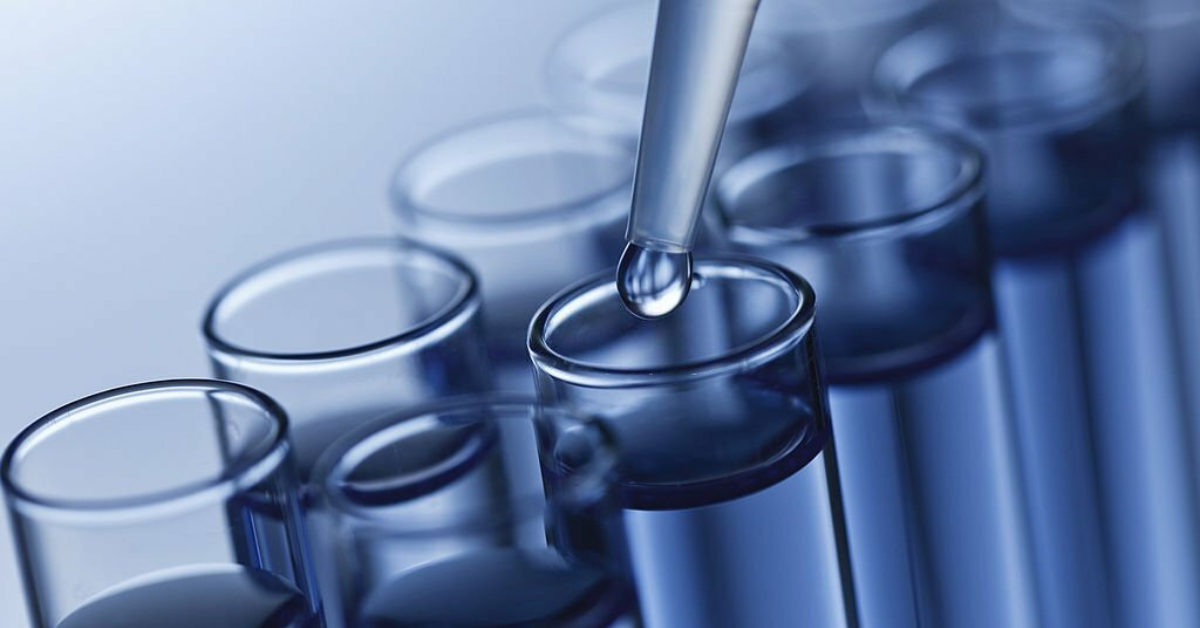
Made of transparent polypropylene, one of the safest plastics, particularly for scientific purposes, PCR plates are the trays holding PCR tubes for different PCR techniques. Comprising thin and uniform walls, these PCR plates optimize the thermal transfer from the block to the reaction solution.
Made of superior-quality polypropylene, PCR tubes generally comprise a sharp-edged bottom, followed by a cap and a wall that are seamlessly uniform and ultra-thin. These characteristics of the PCR tube ensure optimal and unwavering heat transfer to the sample.
The cap ensures a tight seal to prevent evaporation, while walls certify the ultimate protection of the sample inside.
PCR plastics (whether used in tubes or plates) can substantially influence the output of biological experiments via their physical dimensions, manufacturing methods, and construction materials.
With assay volumes becoming smaller, the manufacturing accuracy and construction materials for PCR plastics have become more crucial. Accurate injection molding is needed to produce PCR plates and tubes of extremely clear-cut dimensions.
The ideal PCR plastics should support the intensification of nucleic acids and detection without interacting with reagents or samples.
In order to ensure the best PCR results, the plastic of your plates and tubes must be thin-walled. Likewise, the PCR plate or tubes must be inert and thermo-conductive as well as demonstrate uniformity in thickness.
Choosing virgin polypropylene is necessary for PCR application due to its chemical and biological properties. Last but not least, PCR plates should be manufactured in a clean room environment and be certified free of DNase, RNase, and human DNA.
At MBP Inc., you can find top-tier quality plastic PCR plates, including our 96-Well half-skirted Plates, for a seamless workflow. Here’s what makes our PCR plates the best of all: