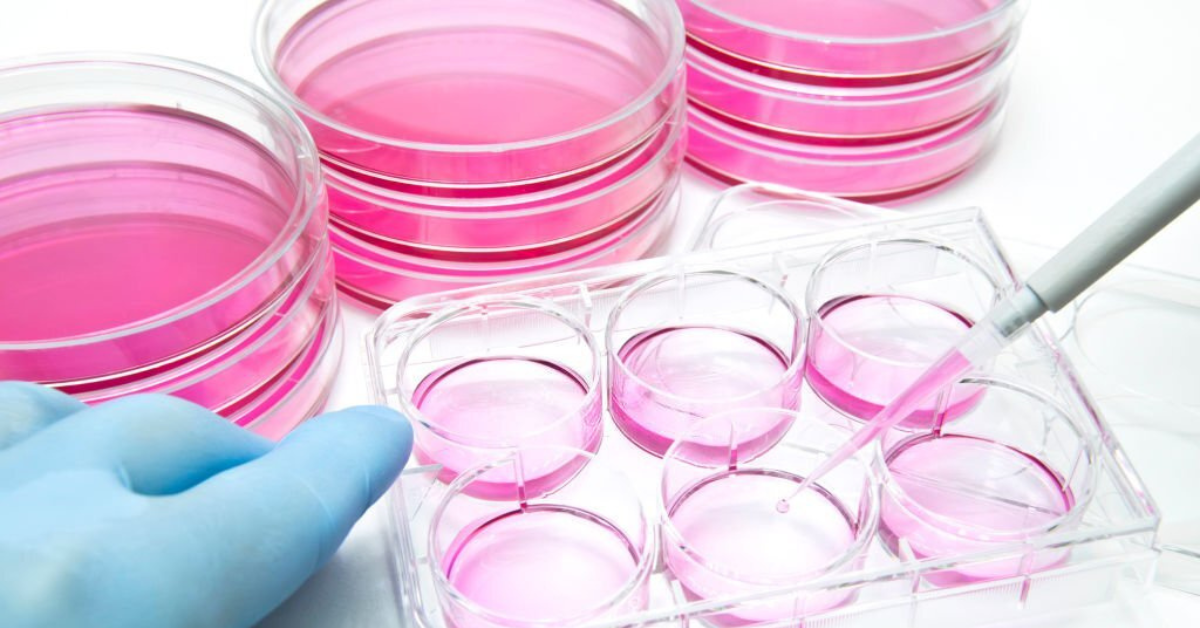
Tissue culture plates, also known as cell culture plates. They are made of plastic and come in various sizes and formats. The most common size is the 96-well plate. It consists of a flat-bottomed tray with 96 small wells arranged in a grid pattern. These wells are typically coated with a layer of extracellular matrix proteins. It also may contain other substances that promote cell adhesion, proliferation, and differentiation.
In this blog, we will tell you more about the role of tissue culture plates in biotechnology.
What Is The Role Of Tissue Culture Plates In Biotechnology?
The use of tissue culture plates has revolutionized the field of biotechnology. It has allowed researchers to study and manipulate cells in vitro, outside the body. This has enabled the development of new therapies and treatments for a range of diseases.
Temperature Control
Tissue culture plates have an amazing ability to support the growth of cells in a controlled environment. Researchers can control the plates' temperature, humidity, and gas composition. This is used to ensure optimal growth conditions for different cell types. This allows them to study the behavior of cells in vitro. It also allows testing of the effects of different drugs and compounds on cell growth.
Assess The Capacity
Tissue culture plates are required to produce cell-based tests, which are utilized to assess the capacity of various substances to affect cell action. These assays can be used to study the mechanisms of action of different compounds.
Genetic Engineering
Tissue culture plates are also used in genetic engineering. They are a key tool in developing genetically modified organisms (GMOs). These are created by introducing foreign genes into the DNA of cells or organisms. Tissue culture plates are used to grow the cells that have been genetically modified. This allows researchers to study their behavior and function.
Production Of Recombinant Proteins
Tissue culture plates are also used in the production of recombinant proteins. These are used in a wide range of applications. This may include diagnostics, therapeutics, and research tools. Recombinant proteins are typically produced by genetically modifying cells to express the protein of interest. Then, later on, growing the cells in tissue culture plates produce large quantities of the protein.
Stem Cell Research
Tissue culture plates are used in stem cell research. Stem cells are undifferentiated cells that have the ability to differentiate into a range of different types. Tissue culture plates are used to grow and maintain stem cells. This allows researchers to study their behavior and potential applications in regenerative medicine.
To Wrap It Up
Tissue culture plates are an essential tool in biotechnology research. It provides a platform for the growth and study of cells and tissues. They have revolutionized the field of biotechnology. They have allowed researchers to study and manipulate cells in vitro, outside the body. Tissue culture plates are used extensively. They are used in drug discovery, genetic engineering, and cell biology research. You can get in touch with MBP Inc. and get high-quality Tissue culture plates, cell culture plates, and much more.