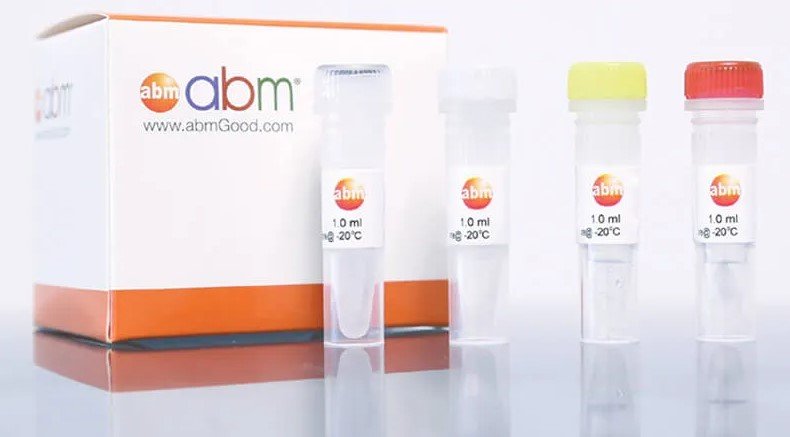
Mycoplasmas are common contaminants in cell cultures, especially in the biopharmaceutical industry, and some can cause health problems. Traditional methods for detecting mycoplasma contamination are complicated, require a lot of work, and can take up to five weeks to show results. In contrast, rapid detection methods like PCR can save much time and work well for screening cell cultures in labs and industrial settings.
Scroll down to learn how to use a Mycoplasma PCR detection kit effectively. Keep reading!
Mycoplasma PCR Detection Kit
The Mycoplasma PCR Detection Kit helps detect mycoplasma, a common contaminant in cell cultures and their products.
This kit utilizes the polymerase chain reaction (PCR) method to find a specific part of the mycoplasma genome, focusing on the 16S rRNA coding region. Special primers detect over 90 types of Mycoplasma, Acholeplasma, and Spiroplasma. This PCR test is designed to be sensitive and specific, with a 10 CFU/mL detection limit.
The kit includes a ready-to-use PCR reaction mix containing Taq DNA polymerase, dNTPs, and optimized primers. It also includes a PCR buffer solution and a positive DNA template control. An internal control (IC) includes a plasmid with a non-mycoplasma DNA sequence and a primer set.
The internal control is amplified during all PCR reactions, including the negative and positive controls. It helps ensure that biological material does not prevent the response of working, which could lead to false negatives.
Kit Components
- MycoQuick 96-well plate contains mycoplasma and UCE primers coated at the bottom of each well.
- The last lane has 12 wells that contain positive control DNA templates for mycoplasma and UCE.
- You can cut the plate into strips based on the samples you need to test.
- It includes 8-cap strips (12 total) and 10 ml of cell lysis buffer.
Additional Materials and Instruments Needed
- Table-top centrifuge
- PCR enzyme and buffer
- PCR machine or qPCR machine
- Materials and tools for DNA electrophoresis
Storage Store
- Store the 96-well MycoQuick mycoplasma detection plate at 4°C until it expires.
- Keep the cell lysis buffer at 4°C or -20°C until it expires.
How To Use A Mycoplasma PCR Detection Kit
A. Test sample collection and preparation
Collect media test samples 24 to 48 hours after you last changed the medium. This timing will help you get the best results.
- Thaw the buffer solution at room temperature and keep it on ice while preparing your samples.
- Transfer 1.0 mL of cell culture supernatant to a clean 1.5 mL microcentrifuge tube.
- Centrifuge at 250 x g for 30 seconds to eliminate debris, then transfer the clear supernatant to a new tube.
- Centrifuge the supernatant at 20000 xg for 10 minutes to settle mycoplasma.
- Carefully remove the supernatant, leaving the pellet intact, and dissolve the pellet in 50mL of buffer solution.
- Vortex and briefly centrifuge to gather contents.
- Heat at 95°C for 3 minutes.
- The sample can be utilized for PCR directly or stored at -20°C for later use.
B. PCR Reaction Set-Up
Preventing sample contamination is crucial to ensuring accurate results with the Mycoplasma Detection Kit. Use sterile techniques, such as changing pipette tips for each reagent and keeping samples covered.
Work in a clean area and use sterile water, a positive displacement micropipette, filter tips, and gloves to avoid false positives. Handle the positive DNA template control last and keep it separate to stop cross-contamination.
- Thaw all parts of the Mycoplasma Detection Kit at room temperature, then keep on ice.
- Mix the reagents and centrifuge to collect the contents.
- Track the preparation table for PCR reaction samples, keeping each on ice.
- Vortex and centrifuge again.
- If needed, add 40 mL of mineral oil to each sample. Keep samples on ice before going for PCR amplification.
C. PCR amplification
- While the samples are kept cold, set the parameters for the thermocycler.
- Then, the PCR samples are placed in the thermocycler, and the programmed amplification is started.
- After the PCR is complete, the samples are ready for gel electrophoresis.
D. Gel Electrophoresis Of Amplified Products
Note: A 2% agarose gel is important for accurate results.
- Make a 2% agarose gel with ethidium bromide (or another DNA stain). The samples don’t need to be added to the loading dye or buffer.
- Carefully load 20 mL of the 100bp DNA ladder first, followed by each PCR sample into the gel lanes (refer to the example gel lane setup). Handle the positive control last and run it as the final sample in the gel.
- Run the 2% agarose gel at 100V for 75 minutes (check the FAQ section for more techniques).
- Analyze the results to confirm the amplified product and determine the size in base pairs based on the interpretation section.
E. Result Interpretation
All samples should contain the internal control band at 357bp. If missing, it may mean that PCR inhibition has occurred, making the test invalid. A positive test sample for mycoplasma will show a transparent band at 270 bp. The negative control lane should only display the internal control band at 357bp.
Final Thoughts
Detecting mycoplasma contamination is essential for maintaining the quality of cell cultures, especially in the biopharmaceutical industry. Traditional detection methods can take a long time and require much work. However, the Mycoplasma PCR Detection Kit provides a faster and more reliable option.
This kit makes detection easier, giving accurate results in less time. Its simple design and high sensitivity make it suitable for research and industrial use. This advanced technology can help you better keep your cultures clean, lower the risk of contamination, and boost your overall productivity.
Investing in effective mycoplasma detection improves the quality and success of your laboratory. MBP Inc. offers a brand-new, high-quality Mycoplasma test kit. Check it out right now!