13 Oct 2025
Safety and Handling Guidelines for Molecular Biology Reagents and Equipment
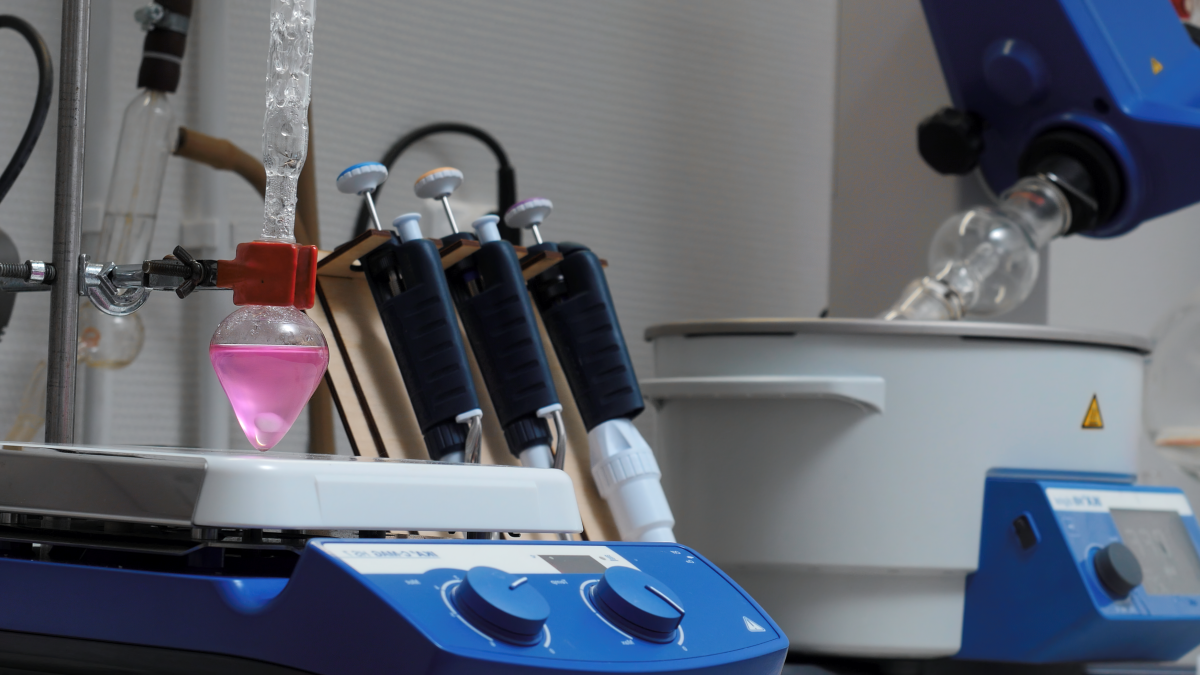
Safety in molecular biology laboratories is critical due to the high-stakes nature of working with sensitive reagents and specialized equipment. Improper handling can lead to chemical exposure, contamination, and even laboratory accidents.
Understanding and following safety protocols is paramount for protecting researchers, preserving research integrity, and ensuring compliance with regulations in the US and Canada.
Reagent Handling and Storage
Every reagent in a molecular biology lab comes with specific requirements. Handling these reagents correctly starts with proper labelling.
In the US, the Occupational Safety and Health Administration (OSHA) mandates that all chemical containers have clear labels and a Material Safety Data Sheet (MSDS). Similarly, in Canada, the Workplace Hazardous Materials Information System (WHMIS) requires specific labelling and documentation. These systems are in place to easily identify a substance's risks and proper handling.
When transferring reagents to secondary containers, labels must include the full chemical name, hazard warnings, receipt date, expiration date, and date opened. Such details allow for proper inventory control, reagent tracking, and ensuring reagent stability.
Handling and storage considerations of different types of reagents:
· Enzymes and Biological Reagents: Handle under sterile conditions to avoid contamination. Store in ultra-low temperature freezers at -20°C or -80°C to maintain enzymatic activity and reagent stability.
· Buffers: Use dedicated clean tools to prevent contamination. Store refrigerated or frozen while minimizing freeze-thaw cycles that may degrade components.
· Fluorescent Dyes (e.g., Ethidium Bromide): Due to their toxicity, use gloves and handle these reagents only in designated, well-ventilated areas. Store these dyes in dark or foil-wrapped containers to prevent light-induced degradation.
· Acids and Corrosive Chemicals: Use appropriate personal protective equipment (PPE) such as gloves and eye protection. Store in cool, well-ventilated areas away from incompatible substances to avoid dangerous chemical reactions.
· Organic Solvents: Always handle in well-ventilated areas with suitable PPE. Store in approved flammable safety cabinets away from heat or ignition sources.
· Powders and Dry Chemicals: Handle powders inside fume hoods or use appropriate respiratory protection to prevent inhalation risks. Store in tightly sealed containers to protect against moisture and contamination.
· Phenol-Based Reagent (e.g., TRIzol): These reagents are toxic and corrosive and require careful handling in a fume hood while wearing gloves and a lab coat. Store in sealed containers in cool, ventilated areas away from heat and ignition sources.
Equipment Usage
Molecular biology labs use specialized equipment such as centrifuges, pipettes, thermal cyclers, and electrophoresis apparatus. These lab equipment and apparatus are powerful, but only when used correctly.
For instance, operating centrifuges with unbalanced rotors risks mechanical failure. Thermal cycler lids can cause burns if mishandled. Even pipettes, if not regularly calibrated and sterilized, may introduce contamination or result in measurement errors.
Here are some good practices when using molecular biology equipment:
· Inspect equipment before each use to check for physical damage, proper calibration, and electrical safety.
· Follow the manufacturer's instructions precisely, as these incorporate essential safety and operational procedures.
· Maintain regular servicing and keep detailed logs of calibrations and repairs to sustain measurement accuracy.
· Sterilize reusable tools like pipettes and electrophoresis tanks to prevent cross-contamination.
· Use grounded electrical outlets and keep equipment dry to minimize electrical hazards.
Decontamination and Waste Disposal
A clean lab environment reduces contamination risks that can compromise experiments and personnel safety. Proper waste segregation and disposal protocols protect both people and the environment.
Laboratories in the US and Canada must follow strict protocols for segregating and disposing of chemical, biological, and sharps waste.
· Chemical Waste: Place this in designated, labeled containers; do not mix different types of chemical waste.
· Biological Waste: Agar plates, contaminated swabs, or microcentrifuge tubes, among other laboratory consumables that have come in contact with biological materials, must go into a special biohazard bag or container with a clear biohazard symbol. These are typically autoclaved before final disposal.
· Sharps: Needles, razor blades, and broken glass should always be disposed of in a sturdy, puncture-resistant sharps container.
In addition to following regulations, adopting practices like using less toxic chemicals and minimizing waste generation helps reduce environmental impact.
Emergency Procedures and Spill Response
No laboratory can prevent every accident—but preparation can turn a crisis into a manageable solution.
Chemical and biological spills demand immediate and structured responses:
1. Contain the spill area and alert lab personnel to prevent exposure.
2. Wear appropriate PPE, such as gloves, lab coat, eye protection, and respiratory protection, as needed.
3. Use spill kits that provide absorbents, neutralizers (like diluted bleach for biohazards), and tools to safely handle contaminated fragments.
4. Dispose of contaminated materials in designated biohazard or chemical waste containers.
5. Administer first aid promptly for exposures. This includes rinsing affected skin or eyes and seeking medical attention if necessary.
Subsequently, fire, chemical, and biohazard incident protocols must be established and practiced through regular emergency training and drills to reduce risks effectively.
Ensure Your Lab Meets the Highest Safety Standards With the Help of MBP
Consistently following established laboratory safety protocols in molecular biology is essential to protect researchers, ensure high-quality research outcomes, and comply with US and Canadian regulations. Promoting a culture of shared responsibility creates a secure and productive environment where scientific discoveries can thrive with confidence.
Molecular Biology Products, Inc. (MBP) supports this commitment by providing high-quality reagents, consumables, and specialized equipment designed to help laboratories maintain the highest safety and performance standards.
Contact us today to explore our product range and expert solutions designed to enhance accuracy, safety, and productivity in your laboratory.