RT-PCR & cDNA Synthesis Products for Gene Expression
RT-PCR and cDNA synthesis products provide the reverse transcriptase enzymes, reaction buffers, and optimized reagent systems required to convert RNA templates into complementary DNA (cDNA) for downstream PCR or qPCR analysis. The range includes stand-alone reverse transcriptase enzymes, cDNA synthesis kits, and one-step RT-PCR kits for gene expression, RNA analysis, and molecular biology workflows.
Academic researchers conducting gene expression studies benefit from MBP's range, which covers both routine and challenging RNA templates. Request a quote by contacting customerservice@mbpinc.net
RT-PCR & cDNA Synthesis Products

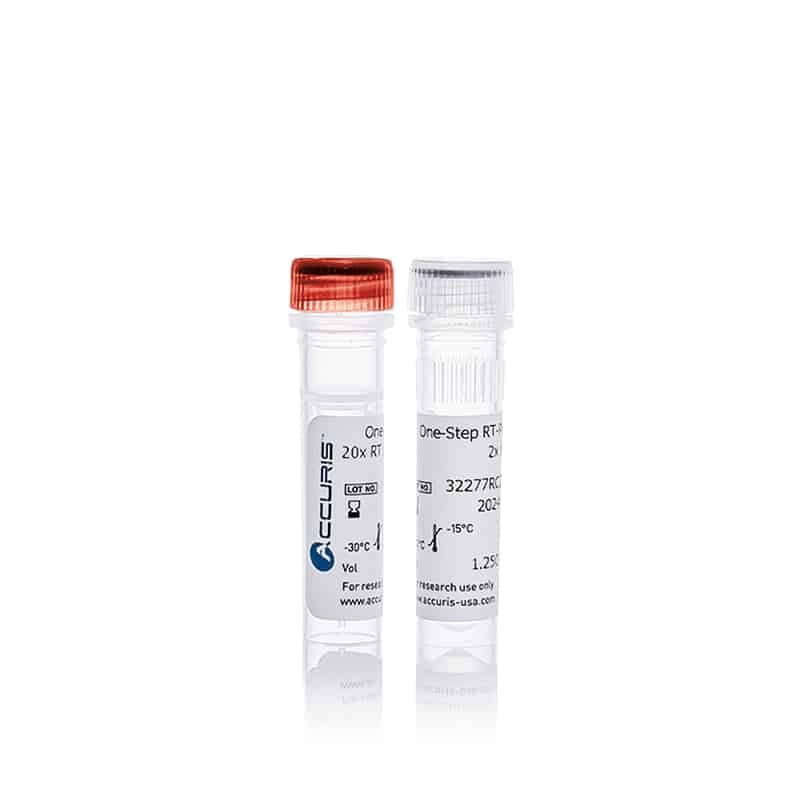
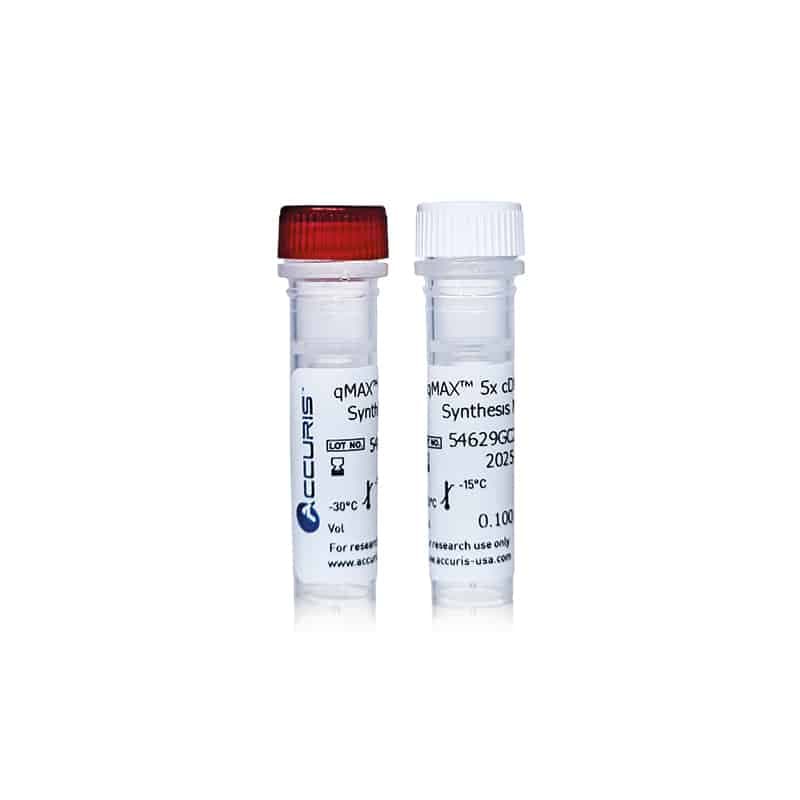
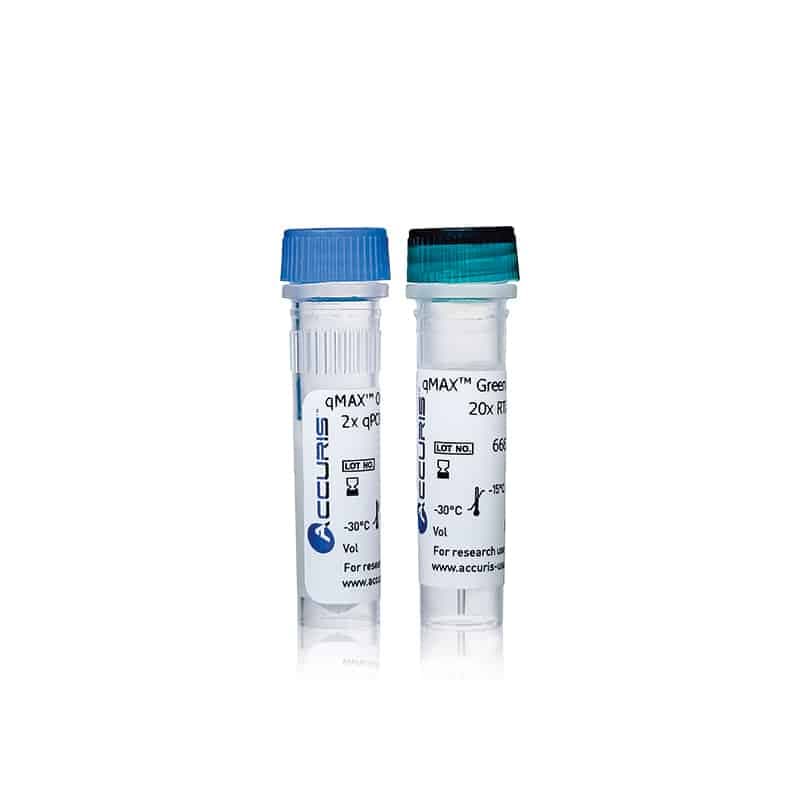


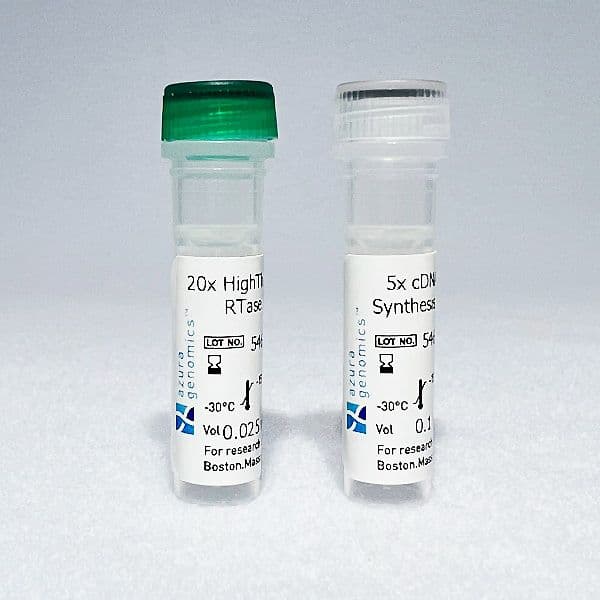
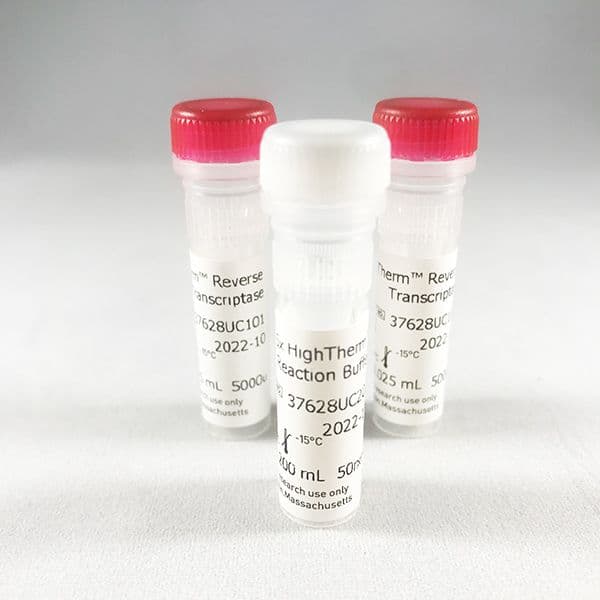
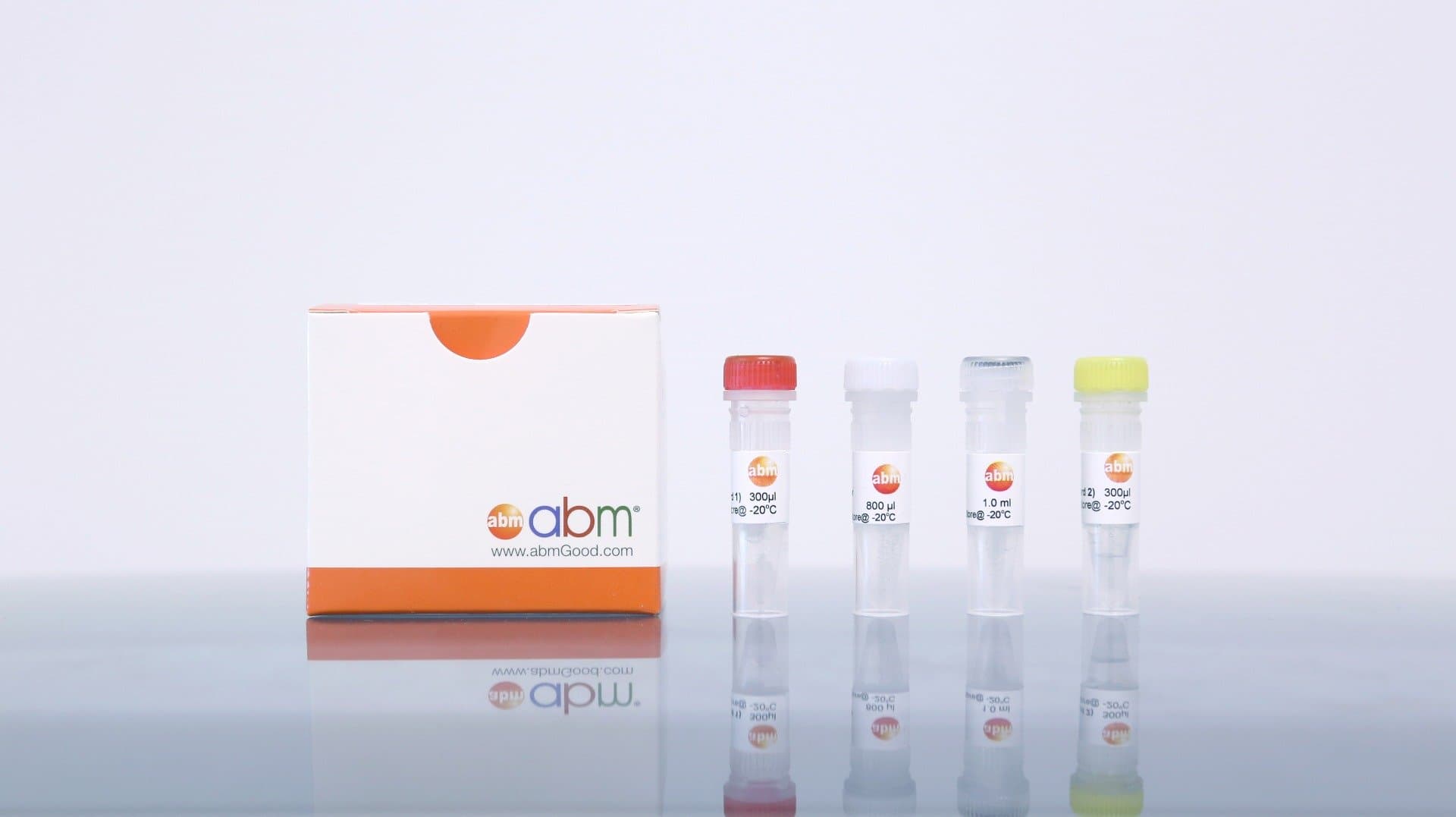
Showing 1 to 12 of 19 results
What Are RT-PCR & cDNA Synthesis Products?
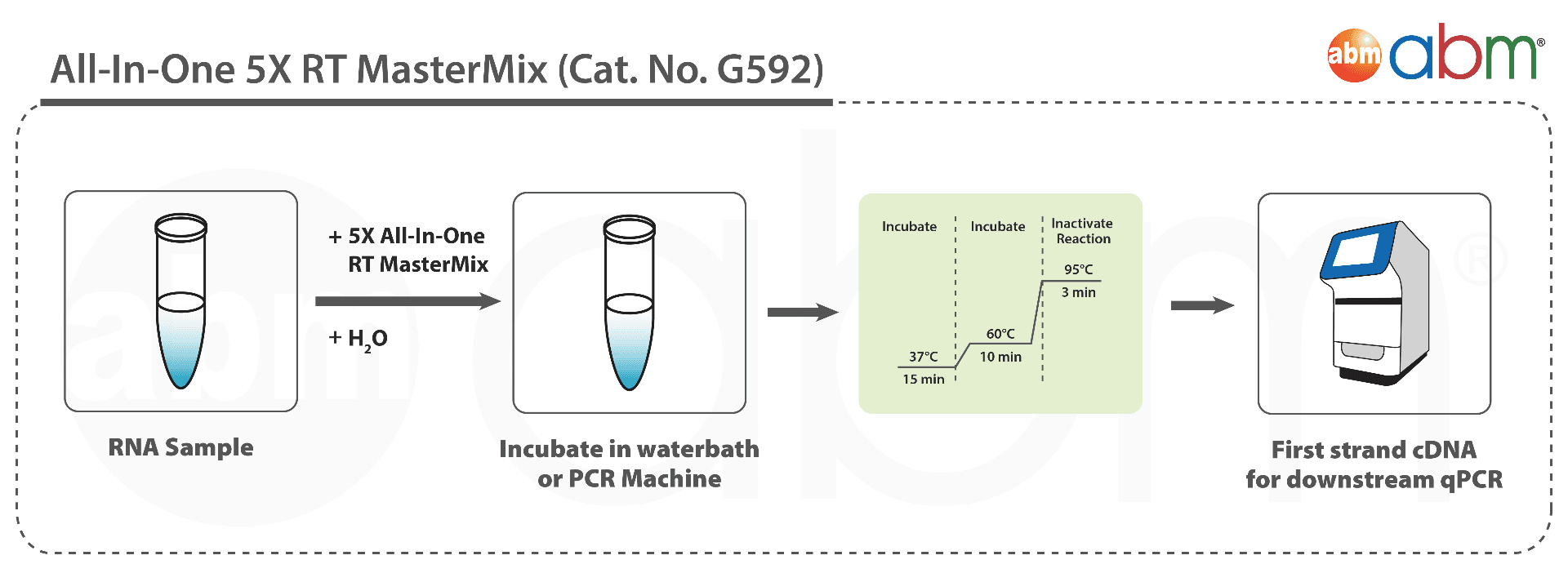
RT-PCR (reverse transcription PCR) and cDNA synthesis products convert an RNA template into complementary DNA (cDNA) using a reverse transcriptase enzyme, providing the DNA template required for subsequent PCR or qPCR amplification of RNA targets. Products in this category include stand-alone reverse transcriptase enzymes, complete one-step RT-PCR kits, cDNA synthesis kits, RT-qPCR systems, and supporting reagents for RNA-to-cDNA conversion. Choose a two-step workflow for flexibility across multiple downstream PCR targets from one RNA sample, or a one-step kit for streamlined amplification of a single target.
What you will find:
- Reverse transcriptase enzymes for first-strand cDNA synthesis, including HighTherm™ Reverse Transcriptase (Azura) and OneScript Plus Reverse Transcriptase.
- First-strand cDNA synthesis kits for RNA-to-cDNA conversion, including AzuraQuant™, AzuraFlex™, Accuris qMAX, OneScript Plus, and FS01 systems.
- One-step RT-PCR kits combining reverse transcription and PCR amplification in a single workflow, including Azura 1-Step Ultra, Accuris One-Step, and MegaFi One-Step RT-PCR Kits.
- RT-qPCR and multiplex-compatible systems, including Accuris qMAX Probe One-Step Multiplex RT-qPCR Kit (No ROX).
- miRNA-focused cDNA synthesis solutions, including the miRNA All-In-One cDNA Synthesis Kit.
- Supporting RT reagents and master mixes, including OneScript Hot RT enzymes and RT master mix systems with gDNA removal options.
How to Choose RT-PCR & cDNA Synthesis Products
One-Step vs. Two-Step Format
One-step RT-PCR combines reverse transcription and PCR in a single reaction tube, simplifying workflow and reducing contamination risk, but limiting analysis to a small number of genes per RNA sample. Two-step RT-PCR performs reverse transcription separately, producing a cDNA pool that can be used across multiple subsequent PCR reactions targeting different genes.
Reverse Transcriptase Enzyme Choice
Reverse transcriptase enzymes vary in thermostability, processivity, and compatibility with different RNA templates. Select an enzyme or kit that matches your RNA quality, template complexity, and downstream application requirements.
Priming Strategy
Oligo(dT) primers target the poly(A) tail of mRNA, enriching for mRNA-derived cDNA. Random primers anneal throughout the RNA template regardless of sequence, making them useful for templates lacking a poly(A) tail or for achieving broader transcript coverage.
Throughput and Workflow Fit
One-step RT-PCR is well suited to high-throughput processing and routine target amplification, whereas two-step workflows provide greater flexibility for analyzing multiple genes from the same RNA sample.
RNA Quality and Genomic DNA Elimination
Some cDNA synthesis kits include genomic DNA removal prior to reverse transcription, helping improve the accuracy of downstream gene expression analysis by minimizing genomic DNA contamination.
Specifications Context
RT-PCR workflows begin by synthesizing first-strand cDNA from RNA using a reverse transcriptase enzyme. In a two-step workflow, the resulting cDNA pool can be used across multiple PCR or qPCR assays targeting different genes, providing flexibility for gene expression studies. One-step RT-PCR combines reverse transcription and amplification in a single tube, simplifying workflows and reducing handling steps. cDNA synthesis reagents are typically stored at −20 °C, and RNase-free techniques, including the use of RNase inhibitors where appropriate, help preserve RNA integrity during sample preparation.
Contact the expert team at MBP today to find optimized RT-PCR & cDNA synthesis products for your laboratory workflows.
FAQ