NGS Library Preparation Kits for Epigenetics Sequencing Workflows
NGS Library Preparation Kits within Epigenetics covers the kits used to convert ChIP-enriched DNA, chromatin-accessible DNA from ATAC-seq, or bisulfite-converted DNA into indexed, sequencer-ready libraries for next-generation sequencing. These kits connect the upstream chromatin preparation and conversion steps to actual sequencing and are specifically optimized for the low-yield, often fragmented, or chemically modified DNA characteristic of epigenetics workflows. Academic and core laboratories building ChIP-seq, ATAC-seq, or bisulfite-seq libraries can benefit from guidance when selecting library preparation formats matched to input type, DNA quality, and sequencing platform requirements.
Explore available epigenetics NGS library preparation kits or request a quotation by contacting customerservice@mbpinc.net. Our team can help identify the appropriate library prep workflow for ChIP-seq, ATAC-seq, and bisulfite sequencing applications.
NGS Libray Preparation Kits
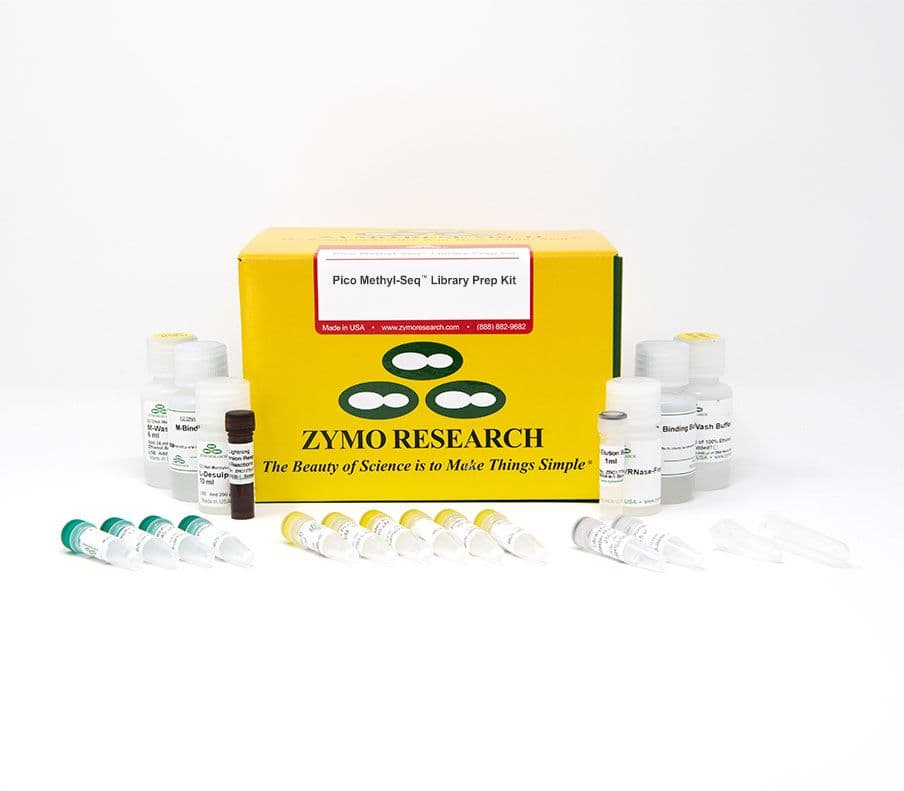
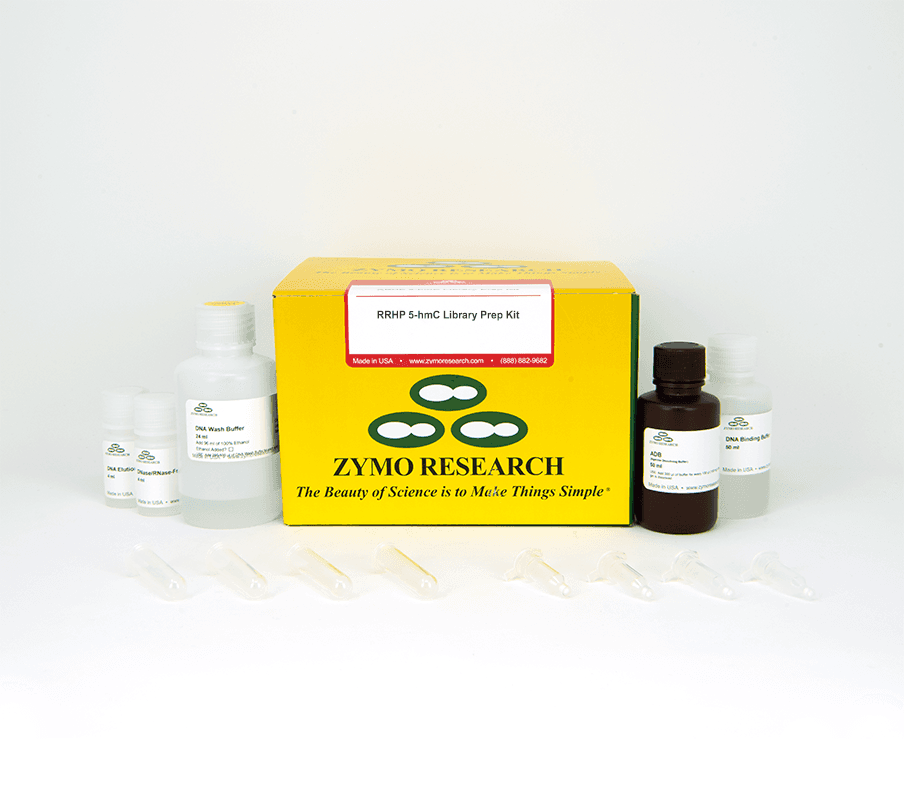
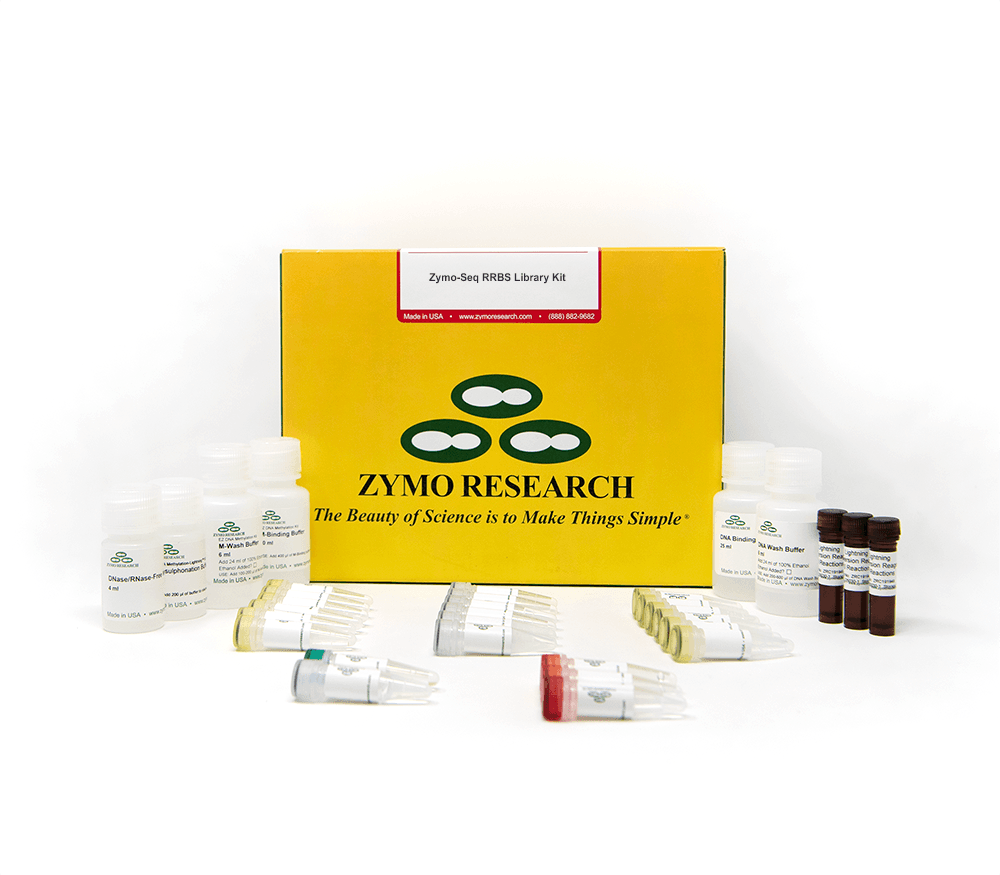

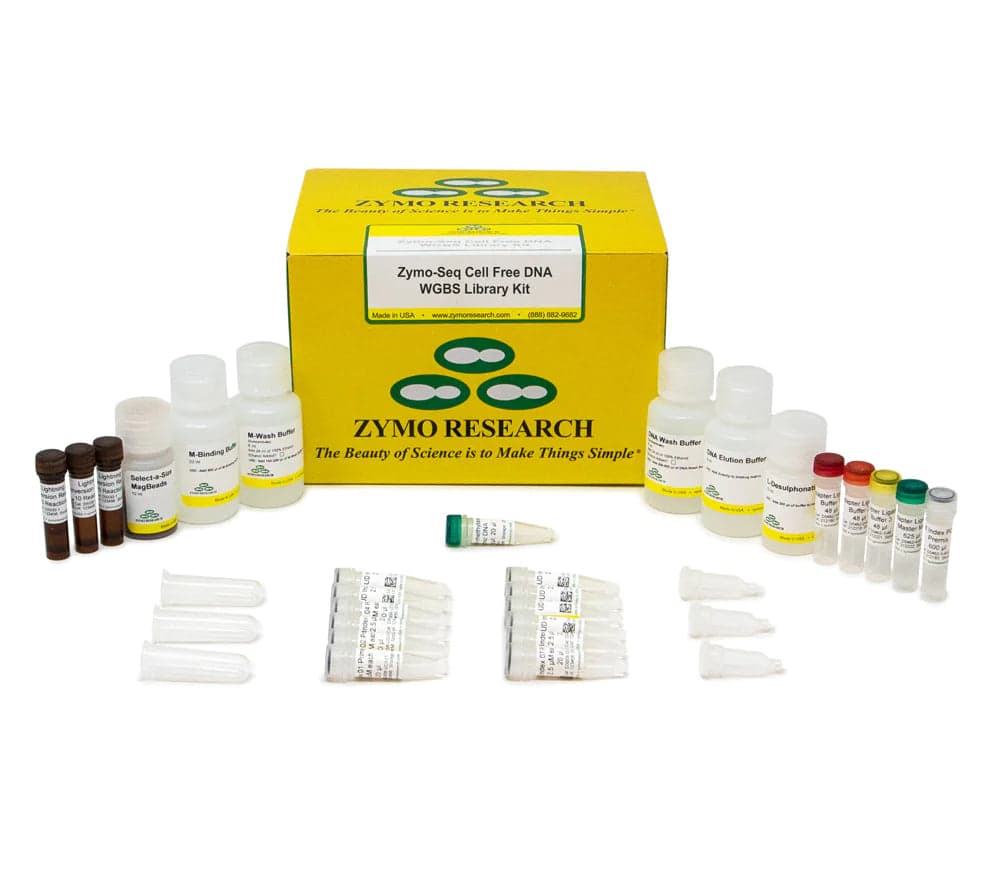
Showing 1 to 7 of 7 results
What are epigenetics NGS library preparation kits?
Epigenetics NGS library preparation kits convert the DNA output of an upstream epigenetics workflow into an indexed sequencing library: adapters are ligated to the ends of each DNA fragment, an optional amplification step increases the total amount of library, and indexes are added to allow multiplexed sequencing of many samples in a single run. These kits are specifically optimized for epigenetics-specific inputs, including ChIP-enriched DNA (often low-yield, sheared to 200–750 bp), chromatin-accessible DNA from ATAC-seq (also low-yield and fragmented), and bisulfite-converted DNA (fragmented and chemically modified, with low-complexity sequence).
What You Will Discover:
- Groundbreaking single-tube processes that integrate bisulfite conversion and library preparation to chart entire genomes with extremely low input needs.
- Rapid, efficient transposase-driven methods that seize open chromatin areas and dynamic regulatory environments in only a few hours.
- Enzymatic restriction methods combined with targeted sequencing for affordable, high-density CpG coverage without incurring full-genome expenses.
- Advanced multi-adapter ligation techniques designed to reduce bias and optimize library retrieval from fragmented or challenging DNA sources.
- Post-bisulfite library preparation systems designed explicitly for sub-nanogram DNA quantities, individual cells, or extensively degraded specimens.
- Locus-specific, genome-wide enrichment approaches aimed at accurately monitoring and characterizing 5-hydroxymethylcytosine alterations throughout the genome.
How to choose epigenetics NGS library preparation kits
Match your library prep kit to your specific epigenetics input type
ChIP-seq library prep kits are optimized for low-yield sheared chromatin enriched by immunoprecipitation, while ATAC-seq kits work with tagmented open chromatin fragments, and bisulfite or enzymatic methyl-seq library prep kits are specifically formulated for the highly fragmented, low-complexity sequence characteristics of bisulfite-converted DNA input.
Confirm the kit supports your input DNA amount
ChIP experiments, especially those targeting low-abundance transcription factors or run from limited cell numbers, often yield very little enriched DNA, and kits validated for low-input or picogram-scale library preparation are necessary to generate libraries with sufficient complexity without excessive PCR amplification introducing duplicates.
Choose an indexing strategy appropriate to your sample multiplexing plan
Dual-index strategies, using unique combinations of two distinct index sequences per sample, provide more reliable sample demultiplexing in highly multiplexed runs compared with single-index strategies, and confirming whether your kit supports the number of samples and multiplexing depth required is an important selection criterion.
Understand the impact of PCR cycles on library complexity and duplicate rate
Fewer PCR amplification cycles reduce the proportion of duplicate reads in sequencing data, which is especially important for low-complexity epigenetics libraries where overamplification can dominate output with copies of the same original fragment. Efficient ligation chemistry that increases library yield from low input helps minimize required PCR cycles.
Confirm kit compatibility with your downstream analysis pipeline
Some library prep protocols use specific adapter sequences or library structures that require corresponding adjustments in bioinformatics analysis pipelines, and confirming compatibility before sequencing helps avoid downstream analysis failures.
Specifications context
ChIP-seq library prep kits optimized for low-input or ultra-low-input chromatin are designed to achieve high library complexity from picogram-scale DNA inputs that would otherwise produce low-complexity libraries with standard kits at similar PCR cycle numbers. As of 2026, library prep kits compatible with enzymatic methyl-seq (EM-seq) as well as classical bisulfite-converted DNA continue to expand, enabling researchers to leverage improved DNA quality while maintaining familiar downstream sequencing workflows.
Prepared to enhance your sequencing efficiency? Discover our complete selection of NGS Library Preparation Kits and contact the MBP team for a quote now.
FAQ