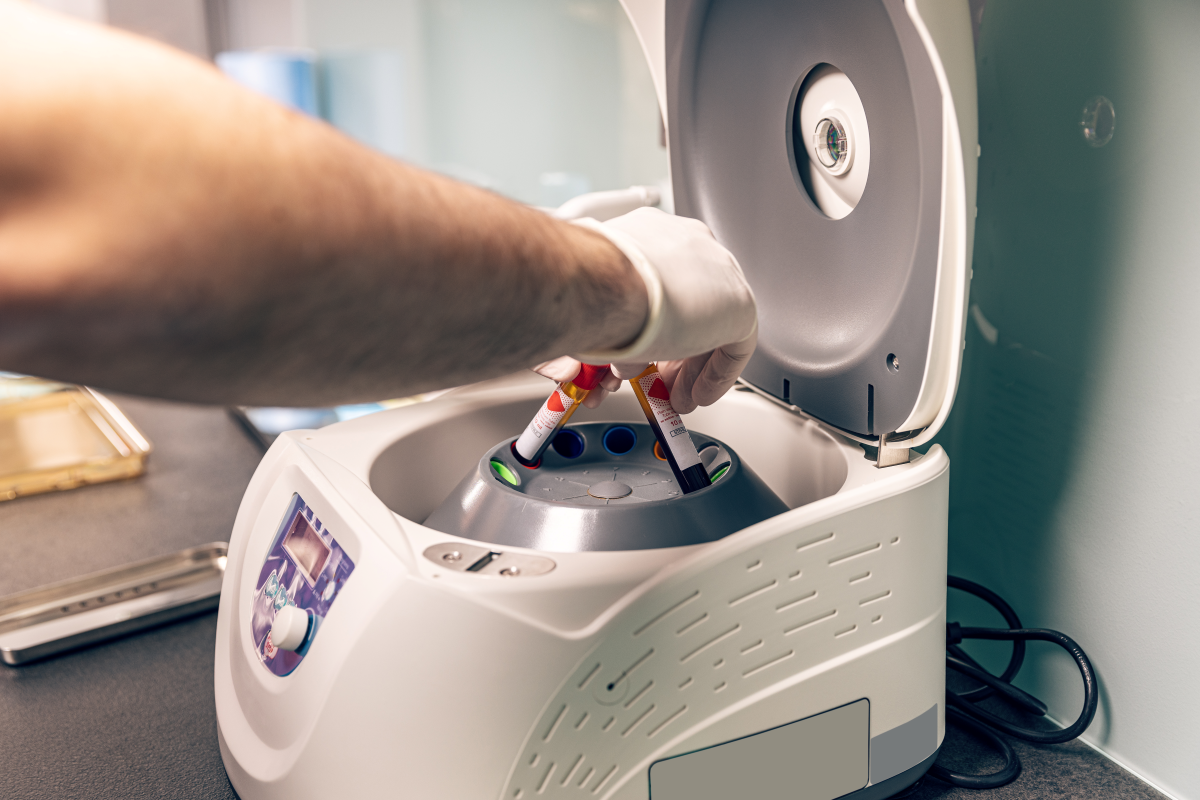
Your most valuable asset in the lab is not the centrifuge, pipette, or even the analytical software, but the sample you are working with. Everything depends on keeping that small bit of biological material safe and unchanged.
Microcentrifuge tubes (MCTs) might look tiny and simple, but they play a big role in biological and chemical research. These are indispensable for tasks such as centrifugation, sample storage, reaction mixing, and DNA/RNA processing. MCTs do not just hold samples; they protect delicate materials like nucleic acids, proteins, or cells from contamination or damage during the process.
The quality of these tubes directly affects the accuracy and reliability of your results. Good tubes protect your samples and ensure their reliability. In contrast, poor tubes risk everything—your time, materials, and data. In research, that is a price too high to pay.
Key Features of High-Quality Microcentrifuge Tubes
The difference between a successful experiment and a failed one comes down to the quality of consumables. High-quality MCTs are engineered with precision and material integrity that ensure they perform consistently under demanding lab conditions.
Mechanical Strength
Microcentrifuge tubes endure extreme rotational forces—sometimes spinning at 20,000 times the force of gravity or more. Strong tubes, usually made of pure polypropylene, keep their shape even at extreme speeds or temperatures. They hold steady through long runs, so samples stay where they should. In contrast, cheap plastic can bend, crack, or even burst under that stress, which can ruin your whole sample.
Sealing Integrity
Caps should close tightly, with no leaks. A good seal prevents liquid from escaping or aerosol from forming during spins. Tight-fit caps also prevent contamination, especially in sensitive tasks such as PCR or DNA extraction.
Chemical and Material Purity
MCTs made from virgin-grade polymer are safer for your samples. Recycled or low-grade plastics can carry leftover chemicals or metals that mess with reactions. A small amount of impurity can distort PCR results, block enzymes, or alter protein behavior. In a general sense, the fewer unknowns in your tube, the better your data.
Surface Properties
Microcentrifuge tubes with smooth, low-retention surfaces help keep precious molecules from sticking to the tube walls—which matters when you are working with small amounts of DNA or protein. MCTs manufactured using high-quality materials to reduce binding keep recovery high and minimize waste.
Consequences of Using Low-Quality MCTs
Cutting corners on consumables may save money in the short term, but in research, it often costs more in the long run.
· Loss of Samples
Microcentrifuge tubes that crack or leak during centrifugation can destroy hours, even days, of work. Once a tube bursts, the sample is gone for good—especially painful when working with limited or high-value materials like patient-derived DNA or rare cell lysates.
· Inaccurate Data
MCTs made of poor-quality plastics may contain residual chemicals that can leach into solutions. Dyes, metals, or leftover manufacturing residues interfere with spectrophotometry, fluorescence, or enzymatic reactions. Non-sterile tubes can also introduce microbial contamination, rendering good data unreliable.
· Lower Recovery
Low-quality microcentrifuge tubes with rough interiors or those made from static-prone plastics can promote biomolecule adsorption, which reduces nucleic acid and protein recovery rates. In downstream processes, such as electrophoresis or sequencing, this loss translates directly into weak signals and reduced reproducibility.
How to Select High-Quality Tubes for Reliable Results
Selecting high-quality microcentrifuge tubes is not complicated, but it does require attention to detail. A few consistent checks make all the difference:
¨ Manufacturer Reputation: Buy from trusted brands with clear quality control standards.
¨ Tube Material: Pick 100% virgin polypropylene—no recycled filler, no hidden additives.
¨ Certification: Select tubes labeled "RNase/DNase-free" and "pyrogen-free" to protect sensitive biological samples.
¨ G-Force Rating: Match the tube's specific relative centrifugal force (RCF or "g-force") rating to your centrifuge settings. Do not assume all microcentrifuge tubes handle the same force.
¨ Sealing and Closure: Look for secure snap or screw caps with tested leak-proof seals.
¨ Clarity and Markings: Choose tubes with frosted labeling areas and visible graduations for accurate identification and measurement.
¨ Centrifuge Compatibility: Make sure the tube fits your rotor. Poor fit or unbalanced loading can ruin a run or damage the rotor.
Invest in Premium-Quality Lab Consumables With MBP
In research, precision and reproducibility matter more than anything. Do not let inferior microcentrifuge tubes compromise your valuable research.
At Molecular Biology Products, Inc. (MBP), we understand that sample integrity starts with the right consumables. That's why we offer top-quality MCTs, along with other lab consumables and equipment, that protect your samples and boost your lab's performance.
Reach out today to discover our range of laboratory products and expert support to keep your experiments accurate, safe, and efficient. Contact us at +1 416-549-8100 or complete our contact form.