Need help? Call us: +1 416-549-8100 or customerservice@mbpinc.net
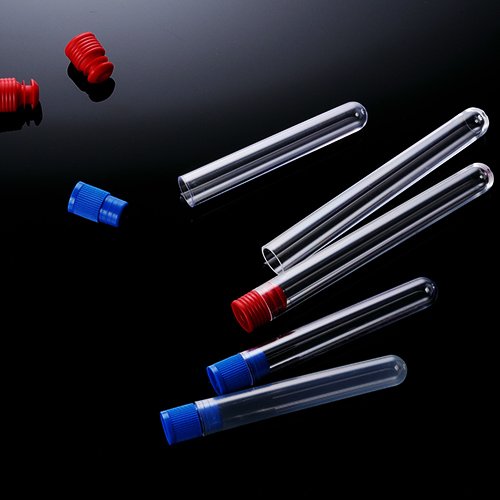
In molecular biology, the fundamental procedure is to extract DNA, RNA, and protein. These biomolecules may be extracted from any biological material for use in downstream processes, as well as analytical and preparative work. Nucleic acid extraction and purifying used to be difficult, time-consuming, labour-intensive, and constrained in terms of total throughput in the past.
There are now a variety of specialised techniques for extracting pure biomolecules, including solution-based and column-based techniques. With different commercial offers, including entire kits including most of the components needed to isolate nucleic acid, the manual approach has gone a long way. Still, most of them need several centrifugation processes, accompanied by supernatant removal and extra mechanical treatment, based on the kind of specimen. In recent years, automated solutions for medium-to-large laboratories have become increasingly popular. It's a suitable option for time-consuming manual approaches. The technique should enable a high sample throughput while limiting the danger of cross-contamination. The yield, purity, repeatability, and scalability of the biomolecules and the speed, precision, and reliability of the assay should all be maximised.
Introduction of Biomolecules Extraction
The most important approach in molecular biology is the extraction of biomolecules such as DNA, RNA, and protein. It serves as the foundation for downstream procedures and product creation, such as diagnostic kits. For analytical or preparative applications, DNA, RNA, and protein can be separated from biological material, including live or conserved tissues, cells, virus particles, or other substances.Separation of recombinant DNA constructions such as plasmids or bacteriophage and directly impact isolation of chromosomal or genomic DNA from prokaryotic or eukaryotic species are two types of DNA purification. In general, efficient nucleic acid purification necessitated the following four steps: Inactivation of nucleases, such as RNase for RNA extraction and DNase for DNA extraction; efficient disruption of cells or tissue; denaturation of nucleoprotein complexes; away from contamination. Protein, carbohydrate, lipids, and other nucleic acids should be absent from the target nucleic acid, for example, DNA free of RNA or RNA free of DNA. The quality and integrity of the extracted nucleic acid will have a direct impact on the outcomes of all subsequent scientific studies.
Current Tendency
Following Miescher's fateful incident of obtaining DNA from a cell, many others have followed suit, resulting in additional DNA separation and purification technique advancements. Density gradient centrifugation methods were used to produce the first conventional laboratory methods by DNA extraction kit. In 1958, Meselson and Stahl utilised this approach to show semiconservative replication of DNA.There are several specialised methods for extracting pure DNA, RNA, or protein now available. They are classified as either solution-based or column-based methods. The majority of these techniques have been turned into commercial kits that make the extraction of biomolecules easier.
What Can Be Done?
The extraction of biomolecules is the initial stage in the process of analysis or modification that follows. The most difficult part is the liquid handling requirement. As a result, every automated system must contain automatic equipment for each extraction phase and automated liquid transfer between units. Although automation has benefited in raising throughput and improving process dependability, these systems are still designed for usage solely in a laboratory setting. Some nucleic acid extraction systems on the market are bulky and need manual pre-processing processes by laboratory personnel with specialised knowledge.As a result, robotic workstations for nucleic acid extraction should provide real "walk-away" automation, i.e., a completely automated process. A future innovation might combine an all-in-one biomolecules extraction solution and process with fully automated extraction equipment. This sort of extraction system allows for simultaneous purification of DNA, RNA, or protein from several species using a single extraction process.
Many approaches for biomolecule purification have been developed since Friedrich Miescher's breakthrough DNA separation in 1869 and Meselson and Stahl's original DNA extraction derived using density gradient centrifugation methodologies in 1958. Biomolecule extraction has aided researchers and scientists in altering subsequent molecular biology analysis to better comprehend biological materials, from guanidinium thiocyanate-phenol-chloroform extraction to column-technology that is widely used in DNA and as RNA extraction kit and chromatography purifying technique to immunoblotting that is used to retrieve proteins.
Due to the effect of today's rapid expansion of automation technology, an automated nucleic acid extraction device has been created. Automating the nucleic acid extraction process might be useful for various reasons, including reducing working time, lowering labour expenses, improving worker safety, and boosting repeatability and quality of results. Nevertheless, the rectification of some of the instruments' flaws must be done continuously. Meanwhile, creating an all-in-one biomolecules extraction system, or the design of a tiny and portable extraction system, might be a promising future development (Tan & Yiap, 2009).
Bibliography Tan, S. C., & Yiap, B. C. (2009). DNA, RNA, and Protein Extraction: The Past and The Present. BioMed Research International, 10. https://doi.org/10.1155/2009/574398

We provide the highest quality of products and anytime customer service.

Featured Categories

online payment

fast delivery

technical support

24/7 support
