Vacuum Filtration Bottles for Sterile Media and Buffer Preparation
Vacuum filtration bottles are sterile receiver vessels used to collect 0.22 µm or 0.45 µm filter-sterilized solutions including tissue culture media, buffers, and protein preparations in 150 mL, 250 mL, 500 mL, and 1000 mL configurations. Complete systems include the filter funnel, PES or PVDF membrane, and sterile receiver bottle. MBP supplies labs across the United States, Canada, and internationally, with PO ordering and Quick Order available at mbpinc.net.
Request a quote or product recommendation today — email customerservice@mbpinc.net and our team will help you find the best vacuum filtration solution for your laboratory.
Vacuum Bottles
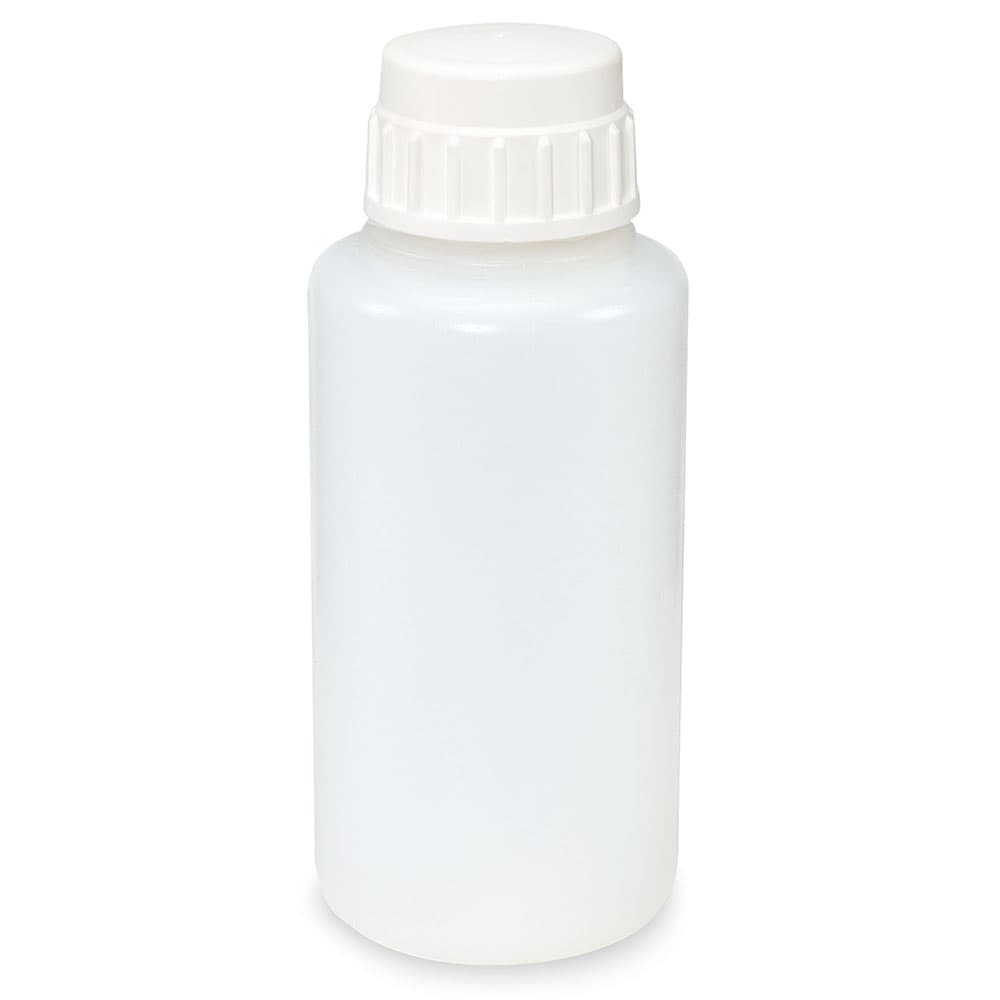
Showing 1 to 1 of 1 results
What Are Vacuum Bottles?
Laboratory vacuum bottles are specialized receiver containers designed to withstand vacuum pressure during filtration workflows. They serve as the collection vessel in vacuum filtration systems, capturing filtered solutions immediately after they pass through a membrane filter. Vacuum bottles are commonly used for sterile filtration of cell culture media, biological buffers, aqueous reagents, protein solutions, and other heat-sensitive liquids that cannot be sterilized by autoclaving. They are also widely used as waste collection bottles in cell culture aspiration systems, where vacuum pressure removes spent media and wash solutions from culture vessels.
Unlike standard storage bottles, vacuum bottles are specifically engineered to maintain structural integrity under negative pressure without collapsing, deforming, or leaking during filtration.
What you will find:
-
Vacuum aspiration bottles for liquid waste collection
-
Heavy-duty vacuum bottles for high-pressure lab workflows
-
Polypropylene vacuum bottles for chemical resistance
-
HDPE vacuum bottles for general laboratory use
-
Autoclavable vacuum-compatible bottles for sterile workflows
-
Wide-mouth vacuum bottles for easy cleaning and filling
How to Choose Vacuum Bottles
Membrane Type and Pore Size
When selecting a vacuum filtration system, membrane choice is often the most important factor. Polyethersulfone (PES) membranes provide high flow rates and low protein binding, making them the preferred option for cell culture media, buffers, and most biological solutions. Polyvinylidene fluoride (PVDF) membranes offer broader chemical compatibility and are often selected for solutions containing detergents or certain organic compounds.
For sterile filtration, a 0.22 µm membrane is the standard choice because it effectively removes bacteria and other contaminants. A 0.45 µm membrane is generally used for clarification, particulate removal, and HPLC mobile phase preparation rather than sterile applications.
System Volume
Vacuum filtration systems are commonly available in capacities ranging from 150 mL to 1000 mL. Smaller volumes are suitable for routine laboratory preparations, while 500 mL and 1000 mL systems are widely used for larger batches of media and buffer preparation. Matching bottle size to the expected filtration volume helps maximize efficiency and minimize handling steps.
Receiver Bottle Material
Polystyrene (PS) receiver bottles are commonly supplied with complete single-use vacuum filtration systems because they provide excellent clarity for monitoring liquid levels during filtration. PETG receiver bottles offer enhanced durability and broader temperature compatibility, making them suitable when filtered solutions may be stored at refrigerated or freezer temperatures after filtration.
Sterility Requirements
Most complete vacuum filtration systems are supplied sterile and individually packaged for immediate use. When purchasing replacement receiver bottles separately, laboratories should verify sterility specifications if the bottles will be used for sterile media or reagent storage after filtration.
Thread Compatibility
Many vacuum filtration systems utilize standardized GL45 threaded connections that allow compatibility between filtration funnels, receiver bottles, and related accessories. Confirming thread compatibility is important when combining components from different product lines or manufacturers.
Specifications Context
Modern vacuum filtration systems are typically supplied with PES or PVDF membrane options and are available in configurations ranging from 150 mL to 1000 mL. Many systems utilize GL45-threaded receiver bottles that integrate with standard laboratory filtration accessories and media bottle systems. Angled hose-barb vacuum connectors have become standard across most product lines because they accommodate a wide range of vacuum tubing sizes without requiring additional adapters. As of 2026, vacuum filtration remains the preferred method for sterile preparation of heat-sensitive biological solutions in research, pharmaceutical, biotechnology, and clinical laboratories.
Connect with the MBP team today and find the perfect vacuum-rated solution for your laboratory’s daily demands.
FAQ