Spin Columns for DNA and RNA Purification
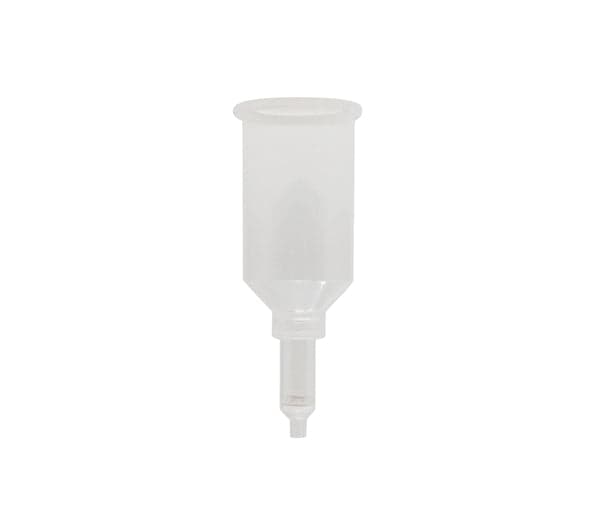
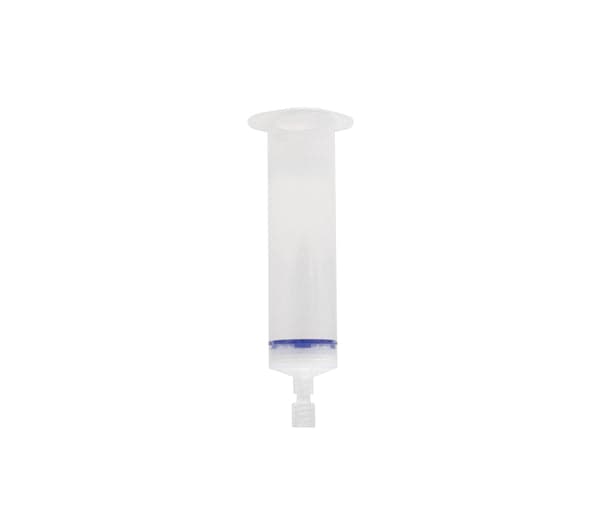
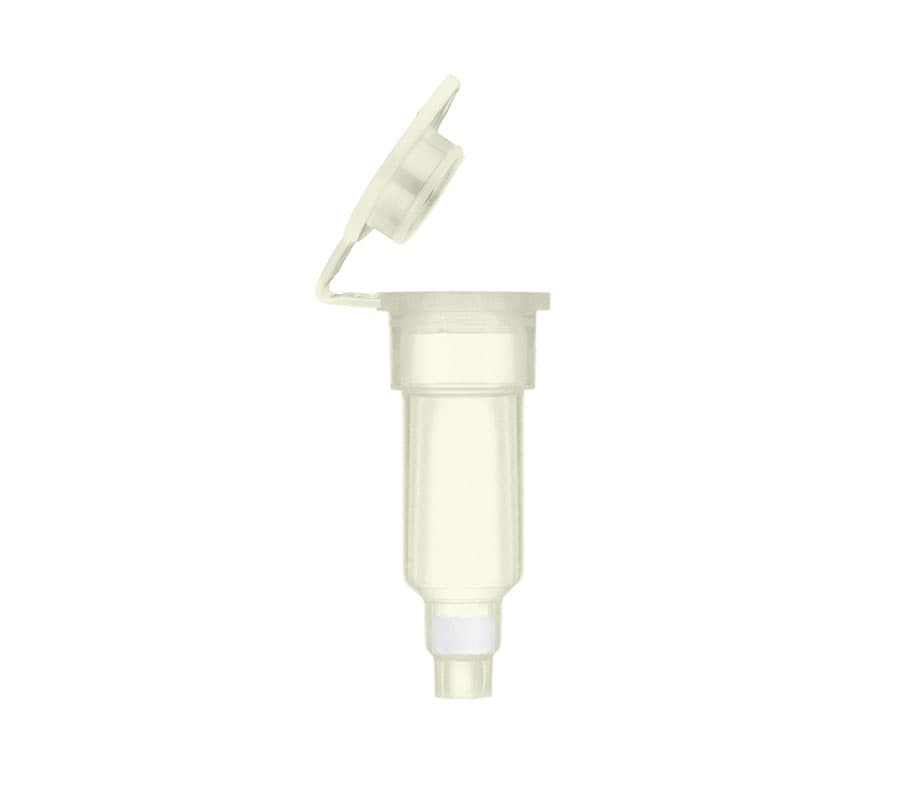
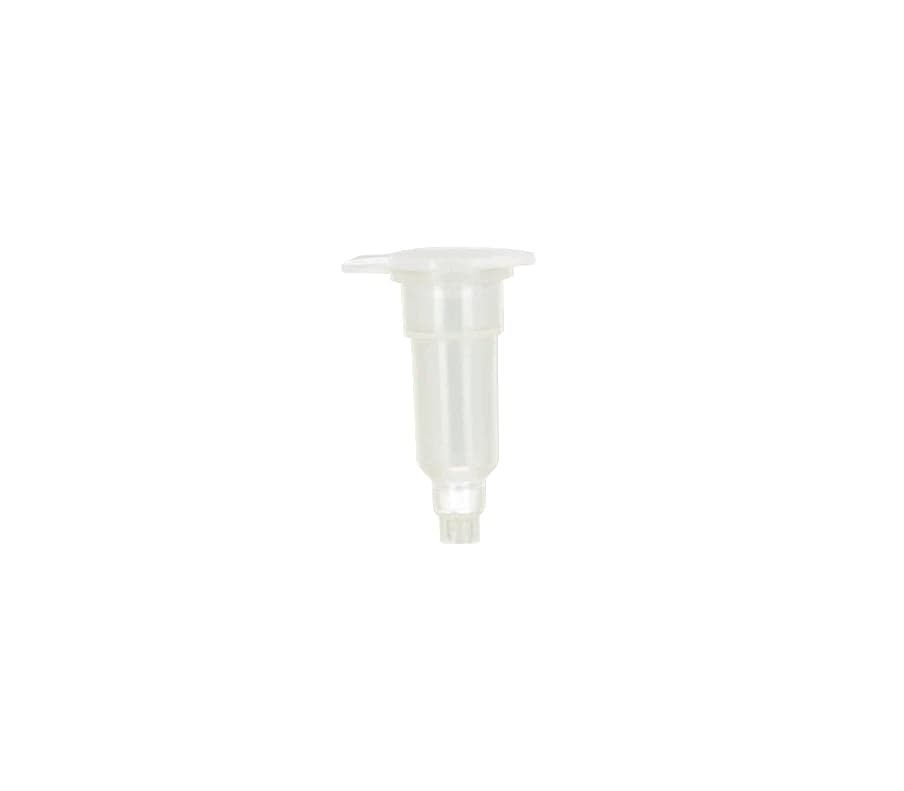
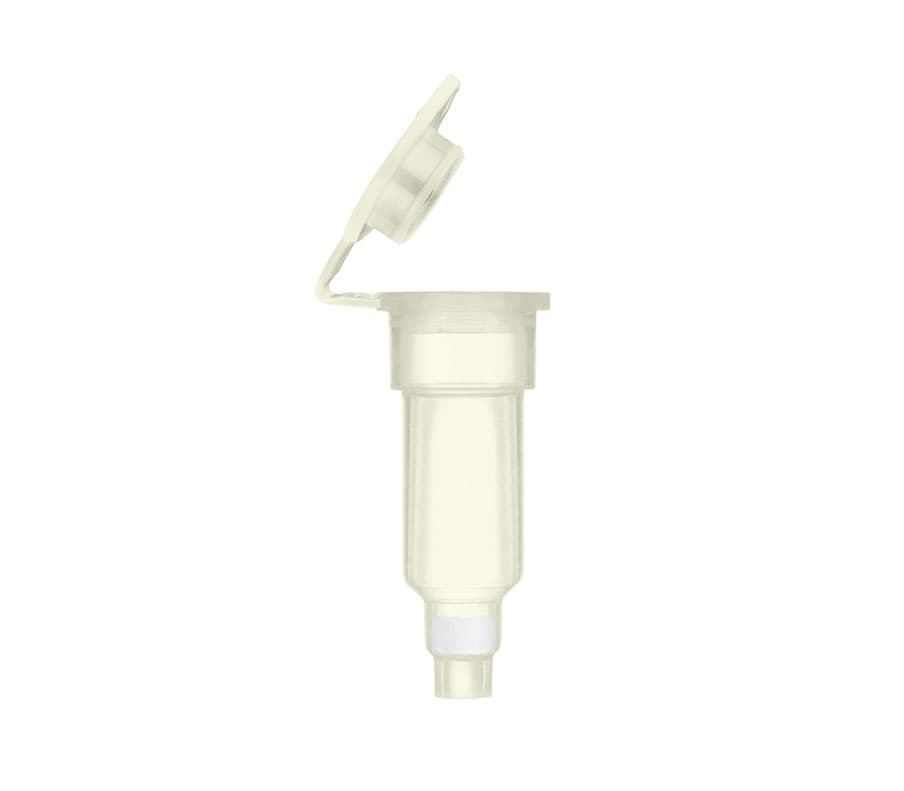
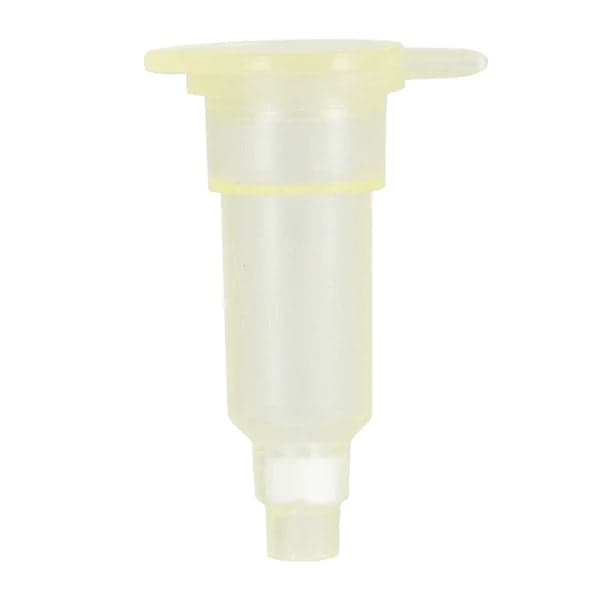
Spin columns are single-use polypropylene assemblies with silica, glass-fiber, or anion-exchange membranes that purify genomic DNA, total RNA, plasmid DNA, PCR products, and viral nucleic acids by selective membrane binding and centrifugation at 8,000–14,000 × g. Standard columns bind 25–100 µg of DNA or RNA per extraction. Zymo Research Quick-DNA and Quick-RNA columns, carried by MBP, load DNA/RNA Shield-preserved samples directly without reagent removal.
MBP also carries ABM molecular biology spin column lines, with direct PO ordering for research and clinical molecular labs across the USA, Canada, and worldwide. Request a quote by contacting customerservice@mbpinc.net today.
Spin Columns

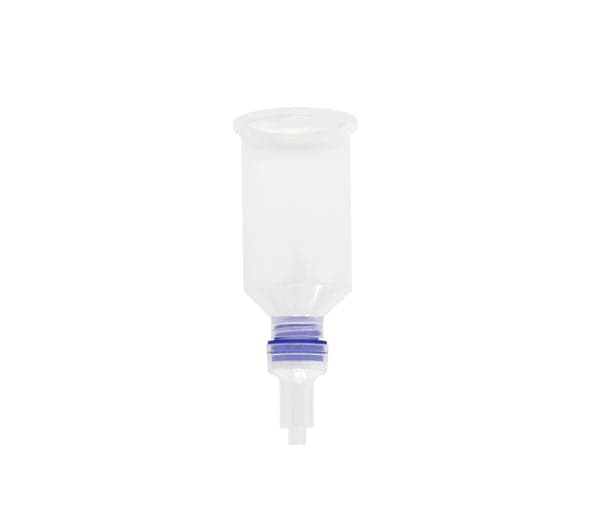
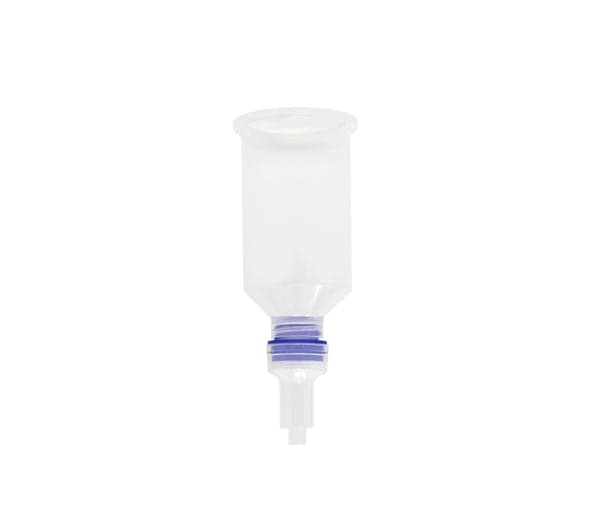
Showing 1 to 11 of 11 results
What are Spin Columns?
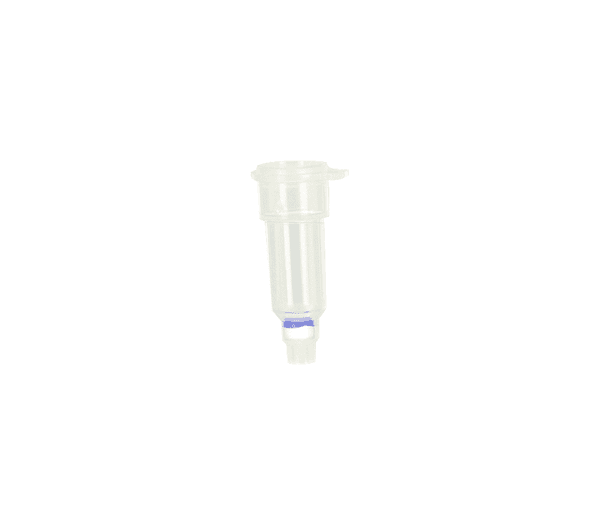
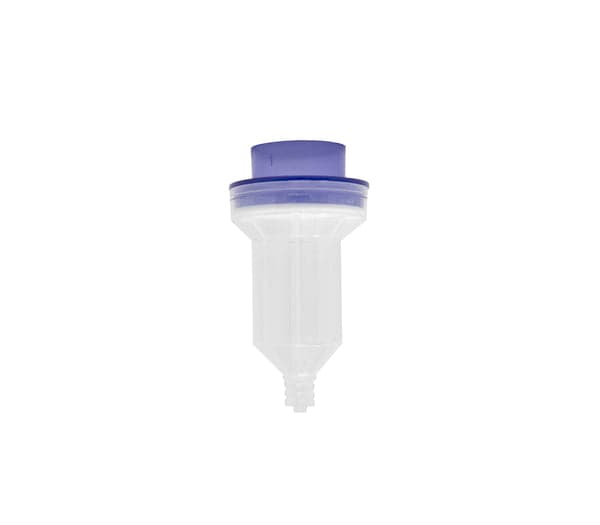
Spin columns are single-use polypropylene microcentrifuge column assemblies containing a silica, glass-fiber, or anion-exchange membrane that selectively binds nucleic acids under chaotropic salt conditions and releases them in water or low-salt buffer after centrifugation-based washing. They are the most widely used format for genomic DNA isolation, plasmid miniprep, RNA purification, PCR product cleanup, gel extraction, and viral nucleic acid preparation in molecular biology and clinical diagnostics. The standard spin column fits a 1.5 mL or 2.0 mL collection tube and operates in a microcentrifuge at 8,000–14,000 × g. Choose silica membrane spin columns for fast, kit-compatible DNA and RNA purification from 10 µL to 1 mL sample inputs; choose glass-fiber columns for high-yield recovery from low-input samples; and choose anion-exchange columns for ultra-high-purity plasmid DNA intended for transfection or sequencing.
What you will find:
-
Silica membrane spin columns for DNA and RNA purification
-
Genomic DNA extraction columns for blood, tissue, and cells
-
RNA isolation columns for gene expression and transcriptomic studies
-
PCR cleanup spin columns for removing primers and enzymes
-
Gel extraction columns for recovering DNA from agarose gels
-
Plasmid DNA purification columns for bacterial culture prep
-
Viral nucleic acid extraction columns for diagnostic workflows
How to Choose Spin Columns
Membrane Chemistry: Silica vs. Glass Fiber vs. Anion Exchange
Silica membrane spin columns bind nucleic acids via electrostatic interaction in the presence of chaotropic salts (guanidinium chloride or isothiocyanate); they are compatible with the broadest range of extraction buffers and kits (Zymo Research, Thermo Fisher, ABM). Glass-fiber (GF) membranes have slightly higher binding capacity and lower non-specific protein binding, preferred for small-input samples. Anion-exchange columns (DEAE resin) bind plasmid DNA by charge and produce higher purity (lower endotoxin) DNA suitable for in vitro transcription and mammalian cell transfection.
Binding Capacity
Standard silica membrane spin columns bind 25–100 µg of DNA or up to 100 µg of RNA per column. For high-yield extractions (large culture volumes, high-biomass samples), select columns with ≥100 µg capacity. For microRNA or small RNA isolation, use columns with membrane pore sizes optimized for fragments <200 nt; standard genomic DNA columns do not efficiently recover small RNAs.
Column Format and Collection Tube Compatibility
Spin columns are supplied with or without collection tubes. Columns designed for 1.5 mL collection tubes (the most common format) are compatible with standard Eppendorf-style microcentrifuges. Some kits use proprietary collection tube dimensions — confirm that your centrifuge rotor accepts the supplied or purchased collection tube before ordering standalone spin columns.
Kit-Compatible vs. Standalone Columns
Standalone spin columns (without buffers) are sold as replacement columns for established extraction kits, allowing labs to reduce per-extraction cost by reusing kit wash buffers while restocking only the columns. Confirm that standalone columns from one supplier are dimensionally and chemically compatible with your kit's buffer system before substituting.
Nuclease-Free Certification
For RNA-sensitive applications (RNA purification, viral RNA, low-abundance transcript detection), select spin columns certified DNase-free and RNase-free per lot certificate. Contamination of the silica membrane with RNase causes RNA degradation during the bind step, a common but non-obvious source of low RNA yield.
Specifications Context
Standard silica membrane spin columns use medical-grade polypropylene (PP) column housings rated for centrifugation at up to 14,000 × g without cracking. Membrane pore size is typically 5–20 µm for DNA columns; RNA-specific columns use tighter membranes to retain small RNAs. Elution volumes range from 30 µL (concentration-optimized) to 100 µL (yield-optimized); elution in nuclease-free water (pH 7.0–8.5) gives higher yield than elution in TE buffer for RNA-sensitive downstream applications. Zymo Research Quick-DNA and Quick-RNA columns, carried by MBP, use a proprietary silica formulation with direct-loading compatibility with DNA/RNA Shield-preserved samples without reagent removal. Spin columns remain the dominant format for nucleic acid purification across microbiome, clinical diagnostics, and forensic DNA workflows.
Contact MBP for bulk pricing and PO ordering for molecular biology labs.
FAQ