Capillary Tubes for Micro-Hematocrit and Blood Collection
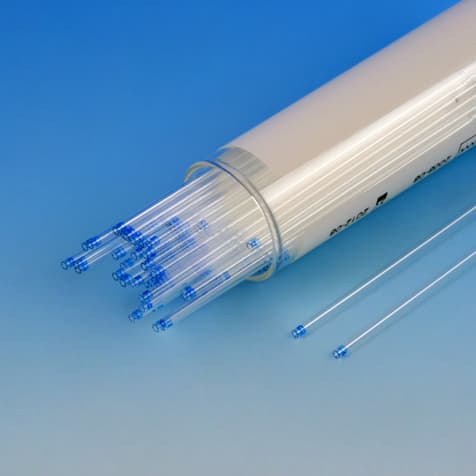
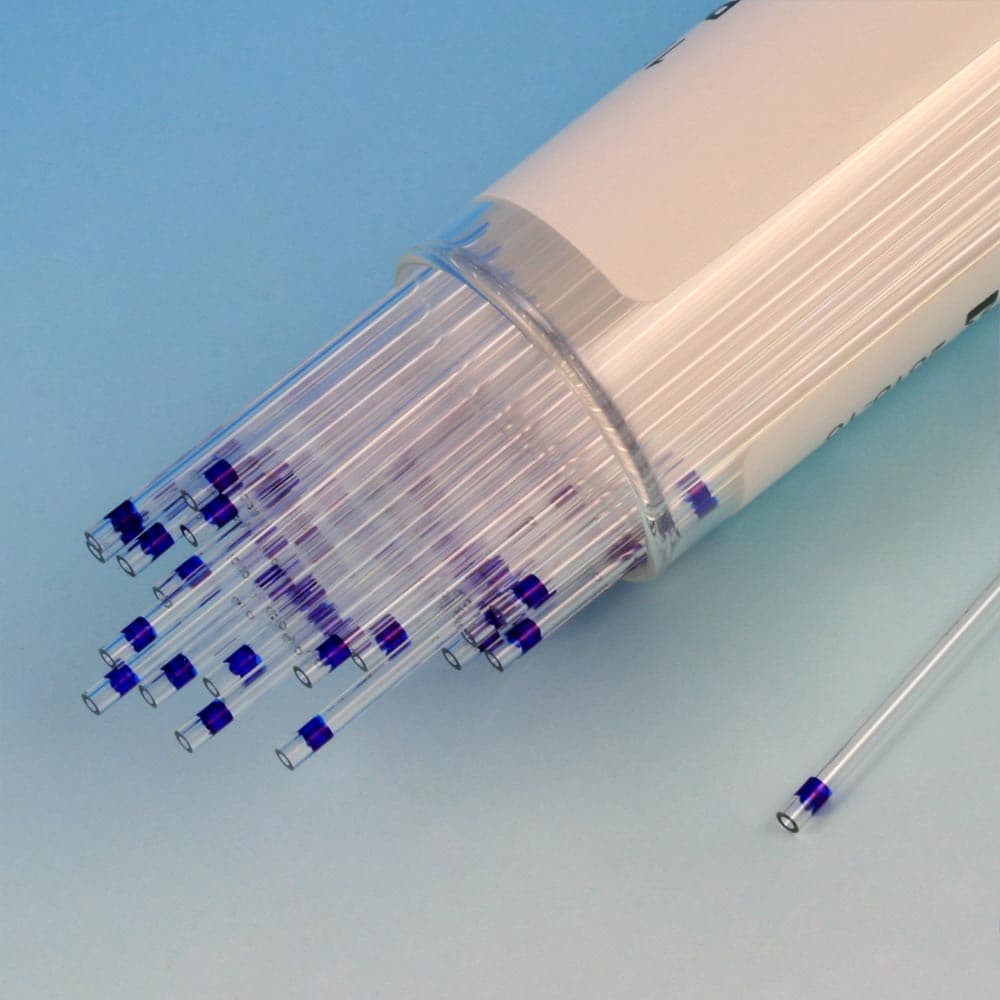
Capillary tubes are 75 mm thin-walled tubes (I.D. 1.15 mm, fill volume ~75 µL) that collect microvolume blood samples by capillary action for micro-hematocrit determination and microvolume sample transfer. Globe Scientific supplies soda lime glass tubes (plain blue tip; ammonium heparin green tip; sodium heparin red tip), unbreakable plastic formats for sharps-safety, and pre-calibrated borosilicate tubes for blood gas analyzers. All 75 mm formats fit standard hematocrit centrifuges rated to 14,500 RPM.
MBP stocks Globe Scientific capillary tube lines for clinical and research labs across the USA, Canada, and worldwide. Request a quote by contacting customerservice@mbpinc.net
Capillary Tubes

Showing 1 to 5 of 5 results
What are Capillary Tubes?
Capillary tubes for laboratory use are thin-walled, open-ended tubes—typically 75 mm long with an internal diameter of 1.1–1.2 mm—that collect microvolume blood samples (40–80 µL) by capillary action from finger-stick or heel-stick punctures, directly from anticoagulated blood collection tubes, or from blood gas analyzers. They are the primary consumables for the micro-hematocrit (packed cell volume, PCV) determination: tubes are filled, sealed, centrifuged at 10,000–14,500 RPM for 5 minutes, and the ratio of packed red cells to total blood column is read against a hematocrit chart. Globe Scientific manufactures both soda lime glass and plastic (unbreakable) micro-hematocrit capillary tubes, as well as pre-calibrated borosilicate glass tubes for blood gas applications. Choose heparinized capillary tubes for direct finger-stick collection from untreated blood; choose plain (untreated) tubes when filling from an anticoagulated blood collection tube.
What you will find:
- Glass capillary tubes for micro-volume liquid transfer
- Heparinized capillary tubes for blood sample collection
- Plain capillary tubes for general laboratory applications
- Micro-hematocrit capillary tubes for blood analysis
- Sealed-end and open-end capillary tubes for flexible workflows
- Disposable precision-bore tubes for single-use sampling
- Calibrated microcapillary tubes for consistent volume uptake
- Thin-walled tubes for rapid capillary action filling
- Sterile capillary tubes for diagnostic applications
- General-purpose laboratory micro-sampling tubes
How to Choose Capillary Tubes
Plain vs. Heparinized
Plain capillary tubes (blue tip, Globe Scientific) are used when filling from a pre-anticoagulated specimen (EDTA or citrate blood collection tube). Heparinized tubes prevent clotting in samples collected directly from a skin puncture: ammonium heparin–coated tubes (green tip) and sodium heparin–coated tubes (red tip) are both available. The tip color is the universal identifier — confirm the coding convention with your supplier before ordering, as some manufacturers reverse the color assignments.
Glass vs. Plastic
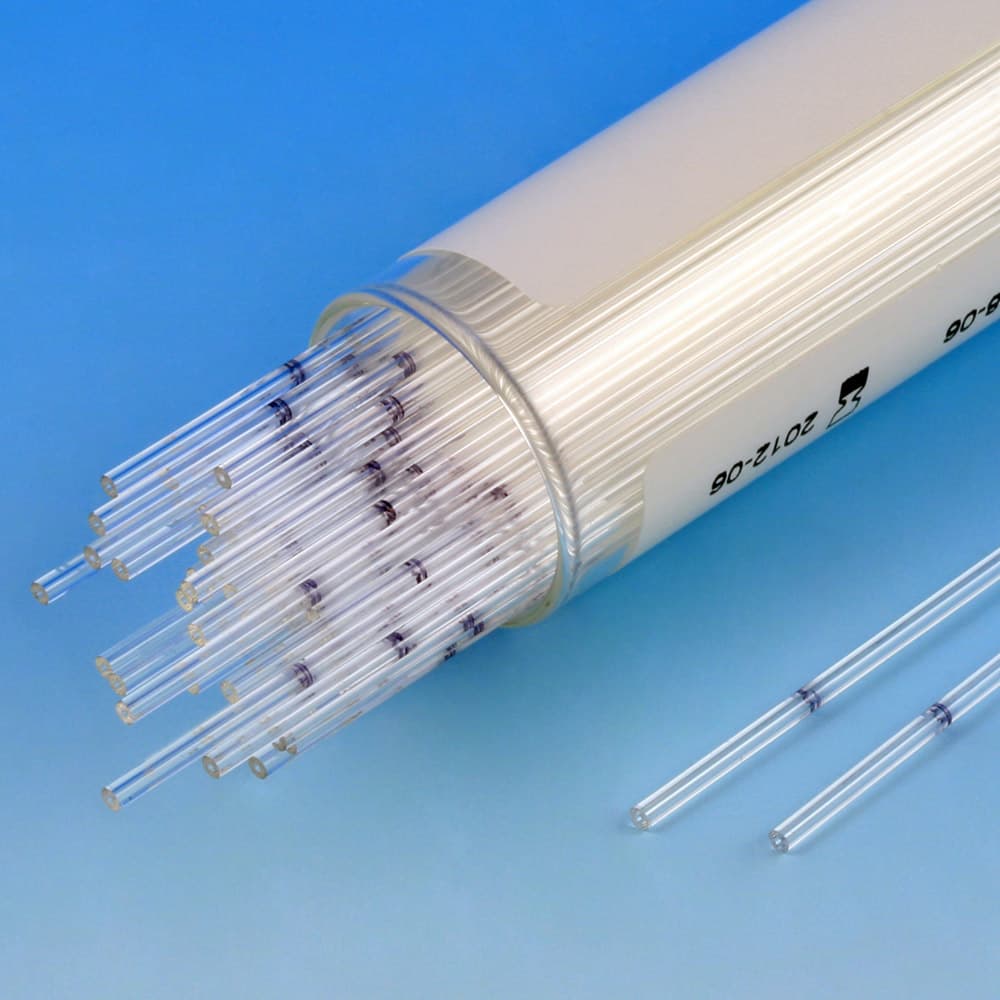
Soda lime glass capillary tubes (Globe Scientific catalog 51602–51607) provide excellent capillary action, low surface adsorption, and superior optical clarity for reading the hematocrit column. Plastic capillary tubes (catalog 51620) eliminate the sharps hazard from glass breakage during centrifugation—a significant occupational safety consideration for high-volume clinical labs processing hundreds of hematocrit determinations daily. Both formats fit standard 75 mm hematocrit centrifuges.
Pre-Calibrated (Blood Gas) Tubes
Pre-calibrated borosilicate glass capillary tubes (Globe Scientific catalog 51628, I.D. 0.55 mm ± 0.03 mm) are precision-ground for blood gas and co-oximetry analyzers requiring specific internal volume tolerance. These differ from standard hematocrit tubes in inner diameter; using the wrong tube in a blood gas analyzer causes instrument error codes and inaccurate analyte results.
Centrifuge Compatibility
All 75 mm micro-hematocrit capillary tubes are compatible with standard hematocrit centrifuges rated for 10,000–14,500 RPM. Confirm your centrifuge head accepts the tube O.D. (1.5 mm ± 0.05 mm for Globe Scientific glass tubes) before ordering in bulk.
Specifications Context
Globe Scientific soda lime glass micro-hematocrit capillary tubes have an I.D. of 1.15 mm ± 0.05 mm, O.D. of 1.5 mm ± 0.05 mm, and a length of 75 mm ± 1 mm, with a fill volume of approximately 75 µL. The standard centrifugation protocol is 10,000–14,500 RPM for 5 minutes in a dedicated hematocrit centrifuge. Normal hematocrit ranges: 38–50% for adult males, 35–47% for adult females; values outside this range, combined with elevated ESR and other CBC parameters, are used to evaluate anemia, polycythemia, and inflammatory conditions. As of 2026, Globe Scientific is an ISO 9001:2015–certified manufacturer and MBP-stocked supplier of both glass and plastic capillary tube formats.
For specifications, size options, or bulk ordering support, connect with the MBP team to choose the right capillary solution for your laboratory application.
FAQ