Cuvettes for Spectrophotometers and Clinical Analyzers
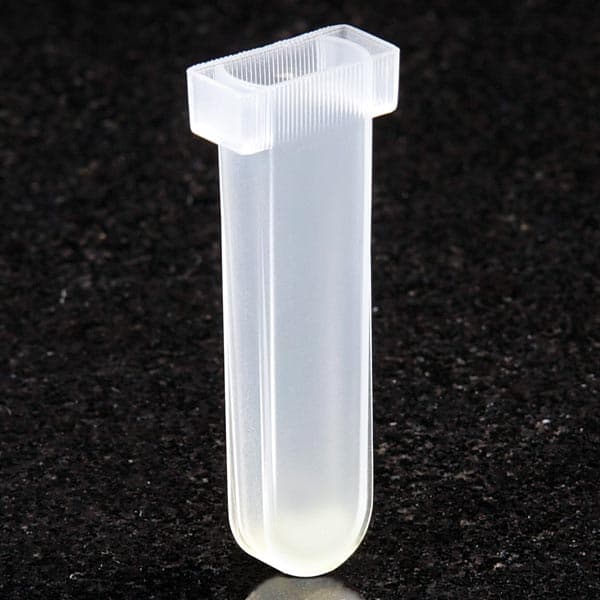
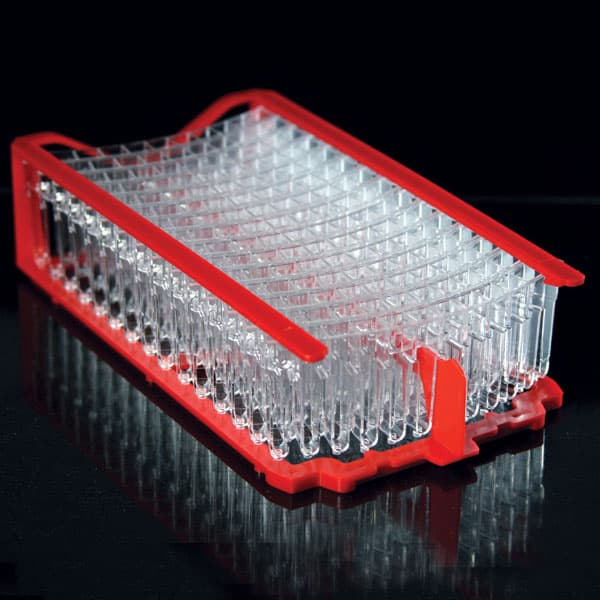
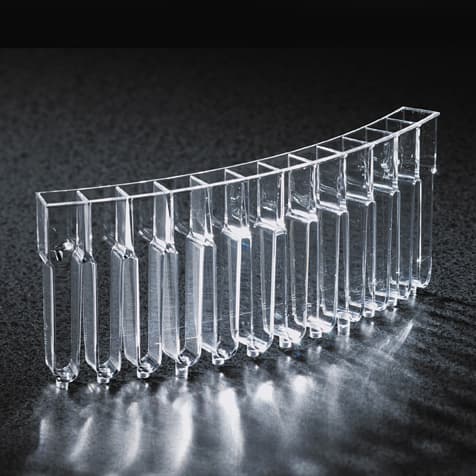
Cuvettes are precision-molded transparent vessels used to hold liquid samples during optical measurements in spectrophotometers, colorimeters, fluorometers, and automated clinical chemistry analyzers. MBP supplies disposable polystyrene (PS) and PMMA spectrophotometer cuvettes for routine laboratory testing, along with analyzer-specific cuvettes compatible with selected Horiba ABX, Hitachi, Mindray, Cobas Mira, Ciba Corning, MLA Electra, and other clinical chemistry systems. Accessories for spectrophotometer cuvettes are also available.
MBP supplies cuvettes with bulk PO ordering for research and clinical labs across the USA, Canada, and worldwide. Request a quote today by contacting customerservice@mbpinc.net
Cuvettes




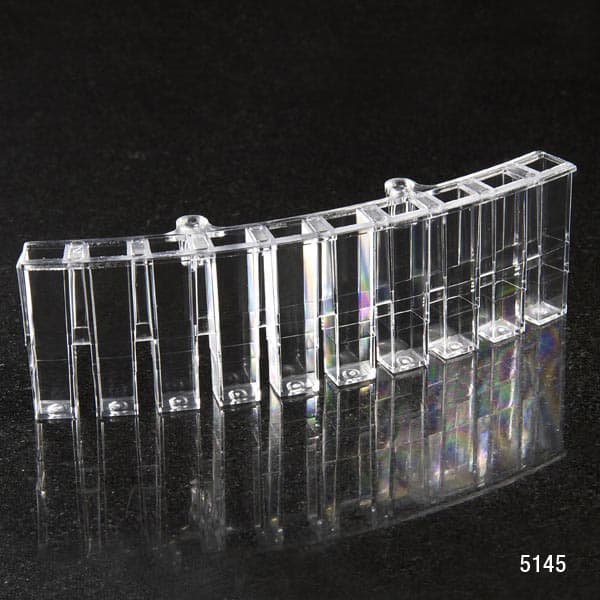
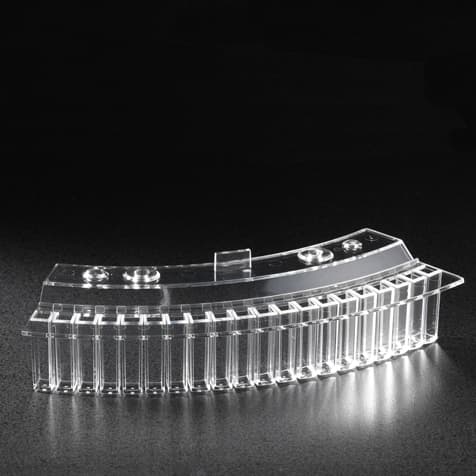
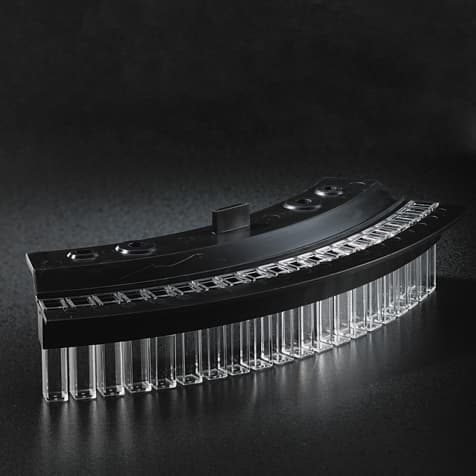
Showing 1 to 12 of 18 results
What are Cuvettes?
Cuvettes are small, precision-dimensioned transparent vessels used to hold liquid samples in the light path of a spectrophotometer, fluorometer, or colorimeter for measurement of absorbance, transmittance, fluorescence intensity, or fluorescence polarization. The standard cuvette has a 10 mm optical path length (the distance light travels through the sample), a square or rectangular cross-section, and an internal volume of 1–4 mL. Cuvettes are manufactured in four main materials—polystyrene (PS) or polymethylmethacrylate (PMMA) plastic, optical glass, UV-grade quartz (fused silica), and IR quartz—each covering a different wavelength range. Choose plastic cuvettes for routine visible-light absorbance (380–780 nm) where disposability prevents cross-contamination; choose optical glass for reusable visible-range work (340–2,500 nm); choose UV quartz when measurements extend into the UV range below 340 nm (190–2,500 nm).
What you will find:
- Spectrophotometer cuvettes for absorbance analysis
- Polystyrene (PS) cuvettes
- PMMA cuvettes
- Analyzer-specific cuvettes for clinical chemistry systems
- Standard path length cuvettes
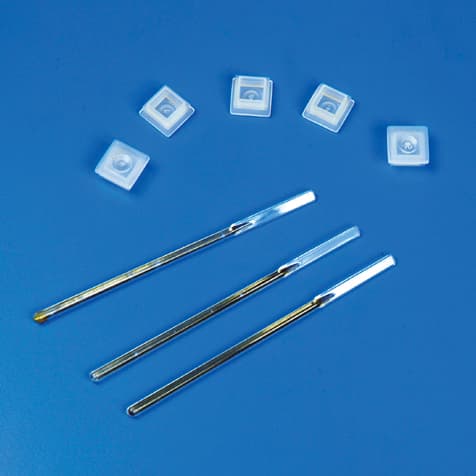
- Accessories for spectrophotometer cuvettes
How to Choose Cuvettes
Material and Wavelength Range
Plastic (PS/PMMA) cuvettes transmit visible light from 380–780 nm and are single-use, eliminating cleaning and cross-contamination risk. They are unsuitable for UV measurements, organic solvents, or strong acids. Optical glass cuvettes transmit 340–2,500 nm, covering the full visible and near-infrared range; Different manufacturers recommend different procedures. UV quartz cuvettes are traditionally used for DNA/RNA quantification at OD260/OD280 because they transmit UV wavelengths below 340 nm. IR quartz extends to 3,500 nm for near-IR applications.
Optical Path Length
The standard 10 mm path length follows the Beer-Lambert law at normal sample concentrations. Semi-micro (5 mm path) and micro-volume cuvettes (1 mm path, or internal volumes down to 10–70 µL) are used for precious or limited-volume samples. The path length directly multiplies absorbance: a 1 mm cuvette gives 1/10 the absorbance of a 10 mm cuvette for the same solution — account for this in Beer-Lambert calculations.
Volume: Macro vs. Semi-Micro vs. Micro
Macro cuvettes (1–4 mL) are the standard for routine spectrophotometry. Semi-micro cuvettes (0.5–1.5 mL) reduce sample consumption. Micro cuvettes (10–350 µL) are used when sample volume is limited; sub-micro cuvettes (10 µL or less) suit precious clinical or research samples. Confirm that your spectrophotometer's beam height and aperture are compatible with the cuvette format before purchasing micro formats.
Two-Window vs. Four-Window
Standard cuvettes have two optically clear windows (the light-entry and exit faces) and two frosted or ribbed side walls for gripping. Four-window (all-clear) cuvettes are required for fluorescence measurements at 90° to the excitation beam — the two additional clear windows allow emitted fluorescence to exit perpendicular to the excitation path. Confirm whether your instrument requires a standard or fluorescence-grade cuvette.
Reusable vs. Disposable
Quartz and glass cuvettes are reusable; their higher up-front cost is justified for low-throughput precision work or when solvents or UV wavelengths are required. Plastic cuvettes cost fractions of a cent per use and eliminate washing time in high-throughput assay workflows. Select disposable plastic for any routine colorimetric assay (Bradford, BCA, ELISA plate reader backup, OD600 bacterial growth) where wavelengths stay in the visible range.
Specifications Context
The 10 mm path length standard cuvette has internal dimensions of 10 × 10 mm cross-section and an internal height of approximately 45 mm. Outer dimensions are 12.5 × 12.5 mm, fitting all standard spectrophotometer cell holders. Window parallelism tolerance is ±0.01 mm for precision quartz cuvettes; standard optical glass cuvettes have ±0.1 mm tolerance. Light transmission through UV quartz: >90% at 220 nm and >85% at 200 nm. For nucleic acid quantification, a UV quartz cuvette with a minimum path length of 10 mm is required for OD 260/280 measurements; the ratio of OD260/OD280 should be 1.8–2.0 for pure DNA and 1.9–2.1 for pure RNA as a purity indicator. As of 2026, plastic disposable cuvettes remain the most cost-efficient choice for labs running >50 absorbance readings per day in the visible range.
Need the right fit? MBP can guide you to cuvettes that match your workflow perfectly. For institutional pricing and PO-based bulk ordering, contact MBP directly.
FAQ