Product Filters

Disposable Plastic Transfer Pipettes for Laboratory Liquid Handling and Specimen Transfer


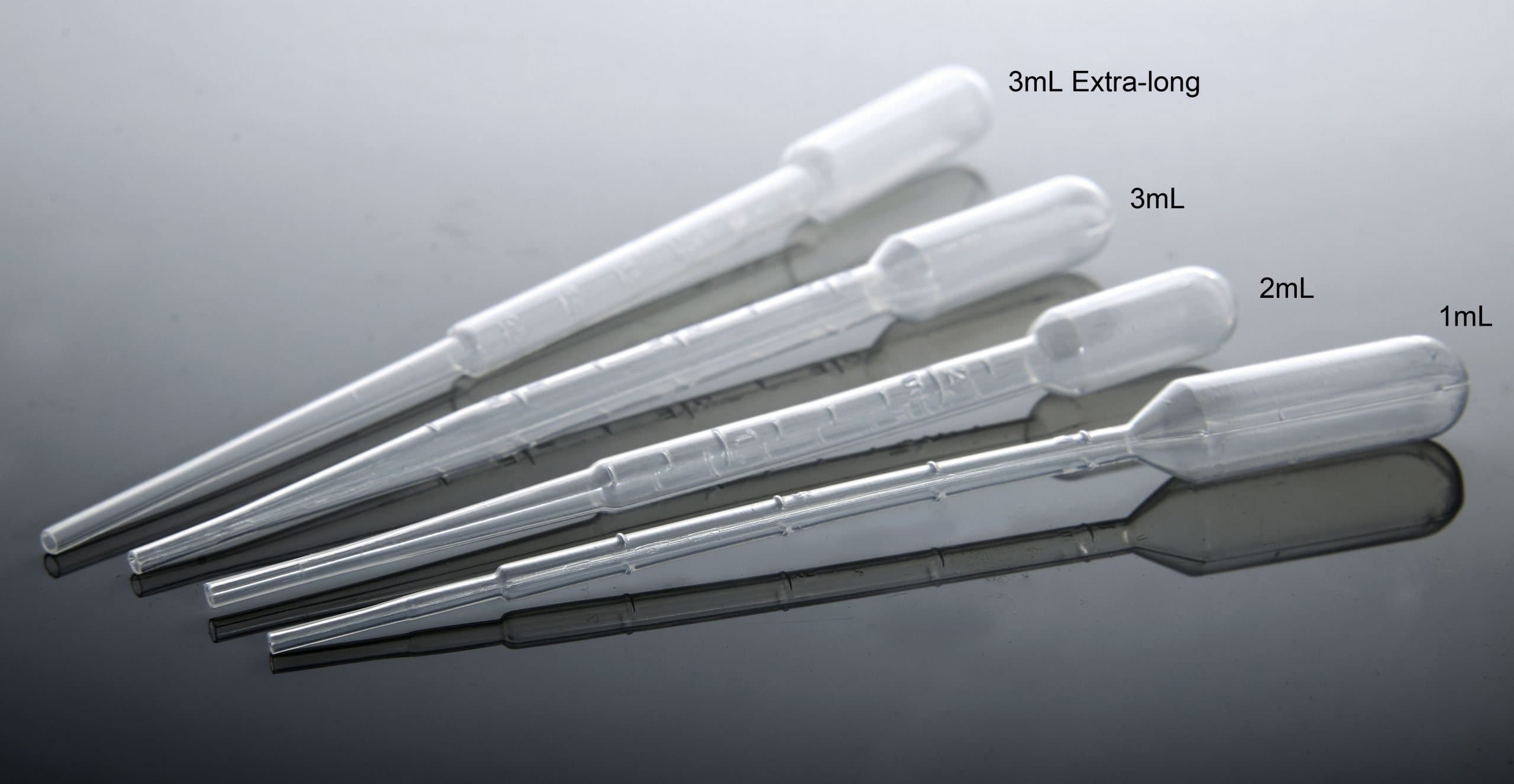
Disposable plastic transfer pipettes are one-piece LDPE bulb pipettes used for rapid, contamination-free liquid transfer in urinalysis, hematology, microbiology, reagent dispensing, microscopy, and specimen preparation. Capacities from 1 mL (fine tip) to 23 mL (extra-long); graduated and non-graduated formats; sterile (individually wrapped, gamma-irradiated) and non-sterile bulk options. MBP carries Globe Scientific transfer pipette lines and ships to labs across the United States, Canada, and internationally with PO and Quick Order at mbpinc.net.

Need help selecting the right transfer pipettes for your laboratory workflow? Contact customerservice@mbpinc.net for product recommendations, pricing, and procurement support.

Transfer Pipettes
Per Page:
Sort By:

What are disposable transfer pipettes?


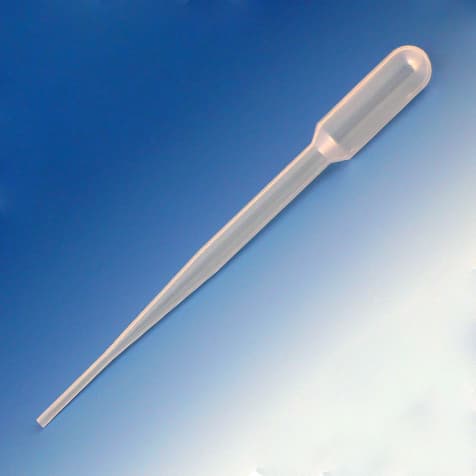
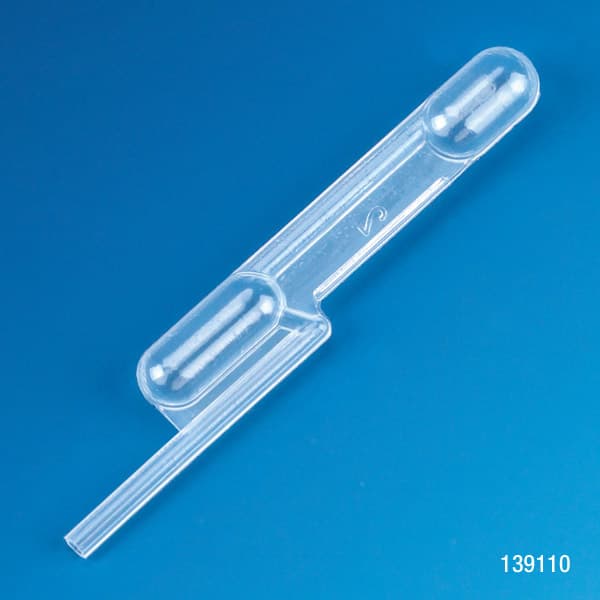
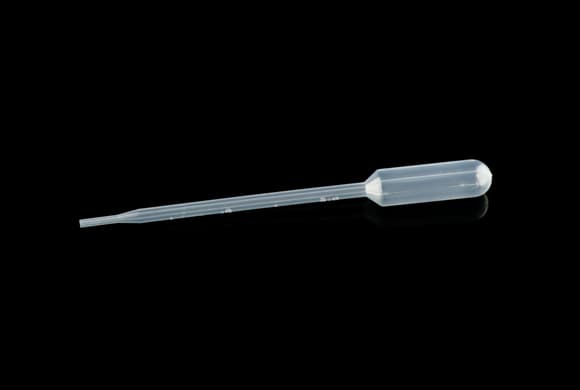
Disposable transfer pipettes are single-use plastic liquid-handling tools made from low-density polyethylene (LDPE). They are designed as a one-piece bulb-and-stem system used to transfer, dispense, and sometimes measure small volumes of liquids in laboratory workflows.

They are commonly used as a safer and more convenient alternative to glass Pasteur pipettes. Because they are plastic and disposable, they eliminate the risk of glass breakage, reduce cross-contamination, and remove the need for separate rubber bulbs. Their flexible bulb design allows liquid to be drawn into both the stem and bulb, enabling easy and controlled transfer of reagents, samples, and solutions.


What you will find:


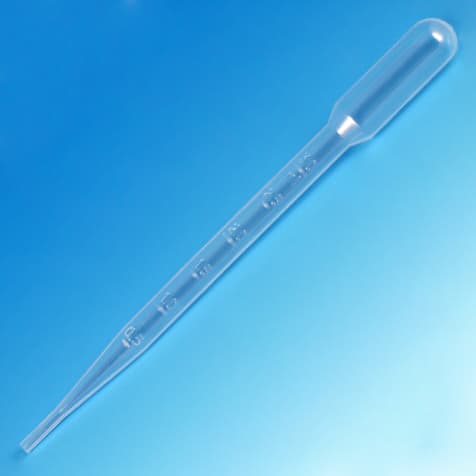
  • Graduated Transfer Pipettes – For approximate volume measurement and controlled dispensing

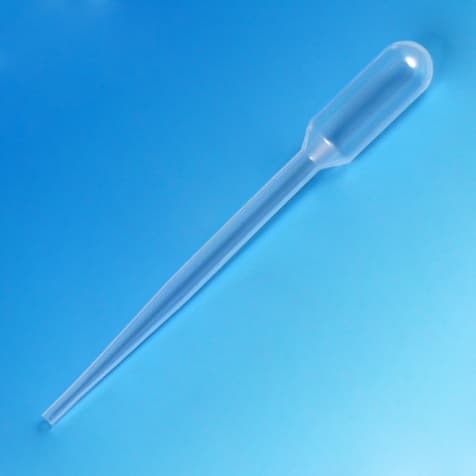
  • Non-Graduated Transfer Pipettes – Simple liquid transfer without measurement markings

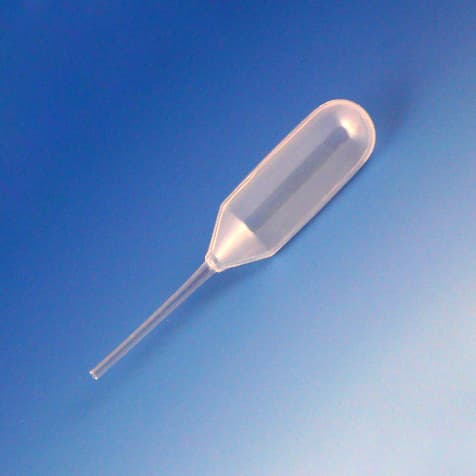
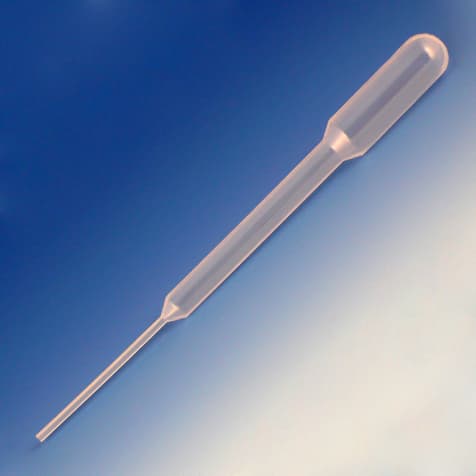
  • Fine Tip Transfer Pipettes – Designed for small droplets and precise spot dispensing

  • Sterile Transfer Pipettes – Suitable for microbiology and contamination-sensitive workflows

  • Non-Sterile Transfer Pipettes – Cost-effective option for routine laboratory use

  • Disposable Pasteur Pipettes – Single-use pipettes for safe, cross-contamination-free handling


How to choose transfer pipettes


Tip style

Fine-tip pipettes are designed for precise work such as loading hemocytometers, filling microplates, and handling small or narrow containers. Standard-tip pipettes are used for general laboratory transfers like urinalysis and routine reagent handling. Wide-opening pipettes are preferred for viscous fluids or blood because they allow faster flow and reduce clogging. Short, narrow-stem versions are useful when working with small test tubes or limited bench space.


Capacity and bulb draw

Pipettes should be selected based on the typical liquid volume being handled. Smaller pipettes are used for low-volume transfers, while medium and large capacities are used for routine sample handling or deeper vessel access. The bulb draw volume determines how much liquid can be taken in with one squeeze-and-release cycle, which is more practical than total nominal capacity in daily use.


Graduated vs non-graduated

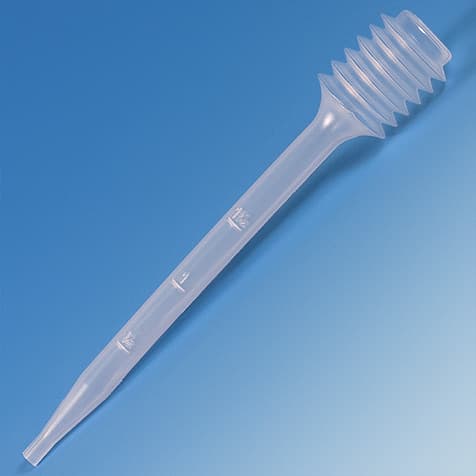
Graduated pipettes include markings that allow approximate volume measurement during transfer, making them useful in urinalysis, hematology, and point-of-care workflows. Non-graduated pipettes are used when exact measurement is not important, such as general reagent dispensing, staining, or sample spotting.


Sterile vs non-sterile

Sterile pipettes are individually wrapped and used in microbiology, clinical diagnostics, and cell culture where contamination control is critical. Non-sterile bulk pipettes are suitable for general laboratory, teaching, and chemical applications where sterility is not required.


Length and accessibility

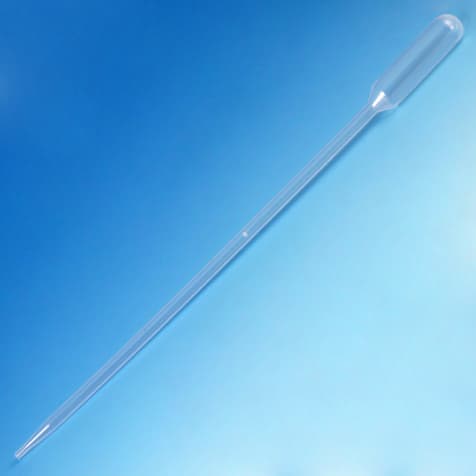
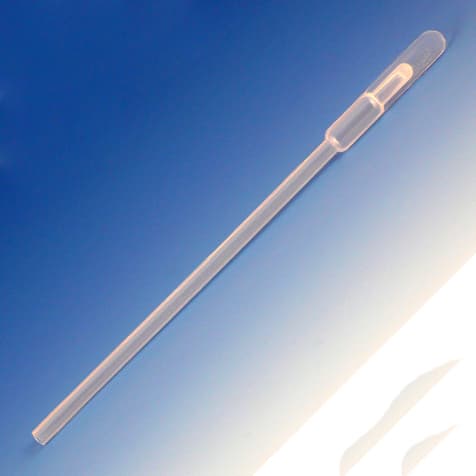
Long pipettes are used to reach deep containers such as culture flasks and bottles, while shorter pipettes are preferred for compact workspaces or small tubes. Extra-long designs are especially useful for large-volume vessels and hard-to-reach samples.


Specifications context


Disposable LDPE transfer pipettes are widely used as Class I in vitro diagnostic laboratory consumables and are considered a standard replacement for glass Pasteur pipettes in modern clinical and research environments. They are manufactured in sterile (gamma-irradiated, individually wrapped) and non-sterile bulk formats, with a range of capacities and tip designs to support diverse laboratory workflows. As of 2026, one-piece LDPE transfer pipettes remain a core consumable in clinical diagnostics, microbiology, and general laboratory liquid handling due to their safety, simplicity, and contamination control advantages.

Need a bulk supply for your high-throughput projects? Reach out to the MBP team today for a tailored quote that fits your lab's specific needs.


FAQ

Disposable plastic transfer pipettes (also called Pasteur pipettes or bulb transfer pipettes) are one-piece LDPE liquid transfer tools used for rapid, contamination-free transfer of small volumes of fluids — typically 1–8 mL — in applications including urinalysis, hematology, wet chemistry, microbiology, microscopy specimen preparation, reagent dispensing, and blood banking. Their one-piece design eliminates cross-contamination from rubber bulbs and reduces sharps hazard compared with glass Pasteur pipettes.
Disposable plastic transfer pipettes are molded in one piece from low-density polyethylene (LDPE), a flexible, non-toxic polymer that is inert to most aqueous solutions and many organic solvents. LDPE construction makes the pipette unbreakable, eliminates glass sharps risk, and allows fluids to enter the bulb for larger-volume single draws. Transfer pipettes can be sterilized by gamma irradiation or ethylene oxide gas; they are not autoclavable due to LDPE's low melting point.
Disposable transfer pipettes are available in a range of capacities from 1 mL (fine tip, for small volumes and multi-well plate loading) to 23 mL (extra-long, for deep vessel access). Common general-purpose formats are 3 mL, 5 mL, 7 mL, and 8 mL total capacity, with graduated and non-graduated options. Globe Scientific offers formats from mini to jumbo including fine-tip, large-bulb, narrow-stem, and extra-long (225–300 mm) pipettes for specialized applications.
Graduated transfer pipettes have calibration marks printed or molded on the stem, enabling measurement of specific volumes (typically in 0.5–1 mL increments) during liquid transfer — useful for urinalysis, hematology, and any workflow requiring volume accuracy from a single-use pipette. Non-graduated transfer pipettes have no markings and are used for undifferentiated liquid transfer tasks such as reagent dispensing, staining, and sample spotting where exact volume is not measured by the pipette.
Disposable transfer pipettes are available in non-sterile bulk (typically 400–500 per package) and gamma-radiation sterilized individually wrapped formats for clinical, microbiological, and cell culture applications. Sterile transfer pipettes are packaged in individual wraps or small groups (20 per wrap) and are validated sterile for single use. Non-sterile bulk pipettes are appropriate for general chemical, reagent transfer, and educational use where sterility is not required.
Disposable LDPE transfer pipettes can be heat-sealed at the tip after filling to create small freeze vials or temporary storage/transport containers. This is a documented use for blood banking, specimen transport, and small-volume sample archiving. The LDPE construction is compatible with standard –20 °C and –80 °C frozen storage. Pipettes can also be sterilized by gamma radiation or ethylene oxide after filling if required.
MBP carries Globe Scientific transfer pipettes across formats from mini fine-tip (1 mL, fine tip, 147 mm) through general-purpose (7 mL, 155 mm, bulb draw 3.2 mL) to extra-long (23 mL, 300 mm sterile). Globe Scientific's full line covers sterile individually wrapped and non-sterile bulk options. Contact MBP via the Quick Order tool or inquiry form at mbpinc.net for current stock, case pricing, and PO procurement.
Bulb draw volume is the maximum volume that can be aspirated by squeezing and releasing the bulb alone, without using the stem volume. Total capacity is the combined volume of the stem and bulb. For example, a Globe Scientific 7 mL general-purpose transfer pipette has a bulb draw of 3.2 mL — meaning a single squeeze-release draws 3.2 mL, while additional draws or tipping the pipette allow access to the remaining 3.8 mL of stem volume. Graduated pipettes typically show markings up to their bulb draw volume only.
We provide the highest quality of products and anytime customer service.
LinkedIn
Featured Categories
online payment
online payment
fast delivery
fast delivery
technical support
technical support
24/7 support
24/7 support
copy right
2026 All Right Reserved