
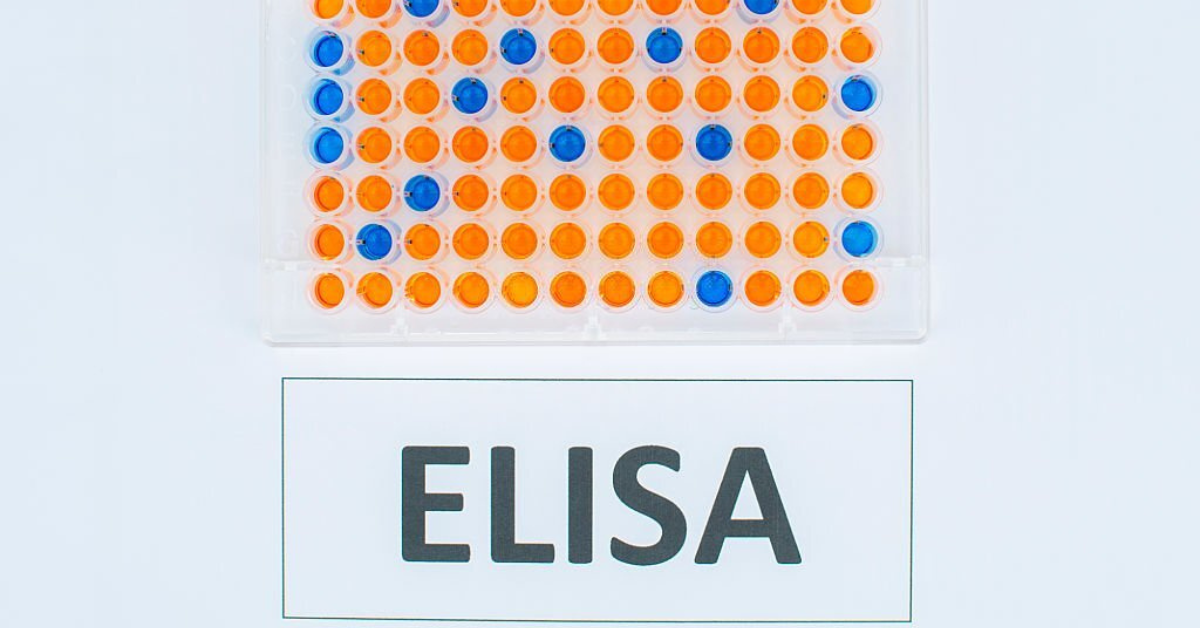
It is no secret that ELISA is one of the most widely used procedures in labs all around the world. It is extremely accurate and precise and a highly suitable method for quantifying small amounts of an antigen from a known or unknown sample. In addition, it is easy to perform. Hence lab techs do not face much hassle while doing it. However, any method can fail or not be able to produce desired results.
If you feel like you are unable to achieve satisfying results with ELISA, it is time to take a look at how you are performing the procedure. In this blog, we will tell you a few common problems associated with ELISA that might be compromising it.
3 Problems Associated With ELISA And Their Solutions
- The Intensity Of The Signal Is Low Or Weak
You may have noticed that your readings are falling below the lower limit of absorbance or the concentration of your target analyte extending beyond the standard curve. Chances are that the plate was incorrectly read, or there is an issue with the reagents or the antibody. Here are a few ways to ensure this does not happen:
● Proper Use Of Reagents
High-quality reagents and their proper usage is key to achieving good results. The first thing you need to check is the expiry dates of the reagents. Hence, it is important that lab techs ensure they are being stored at the right temperature, which is usually around 2-8 degrees centigrade.
In addition, make sure that the reagents are at room temperature before the start of the experiment. Also, check that the concentrations used are as precise as possible and they are added to the mixture in the correct order.
● Correct Usage Of Antibodies
It is always better to follow recommended antibody dilutions for correct results. These vary with the amount of antibody used.
Moreover, if you keep the solution for a greater time after adding the antibody, it will be better able to bind with your sample and amplify the signal.
- The Well-To-Well Variation Is High
Continuously getting inconsistency in results is often because of mistakes or errors in plate handling and loading. Here are a few ways you can avoid this:
● Ensure Proper Distribution Within Plates
It is important that all the plates are at the same temperature before you start the experiment. Hence, it is important to ensure even distribution between them. One way to achieve this is by not stacking them during incubation, as this may cause the plate to be at different temperatures throughout.
● Wash All Procedural Equipment Thoroughly
Many different lab apparatuses are used for ELISA, such as well plates and Biomek filter tips. It is important that everything is washed thoroughly before use in the experiment to avoid inaccurate results. Any unwanted or foreign particle on the surface of this equipment has the ability to ruin the entire experiment, wasting your time and incurring heavy losses. Hence, keep all of it clean, and you will get amazing results. Get High-Quality Apparatus For ELISA And Other Experiments From MBP Inc. Whether you need filter tips for Beckman, well plates or flasks to conduct accurate and high-quality procedures, MBP Inc. should be your go-to. We have all this and more to help you carry out your processes with precision and ease. Our lab equipment is outstanding, and you will not be disappointed with our products.


