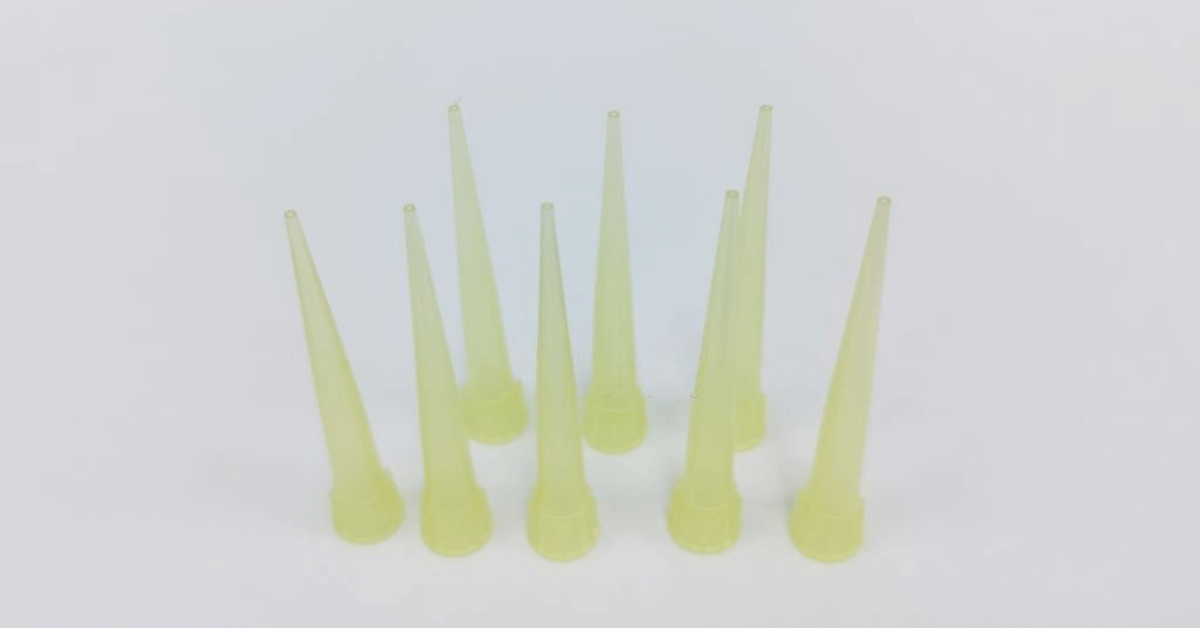
Non-Sterile and Sterile Pipette Tips
It is common sense that sterile tips should be used for experiments where sterility is vital. However, non-sterile tips can also be used by autoclaving them yourself, but it is extremely necessary to make sure that the manufacturer declares the pipette tips as autoclavable.
Autoclaved tips may have traces of RNAs or DNAs, so if you have to perform sensitive experiments, it is better to go for sterile pipette tips from a reliable manufacturer who can certify that the pipette tips are completely sterile and free from any living organisms, RNAs, and DNAs.
Low Retention Tips
Low Retention tips are designed to hold a small amount of liquid, leading to more precise and accurate results. However, the price of these tips is higher than others, so it is better to use them strictly for specified applications where regular types of tips can’t be used. Upon assessment with low surface tension solution or viscous liquids, there was a significant difference between the results of low retention tips and regular tips. This means that low-retention tips are much better for the solutions of high-concentration or highly reactive samples. These are the best choice for collecting samples during PCR, cloning, protein purification, DNA and RNA applications, as well as different protein analysis applications.
Long Pipette Tips
Long pipette tips are invented to minimize the potential risk of cross-contamination by accidentally putting the pipette shaft into the tube to reach the bottom. To cut back on this risk, many lab essentials manufacturers offer long-length pipette tips suitable for lab use, like microcentrifuge pipettes or deep well blocks.
Short Pipette Tips
Short pipette tips offer two different advantages. First, they support targeting any small wells, for instance, when manually pipetting into a 384 or a 1536 well plate with multichannel pipettes. Second, they offer better ergonomics by letting the user pipette closer to the bench, reducing the strain one has on their arm.
Wide Bore Pipette Tips
Delicate cellular samples tend to become damaged when they’re forced through a narrow hole of standard pipette tips. Therefore, wide bore tips come into use when transferring fragile cellular samples, like fragile cell lines or other delicate materials. The wide hole of these tips prevents any damage and also cuts back on flow resistance.
To Wrap Up
It is extremely necessary to have proper knowledge of each type of pipette tip to increase the accuracy of your lab results. Going through this brief description of different types of pipette tips, you can have an idea of what type of tip to use in what type of experiments. It is also a point of concern to purchase your pipette tips from an authentic seller. One of the most authentic sellers of all lab equipment in MBP Inc. We have a wide range of filter tips, including Rainin LTS filter tips, wide-bore pipette tips, long tips, short tips, and all others. Order through our website and get the best products for your lab.