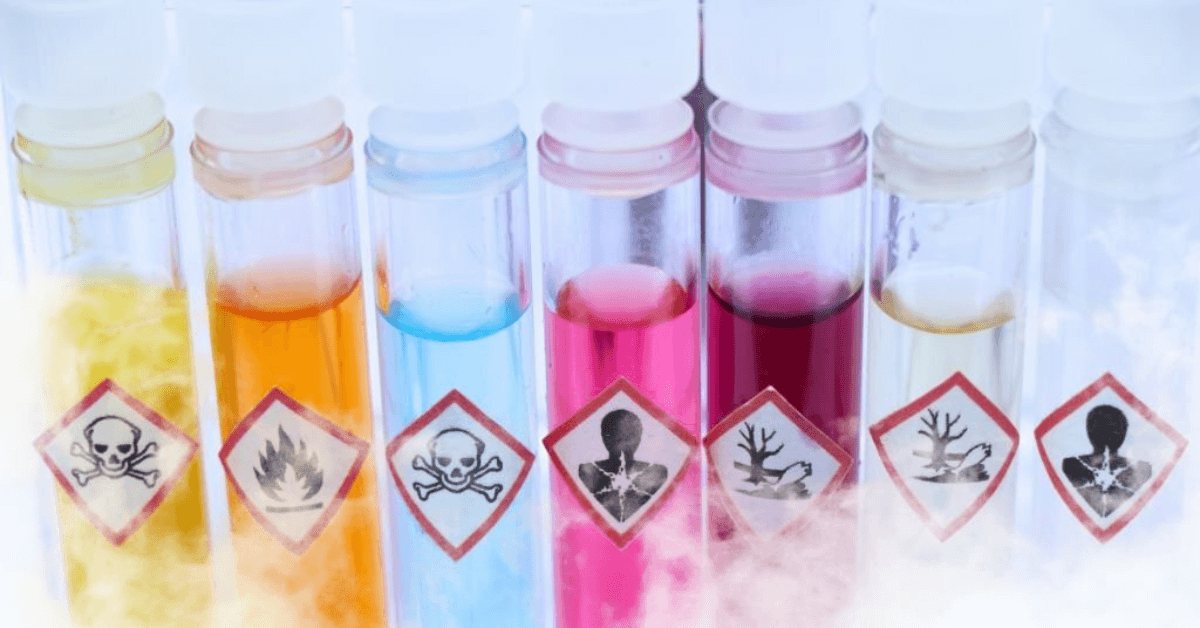
While experimenting is the "easy" part, laboratories routinely use a variety of dangerous lab chemicals, and responsibly managing their disposal may be a logistical nightmare.
Over the years, numerous organizations have offered advice on safe chemical disposal, including the Environmental Protection Agency (EPA) and the Occupational Safety and Health Association (OSHA). However, with unique requirements and chemical combinations used in each lab, additional precautions are required to ensure the safety of both the environment and the workforce.
While MBP always has you covered by providing the best quality equipment, such as Tecan filter tips, tissue culture plates, reagents, etc., this blog will tell you about four easy tips for disposing of hazardous lab chemicals. Let's start!Tips for Disposing of Hazardous Lab Chemicals
Characterize And Track All Chemicals
The first step in proper disposal is to create a proper database of chemicals for which you can use Inventory Management Software. To properly keep a record of all chemical usage (including volumes and concentrations) during testing and other lab procedures, this program should ideally be integrated with a laboratory information management system (LIMS). Along with expiration dates, the database should also contain vital safety information, with alerts for when a chemical is due to expire.
Identify Waste Management Administrators
Most institutions have administrators in place to recognize and control large quantities of dangerous chemicals, as advised by the EPA. According to the EPA, laboratories with chemical or radiological waste should appoint a "waste broker" to help with profiling and inspecting the waste before transportation and a waste hauler qualified to handle the waste.
Clean Appropriately
Chemicals should be disposed of in designated containers in a safe and secure manner. Never pour dangerous substances down the drain. Hazardous chemical disposal down the drain is occasionally allowed if concentrations are below safe limits. However, most nations consider it illegal to purposefully dilute them to fall below that limit.
Cleaning out containers of leftover chemical waste after emptying their dangerous contents can be just as demanding as getting rid of the chemical itself. Many chemicals emit harmful fumes that, even in small doses, can harm the lungs when inhaled. Here is a step-by-step guide for cleaning these containers has been published by the University of California, San Diego:
- Check the list of Known Hazardous and Extremely Hazardous Wastes to see if the contents of the container qualify as extremely hazardous waste.
- The container should be picked up by the Environment, Health, and Safety (EH&S) department and disposed of by a licensed company if the substance is deemed to be extremely hazardous.
- Rinsing the container is not advised if the chemical is deemed to be "very dangerous." If not, triple-rinse it with water or a cleaning agent and let it air dry before throwing it away.
Train Personnel
The correct disposal of any hazardous lab chemicals must be taught to the staff. Although it may seem obvious, handling and disposing of toxic chemicals receives little attention during lab training, which instead tends to focus on learning new experimental techniques. For major institutions, training programs may offer advice on how to get rid of particular substances. These sessions can be scheduled within the lab or throughout the department, and they should be incorporated into the lab's workflow.
To Wrap Up:
The aforementioned tips will help you dispose of your lab waste safely and securely. Remember that while working with chemicals, safety should be the first and foremost concern. Not only your safety but the environment too. Meanwhile, if you're looking for molecular biology equipment like 200ul Low Retention Filter Tips, pipettes, PCR plates, and more, MBP Inc. has got you covered.