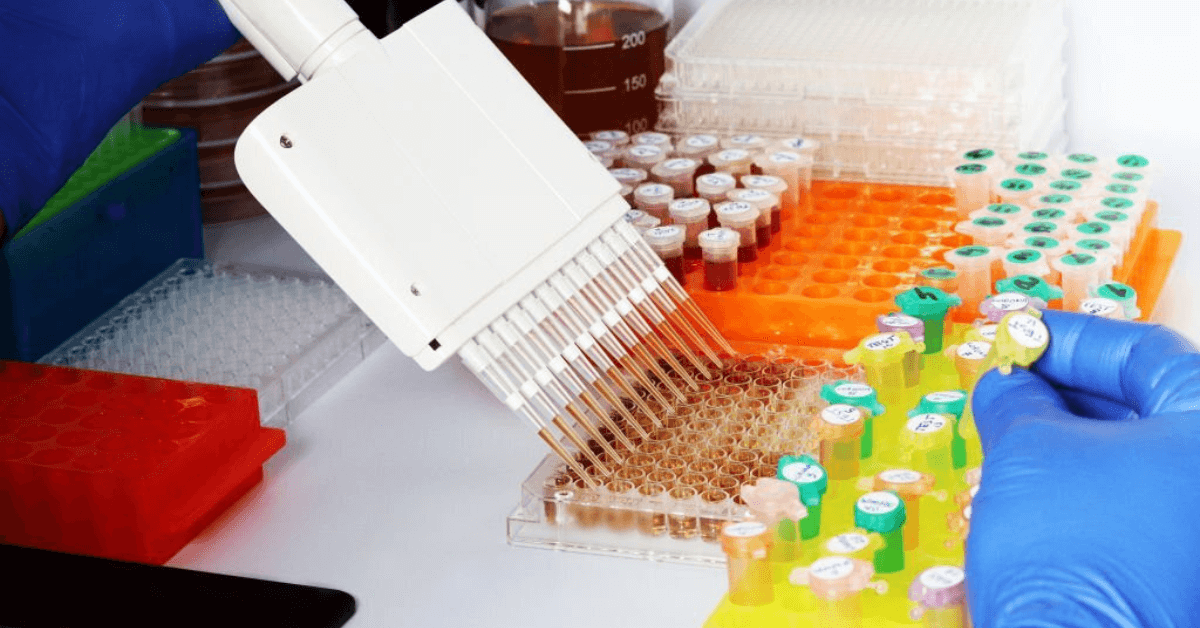
PCR, or polymerase chain reaction, is a powerful technique used in molecular biology to amplify small amounts of DNA. However, PCR errors can occur, leading to inaccurate or unreliable results. To ensure the accuracy of your PCR experiments, it's essential to take steps to minimize these errors.
While MBP Inc. is here to provide you with all the equipment for experiments, such as Tissue Culture Plates, reagents, etc., this blog will tell you about eleven easy tips to help you avoid PCR errors:Easy Tips To Help You Avoid PCR Errors
Use High-Quality Templates:
The quality of your template DNA can significantly affect the accuracy of your PCR results. Always use high-quality, pure DNA templates that have been appropriately extracted and purified.
Choose The Right Primer Concentration:
The primer concentration can have a significant impact on the specificity and efficiency of PCR. It's essential to use the right primer concentration for your experiment. Generally, a primer concentration of 0.1-1.0 μM is recommended.
Optimize your PCR conditions:
The temperature, time, and number of cycles used in PCR can significantly affect the specificity and efficiency of the reaction. You should optimize your PCR conditions to ensure that you are getting the best results possible.
Use Hot Start PCR:
Hot start PCR is a technique that prevents non-specific amplification by inactivating the polymerase at the beginning of the reaction, avoiding errors. This can be done by adding a heat-sensitive polymerase or by using a hot start PCR enzyme.
Avoid Contamination:
PCR contamination can lead to inaccurate results. To avoid contamination, use sterile techniques, such as using sterile pipette tips and PCR reagents, and keep your PCR area clean and free from dust and debris.
Use A Control:
Always include a positive and negative control in your PCR experiments. This will help you to identify any errors or contaminants in your samples and ensure that your results are accurate
Avoid Filling Up Your Wells With Too Much Product:
Running maximum product as you can is tempting, especially if you're not sure how effective the PCR reaction is. However, cross-contamination of the wells can occur when an agarose gel is run at a high enough volume. If you overload samples adjacent to control wells, skewed results waste your sample and make it more challenging to identify your samples.
Use Appropriate Labels:
To prevent PCR mistakes, labeling is essential. However, since PCR tubes and quantitative PCR (qPCR) plates typically have a limited area, identifying your samples by handwriting is ineffective. The market today offers a wide range of labeling products for PCR tubes, strips, and plates. The tags can be color-coded, can print more information than conventional labeling techniques, and are compatible with most thermocyclers.
Select A Suitable Workspace:
Errors in the lab are frequently caused by stress and tiredness. It's crucial to choose a workspace that will support your wrists, neck, back, and legs as much as possible. The longer you can go without exerting unnecessary pressure on your joints, the lesser the likelihood that you'll trip up and make a pipetting mistake.
Repeat The Experiment:
If you are still determining your results, repeat the experiment. This will confirm the accuracy of your results and provide additional data to support your findings.
To Wrap Up:
By following these tips, you can significantly reduce the likelihood of PCR errors and increase the accuracy of your results. Remember that PCR is a powerful tool, but it's essential to take the necessary steps to ensure you get the best results possible. Also, if you're looking for molecular biology equipment like Treated Plates, filter tips, and more, MBP Inc. has got you covered. We have a variety of molecular biology products for all your laboratory needs.